


A quick look at the Philippine food staple often getting a bad health rap
As society continues to double down on finding the healthiest path towards good health and sustainable living, taking a closer look at our usual food fare has become a major interest beyond passing fancy or table talk. Many cultures and people, whose cuisines are richly flavored, often get the short end of the stick when discussing nutritional value – mistaking delectable for harmful, or anything with the word fat or carbohydrate as automatic triggers toward emergency care.
For people and places that communicate highly through food to express themselves, defending their choices becomes a point of contention, unnecessary at times, but nevertheless, an issue hard to ignore.
Enter rice. This highly adaptable, filling, and humble cultural identifier has often been on the receiving end of such divide. The rich carbohydrate and caloric content of rice renders it to be automatically unhealthy for people wanting to lose weight, while others see the processing of rice grains as the culprit for loss of nutritional value. Recent years have turned the tide as better food knowledge, eating behaviors, and personal health have become available to consumers.
These days, the vilified carbohydrates in rice are more celebrated for their energy-giving function that allows the body to build more muscles and boost body cells. Rice is rich with all the right nutrients our system needs toward overall health with at least a dozen vitamins and minerals, including serotonin – the feel good chemical helping regulate our mood. All these support better cognitive, mental, and physical health.
Rice has been a staple in many Asian, African, and Middle Eastern countries and other households for centuries. Today, more than half the world’s population consumes this superfood, with majority of production centered in Asia. Global consumption is steadily growing with an estimated production of over 520 million tons for the 2023/24 season, according to the Food and Agricultural Organization.
Fermenting rice has created varieties of rice wine such as mirin, mijiu, and sake to name a few, which can be drunk or used to enhance food taste. As a drink, studies have linked its antioxidant content, including polyphenols, with cardiovascular health and improved digestion. Rice is not just for standard meals eaten with flavorful dishes. It is also widely used to make desserts and other snacks.
Telling of the continuous shift in the way we view and eat, the value we put on rice is a mix of our basic, cultural, and historical perspectives. As there are currently thousands of varieties out there, whether based on texture, shape, origin, flavor, or color, the versatility of rice is only limited by one’s imagination, really. In this case, the willingness to experiment or try new flavor combinations. In short, being open to new or other ideas.
Incorporating rice into one’s daily diet doesn’t have to be limited to the typical cup of rice. Here are some rice-based treats and food items to put on your plate or simply enjoy anytime, anywhere.
Sticky desserts
Create your own kakanin or sticky rice snacks with ready-to-cook mixes of bilo-bilo (rice balls) and sapin-sapin (rice cakes) .

On-the-go snacks
Give in to your cravings with gluten-free snacks, such as brown rice puffs and baked rice crackers that come in different flavors like barbeque and paprika.

Natural beverages
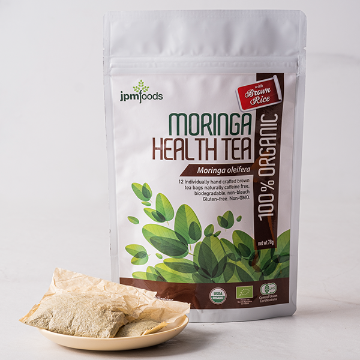
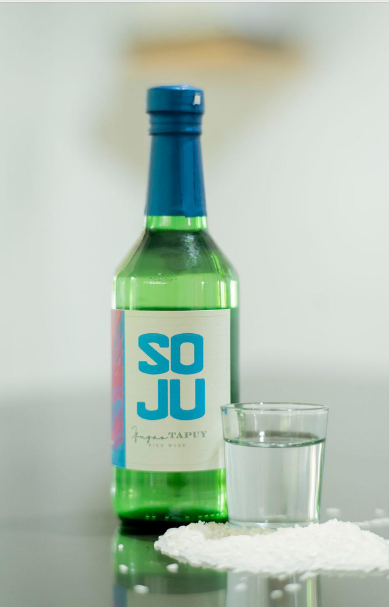
Add some digestive aid for your daily ritual or as a meal complement with a brew of healthy malunggay (moringa) tea with brown rice packed in unbleached bags, or a shot of tapuy (rice wine), a soju mostly made in the highlands of Cordillera, Philippines.
Rice noodles
A lighter alternative to cooked rice at meal times, the Filipino pancit bihon can be prepared dry or in a bit of broth, served plain or with poultry, seafood, and vegetables.
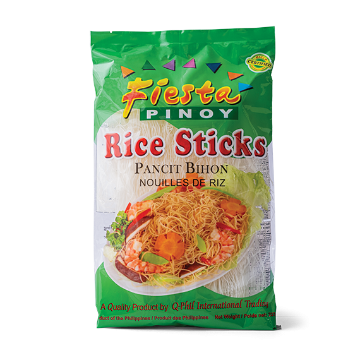
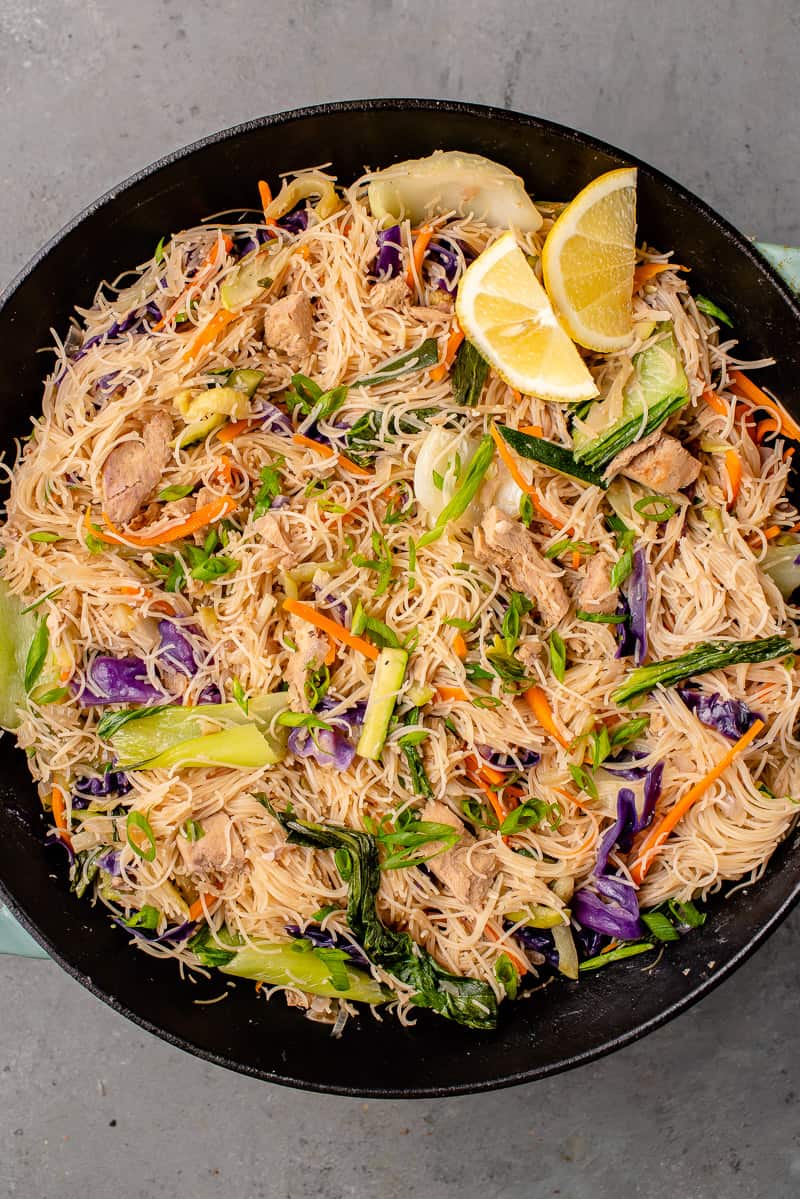
Photo credit (L): sweetsimplevegan.com
Know more about some of these rice products and other Philippine and international flavors at IFEX Philippines 2024. Experience a salu-salo of Philippine food, culture, and innovation from the country’s premier food exhibitors and their product offerings from May 10 to 12, 2024 at the World Trade Center Metro Manila in Pasay City, Philippines.
Visit IFEXConnect.com to learn more about the IFEX Philippines 2024 participating exhibitors and other upcoming events of CITEM.

Started in 1927, the Philippines Graphic is the longest-running printed magazine of national circulation that provides relevant news and features and promotes Philippine literature.