

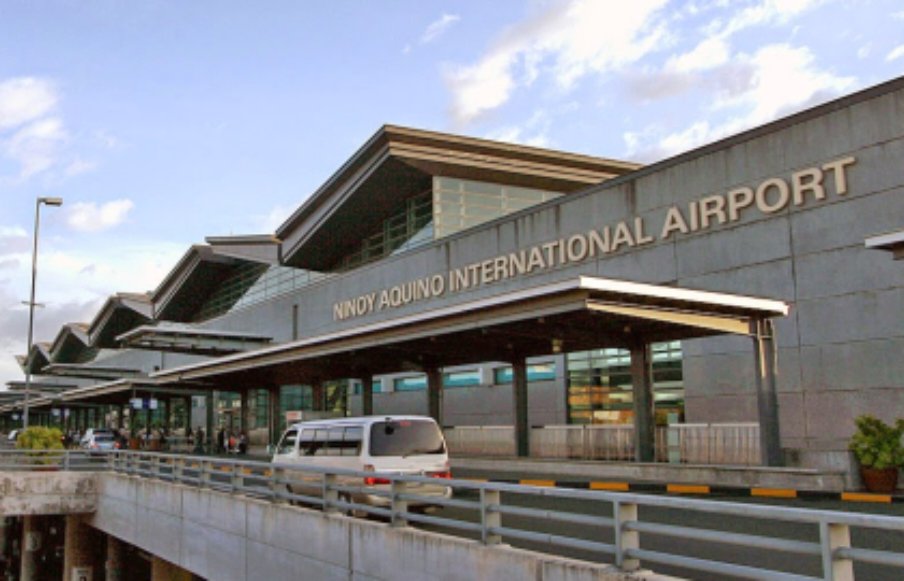
The Christmas/New Year peak travel season at Ninoy Aquino International Airport (NAIA) is expected to set new records, with over 2.3 million passengers forecast from December 20, 2025 to January 3, 2026—surpassing last year’s already high holiday volume as tourism continues its rebound.
To manage the surge, NAIA’s private operator New NAIA Infra Corp. (NNIC) has rolled out upgrades across all terminals, from road access to check-in and immigration. Curbside lanes at Terminals 1, 2, and 3 have been widened to ease drop-off and pick-up congestion, while a centralized transport hub at Terminal 3 now organizes taxis and ride-hailing services into a designated area.
Inside the terminals, passengers will see upgraded air-conditioning, hundreds of additional seats—over 400 in Terminal 1—and airport-wide high-speed Wi-Fi, alongside 2,500 new luggage trolleys deployed system-wide.
Terminal arrangements may already be familiar to regular travelers, but airport officials say this holiday season brings operational adjustments inside each terminal to accommodate heavier passenger traffic. At Terminal 1, which continues to handle nearly all international flights, airport authorities have added more seating, pushed up cleaning rotations, and opened the new OFW Lounge to serve the growing number of overseas Filipino workers arriving for Christmas. The lounge offers free meals, Wi-Fi, and rest areas designed to absorb peak-hour crowds and reduce congestion in public waiting areas.
Terminal 2, now operating solely as a domestic terminal, has increased manpower at check-in counters and boarding gates as it absorbs additional traffic following the closure of the old Terminal 4 for redevelopment. Airport officials say flight schedules at T2 have also been staggered more tightly this December to prevent passenger buildup during peak departure hours—an adjustment prompted by last year’s holiday crowding.
Meanwhile, Terminal 3, the country’s busiest gateway, is operating extended food and retail hours following the opening of its new 6,000-square-meter mezzanine food hall, which adds dozens of dining options for passengers delayed by traffic or early check-in requirements.
Additional check-in counters have also been opened earlier in the day to clear morning peak departures, particularly for international flights.
Processing times are also expected to improve with the rollout of biometric immigration e-gates at Terminals 1 and 3 starting this December.
The system uses passport scans and facial recognition to speed up border control, backed by additional immigration officers and full staffing at security lanes under the government’s Oplan Biyaheng Ayos holiday plan. Airlines, for their part, have opened check-in counters earlier, added ground staff, and introduced more self-service kiosks. Officials are urging passengers to arrive at least three hours before international flights and two hours before domestic departures, especially on peak travel days.
Holiday shoppers can also expect a bigger duty-free experience. At Terminal 3 alone, duty-free retail space is set to grow from around 1,000 square meters to as much as 6,000 square meters, significantly increasing the shopping area at the country’s main international gateway.
Alongside this expansion, Duty Free is widening its portfolio of luxury labels and trend-driven products while opening its stores to more concessionaires and brand partners. The goal is to offer travelers a broader mix of merchandise — from premium global brands and Filipino-made goods to more affordable pasalubong— along with exclusive travel packs and airport-only bundles, all while keeping prices competitive.
For millions of Filipinos heading home for Christmas, these airport upgrades are designed to mean less waiting, easier transfers, and more time with family—with added convenience for holiday shopping—as NAIA enters its peak travel period.


 is expected to set new records, with over 2.3 million passengers forecast from December 20, 2025 to January 3, 2026—surpassing last year’s already high holiday volume as tourism continues its rebound.)