Previous era of the arts had subversiveness, vulgarity, and blasphemy as its main problems. Now its inauthenticity—the single remaining line that shouldn’t be crossed.
In Western theater, the ancient Greek philosopher Aristotle discussed “Thespis of Icaria” in his foundational literary work, Poetics. Thespis is regarded by history as the first actor. That was around 2,560 years ago. Ever since—or maybe even before then—the art of acting as a form of truth-seeking, entertainment, and creative expression has always been inherently human.
The thought is that theaters of any kind are dioramas for human experience, and the way to express it as close to reality as possible, is to act. To act, therefore, is to internalize humanity.
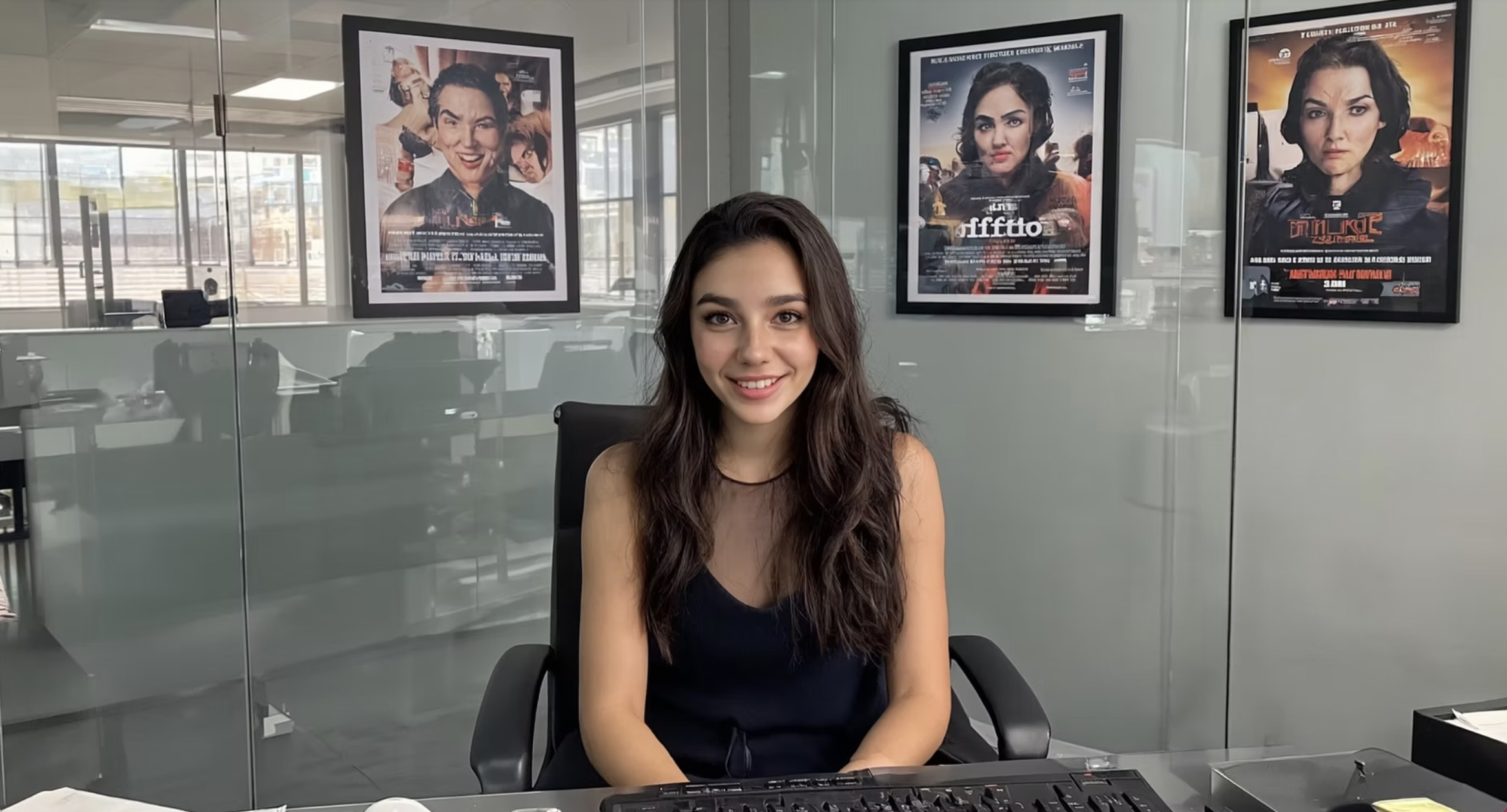
But a few months ago, around the tail end of September, Hollywood and international news were alight with accounts of a certain “actress” named Tilly Norwood.
The reason? Tilly Norwood is the first artificial intelligence (AI) actress.
And if that’s not enough to raise concerns, it is imperative to mention that she was trained on performances by real human actors without their knowledge or permission.
Tilly Norwood is a female AI “actress” under the digital studio Xicoia and the brainchild of former Dutch actor Eline van der Velden.
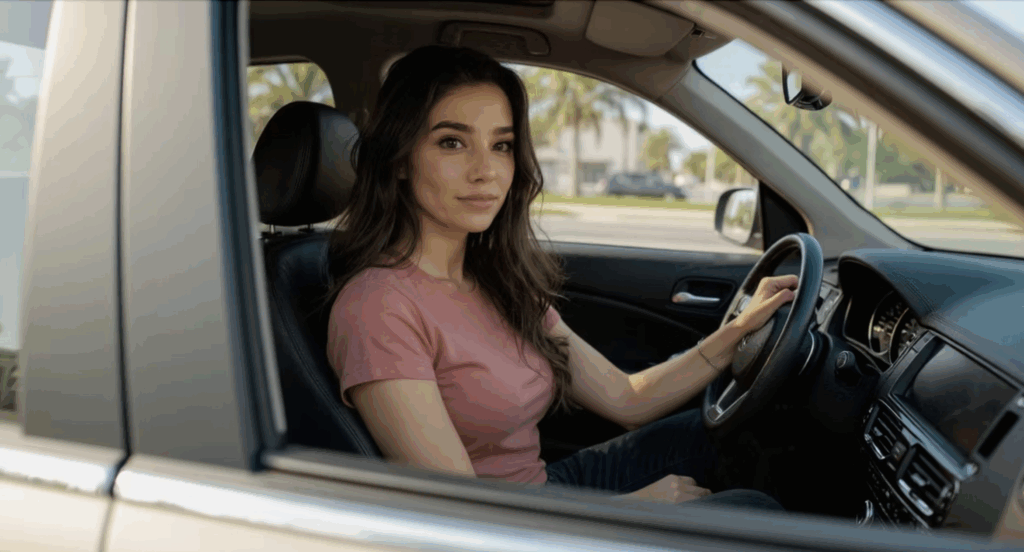
The realistic appearance of Tilly Norwood threatens its potential use as replacement for actors
OUTRAGE FROM ACTORS
People were expectedly alarmed by Norwood’s debut into the scene, most especially actors who, not so long ago, went on a strike against production companies that wanted to regularize the use of AI in the industry.
Movie stars and indie actors alike were outraged by her introduction to the acting scene. Even the union group SAG-AFTRA (Screen Actors Guild–American Federation of Television and Radio Artists) condemned her existence.
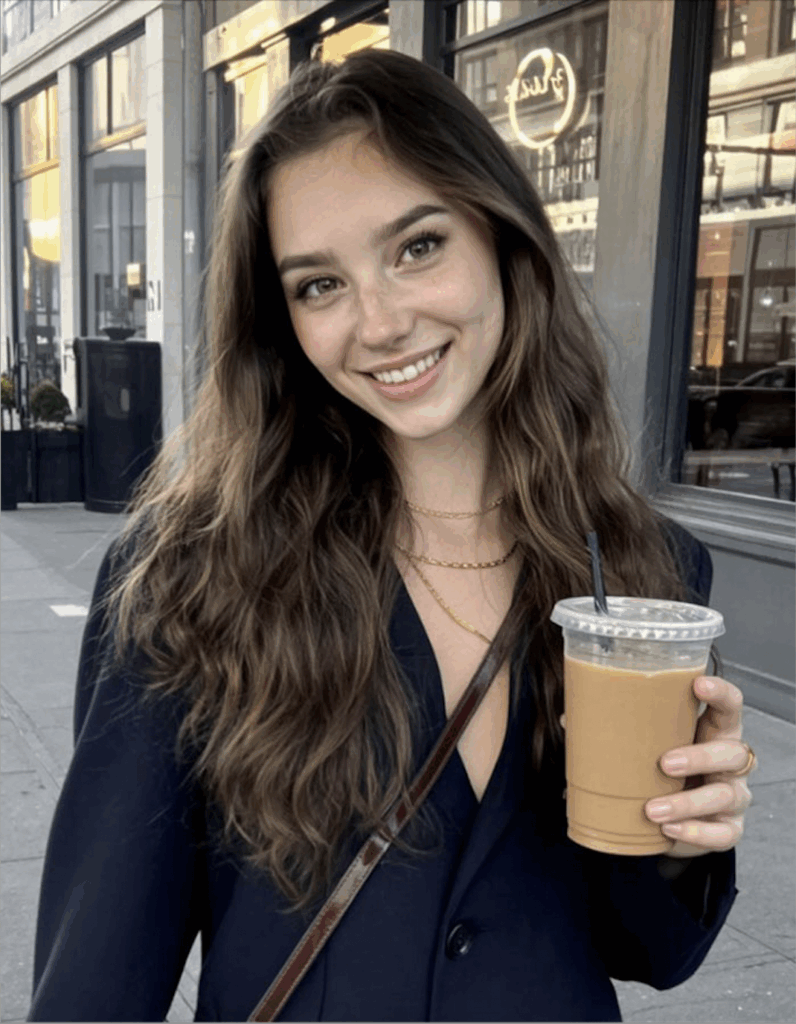
SAG-AFTRA outright refused to see Norwood as an actor. They wrote in a statement on September 30: “It’s a character generated by a computer program that was trained on the work of countless professional performers, without permission or compensation.”
The union continued, “It doesn’t solve any “problem”—it creates the problem of using stolen performances to put actors out of work, jeopardizing performer livelihoods and devaluing human artistry.”
Nonetheless, Norwood’s existence is not unanimously chastised. The debate around AI had always been divisive from the start. There are those who opposed it, but there are those who welcomed its breakthrough.
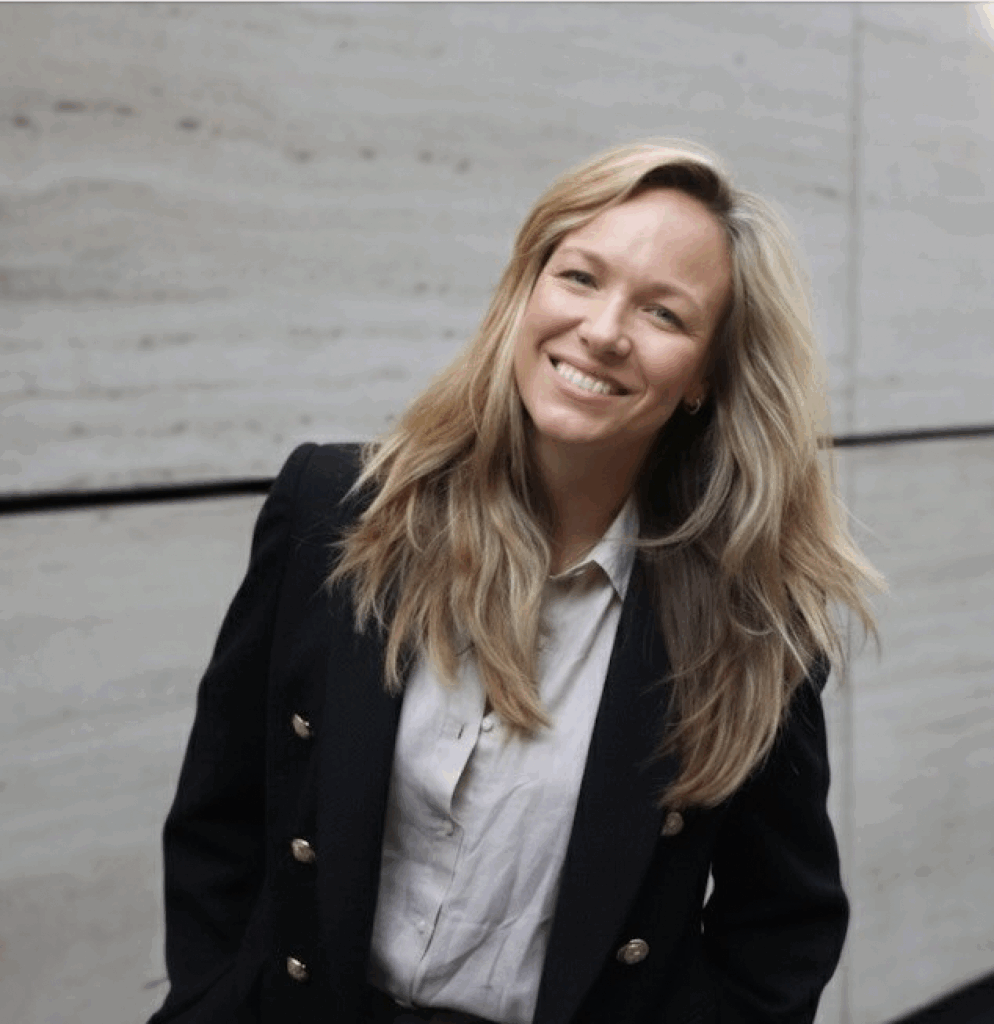
Van der Velden, who is also the founder and CEO of an AI media firm called Particle6—the company behind the creation of Tilly Norwood—claimed that Norwood is nothing more than a tool.
— Screen Actors Guild–American Federation of Television and Radio Artists (SAG-AFTRA) on AI actor Tilly Norwood
“It’s a character generated by a computer program that was trained on the work of countless professional performers, without permission or compensation.”
In a Forbes article by Josh Brandon, Van der Velden was quoted saying: “AI is a tool, operated by humans—and we have souls… I think it’s fair to say that AI as a technology doesn’t have a soul as such, but the best of its creative outputs certainly could have something akin to a soul.”
Whether or not AI has a soul is a long debate on its own. Though it does leave one with an odd impression that part of mankind might either be tired of being human, or does not bother to embrace the exceptionality of being one anymore.
— founder and CEO of AI media firm Particle6, the company behind the creation of Tilly Norwood
“AI is a tool, operated by humans—and we have souls… I think it’s fair to say that AI as a technology doesn’t have a soul as such, but the best of its creative outputs certainly could have something akin to a soul.”
A scene from the acclaimed 1993 film Jurassic Park, directed by Steven Spielberg, illustrates this point during a conversation between chaos theorist Dr. Ian Malcolm (played by Jeff Goldblum) and John Hammond (portrayed by Richard Attenborough), the owner of Jurassic Park.
“I don’t think you’re giving us our due credit. Our scientists have done things which nobody’s ever done before,” said Hammond.
Goldblum’s character responded: “Your scientists were so preoccupied with whether or not they could, they didn’t stop to think if they should.”
ETHICAL DEBATE
Much has been discussed regarding AI’s threat to human creativity in recent years since the AI boom. Hundreds of articles have criticized its existence, arguing it is an insult to true artists, while others have attempted to view it more positively.
Debates about the ethics of AI are recurring, like how, in the case of Norwood, actors’ performances were used to train it without permission, and the result is the creation of a potential replacement for the actors it stole from.
Other conversations circled around how it is a symptom of corporate greed and the desire for total optimization and reduction of costs. Having the means to endlessly generate something rather than hiring a person to do it is no doubt a real cost saver.
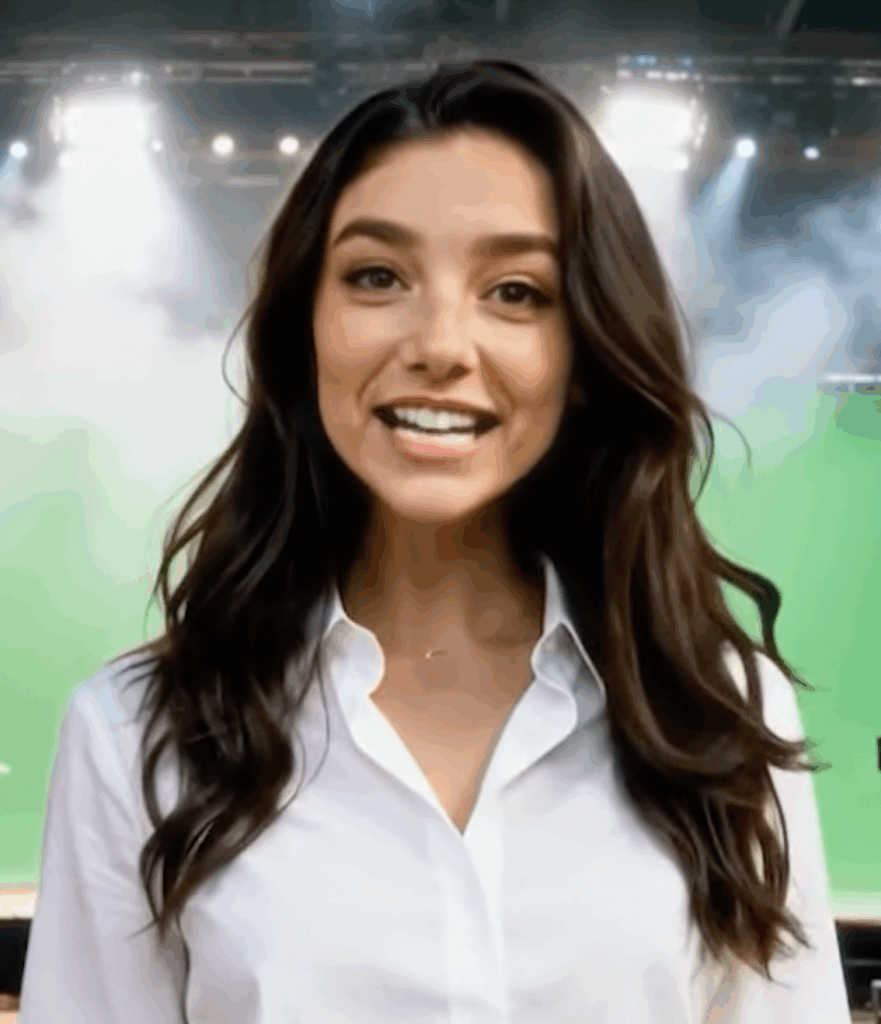
Norwood may not be the first computer-generated model, but she is arguably the most convincing. It is not a significant leap to suggest her potential as a replacement for real actors.
As noted journalist Josh Brandon wrote in Forbes: “an AI actor like Tilly Norwood or a musical artist like Breaking Rust are presented as human alternatives.”
Some people, meanwhile, discussed its impact on the environment, and how much of the world’s natural resources, such as water, are being spent every second just to keep the AI infrastructure up and running.
FUTURE OF FILM
One asks: What would the future of movies be like? Will there be a portion of the movie industry solely dedicated to inauthentic materials?
Films and the human component are supposed to be inseparable. James Cameron’ 3D epic Avatar film series, Hayao Miyazaki’s 2001 animation Spirited Away, Wes Anderson’s 2009 stop motion classic Fantastic Mr. Fox, or John Lasseter’s 1996 computer-generated imagery (CGI) film Toy Story—these films, despite their approach to filmmaking, had nonetheless employed actual actors.
They used real actors for the motion capture or for the voice acting. Animated drawings retained their creators’ humanity for the sole reason that actual human effort and skill were used to bring each frame to life.
Save for the fact that Tilly Norwood was modeled after a person, trained from real actors, and programmed by real people, not a speck of Norwood could be considered truly human.
Some view that calling an AI actor a “tool” is merely a public relations slant. If AI could think and it ends up thinking for people (or more pessimistically, without the need for real people), how is that in any way a tool?
It’s marketing—no more, no less—made to coax the problems it poses. Because what kind of artistic tool slowly turns the human being obsolete from its own field? Tools are supposed to be an extension of expression, not a replacement.
Tilly Norwood is a Pandora’s Box, because if we could make one like it—something that had never been achieved before—what will stop mankind from attempting to achieve even more?
Those who had seen AI actress Tilly Norwood on film or video reported of an ‘uncanny valley’ effect—that negative impression one feels when encountering something that seems “almost” human.
For thousands of years, the film industry has hired actors. And as far as anyone is concerned, human beings didn’t suddenly lose the capability to act. The only time real actors will become impossible to hire is when there isn’t one anymore—the exact road AI could be leading to.
Is the AI boom perhaps a potential evidence that we are slowly detaching from our own soul?
Because if AI has no soul and we humans do, then why put up the role of an artist—which requires embracing one’s soul and the affirmation of one’s authentic experience—to an artificial intelligence?