

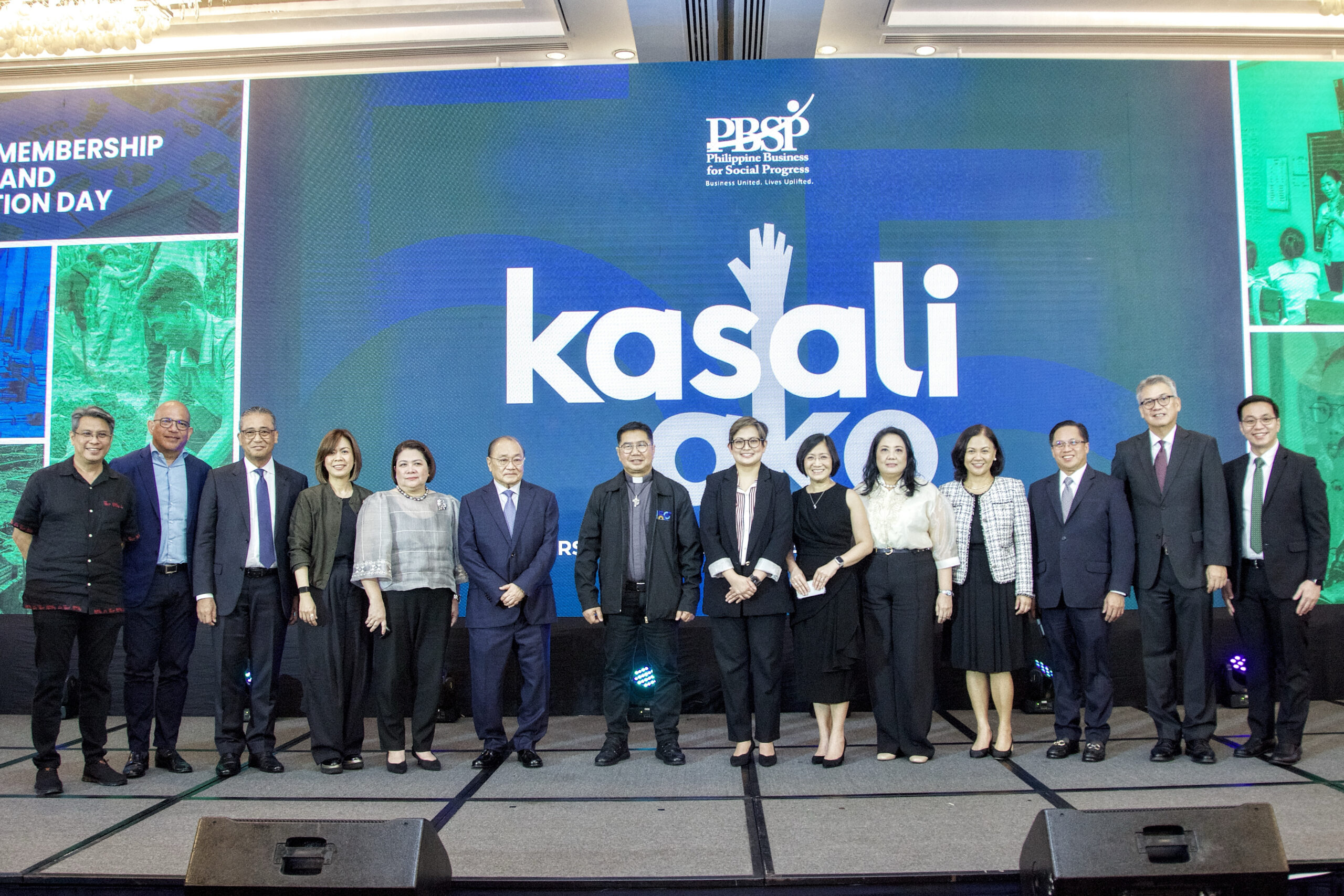
via Graphic Plus — Philippine Business for Social Progress (PBSP), the country’s largest business-led NGO for social development, reaffirmed its commitment to inclusive and sustainable nation-building as it celebrated its 55th Annual Membership Meeting and Foundation Day on January 27, 2026, at The Peninsula Manila in Makati City.
Private sector leaders representing PBSP’s network of over 260 member companies and individuals gathered under the theme “Kasali Ako: 55 Years of Business United, Lives Uplifted,” a call to collective action amid an increasingly complex social, economic, and climate landscape.
Programs for Social Progress
In fiscal year 2025, the organization delivered a broad portfolio of programs across health, education, environment, livelihood, social inclusion, and disaster resilience, translating private sector and international development resources into measurable outcomes for communities nationwide.
In health, the PBSP ACCESS TB Project continues to work towards a tuberculosis-free Philippines, in partnership with the Department of Health (DOH) and The Global Fund. From October 2024 to September 2025, 555,916 cases of tuberculosis were notified, while 453,070 out of 520,447 individuals were successfully treated.
Through its NextGen Initiatives, scalable, ready-to-deploy corporate social responsibility (CSR) solutions were implemented to address foundational development needs. The Masustansyang Pagbubuntis, Masiglang Kamusmusan (MaMa) Program supported 234 mothers on maternal and child nutrition during the crucial first 1,000 days of the child’s life, while the Literacy Enrichment Training and Reading Assistance (LETRA) Program strengthened early-grade literacy nationwide, with 99% of participating learners showing improved reading proficiency.
Efforts in environmental sustainability included supporting 30 obliged enterprises in diverting over 2,600 metric tons of plastic waste under the Extended Producer Responsibility (EPR) Act, alongside circular economy initiatives using upcycled materials.
In disaster resilience, relief assistance reached 3,246 families across 13 localities affected by climate-related emergencies, while strengthening preparedness through responder training, community equipment, and business continuity planning.
Meanwhile, PBSP supported livelihood and workforce development through member-led programs such as Virtualahan, Near Hire Training, Nanays in IT, and Beauty for a Better Life, expanding employment opportunities for women, persons with disabilities, solo parents, returning OFWs, and other underserved groups.
Taken together, these efforts reflect a strategic focus on scalable impact, strong partnerships, and data-driven implementation, enabling businesses to engage meaningfully in nation-building while maximizing both resources and results.
Leadership, Values, and Shared Responsibility
PBSP Chairman Manny V. Pangilinan emphasized that collective action among diverse stakeholders is critical for achieving long-term economic growth and social progress, especially given the ongoing challenges that every Filipino faces on a daily basis.
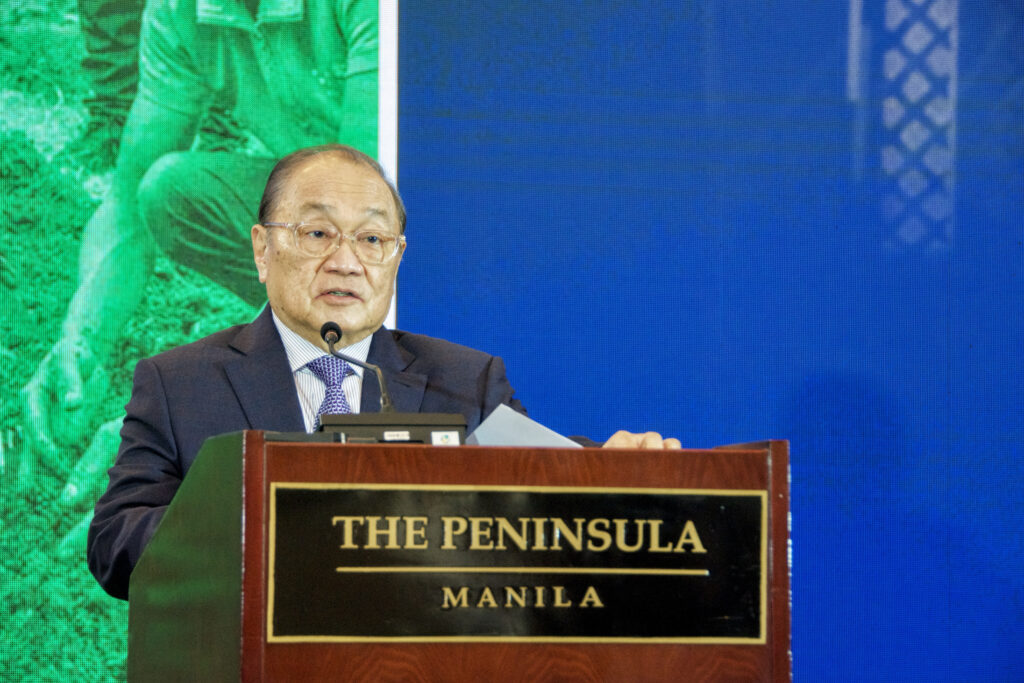
“Kasali Ako is our commitment to a future where every Filipino can thrive. Our programs in health, education, livelihood, and climate action continue to significantly change the lives of the communities they reach. By collaborating with our partners through aligned and research-based interventions, we are amplifying our collective impact and strengthening the nation we serve,” Pangilinan said.
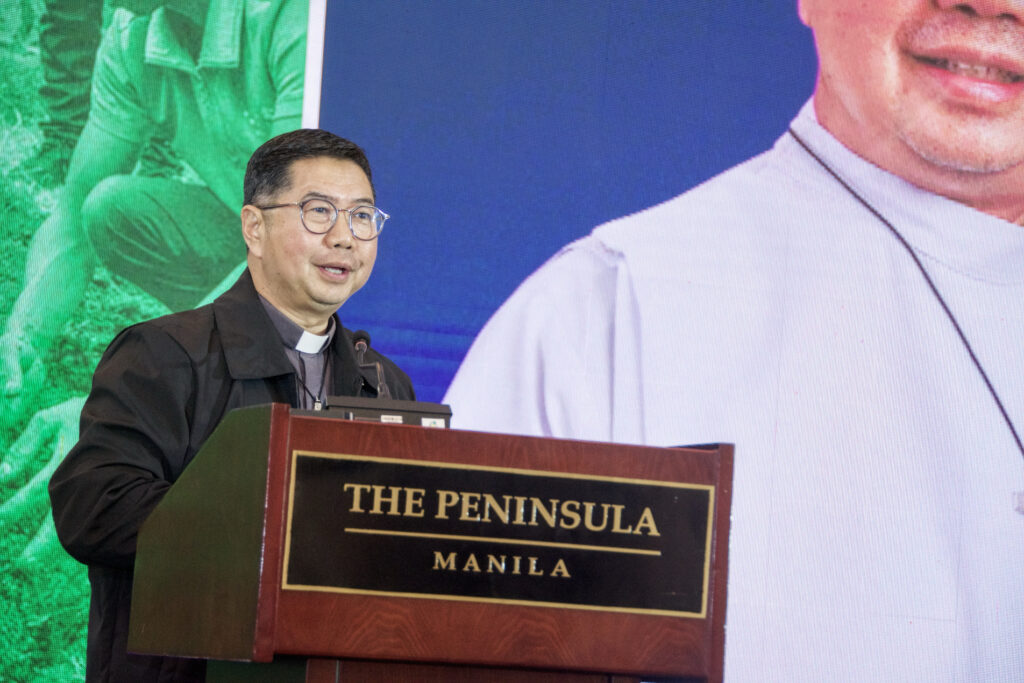
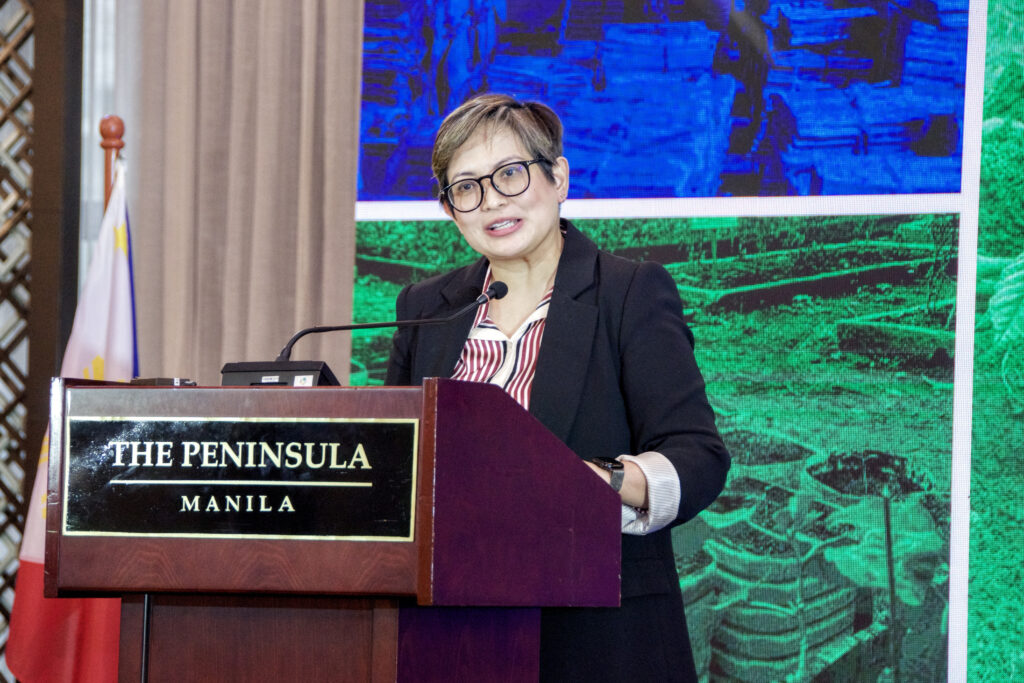
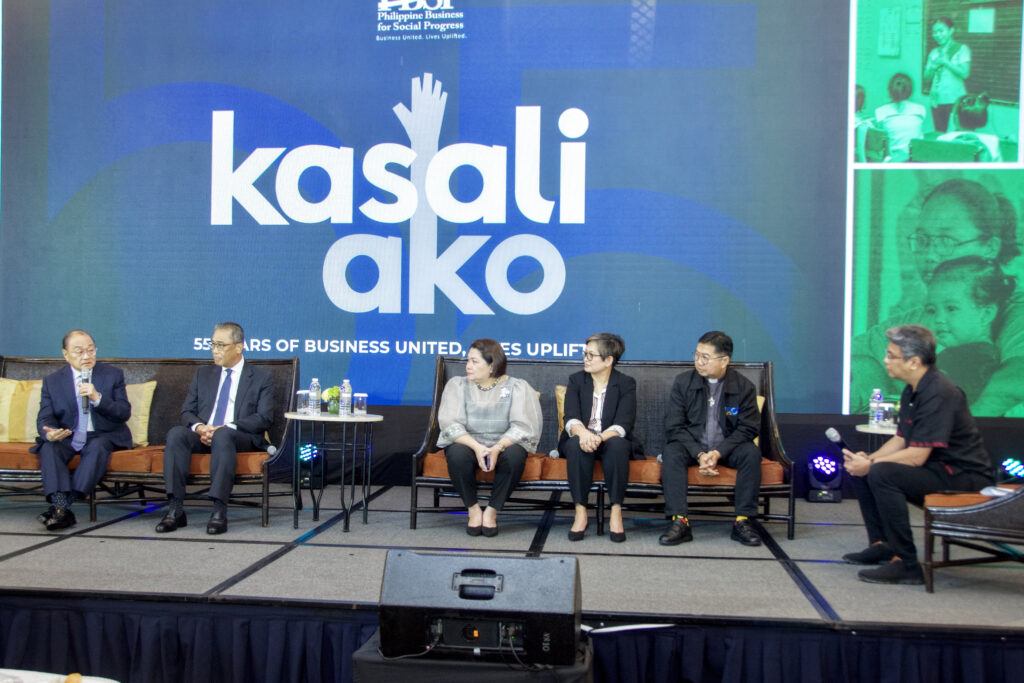
To further enrich the dialogue, the event featured two keynote speakers: Ramon Magsaysay Awardee Fr. Flaviano Villanueva, SVD, and The Outstanding Women in the Nation’s Service (TOWNS) Awardee Dr. Cielo Magno.
Villanueva challenged participants in his address on the role of radical compassion in corporate leadership. “Here is the uncomfortable truth: a society that does not allow second chances eventually runs out of first chances. When people are locked out permanently, they do not disappear. They surface elsewhere—in instability, resentment, lost productivity, and broken trust,” he said.
Meanwhile, Magno underscored the importance of trust in multi-sector collaboration. She emphasized that poverty is shaped by interconnected factors such as education systems, labor markets, health access, environmental risks, gender inequality, and governance failures — issues no single actor can address alone. “When responsibility is fragmented, failure becomes easy to hide. When no one owns the whole problem, no one is fully accountable for results. Shared responsibility changes this logic. It requires shared problem definition, shared indicators of success, shared learning from failure, and shared accountability for outcomes,” Magno noted.
The discussion continued in a panel moderated by PLDT, Inc. Vice President for Communications Roby Alampay, which drew on the insights of business sector leaders Pangilinan, PBSP Vice Chair Manolito Tayag, PBSP Treasurer Rossana Fajardo, alongside the two keynote speakers.
PBSP Vice Chair Manolito Tayag highlighted the need to extend the definition of inclusion to business, especially in nation-building. “CSR should not be seen as charity but as corporate strategy,” Tayag said.
Pangilinan also underscored the importance of moral values in business, noting that ethical foundations are key to long-term sustainability. “Are moral values important in business? Absolutely. When you adopt sound moral values, there is greater assurance that the business you build will endure,” he said.
Magno expounded on how there are barriers imposed against individuals and the private sector that limit growth, especially when it comes to government pressures. She highlighted how partnerships between civil societies, NGOs, and communities have the power to make discussions more objective and transparent.
Fajardo built on Magno’s point on how key stakeholders can ensure proper stewardship. “I go back to one of the values taught to us (SyCip Gorres Velayo & Co) SGV-ians by Mr. Sycip: It’s building relationships based on doing what is right,” she added while connecting lessons from her former role in the Independent Commission for Infrastructure (ICI).
The panel concluded with a hopeful note from Villanueva, who was asked if civil society still has influence over public policy. “I still believe in goodwill. I still believe that people would like to regain what was lost…. This is something not only the Church would want to gain back, but every single Filipino na may kalinisan ng kaisipan, we would want to regain that back,” he answered.
New Members Join the Mission to Uplift Lives
PBSP also welcomed new members into its growing network, including Evergreen Labs, EXL, FUJIFILM Business Innovation Philippines, LSG Industrial & Office Products Inc., Mitsubishi Motors Philippines Corporation, Sentinel, and Teradyne Philippines Limited, further strengthening the organization’s collective capacity for social impact.
“For more than half a century, PBSP has stood as the largest network of businesses working together to amplify social impact nationwide. Whether you’re a big corporation or a small business, PBSP believes that our shared mission has the power to transform the life of every Filipino.”, Executive Director Elvin Ivan Uy said.


, the country’s largest business-led NGO for social development, reaffirmed its commitment to inclusive and sustainable nation-building as it celebrated its 55th Annual Membership Meeting and Foundation Day on January 27, 2026, at The Peninsula Manila in Makati City.)