

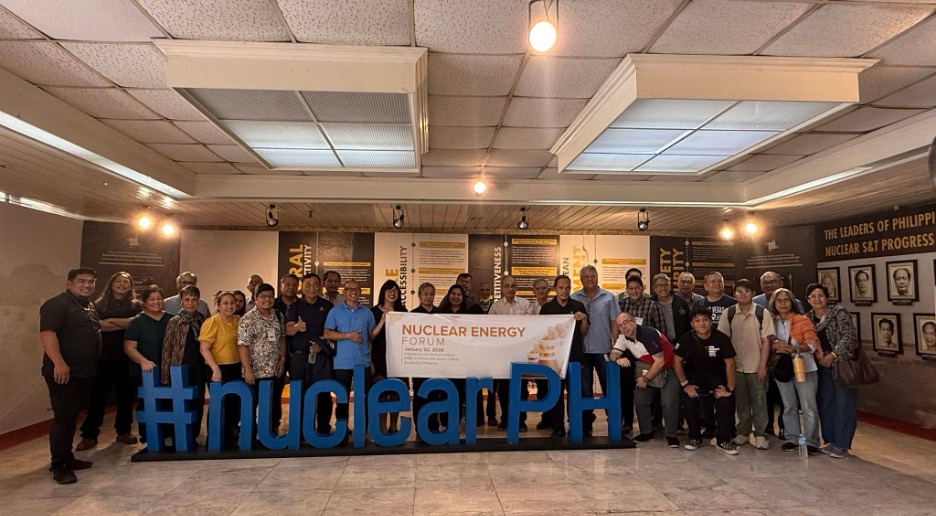
VIA GRAPHIC PLUS | Quezon City (February 10, 2026) — Alpas Pinas, a non-stock, non-profit organization dedicated to promoting nuclear energy as a clean and sustainable source of power, together with Kuryente.org and Partners for Affordable and Reliable Energy (PARE), convened environmental and consumer groups for a Nuclear Energy Forum at the Philippine Nuclear Research Institute (PNRI), opening a timely discussion on nuclear power as the Philippines confronts an intensifying electricity crisis marked by high costs, fuel insecurity, and growing demand.
The forum served as a platform for informed dialogue on nuclear energy, covering its fundamentals, safety, regulatory framework, and potential role in the country’s energy mix, particularly among environmental organizations already engaged in debates on renewable energy and climate action.
The discussion was led by Pangasinan 2nd District Representative Mark Cojuangco, a staunch advocate of nuclear energy and principal author of the Philippine Atomic Energy Regulatory Authority (PhilAtom) Bill, and PNRI Director Dr. Carlo Arcilla, who anchored the conversation in policy, science, and real-world energy realities. Their presentations were followed by reactions from sector representatives and an open question-and-answer session that allowed participants to raise concerns and challenge long-held assumptions about nuclear power.
“This forum is about creating a space where difficult but necessary conversations can happen. As consumers, we want electricity that is affordable, secure, and sustainable. Every energy source has issues and that’s why we need a balanced energy mix grounded in facts, not fear,” said Bas Umali, National Coordinator of Kuryente.org.
Moreover, PARE Chief Advocate Officer Nick Satur Jr. shared that forums like this give environmentalists and consumer groups a chance to explore and learn about different energy sources.
“Being informed allows them to advocate for a solution that actually provides a cleaner and cheaper electricity,” said Satur.
Dr. Arcilla explained how nuclear energy works and why it differs fundamentally from fossil fuels and renewables. He addressed long-standing concerns on safety, waste management, and geology, particularly those surrounding the Bataan Nuclear Power Plant (BNPP).
“Nuclear energy has one of the smallest land footprints and longest lifespans among all energy sources, while producing no greenhouse gas emissions during operation. It is also the most studied and most regulated energy technology in the world, governed by strict international standards set by the International Atomic Energy Agency (IAEA),” Arcilla emphasized.
Dr. Arcilla also highlighted the role of PNRI and its Subcritical Assembly for Training, Education, and Research (SATER) reactor, underscoring that nuclear science is already being safely used and regulated in the Philippines, despite limited funding.
For Cojuangco’s discussion, he focused on the increasing prices of electricity. He stated that the conversation must go beyond kilowatt-hours and focus on how electricity costs affect Filipino households.
“The real issue is not just waste, safety, or the price of power, but how much of a family’s income goes to electricity. In the Philippines, households spend about 10 percent of their income on electricity. In countries with nuclear power, it’s closer to one or two percent. That difference matters,” said Cojuangco.
Cojuangco also emphasized nuclear energy’s high energy density, explaining that a small amount of uranium can generate the same energy as massive volumes of coal or gas, reducing dependence on imported fuel and exposure to global price volatility.
The forum’s open Q&A and panel reactions brought in perspectives from the frontlines of the power sector. APEC Partylist Representative and General Manager of the Dinagat Island Electric Cooperative Cong. Sergio Dagooc, together with Scientist I and Head of PNRI Dr. Angel Bautista VII, shared insights on both consumer experiences and the practical applications of nuclear research in the Philippines.
“We are already in an energy crisis,” Dagooc said. “High electricity costs hurt ordinary consumers, small businesses, and electric cooperatives that are trying to keep the lights on. That’s why it’s time to seriously and objectively consider all viable options, including nuclear, as part of the country’s energy mix.”
Dr. Bautista added that nuclear science is already being safely applied and regulated in the country, particularly through ongoing research at PNRI, which reinforces confidence in integrating nuclear energy into the country’s energy mix.
Organizers emphasized that the forum was designed to encourage open, informed, and respectful dialogue, particularly among environmental groups who play a critical role in shaping public discourse on energy and climate policy.
“The conversation has started, and that’s what matters,” said Gayle Certeza, Convenor of Alpas Pinas. “We believe that informed dialogue grounded in science, policy, and lived experience, is essential to building a reliable, affordable, and sustainable energy future for the Philippines.”
Certeza stressed that addressing climate change, energy security, and electricity affordability should not be framed as competing goals.
“We don’t have the luxury of choosing just one,” she said. “Filipinos deserve clean energy that is also affordable and dependable.”
Following the formal discussions and open exchange of views, participants were given the opportunity to tour the facilities of PNRI, including its research and training areas. The guided tour allowed attendees to see firsthand how nuclear science is applied, regulated, and safely managed in the country, helping ground the discussions in actual practice.
As the Philippines weighs its energy future amid rising demand, climate risks, and persistently high electricity costs, the Nuclear Energy Forum served as a reminder that addressing the electricity crisis will require open minds, credible institutions, and the courage to engage in complex conversations, starting with facts.