

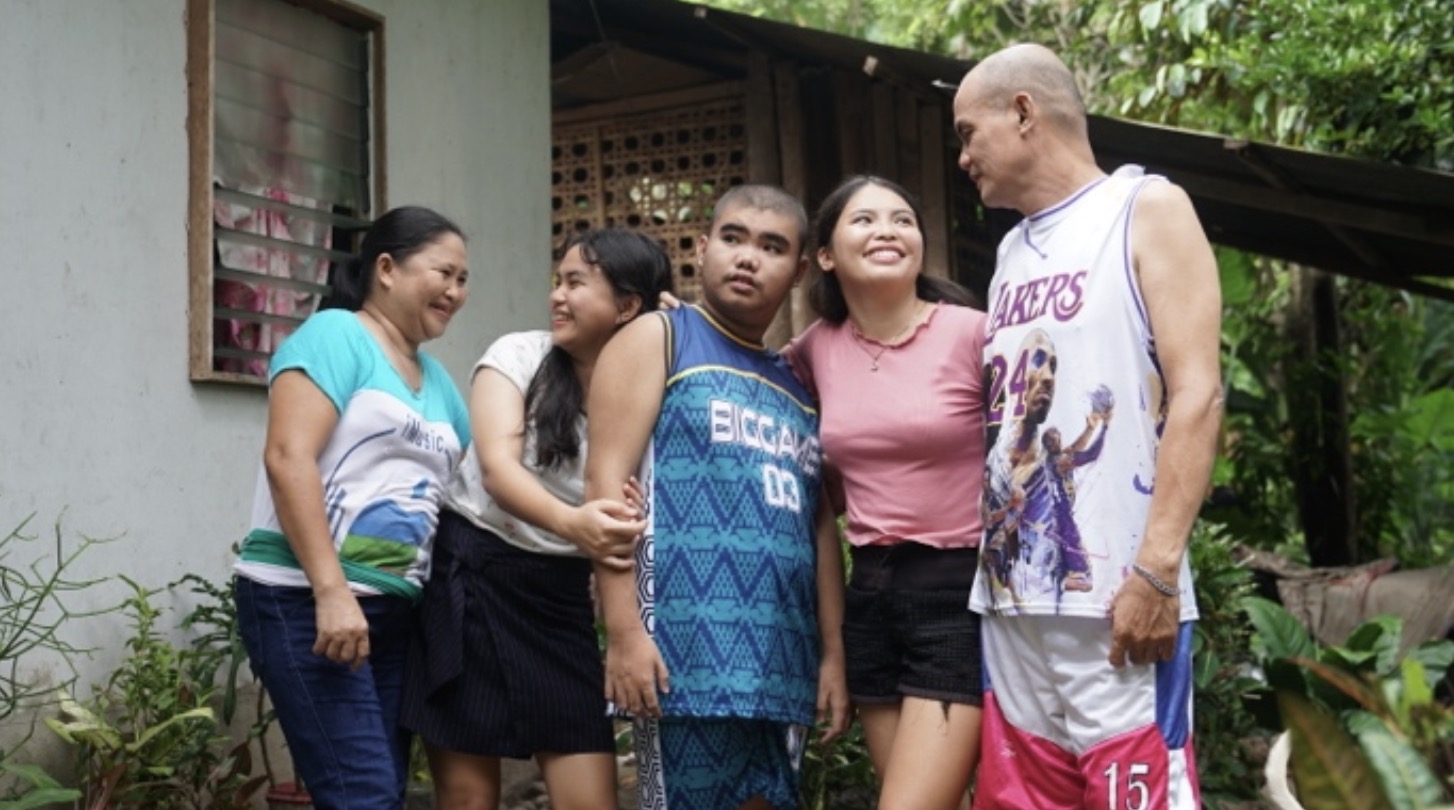
via Graphic Plus — Social good in the Philippines is entering a more demanding phase. Communities are asking deeper questions, not just about who is being helped, but whether programs create lasting change. In this environment, Corporate Social Responsibility (CSR) plays an important role, but it must evolve from short-term interventions into long-term systems that enable people to move forward on their own.
The future of social good lies in sustainability, credibility, and relevance, all shaped by how programs are designed, implemented, communicated, and sustained over time.
From relief to pathways out of poverty
One of the clearest lessons in social development is that poverty cannot be addressed through isolated support. It requires pathways.
Education has long been one of the most effective of these pathways. Scholarship programs, when designed for completion rather than access alone, can change the trajectory of an entire family. Supporting a student through graduation increases the likelihood that one member of the household can break the cycle of poverty and help lift others with them.
The impact becomes even stronger when education is linked to employment. Scholarships paired with job readiness and employment opportunities ensure that learning translates into livelihood, turning potential into productivity. This shift, from assistance to outcomes, reflects how social good efforts must move forward.

Strengthening livelihoods by connecting systems
Sustainable social good recognizes that economic inclusion depends on access, not just effort.
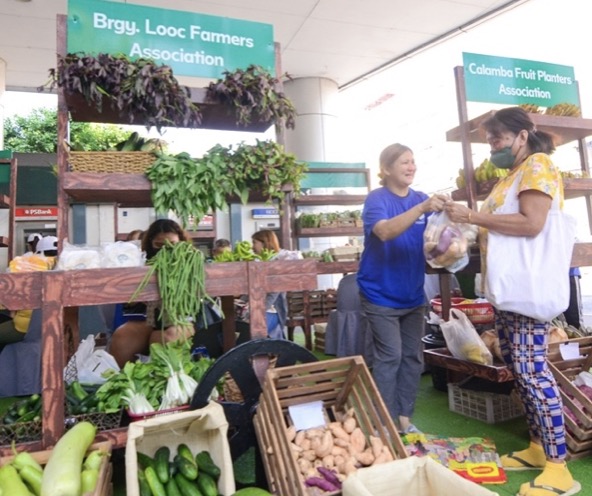
For farmers, productivity alone is not enough if they remain disconnected from markets. Programs that link farmers directly to buyers help stabilize income, reduce waste, and strengthen local economies. By connecting producers to markets, livelihood initiatives move beyond subsistence and toward sustainability.
Social good is most effective when it strengthens existing systems and fixes broken links, rather than creating parallel ones.
Health programs that last beyond rehabilitation
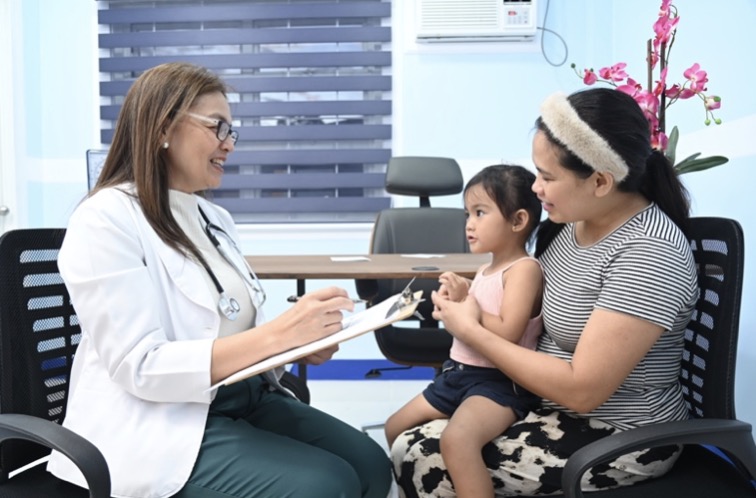
Healthcare initiatives often focus on infrastructure. While facilities matter, sustainability depends on whether services can continue long after rehabilitation.
Securing PhilHealth accreditation for rehabilitated health centers allows communities to access affordable healthcare on a continuing basis. It integrates these facilities into the national health system, enabling them to operate, fund services, and serve patients independently.
When health programs are embedded into public systems, they evolve from projects into institutions.
Building schools, enabling learning
School buildings are more than physical structures. They are signals of commitment to future generations.
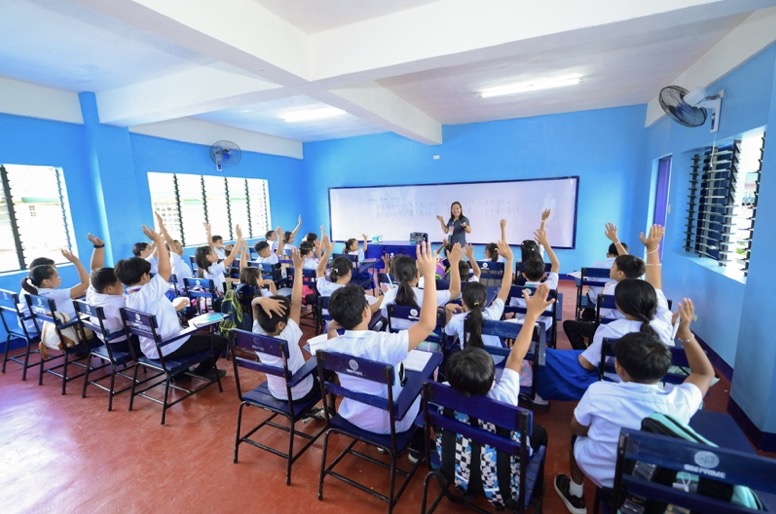
Providing adequate learning spaces addresses overcrowding, safety, and access, particularly in underserved communities. Their long-term value lies in how they support learning outcomes, strengthen teaching, and restore dignity to students.
When school infrastructure is planned in close coordination with education authorities, it becomes part of a broader learning ecosystem, not a standalone intervention.
Sustainability starts with shared responsibility
Social good endures when communities are active partners, not passive beneficiaries.
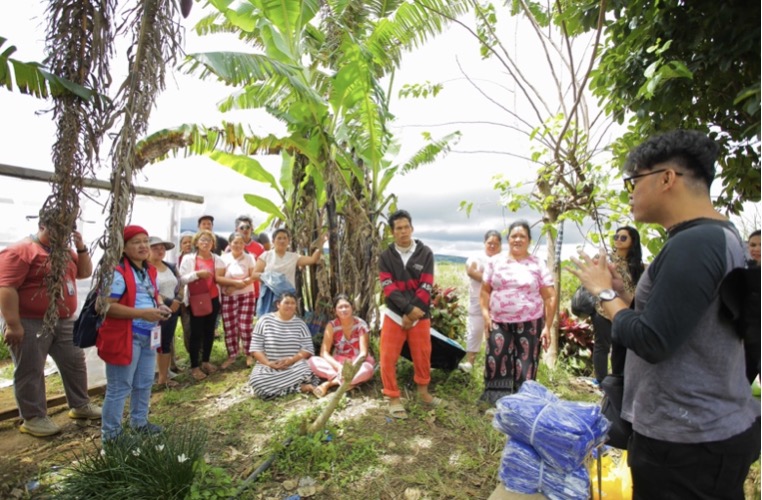
Community consultation ensures initiatives respond to real needs and builds trust from the outset. Engaging parents of scholars creates shared responsibility for student success, reinforcing the idea that education is a collective investment. Partnerships with government agencies align programs with national priorities and ensure continuity beyond organizational timelines.
For school building initiatives, close coordination with education stakeholders helps ensure facilities are used, maintained, and supported for years to come.
The role of communications in advancing social good
As social good efforts scale, communication becomes just as important as implementation.
Social media, in particular, has transformed how social good is shared and experienced. It allows stories to travel faster, reach wider audiences, and invite participation. When used responsibly, it does more than amplify impact. It builds community.
Sharing stories of scholars, farmers, health workers, patients, and communities gives beneficiaries a voice and recognizes their dignity. It allows partners to see the outcomes of collaboration and encourages others to join the cause. Social good becomes relatable, participatory, and human.
Importantly, spreading social good can be engaging and even joyful. When people see progress, resilience, and hope, they want to be part of it. Purpose resonates more deeply when it is shared with authenticity and optimism.
CSR as a pillar of nation-building
The private sector has the ability to think long-term, operate at scale, and invest in systems. When these strengths are applied to social development, corporate social responsibility becomes a meaningful contributor to social good and nation-building.
The future of social good in the Philippines will favor programs that are disciplined, collaborative, and designed for longevity. It will reward organizations that prioritize outcomes over optics and partnerships over ownership.
As social challenges continue to evolve, so must the way we pursue social good, not by doing more, but by doing better. With purpose, consistency, shared responsibility, and the power of communication, social good can continue to grow in ways that are lasting, credible, and inclusive. —Debbie Sy, executive director of SM Foundation.