

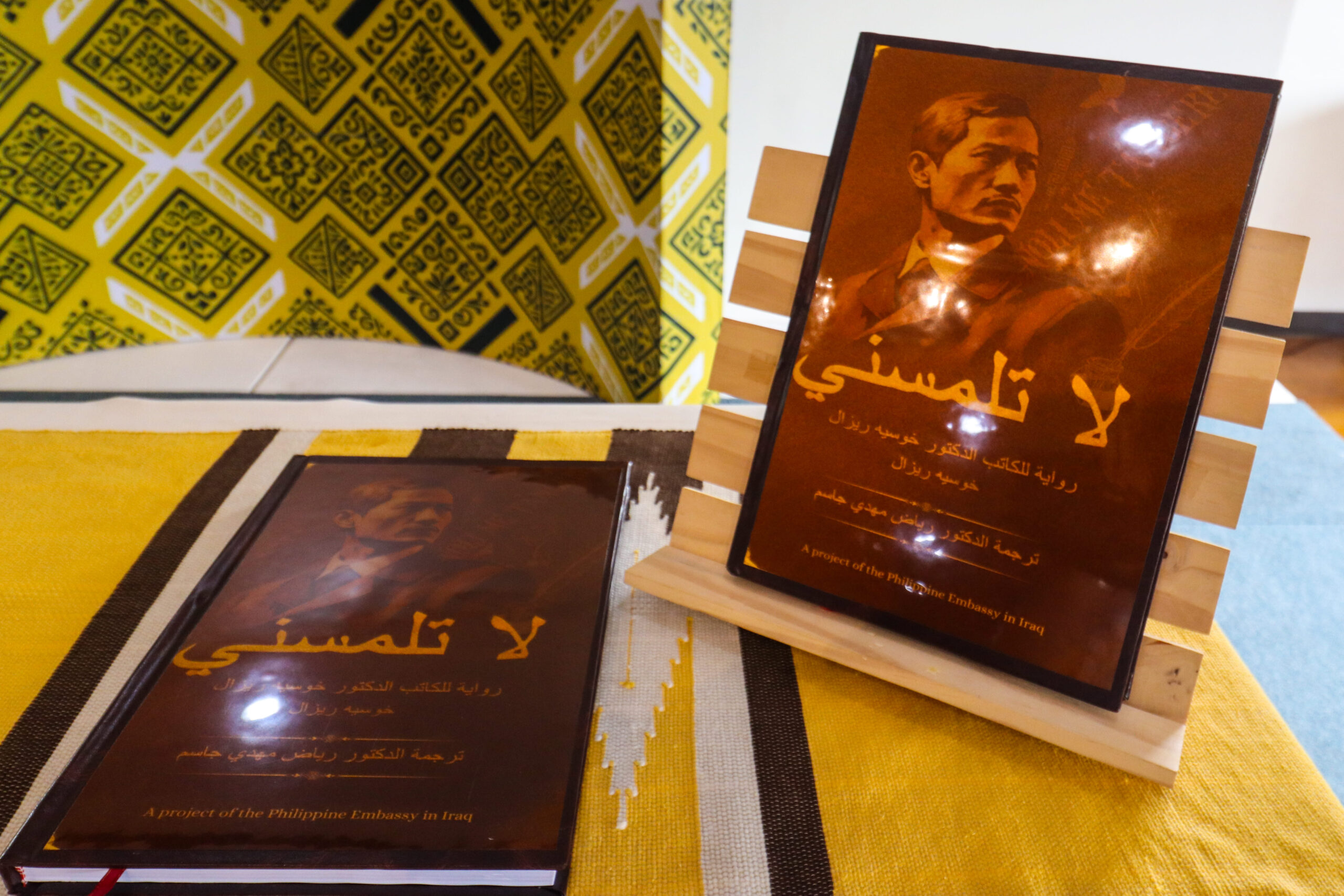
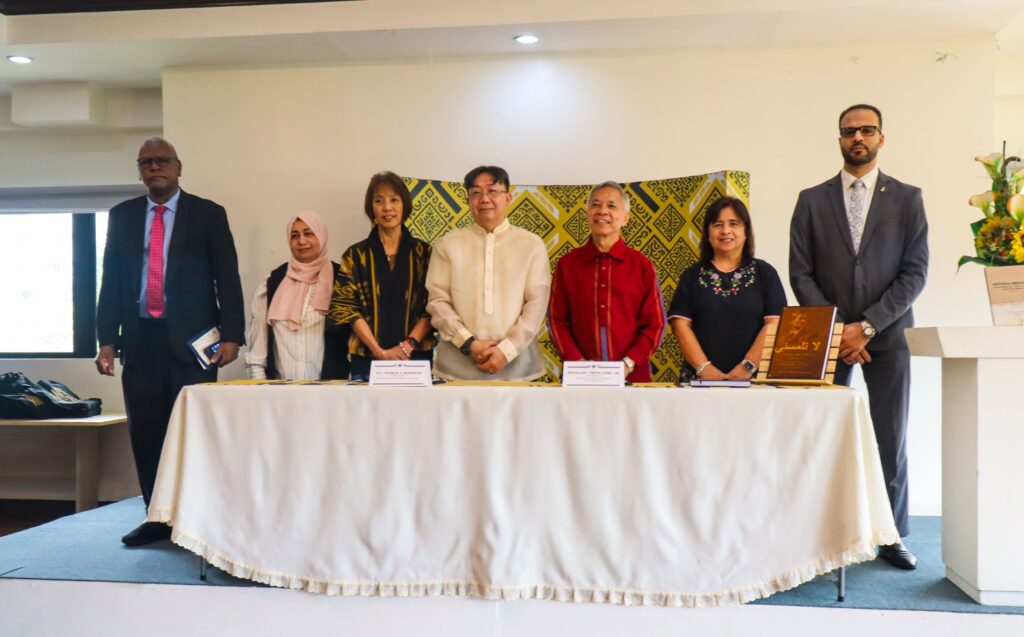
The National Commission for Culture and the Arts (NCCA) reaffirmed its support for expanding access to Philippine historical literature and research as it joined the National Historical Commission of the Philippines (NHCP) and the Philippine Embassy in Baghdad in signing a memorandum of agreement for the Noli Me Tangere Modern Standard Arabic Translation Project.
The agreement was signed on February 9 at the NHCP Building along T.M. Kalaw Avenue in Ermita, Manila, in partnership with the Philippine Embassy in Baghdad and the Department of Foreign Affairs–Office of Cultural Diplomacy.
The project seeks to make Dr. José Rizal’s classic 1887 novel accessible to Arabic-speaking audiences. Originally written in Spanish, Noli Me Tangere is widely regarded as a foundational work of Philippine literature and nationalism, portraying the social injustices experienced by Filipinos during the Spanish colonial period.
In his welcome remarks, NHCP Chairman Regalado Trota Jose Jr. highlighted the importance of the initiative. “This (Arabic-translated) edition of Noli Me Tangere is intended for readers from Arabic-speaking nations, some of which are represented here today … although a work of fiction, Rizal’s novel powerfully captures the Philippines’ aspirations for equality and freedom during the Spanish colonial era.”
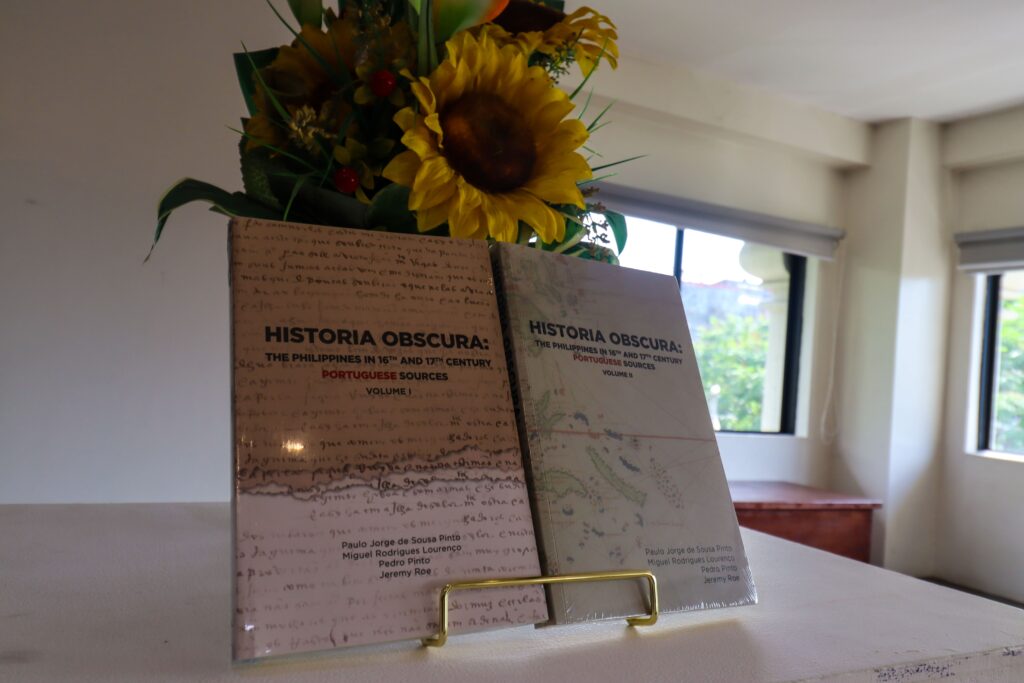
Following the signing ceremony, the NHCP also launched Historia Obscura: The Philippines in the 16th and 17th Century in Portuguese Sources, Volumes 1 and 2. The two-volume publication, authored and edited by Paulo Jorge de Sousa Pinto, Miguel Rodrigues Lourenço, Pedro Pinto, and Jeremy Roe, compiles Portuguese archival documents that shed light on lesser-known aspects of early Philippine history.
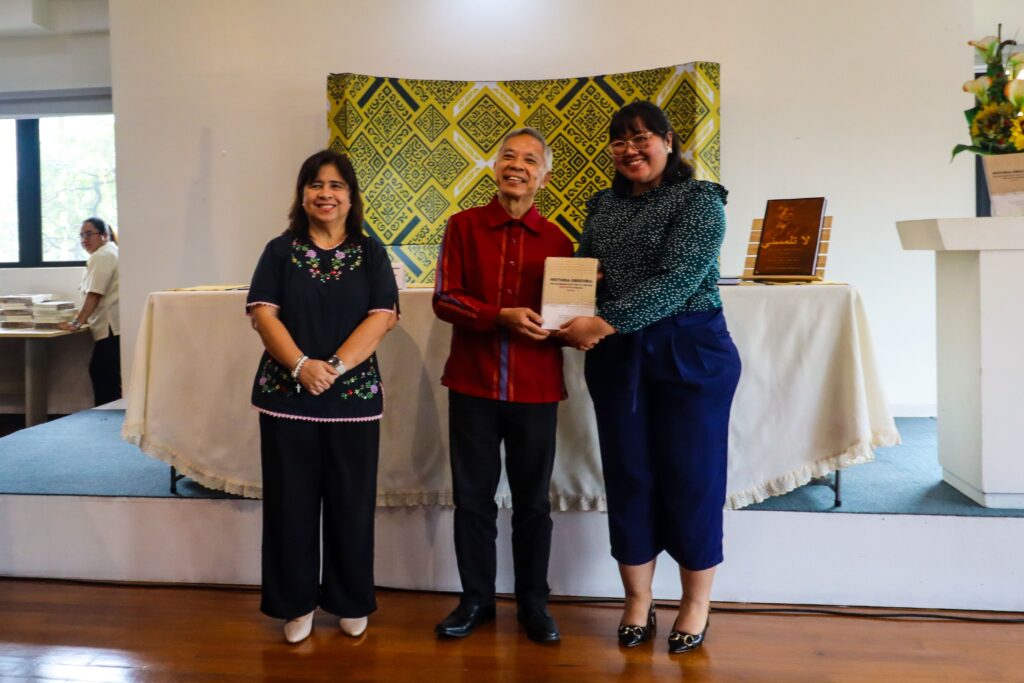
Jose noted that the project makes valuable historical materials more accessible to scholars, researchers, and students.
“We also celebrate the completion of the two-volume book project Historia Obscura, which contains 16th- and 17th-century Portuguese documents about the Philippines. Through this project, these important historical records are made available to the public, particularly to our scholars and students of history,” he added.
Both initiatives form part of broader commemorative efforts leading to the 2030 Year of Philippine Muslim History and Heritage and the Dekada ng Kasaysayan 2026: Year of Philippine Diplomatic History and Diaspora. These programs aim to strengthen historical awareness, promote cultural exchange, and deepen international engagement.
The event was attended by representatives from Libya, the Kingdom of Saudi Arabia, Portugal, and Qatar. Also present were officials from major academic institutions and libraries, including the National Library of the Philippines, University of the Philippines Diliman, University of Santo Tomas, Far Eastern University, and the public libraries of Quezon City and Manila.
Copies of Historia Obscura were distributed to participating institutions.