

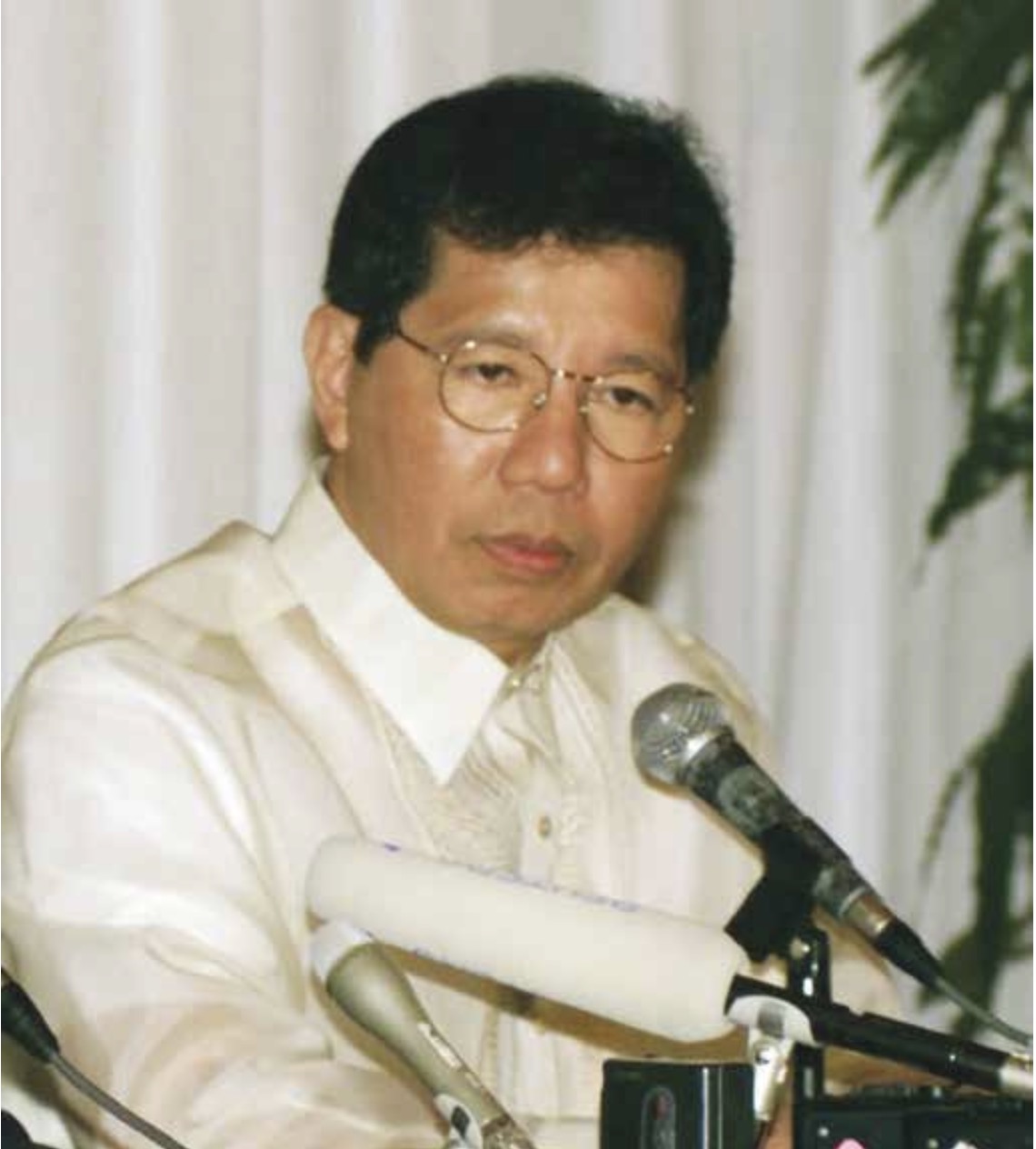

BY HIS own admission, the young Orlando “Orly” Mercado was “a dyed-in-the-wool, left-wing activist,” having organized his first labor union shortly after beginning his broadcast journalism career.
Born on April 26, 1946, he was only 20 years old when he started a union at the Republic
Broadcasting System, the precursor of GMA 7. The union he established subsequently declared a strike.
“The network is very important in my life, largely because of the fact that I started
broadcasting there. But it was not [yet known as] GMA then—it was Republic Broadcasting System or RBS. The owners and majority stockholders were Mrs. Loreto Stewart—wife of “Uncle Bob” or Robert Stewart, and others. That was important for me, because I was a working student during that time and I started there.”
Mercado recalled: “I organized the first labor union. I was a dyed-in-the-wool Marxist-Leni-nist leftist. During that time, I was a charter member of the Kabataang Makabayan, I became one of the members of its executive committee, and that was the reason I was charged with subversion later on, during Martial Law. We organized (the Kabataang Makabayan) in 1963. During that time, I became enamored with political theory as a political science student. Although my Masters was in Mass Communication, but my PhD is Political Science.”
The Kabataang Makabayan (“KM, translated as “Patriotic Youth”) remains today as an underground communist youth organization, functioning as a training ground for youth revolutionaries.
(Officially founded on November 30, 1964 by the late Jose Maria “Joma” Sison at the YMCA Youth Forum Hall in Manila, the KM’s first set of Executive Committee members included Nilo Tayag, Satur Ocampo, Ernesto Macahiya, Carlos del Rosario, Leoncio Co, Ibarra Tubianosa, Arthur “Art” Pangilinan, and Mercado.
Those were heady times in the Philippines, when the youngest and brightest sons and daughters of the republic were caught in the maelstrom that history would dub as the “First Quarter Storm” of the 1970s.
But the staging point would occur eight years before, when a then-23-year-old graduate student and teacher at the University of the Philippines (UP) in Diliman named Jose Maria
Sison joined the Partido Komunista ng Pilipinas (PKP), upon the invitation of PKP Secretary-General, Dr. Jesus Lava.
Politics and political alliances became the lifeblood of the PKP. Even during that time, the PKP had endorsed the presidency of Diosdado Macapagal, then later shifted to endorse the candidacy of Macapagal’s then rival, Ferdinand E. Marcos.
When Sison bolted out of the old PKP in 1968, he built a bigger communist organization, renaming it the Communist Party of the Philippines (CPP)—an English translation of the Partido Komunista ng Pilipinas.
Now leading the new CPP, Sison organized the New People’s Army (NPA) as its military wing. The KM stood as the party’s youth arm, later serving as one of the founding organizations of the National Democratic Front of the Philippines in 1973.
Upon the declaration of Martial Law in 1972, the KM was banned by the Philippine government.)
I organized the first labor union. That time, I was a charter member of the Kabataang Makabayan, I became part of its executive committee. That was the reason I was charged with subversion during Martial Law.
Orly Mercado
PRO-AMERICAN
Yet, by his own admission too, the young Mercado was not always “left-leaning.” At the age of 15, he became the first public school student who represented the country in the 1961 New York Mirror Youth Forum in New York, USA.
At that time, he already showed an acumen for study, having graduated as valedictorian at Celedonio Salvador Elementary School and finished with honors at the Manuel A. Roxas High School in Manila. Both schools were a stone’s throw away from their childhood home on Fabie Street in Paco, Manila.
“Nagpunta ako sa America. Maganda yung kumperensya namin. Iyong issue, military bases din, nuclear energy. Mga bata, nagde-debate kami sa Youth Forum [I went to the United States. It was a good conference. The issues touched on military bases and nuclear energy. We debated with boys our age during the Youth Forum,]” Mercado said.
He remembered he was “Pro-American na pro-American ako before I went to UP.”
The second child in a family of five, Mercado said they grew up financially challenged. His father, Guillermo P. Mercado from Dagami, Leyte supported his family on a public-school teacher’s salary.
“And while we did not have a television, we had a makeshift radio built by my father,” he narrated
At night, his father and mother, Adriana Sanchez, would come to sit with him and his siblings to listen to the Voice of America. They listened to jazz, too, and enjoyed good music.
Mercado said that they were the only boys in their neighborhood who could enunciate perfect English. He and his brothers would find themselves being taunted by their playmates. “O, nandito na yung mga German! [Here are the Germans!]”
“A brawl would erupt,” Mercado recalled. “That’s how I learned to stand up for my rights.”
His father worked as an electrician at the Clark Air Force Base in Pampanga. They had a steady supply of American magazines like Life, Newsweek, and Time, as well as novels that the Air Force officers were done with. Mercado read them all. They had no television, so they read. He learned correct intonation by listening to the radio.
THE TURNING
At 20, Mercado said it wasn’t clear to him what he wanted out of life. “Hindi pa maliwanag [It wasn’t clear yet] during that time. I took up Political Science because it was interesting to me, [especially the] dynamics. But the solution to society’s problems were not very visible. And there was so much distrust against the present system, which was so unequal.”
He added: “I’m a 100% product of the public-school system: elementary, high school and all my degrees are [from] UP, so Iskolar ng Bayan ako. Because I came from a poor family, I had to struggle against abuse of authority, since those who control the economy, also control political power. I knew from the beginning—when I first ran for elective posts during my elementary and high-school years. In college, I ran for elective posts at the height of activism.”
Politics was attractive to Mercado, who began his college year as a working student in order to finance his studies. “My first job was as a laborer at the City Engineer’s Office in Manila. I paved roads and were paid P4.66 a day in the mid-60s. At that time, the price of rice stood at P2 per ganta.”
Later, when the Engineer’s Office took cognizance of the fact that he was a UP student, they promoted Mercado to timekeeper.
“We were five boys. And the salary of a public school teacher during that time was very low. The only job I could get was as a laborer. So, I was happy. I used to appear on stage plays. I was irrepressible. I was already a working student who still found the time to appear in stage plays. But I felt it honed my skills in communication.”
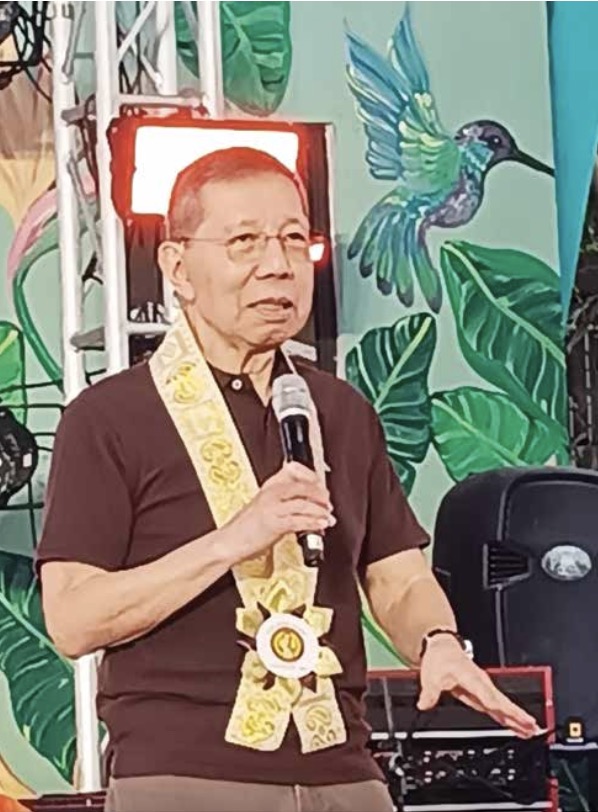
It was the late director Lino Brocka who advised him to become a disc jockey. “Naalala ko si Lino Brocka noong araw [I remember Lino]. We were together in several plays. He was my director. He told me: ‘Why are you working as a laborer? Transfer to UP Diliman. Take the off hours so you can be a disc jockey.’ And that was what I did.”
Mercado was still a leftist after landing that job. That’s when his sympathy for the workers in RBS’ radio station led him to form a workers’ group: “When they approached me to air their grievances on the lack of a sick leave or a vacation leave, I helped them organize a labor union.
Mercado shared that when the management did not give in to their demands, they went on strike.
As such, the firebrand disc jockey was fired from RBS. In 1968, he transferred to a rival station.
“When I got to ABS-CBN, there was no openings for a DJ. I was employed as a reporter. The night shift fitted me perfectly. I was tasked to take charge of radio and television news reporters,” he said.
The instruction was clear: Cover the crimes and happenings that occurred from 9 p.m. to 6 a.m.
“I enjoyed myself. I had time to study. At the precinct, Ramon Tulfo—the eldest of the Tulfo brothers—would often kid me: ‘The genius is studying again.’ I always carried books with me. I lacked sleep, working until the wee hours of the morning. I told my professors that I did not ask for any special treatment. I just wanted them to know that I work at night to the wee morning hours. So, if I sleep in class, it’s not because I am not interested. I would prefer to recite early in class, at the beginning of the period. They were kind to me.”
For Mercado, radio reporting was learning through practice: “I was not a Mass Communication student. I learned the practice in the process. I had to write. I had edit. And we were using 16-milimeter film. My limit was 100 feet only. Within that limited feet, I had to finish a story. They’d give me about two minutes. We learned photography. I learned how to write for radio, television, and learned the basics of editing.”
CHANGING PERSPECTIVE
In 1970, Mercado married Dorothy Jane Douglas, daughter of Retired Air Force Colonel Andrew Villegas.
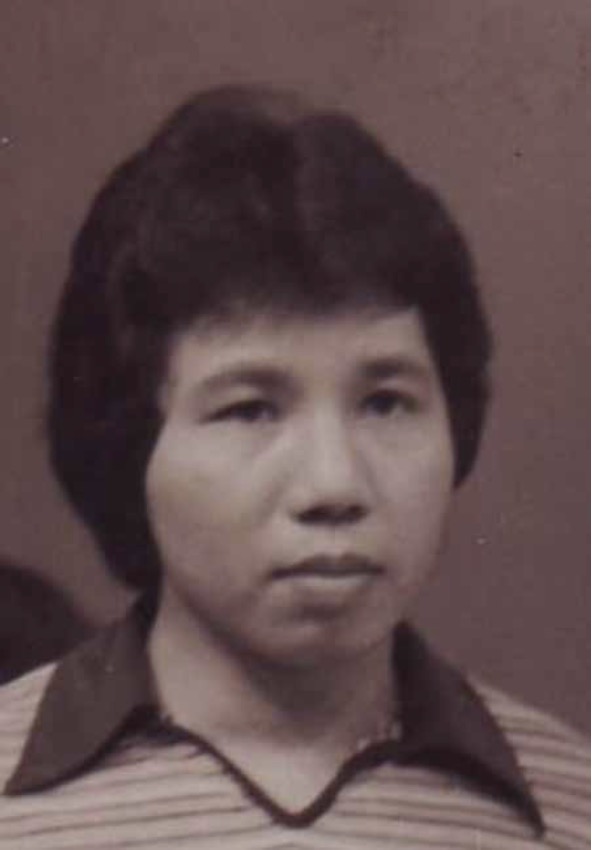
He said his first wife used to volunteer at Vinzon’s Hall. “Nung mga panahon nay un, feeling ko noon, gwapo ako. [In those days, I felt that I was handsome.],” he said with a smile.
Detention, marriage, and the birth of a son made Mercado consider the military’s offer of amnesty. “We already had a son. [That changed my] perspective.”
Mercado asked about the conditions for amnesty. He was told: “Swear allegiance to the Constitution.”
“Oh, there was no problem with that,” he said.
Release from detention saw Mercado return to the media via GMA 7 and to the academe as an instructor of communication subjects in various schools: UP, Maryknoll College (now Miriam University), and Ateneo de Manila University.
Still, Mercado’s choice of a quieter, seemingly contemplative life did not stop the military from keeping tabs on him.
He remembered a conversation he had with Mel Mathay, who was then vice governor of Metro Manila (Imelda Marcos was the governor).
“Mel called me up: ‘Orly, please come to my office. I [have a message to say in person, and I cannot say it] over the phone.”
When Mercado arrived, Mathay said: “So, you teach in UP? It’s good I was able to intercept this. It was already on its way to Mrs. Marcos’ table. You were being quoted for your ‘Imelda jokes.’”
Then Mathay warned: “Orly, don’t make jokes. Don’t criticize the First Family. All she (First Lady) has to do is call Bibit Duavit, and you are off. Wala ka ng trabaho. Wag mo na dagdagan ang problema mo [You won’t have a job. Don’t add to your problems.]”
Mercado admitted that his long years in the media and his encounters with other personalities taught him to explore different pathways to prove the correctness of a political theory.
“There are countries that are socialist in their politics but capitalist in economy. These are countries like Denmark, Norway, and Sweden. The activists of my time, we were following a People’s Democratic Revolution. It’s a peasant revolution, a war of attrition. It’s only a question of who controls the means of production,” he said
Mercado cautioned: “The concept of dictatorship of the proletariat—dictatorship of the workers and the peasants. Later on, I began to realize, they begin to become the elite. You are faced with the same problem, the same abuses. And it’s worse because it’s a closed society.”
“You cannot be right all the time. The first thing that you have to have, is an overriding desire to make changes. For me, activism is something that you do not turn on and turn off. It’s what your life is all about. If you’re thinking about public service, you begin to realize that there are many ways you can perform public service. This is one of them—direct assistance. Educate the people about health, etc.”
“If the system is like ours, it’s noisy; it’s irritating, revolting sometimes when they are stealing billions, but at the same time, there is a mechanism in the organization for correction.”
He likewise elaborated: “If you are consistent in your belief of fighting for the disadvantaged, it doesn’t matter whether you are a senator, an ambassador or a secretary. It doesn’t matter. Titles are just descriptions of the work you do. The thing to ask is this: did you take advantage of it personally, to benefit you, or are you doing it in the service of the people?”
“In the end, when I came to the point that I was going to be a politician, I told myself, I have only two choices: [One is for] history is to be kind to me. When history is written about what we did during our time, those who had political power, invariably, have the chance to make money, using political power, to have economic power.”
“So, I told myself, I choose history. There is no difficulty in making choices. I do not envy those who made money. I made my choice.”
The union of Mercado with Dorothy bore three children. She died of cancer in 1989. He then met and married his second wife, prominent public health expert Dr. Susan Pineda, in the late 1990s.
ROAD TO PHILANTHROPY
When Martial Law was declared in 1972, media entities changed ownerships. ABS-CBN was shut down. Only the pro-government ones remained in operation.
For the first five years, from 6 p.m. to 7 p.m., TV channels and radio stations from Aparri to Jolo, broadcast only one show: Pulong-pulong sa Kaunlaran [Meeting for Progress].
The one-hour flagship program of the Marcos administration focused on presidential policies, programs, goals, and the promotion of the Bagong Lipunan [New Society]—the sociopolitical vision and reform program as crafted by Marcos Sr.
“Pulong-Pulong… was a program broadcast at the same time in the entire country at 6 in the evening. So, they thought: walang ligtas ang tao dito. At least, kahit anong istasyon ang pihitin mo, isang mensahe lang ang maririnig mo [People would not be able to escape it. No matter what station you listened to, the message will be the same],” Mercado remembered.
In 1975, he recalled that the government ran a survey on audience viewership and listenership of the said program. And they found that their viewership and listenership was so small, compared to those airing before 6 and after.
Government was appalled that there was no viewership and listenership. Filipinos were turning off their televisions and radios. So, what did they do?
“They still maintained control over the networks, and that primetime slot. But [that] time,” Mercado said, “the private networks will be allowed to produce their own shows, provi-
ding public service and public affairs.”
GMA 7 decided to try something different. Instead of having a talk show, they would talk about health. Medical specialists would be interviewed to get the message out about public health and how to prevent diseases.
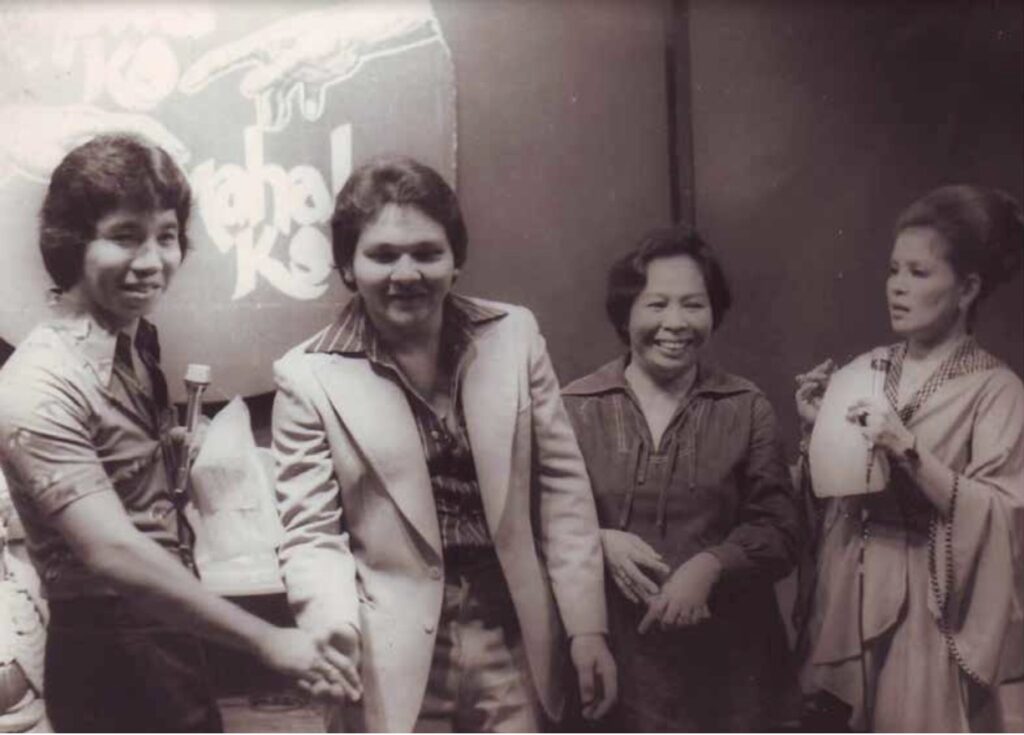
On December 1, 1975, GMA7 launched Kapwa Ko, Mahal Ko (My Brother’s Keeper), with its first set of hosts: Orly Mercado, Rosa Rosal, and renowned nephrologist Dr. Andrew Talusan. In 1983, Connie Angeles shared hosting duties.
It quickly became the top-rating public servce program in the Philippines. It is now the longest-running of its kind in the Philippines.
Conceptualized by GMA 7 big boss Felipe Gozon, the program opens to the plaintive strains composed Rudy Angus, with lyrics written by the late Eddie Ilarde:
“Kapwa ko
Tanggapin mo ang palad ko
Sa karimlan ma’y puno ng pag-ibig ko
Di ka na mag-iisa, ako’y naririto
Dadamay sa iyo
Pagmamahal sa Diyos ang tulong ko
O, Kapwa ko, mahal ko.”
Its iconic logo of two arms reaching toward each other is inspired by Michaelangelo’s The Creation of Adam.
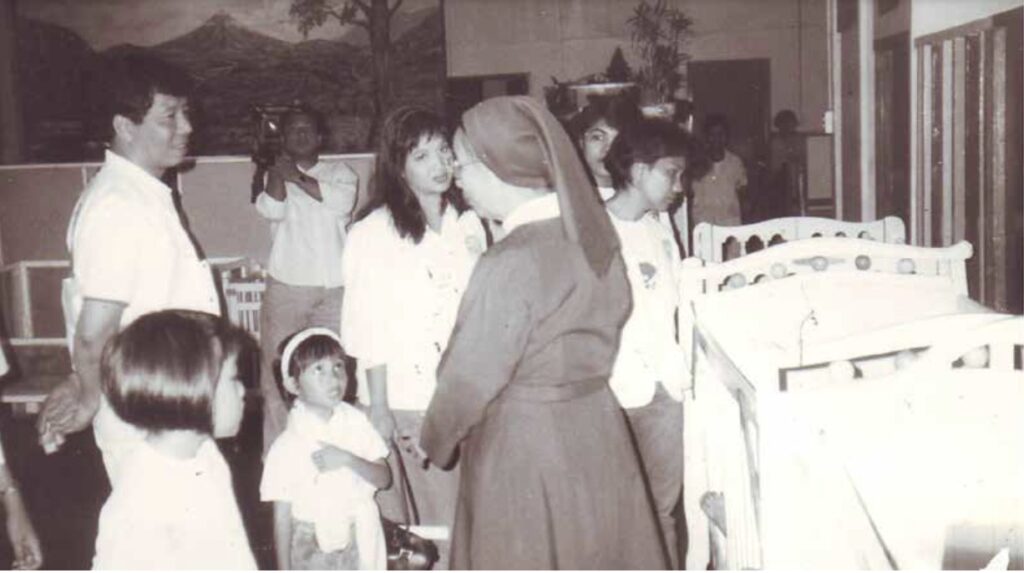
“We would have patients that we can help. We call them illustrative cases. And these illustrative cases, we will share with our viewers their personal experience. At the same time, we provide an opportunity for us to raise funds so that their needs will be addressed. Mostly, these people, cannot go to the private sector. They can only go to our radio station. GMA 7 was filled with patients. The long line of people needing help formed a beeline around the station. We had a clinic on the air,” Mercado said.
He narrated that for many years, there was even a clinic off the air. What people watched was only a small portion of the number of patients we had. With the 6-7 timeslot exclusively devoted to public service programs, it soon became the number one rating program under its category.
Mercado shared that his friends would joke about the sad plight of Filipinos presented every day by Kapwa Ko, Mahal Ko. He countered: “You cannot separate the health problem from the poverty crisis.”
He said that things came to a head the following year. In 1976, the Annual Meeting of the Boards of Governors of the International Monetary Fund (IMF) and the World Bank Group was to be held in Manila.
“The First Lady was taking the lead in covering the squatter colonies in sawali,” Mercado said. “New hotels were put up. But Malacañang was aghast by the fact that what the government tried so hard to cover was being shown on live television—the many poor folk who are crying and needing money for their operation.”
“We were closed,” Mercado said. “But only for a while.”
Mercado and Rosal went to Malacañang together with network executives Menardo Jimenez, Gilberto Duavit and Felipe Gozon. “We appealed for the program to be returned.”
“They promised they would but only if we got some things done. I told them, ‘you know me; you know my background. I’m with the ‘left.’ I’ve been arrested. As to Rose, in fairness to her, she’s a very good actress. You will really cry over her stories. I said to myself, ‘Delikado, baka hindi tayo magtagal nito. Hindi nga [this is dangerous; we might not last (as a show). and we did not.]”
Mercado said that their last card was with the president.
“He said: ‘Orly, bahala na kayo. Wag nyo na masyadong i-air yung [don’t project too much] the poverty issue. Sabi ko, [I said] ‘Ay, no, no, no, we’re not going to. During that time, I was no longer active with the ‘left.’”
“There are other ways to help. But for me, it was a sublimation of my ideological inclination. Activism pa rin, pero sa ibang paraan [it is still activism], but under a different approach.”
POLITICS & PHILANTHROPY
Mercado continued his involvement with Kapwa Ko, Mahal Ko throughout his political career, including his tenure as an assemblyman, then later as a senator.
With a record broadcast duration, Mercado continued hosting Kapwa Ko, Mahal Ko—from the time he won as Quezon City assemblyman from 1984 to 1986, then toward his years as legislator and member of the cabinet as defense secretary.
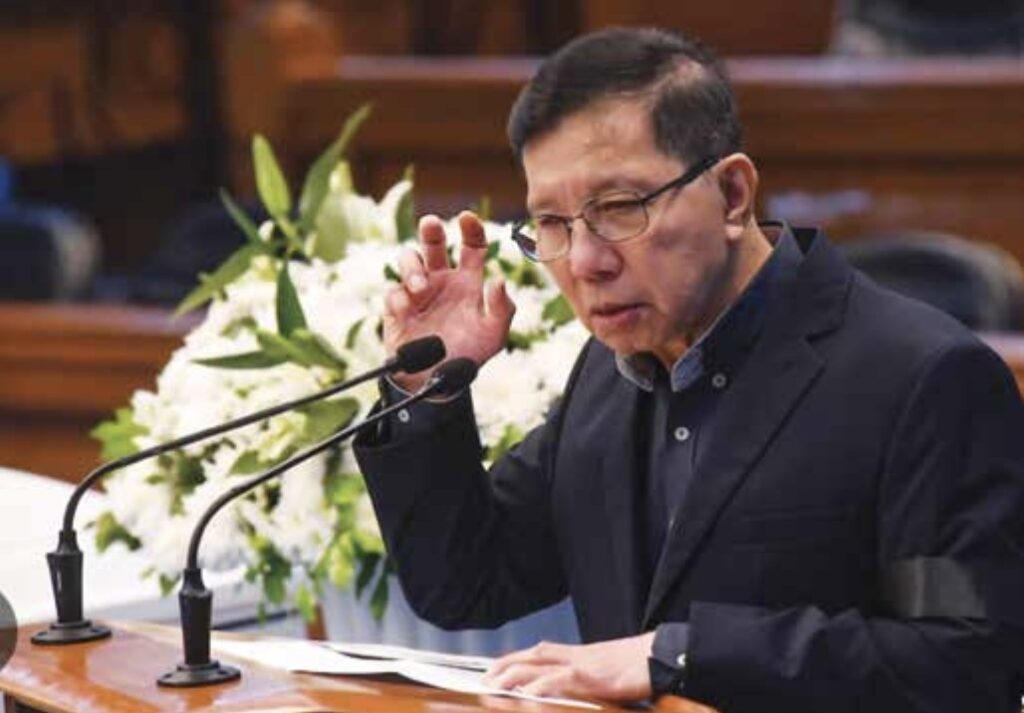
Throughout his later terms as a senator (1987–1998) and his time as chief of national defense (1998–2001), he remained the program’s primary figure and the president of the Kapwa Ko, Mahal Ko Foundation.
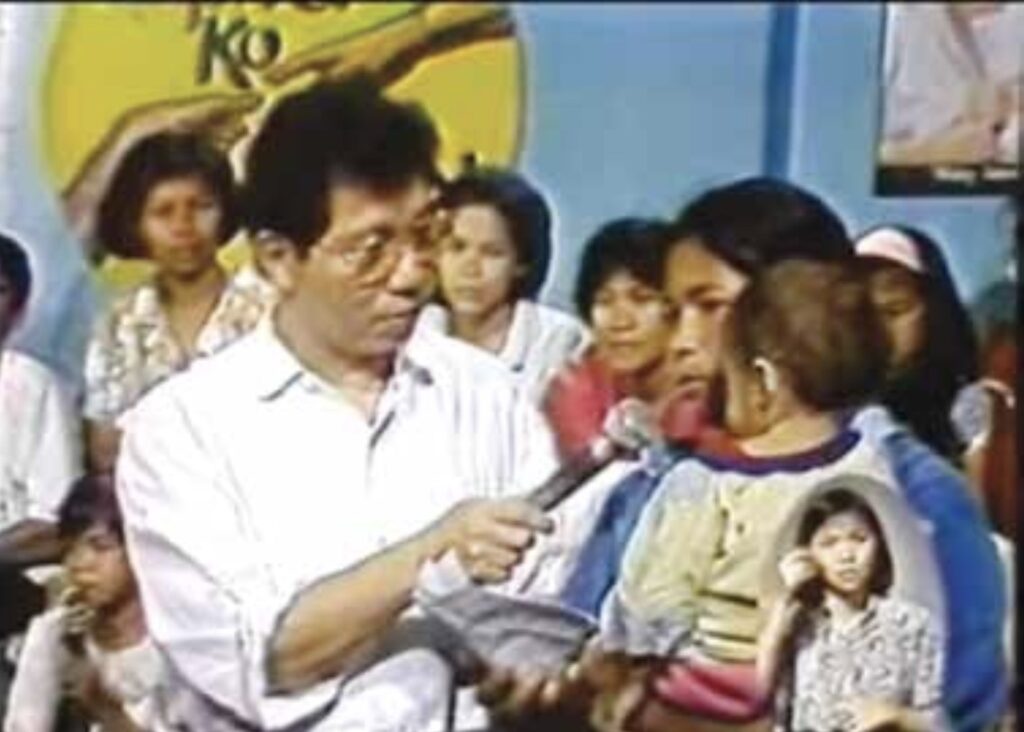
Mercado topped the 1984 Batasang Pambansa elections as a member of the opposition. He was a senator for three terms: 1987-1992, 1992-1995 and 1995-1998.
In 1984, a year after the Aquino assassination, the opposition was divided. “Moderates” wanted to participate in the Interim Batasang Pambansa (IBP) elections. The “left” wanted to boycott. They asked Mercado about his position.
Mercado responded: “I think the big issue here is not so much the personalities, After the assassination, we asked ourselves: Can we move this forward? From my vantage point, I meant moving it toward reform. So, in effect, I was already leaving the “left.” And I did. I won overwhelmingly together with Justice Cecilia Muñoz-Palma, Bert (Roberto) Romulo, and UP president S.P. Lopez, We were ready to lose. We spent nothing. Walang kagastos-gastos ang eleksyon na iyon [we did not spend a single centavo during that elections]: the 1985 Interim Batasang Pambansa polls.”
It was also during this period that he made peace with his first employer, Mrs. Stewart. “She and I parted ways in a very contentious manner. When I attended the production meeting of GMA executives, [she was there].
Upon seeing me, she said, ‘Orly, why do you keep insisting that Uncle Bob and me were trying to bribe you when you were organizing the labor union at RBS?’ I told her, ‘I was only 18 years old at the time—a typical hothead.
At another meeting, she asked me to come to her office. ‘I heard that you are running for office.’ She gave me P20,000 to cover the cost of posters.
I asked: ‘Does this mean, Ma’am, that you have forgiven me?’ She said, ‘Sige na [Okay], you won already.’ That’s the end of that story.”
In the 1984 IBP elections, Mercado said “opposition leaders were arrested. They used the police. For our part, we were on the lookout for the administration’s helicopter. Arthur Garcia, a soon-to-be NPA commander, urged me to buy firecrackers, just to intimidate the pilot. It’s a good thing, I didn’t listen to him. If that firecracker hit the pilot and he died, we would be tried as murderers.”
Mercado said he really spent a great deal of time crafting bills that promoted health: the Generics Act, the Magna Carta for Disabled Persons, Voluntary Blood Donation, the Consumer Protection Act, and the Total Ban on Logging
THE NEXT 50 YEARS
At 79, Mercado still gets bothered about the country’s lack of a National Land Use Plan, which already had a Committee Report as early as 1989-1996.
“Until now, we have no land use plan. There are land use plans on a per-city or -province level, but these are just political boundaries, not science-based. When I was Defense Secretary. I tried to attend to the issue, but time ran out.”
Mercado has served in the policy-formulating body of government: two consecutive terms in Congress, and the Senate for a total of 12 years.
He finds it difficult to compare the activists of his time, with the young ones of today: “The important thing is to develop a context and understand where in history you are coming from. It is also very important to find out the forces that are at play in a particular period. The 60s were turbulent days. It was the age of revolution. Our idols were Che Guevarra [and] Mao Tse Tung—all for open defiance. And we were charged, just by being a member of a front organization of the Communist Party, you are liable under Republic Act 1700.”
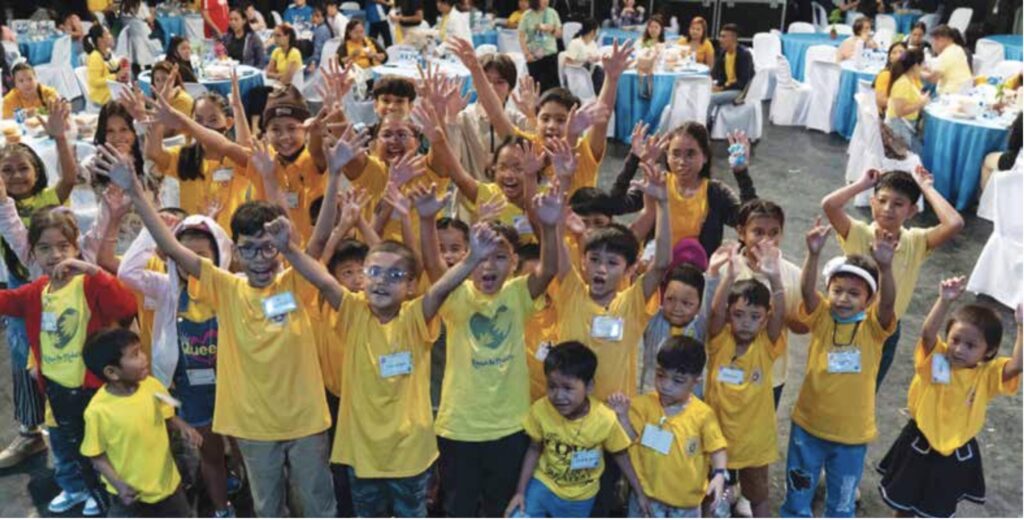
Mercado continued: “You cannot compare the behavior of the youth during a particular period with that of another period. But it is important to look back. I always tell my students, three important phases to establish context: First is hindsight. That’s history. Find out where you came from so that you will understand, you will have insight—how you got to where you are. And to project where you are going, [that] is foresight. So, you always go back to history.”
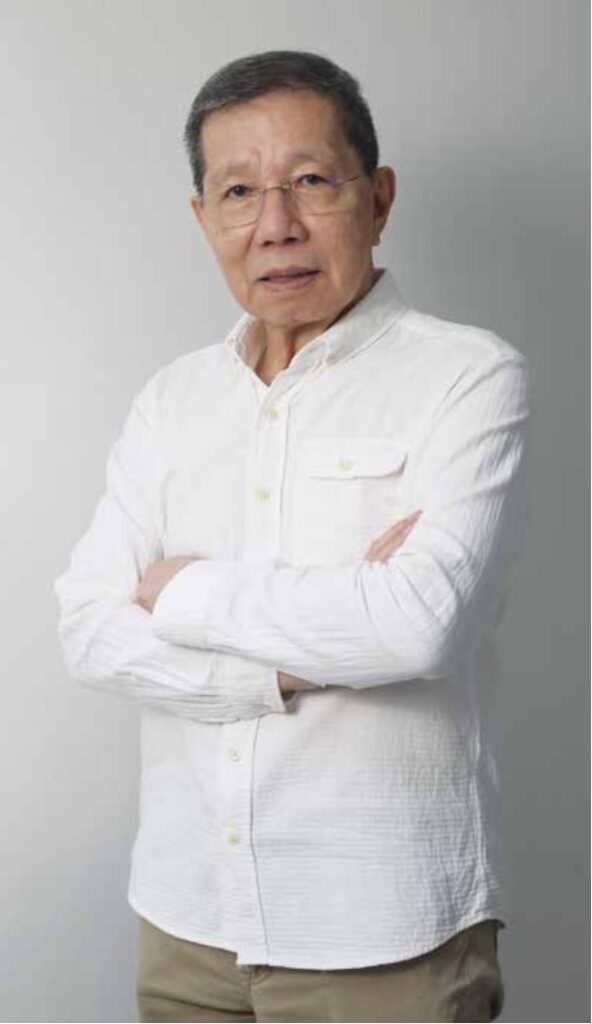
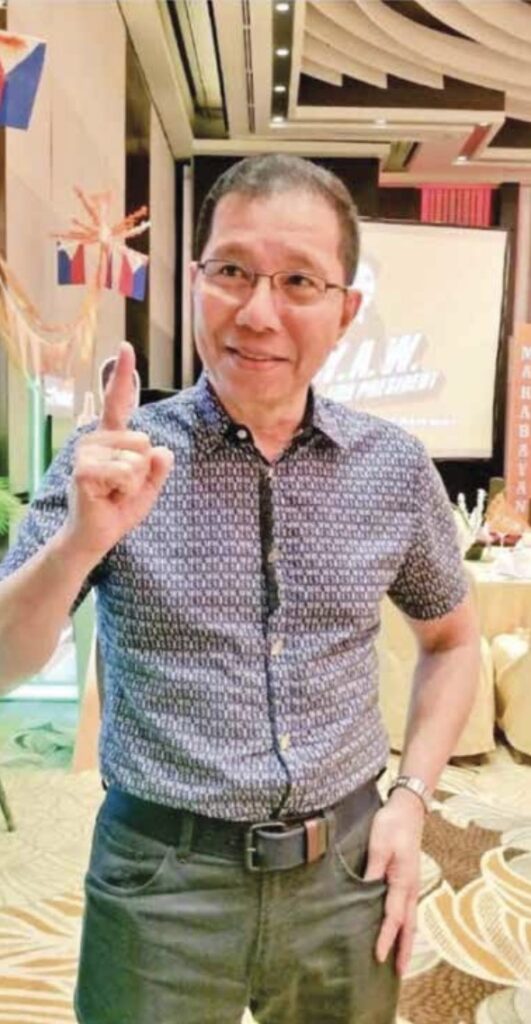
As of early 2026, Orly Mercado remains the principal host of Kapwa Ko, Mahal Ko, which is now the longest-running television show in the Philippines,
celebrating over 50 years on the air. His daughter Margo Mercado is the executive director of Kapwa Ko, Mahal Ko Foundation.
The Philippines Graphic asked: What are your future hopes for Kapwa Ko, Mahal Ko, in the next 50 years?
“Well, I am preparing to live my next 50 years. Bakit si Enrile, umabot ng 100, hindi naman ako pwedeng hindi managinip…101 pa nga siya e, lumagpas pa nga e. [Enrile lived to be 100. I can dream can’t I? He reached 101, more than a hundred.]”