


A ping sounded on my phone, and the words blinked on the screen at six in the morning.
“RISE IN LOVE.”
I squinted at the screen, half-amused. The message could only be from Kim—always dramatic, always turning a simple morning greeting into something that promised intrigue. I recognized our old office mantra. I knew something was afoot.
I was not mistaken. Seconds later, another ping sounded:
“Hey, rise and shine! Are you WOKE yet?”
It took me a split second to decode the question, the full caps signaling something political. My brain, now fully awake with a mug of Americano, snapped back on reflex: “Who’s being pilloried now?”
Kim’s reply came in a barrage of messages—her notifications jumping madly on my screen, each ping a spark of gossip. Typical Kim, I thought.
“Tita Belle’s been canceled by her own group! Word’s out she’s lost all moral and political credibility! Would you believe it? CANCELED. TOTALLY.”
Kim and I had once worked for the same NGO—a feminist advocacy group that championed women’s rights and gender empowerment projects. Our head then was Maribelle, or Tita Belle as the younger ones called her—a feisty, articulate woman whose acid tongue could slice through hypocrisy like a blade through paper. In meetings, she ruled like a dominatrix in sensible heels. Square-jawed, stout, and a little on the heavy side, her word was law. To cross her was to invite humiliation wrapped in sarcasm. But she was brilliant, tireless, committed – a woman you wanted on your side, not against you.
So, when Kim said Tita Belle had been “hounded out,” I felt a jolt of disbelief. She was one of the founders of Babaelan, the women’s NGO she had headed for over three years. Kim and I, straight out of university, applied and were hired as researchers. Both of us didn’t stay long. I left eight months later; Kim stayed two more months, then left to do freelance writing. But we kept in touch with our former Babaelan colleagues, many of whom were friends. I would send them brief messages on special occasions, including Tita Belle, with whom I was rather close. In my early days at the NGO, I was besotted by her intellect and I idolized her. Maybe she sensed it, too; I became a sort of favored underling. I think she was hurt when I handed in my resignation, but my growth was beckoning somewhere else.
Tita Belle’s fall from grace started innocently enough—or so we thought. One day, she decided to enroll in a gym located on the ground floor of her condominium. At first, she laughed about it, complaining that the workouts were punishing and that the membership fees were highway robbery.
But within weeks, something shifted. As dismissal time drew near, she would start tidying her desk, fixing her hair, and disappearing into the restroom with her vanity kit. When she emerged, her face was fresh with new makeup, her eyes bright.
The office buzzed right away.
“What’s up with our boss, huh?” one whispered. “Where’s she off to, looking all dolled up?”
“Didn’t she say she quit the gym?” another added.
Maribelle brushed off the questions with practiced ease. “A small reunion with friends,” she’d say curtly, and that was that.
But soon enough, the rumor mill caught up. Someone spotted her at the gym after hours, laughing beside a lean, muscled instructor who looked to be in his mid-twenties. By the end of the week, everyone knew: Maribelle, at forty-four, had fallen in love.
It was around this time that we were dragged off to another feminist seminar—Tita Belle practically strong-armed us into going. “You will learn something new, you philistines!” she barked, half in jest. So off we went—four of us, grudgingly compliant. The older ones rattled off every excuse imaginable, though we all knew they’d already had their fill of seminars and would much rather be watching a movie at SM Cinema.
I distinctly remember that seminar for one thing only. The speaker, introduced as a radical feminist, was a middle-aged American woman who appeared to be part of the LGBT community. I don’t remember most of what she said, but in general, it was about the deconstruction of sexist idioms, metaphors, and everyday expressions. I vividly remember her insisting that the phrase “falling in love” should be deconstructed because it implied subjugation and surrender—an example of internalized misogyny. Henceforth, she said, we should say “rise in love,” not “fall in love.”
The novelty of that feminist semantics caught on like fever, and for about two weeks it became our mantra in the office. We would jokingly begin our morning greetings with “Rise in love! Rise in Love!” Eventually, we grew tired of it and dropped the mantra—just as something ominous began to happen at the office, particularly to Tita Belle.
A week after that seminar, we noticed a change in her. She began humming at her desk, smiling at nothing in particular. Her cheeks glowed. Even her temper, once legendary, softened. We were secretly happy for her. After all, even a feminist warrior deserved a little tenderness.
“Someone’s definitely rising in love,” one colleague chirped during break time.
Then, one Monday, she arrived at work wearing dark sunglasses. A faint blue shadow bruised one side of her face. It was also the first time we saw her in a long-sleeved blouse. On the rare occasions she did wear one, she rolled up the sleeves—“like a kargador,” as one wit nastily remarked. That day, when she lifted her arm to sip coffee, the cuff slipped, revealing more bruises along her wrist.
I asked gently during break, “What happened, Tita?”
“Oh, nothing,” she said too quickly. “I slipped in the bathroom. Hit my face on the floor.”
She forced a laugh, but her eyes were glassy, unfocused. I didn’t press.
In the days that followed, she stopped fixing her makeup before leaving the office. She no longer rushed home after work. Her phone, once glued to her hand, stayed face down on her desk.
But there were sunny days in that relationship. Sometimes, Tita Belle would show off a new bracelet given by the boyfriend or a bouquet of roses on her desk. One time, she brought the man to the office and proudly introduced us to him.
“Quite good-looking—and those muscles,” whispered a young staff member, giggling.
But not everyone was impressed, especially when this hunk went around pumping our hands in greeting, offering what he probably thought was a witty nod to our NGO’s name, Babaelan.
“Ahh, so you are the ‘babes’!”
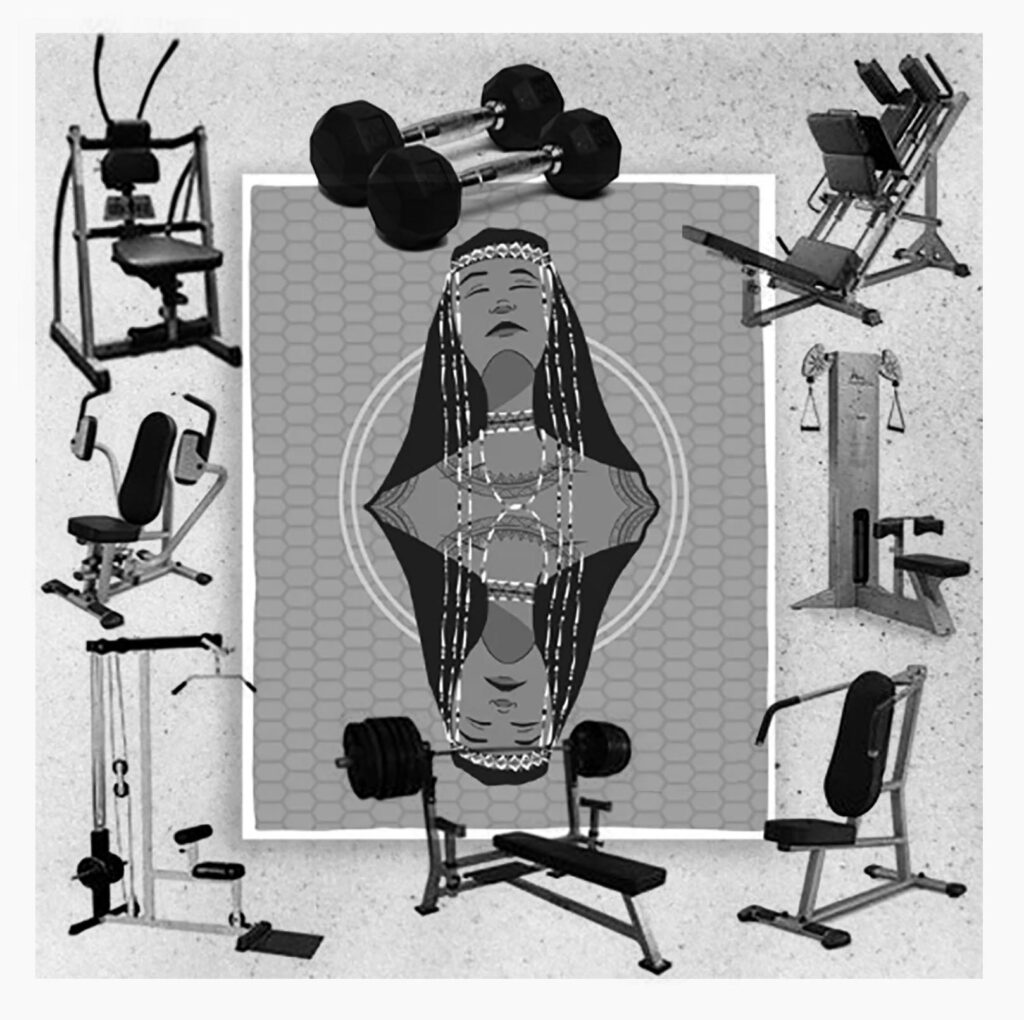
There was an embarrassed cough from Tita Belle and an audible gasp from our circle of staff, including the giggling interns. That was the first and last time we saw the boyfriend at the office. But apparently, the relationship was still strong—as were the bruises that would reappear at times, punctuated by roses and the new jewelry Tita Belle never failed to show off.
But her once-stocky body seemed to have shrunk; the black shadows under her lusterless eyes, no makeup could hide.
Then came that news from Kim: Tita Belle had resigned from the NGO—or more precisely, had been forced out. During a board meeting, one member reportedly questioned her moral credibility to lead a women’s empowerment organization when she herself was a willing victim of male abuse. The criticism stung. A heated argument followed, splitting the Board. Former allies soon turned against her, insisting they were only trying to protect Babaelan’s image.
The Board eventually asked her to step down to a lower position for “loss of credibility,” but Tita Belle refused and chose to resign instead. By then, it had become an open secret that she’d been living in an abusive relationship with that married man. Worse, he had moved into her condominium as a freeloader. Although she no longer even went to the gym, she was still saddled with an expensive two-year membership.
Then one day, the man packed his bag and left, saying he was being transferred to another branch in the city. She never saw him again.
I visited Tita Belle one late afternoon in her new apartment, which she shared with a mutual friend. We sat on her veranda, the sunset bleeding orange and red into the purple sky. Her face was calm now, inscrutable in the shadows.
“Why did you stay, Tita Belle?” I finally asked. “You, of all people—you taught us never to take abuse.”
For a moment, she said nothing. Then she gave a small, broken laugh—the kind that trembles between irony and grief. A sigh slipped from her lips—soft, defeated.
“Remember that mantra you used to greet everyone at the office?”
I nodded quietly. She leaned closer to me and whispered softly,
“I failed to rise, Tess. I fell in love.” The last light of day flickered across her face, and in that brief moment, I saw not hypocrisy but heartbreak—the tragedy of a woman who fought the world but lost the battle within herself.