

Pediatric expert urges parents to rethink added sugars in kids’ daily nutrition
via Graphic Plus | MANILA (February 11, 2026) – Did you know that added sugar has quietly become part of many Filipino children’s daily diets? Many parents don’t even realize it.
A 2024 study by UNICEF Philippines and the Consortium for Improving Complementary Foods in Southeast Asia (COMMIT) revealed that over a third of foods marketed to young children in the country contain added sugars or sweeteners, making them a hidden yet major source of excess sugars in kids’ diets. The number of overweight Filipino children has also tripled since 2003, which is considered high by global standards.
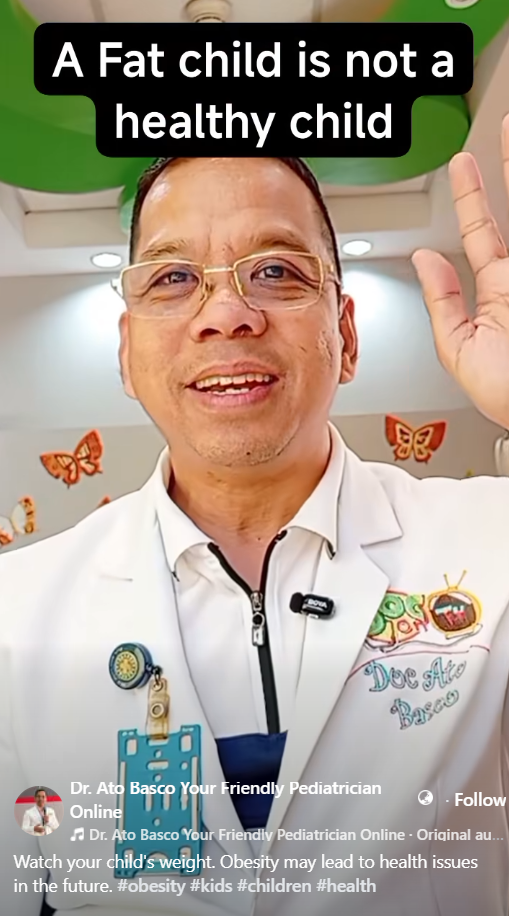
The Medical City Ortigas pediatrician, Dr. Marthony Basco, commonly known as Dr. Ato Basco, warns that this growing trend is not just about weight. “A fat child is not a healthy child,” he says, pointing to long-term health risks that can begin early in life when excess sugar becomes routine.
Why Sugar Deserves a Second Look
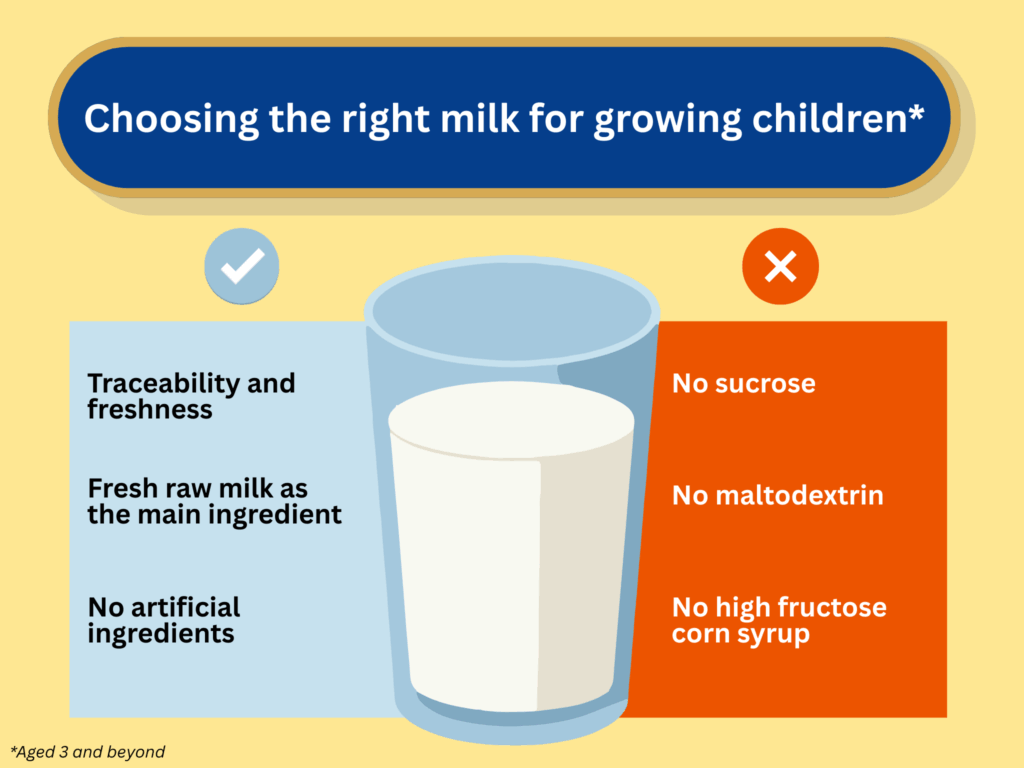
Many parents associate sugar with obvious treats like candies, desserts, or soft drinks. But what most people don’t realize is how sugar is woven into everyday foods, sometimes in forms that don’t immediately sound like sugar at all. Ingredients such as sucrose, maltodextrin, and high fructose corn syrup are commonly added to improve the food’s taste and palatability, even in products positioned as part of a child’s daily nutrition.
This is why experts emphasize reassessing not just how much children eat, but what they consume consistently.
The Health Risks Behind “Hidden” Sugars
Dr. Basco explains that excessive sugar intake during a child’s developmental years can have far-reaching effects.“Obesity and being overweight are linked to diabetes, hypertension, forms of allergy like asthma, and even to some forms of cancer in the future,” he says.
Beyond long-term disease risks, added sugars can also affect children in more immediate, everyday ways. According to pediatric guidance, sugar-laden products may contribute to dental problems, including tooth decay (bulok na ngipin), behavioral effects, such as hyperactivity and difficulty regulating energy levels, taste preference shifts, where children learn to favor sweet flavors over healthier food options.
“Malaking portion ng obesity may kinalaman sa wrong diet, most specifically, sa milk or gatas,” Dr. Basco adds, noting that milk plays a crucial role in shaping children’s nutritional intake.
Why Milk Choices Matter
Milk is widely seen as a foundation of children’s nutrition, which is precisely why experts urge parents to look closely at what goes into it. While milk naturally contains nutrients essential for growth, some products contain added sugars that may quietly increase a child’s daily sugar load.
Nutrition advocates now encourage parents to prioritize traceability and freshness. Parents should consider milk options that focus on fresh milk formula, retain their natural quality through a one-step process, and go from cow to can without unnecessary modification. Choosing milk without added sugars such as sucrose or maltodextrin helps preserve the integrity of milk’s natural nutrition while supporting healthier eating habits.
As Dr. Basco points out, early exposure matters. Products that are overly sweet can train children to seek sweetness, making balanced meals harder to sustain as they grow.
A More Mindful Approach for Parents
Addressing the silent sugar problem doesn’t require eliminating all sweetness from a child’s diet. It starts with awareness—reading ingredient lists, understanding how sugars are labeled, and recognizing that daily staples can contribute significantly to overall intake.
By being mindful of added sugars and choosing food and milk options that prioritize freshness and minimal processing, parents can help protect their children from risks that often develop quietly over time.