

Via GRAPHIC PLUS | MANILA, Philippines (April 24, 2026) — Paywatch, a leading financial wellness platform in Southeast Asia, is accelerating the adoption of Earned Wage Access (EWA) among Philippine employers, signaling a broader shift in how companies support employee financial well-being.
Recognizing financial wellness as core to holistic employee well-being, organizations are moving beyond traditional benefits toward more responsive solutions that address employees’ financial security and resilience. Today, timely access to earnings is fast becoming a workforce differentiator and employers that offer it are redefining what it means to support employee stability.
Earned Wage Access is emerging as a practical, debt-free solution that allows employees to access their already earned income—at no cost to employers—helping bridge the gap between pay cycles and everyday financial needs.
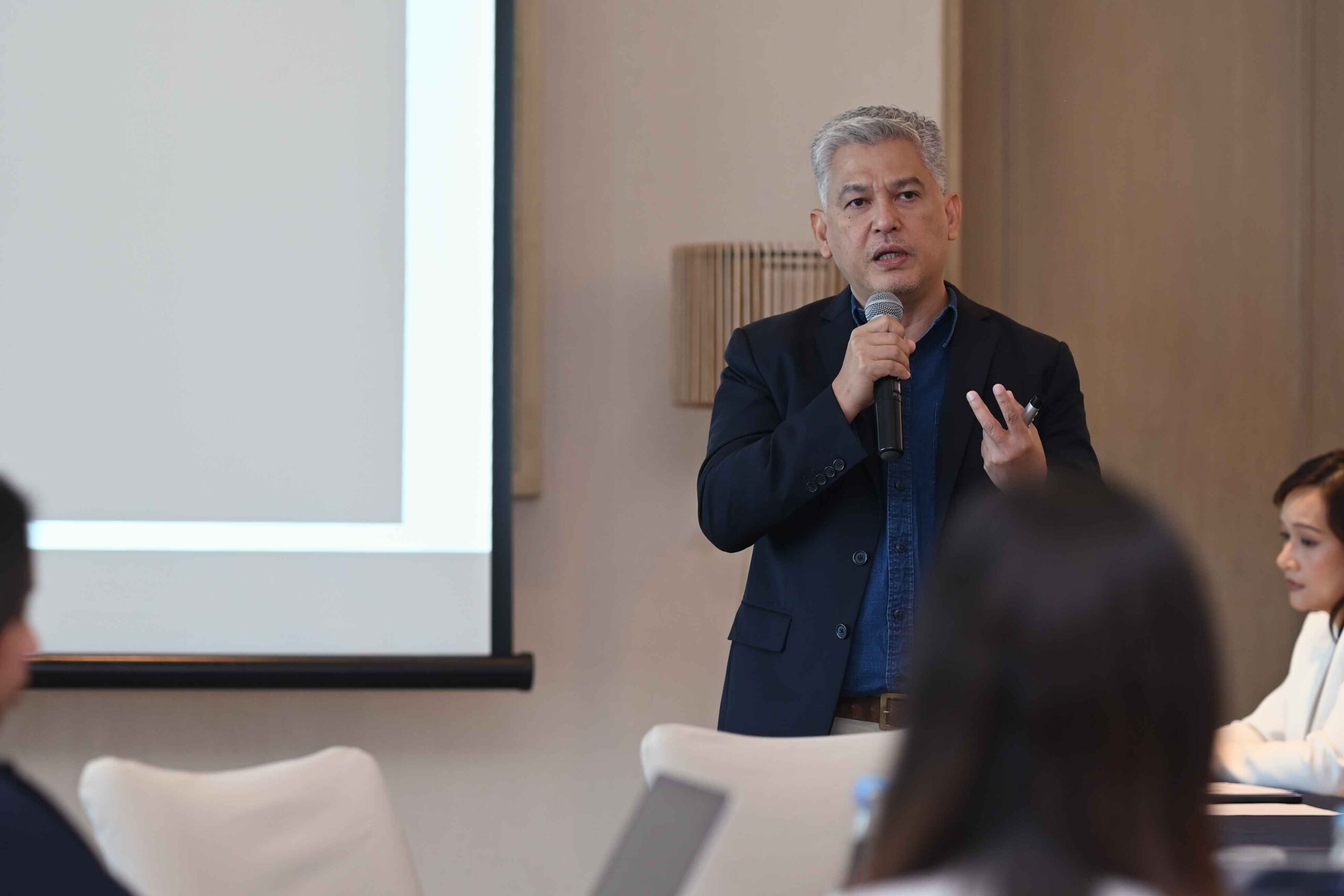
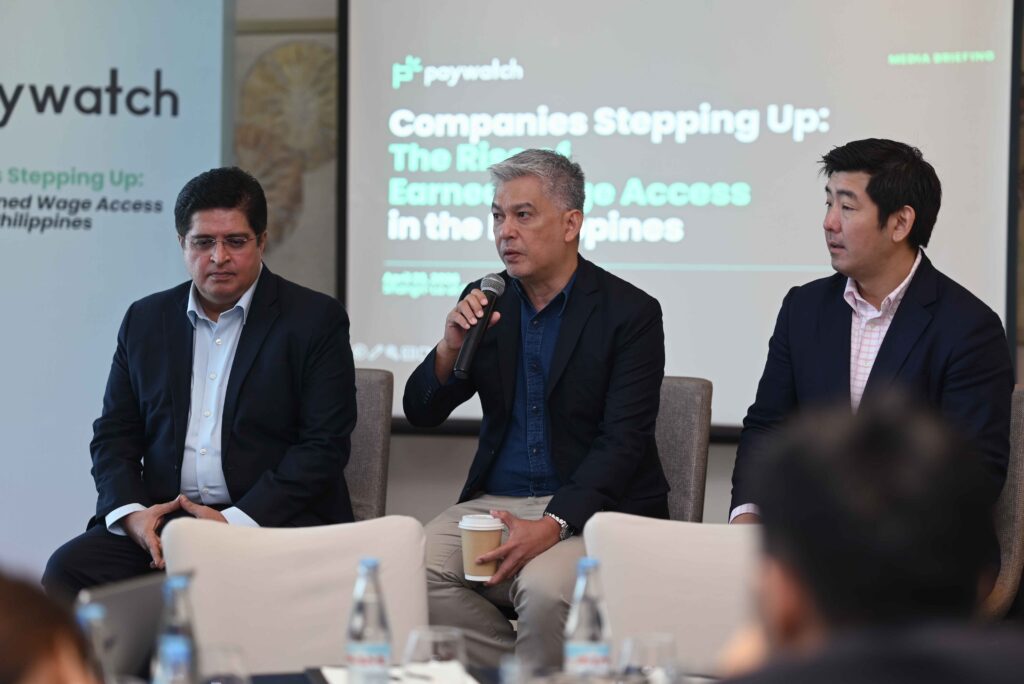
“Organizations are already recognizing the importance to employees of providing debt-free and timely access to earnings and its impact to their financial security and overall well-being,” said Rowell del Fierro, Country Manager of Paywatch Philippines. “They know this translates to employee engagement level and productivity.”
Despite gains in financial inclusion, gaps remain. Data from the Bangko Sentral ng Pilipinas shows that while 50% of adults have financial accounts and 85% of households have access, only three in ten say their savings would withstand a financial shock. At the same time, 32% of loans are used for food and basic needs, highlighting the continued reliance on borrowing to manage everyday expenses.
Paywatch data shows that EWA is increasingly being used as a core financial management tool rather than a one-off benefit. Among its Philippine users, 78% say it helps them better manage expenses, 45% report a reduction in household debt, and 34% see an increase in savings. The most common use cases, daily expenses, emergencies, essential needs, and school fees, closely mirror national borrowing patterns.
This growing adoption reflects a wider regional trend, where financial wellness is becoming central to workforce strategy and talent retention.
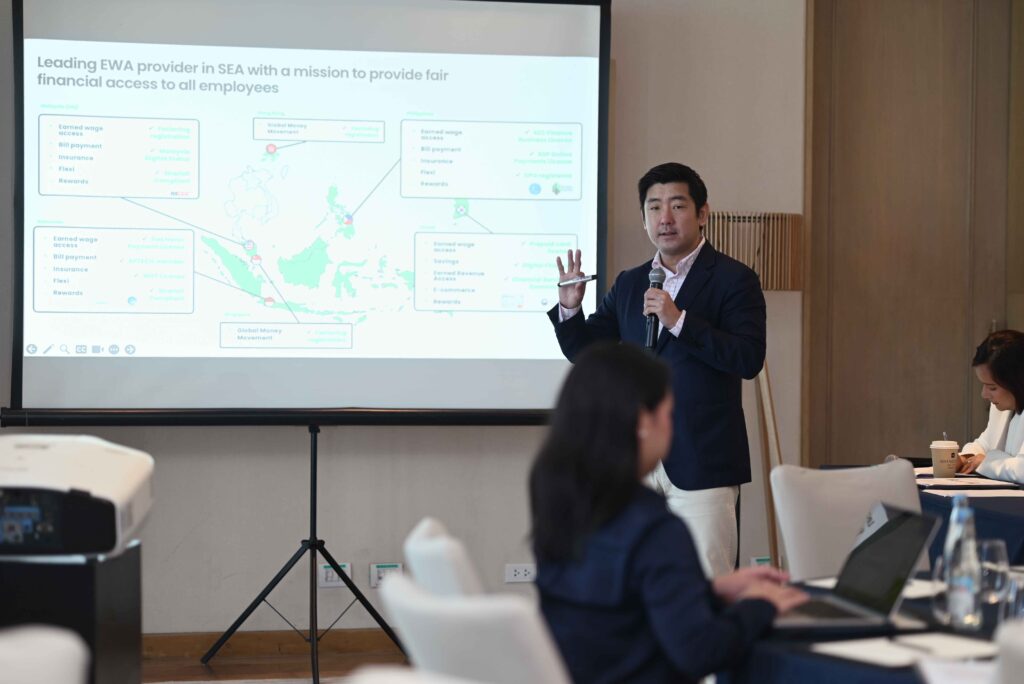
“Across Southeast Asia, financial wellness is moving from a peripheral benefit to a core part of how companies support and retain talent,” said Alex Kim, President and Co-Founder of Paywatch. “Earned Wage Access may be the entry point, but the real opportunity lies in building a more comprehensive ecosystem that gives employees greater control and confidence in managing their finances.”
As companies respond, financial wellness is increasingly being integrated into broader business strategies, particularly in industries with high turnover and operational demands.
“The results we’re seeing are consistent across markets. When employees have better control over their finances, businesses see stronger engagement, retention, and productivity,” said Sandeep Mulajkar, Managing Director of Paywatch Philippines. “The focus now is on scaling these solutions to reach more workers and embedding financial wellness into core business strategy.”
In response to evolving needs, Paywatch is expanding beyond EWA to offer a broader suite of financial wellness tools in the Philippines, including bill payments, critical illness insurance, and rewards, moving toward a more integrated, workplace-based financial support ecosystem.
With a mission to provide fair financial access to employees, Paywatch continues to position itself as a trusted partner for organizations looking to build more resilient, engaged, and financially secure workforces.

Started in 1927, the Philippines Graphic is the longest-running printed magazine of national circulation that provides relevant news and features and promotes Philippine literature.

 among Philippine employers, signaling a broader shift in how companies support employee financial well-being. )