


Possessing one of the oldest civilizations in the world, China’s 5,000-year-old history is a tapestry of transformation—from an ancient, agrarian society (8,000 to 10,000 years ago) to becoming the world’s low-cost, manufacturing nexus (mid-20th century), all the way to attaining global, high-tech, superpower status (21st century), driven by rapid urbanization and technological adoption
Drawing on China’s 15th five-year plan, this article explores six key areas critical to China’s modernization efforts: Digital Economy, Artificial Intelligence (AI), Waste of Energy, Social Governance, Anti-Corruption, and International Poverty Reduction.—Ed.
Digital Economy
The Age of Cool: How the “world’s factory” transformed from assembly
lines to drones, robots, and automated factories
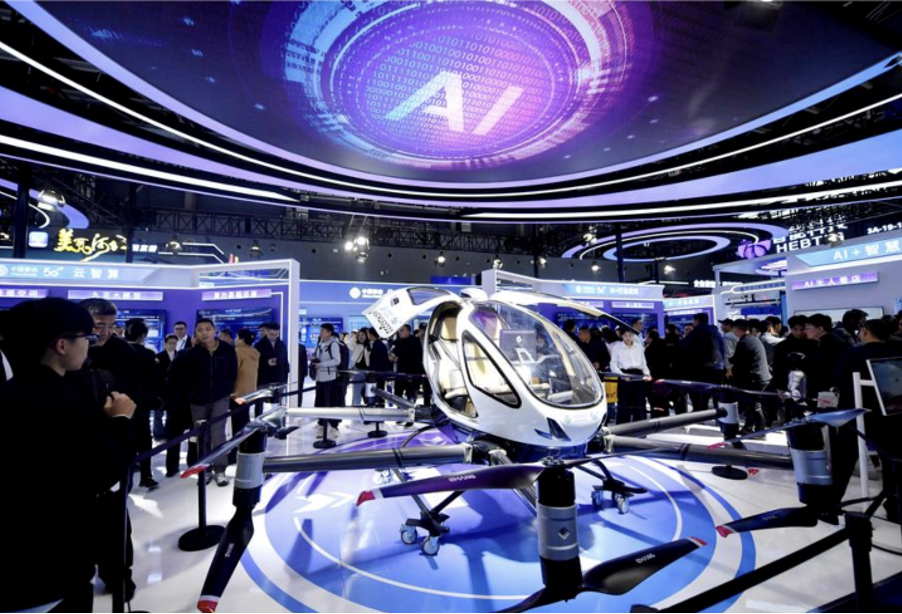
China’s digital economy is a complex ecosystem where digital technology is the foundation of almost all modern economic activity.
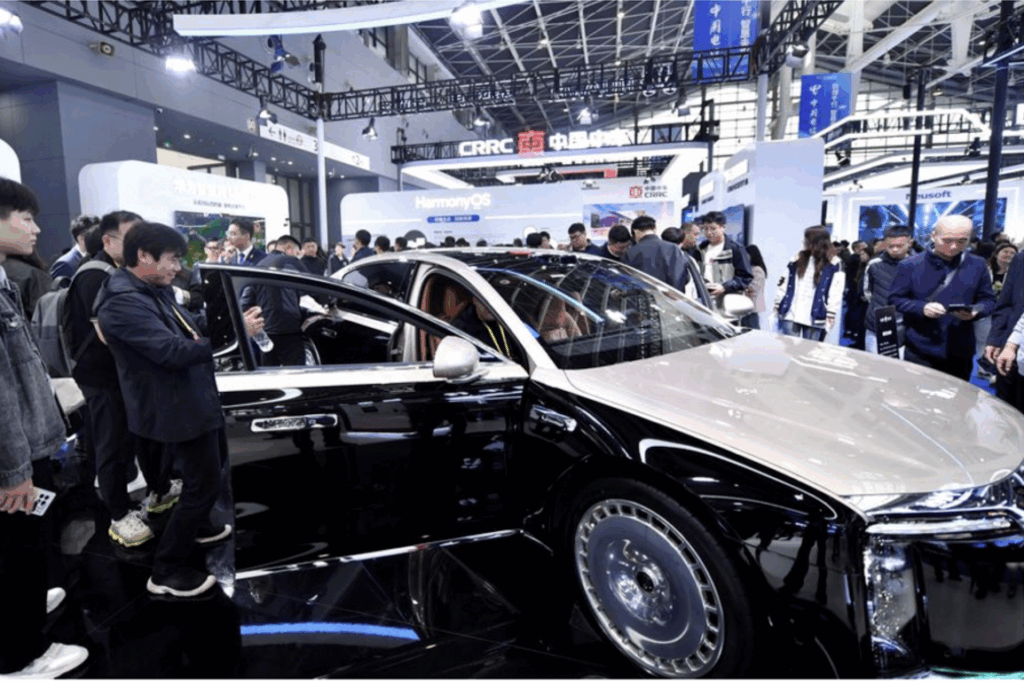
Digital technology has made it possible for China to develop and become a leading exponent in state-of-the-art Artificial Intelligence (AI), next generation electric vehicles (EVs), precision filmmaking, gaming, and other areas that integrate futuristic concepts into everyday life. All these, at a scale and speed that has made the country a “cool” global and cultural trendsetter
This complex ecosystem is divided into two categories, namely: 1) Industries that produce computers, develop software, and advance artificial intelligence; and
2) the digital transformation of traditional sectors such as agriculture, manufacturing, and retail to make them smarter and more efficient.
Under the 15th five-year-plan, China is adopting a different development track, compared to its Western counterparts.
Laying the foundation for Chinese modernization, it doubles down on bridging technological innovation with industrial application.
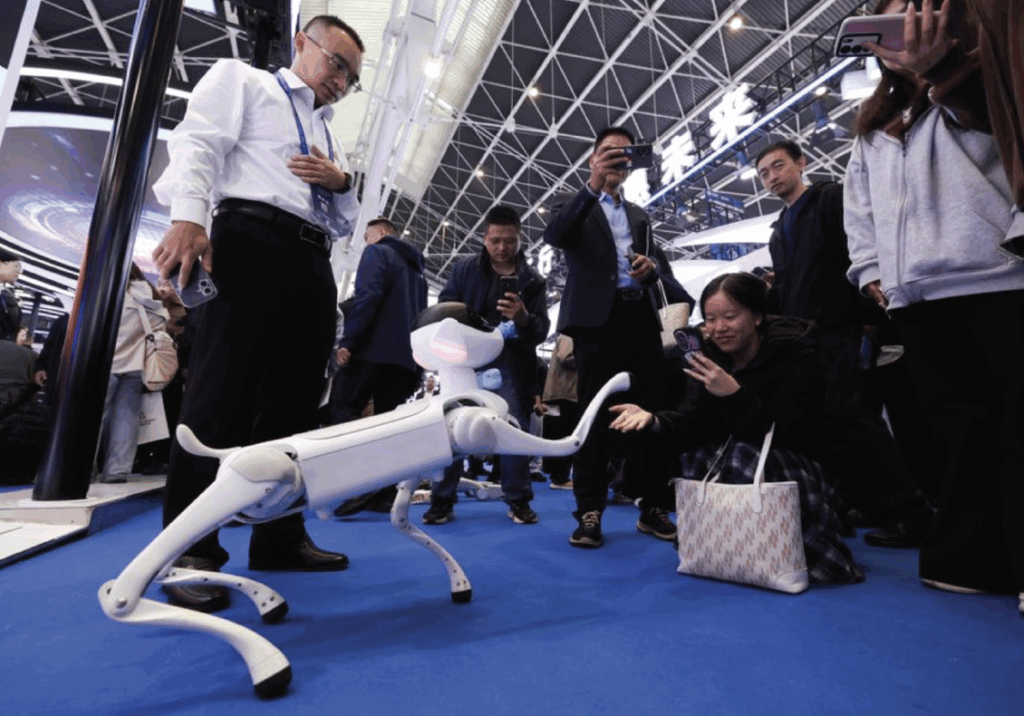
Armed with a vast market, superior digital infrastructure and commercially agile tech firms, China is expected to be among the first to profit from the new tech revolution.
Over the next five years, China has pledged to pour more money into original innovation, preparing to raise the share of basic research funding in total R&D spending significantly, and mapping out a new batch of mega-science facilities. Last year, its basic research investment came in at a record-high 7.08 percent of total R&D expenditure.
BIG BETS ON TECHNOLOGY
Already, China ranks second globally in overall digital economic strength. In 2025, the scale of China’s digital economy reached 49 trillion yuan ($7.17 trillion US Dollars), accounting for 35% ofthe national economy. This means that 35 out of every 100 yuan of GDP came from the digital economy.
China has built 4.55 million 5G base stations, the largest number in the world, supporting ultra-high-speed internet. There are more than 230 world-class smart factories nationwide.
With artificial intelligence, product R&D time has been shortened by an average of 28.4%, and output increased by 22.3%.
These commercial successes are underpinned by China’s comprehensive manufacturing ecosystem, leaving the country well-placed to move faster in translating technology into vertical applications.
In China’s government work report, the creation of new smart economy forms has been highlighted as a key task.
According to the major development targets for the 2026-2030 period outlined in this year’s government work report, China projects an average annual increase of at least 7% in nationwide R&D spending.
Enterprises account for over 77% of this investment currently, a level comparable to the United States and Japan.
As mentioned in an article released by Xinhua, official state news agency of the People’s Republic of China (PRC), “The five-year plan calls on China to seize the historic opportunities presented by the latest technological revolution and industrial transformation wave, continuously creating new quality productive forces. The country is now poised to place big bets on technology.”
The article added that the “five-year plan calls for greater corporate participation in decision-making, implementation and data sharing for major national sci-tech projects. The plan also encourages leading tech companies to form innovation consortia for collaborative research on key technologies and pilot demonstrations.
In Zhengyu Town, Haimen District, Nantong, Jiangsu Province, a “leaf vegetable factory” has turned farmland into a modern intelligent workshop. Covering 20 acres, the facility is equipped with over 260 sensors that monitor temperature, humidity, light, and other conditions in real time. AI algorithms analyze growth data and automatically optimize planting plans.
Unlike traditional experience-based farming, operations are now fully data-driven. One harvest cycle takes just 45 days, enabling 12 harvests a year. Land utilization efficiency has quadrupled, while water consumption is reduced by 80% and labor costs by 90%.
NICHES WITH UNIQUE STRENGTHS
China’s regional economic policymakers are also encouraged to carve out distinct niches based on their unique strengths.
HAIDIAN DISTRICT. Xinhua reports that in late February, Haidian District—China’s premier educational, technological, and cultural hub, and known globally as “China’s Silicon Valley”—pledged over 9 billion yuan (about 1.3 billion U.S. dollars) for industrial innovation. Leading AI model firm Zhipu AI and chip designer Moore Threads have been early bets for the district government—prime examples of China’s strategy to back up hard tech for the long haul.
“This massive funding drive is part of China’s sweeping long-horizon tech investment. A national venture guidance fund established last December is geared toward attracting trillion-yuan-level capital. This month, authorities followed up with plans for a national mergers and acquisitions pool to unlock another trillion-plus-yuan market,” explained Xinhua.
According to Shirley Yinghua Shen from Ernst & Young (China) Advisory Limited: “The government is not just talking about research and development; it is backing it with cash.”
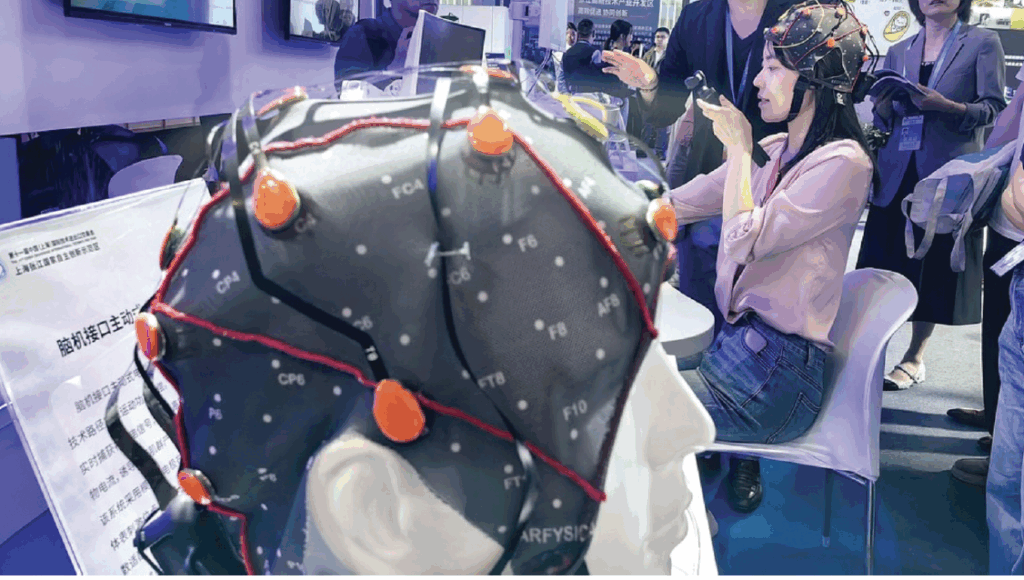
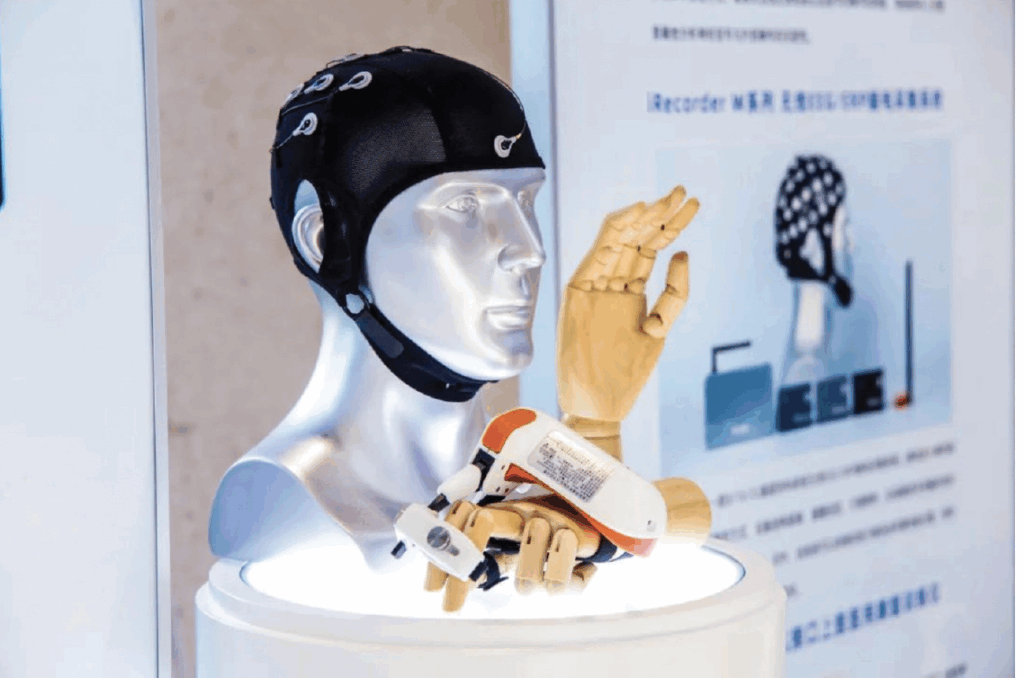
SHANGHAI. The brain-computer interface (BCI) sector, which has been designated a future industry in this year’s government work report, is a priority for Shanghai. Pairing hospitals with firms is the city’s go-to move for tech translation, given its access to top-tier medical resources nationwide. Shanghai startup NeuroXess is pressing ahead with clinical trials of an invasive BCI product. A breakthrough came when a local hospital implanted the company’s wireless device into the skull of a man who had been paralyzed for eight years, and he now races on “Mario Kart” using only his mind.
SHENZHEN. Shenzhen farther south is leveraging its vibrant ecosystem of innovative smart hardware. The southern tech hub has created a dense electronic supply chain concentration where the move from prototyping to assembly can happen in as short a time as a single day. In January, UBTECH, a humanoid robot developer in Shenzhen, struck a deal to supply robots to aviation giant Airbus for use in its manufacturing facilities.
HANGZHOU. In Hangzhou, an innovation hub in eastern China, Deep Robotics is benefiting from this academia-industry collaboration mechanism. Last July, this leading Chinese private robotics startup teamed up with Zhejiang University to launch a postdoctoral workstation. The first researcher has since started work at the facility.
FUTURE OUTLOOK
As countries around the world contend with the reality of geopolitical fracturing, China’s leaders put their stake on what is called as “the forward-looking plan that offers something in short supply in the world today: confidence in long-term growth.”
China’s emerging pillar industries are expected to break the 10-trillion-yuan ($1.46 trillion US Dollars) benchmark by 2030, while frontier technologies like quantum computing, BCI, embodied AI, and 6G are poised to mushroom into an entirely new high-tech sector over the next decade.
As contained in its five-year plan (2026-2030), China will focus on advancing digital-intelligent transformation. It will strengthen computing power at a level of accessibility comparative to water and electricity.
The plan also expands applications through the “AI+”initiative to smarten factories, farmlands, and businesses.
It will likewise improve people’s livelihoods by using digital technology to streamline healthcare, education, and elderly care.
Rules and laws on data usage and protection will be established to ensure secure and trustworthy digital services.
Artificial Intelligence
From following to redefining the finish line
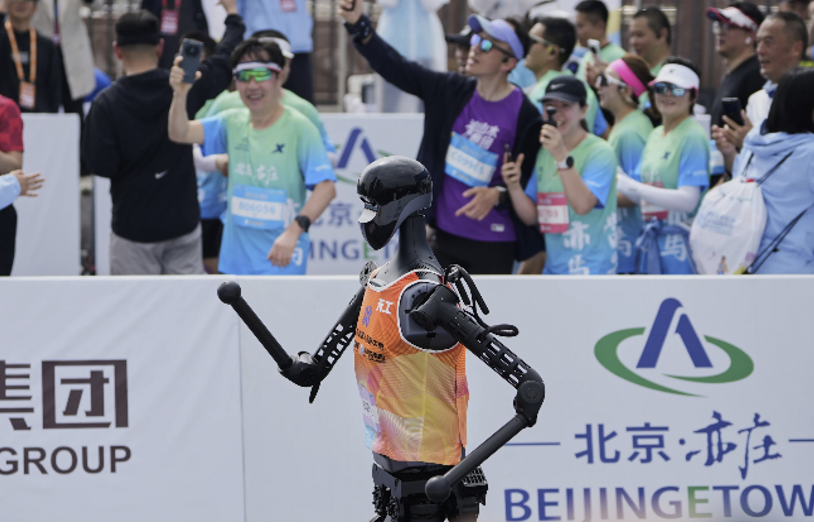
China’s AI industry is experiencing rapid growth, with technological breakthroughs and large-scale industrial application moving forward.
According to the policy think tank Australian Strategic Policy Institute, “China’s primary advantage lies in its ability to integrate AI across its entire industrial base faster than Western counterparts.”
AI Frontiers—a platform for expert dialogue and debate on the impacts of artificial intelligence—reported that China controls roughly two-thirds of the world’s robotics patents and has five times more industrial robots working in factories than the United States.
In 2025, the core industry scale of China’s AI exceeded 1.2 trillion yuan (US$175,871 billion) and the number of AI enterprises surpassed 6,200.
Artificial intelligence (AI) is technology that enables machines to think and learn like humans.
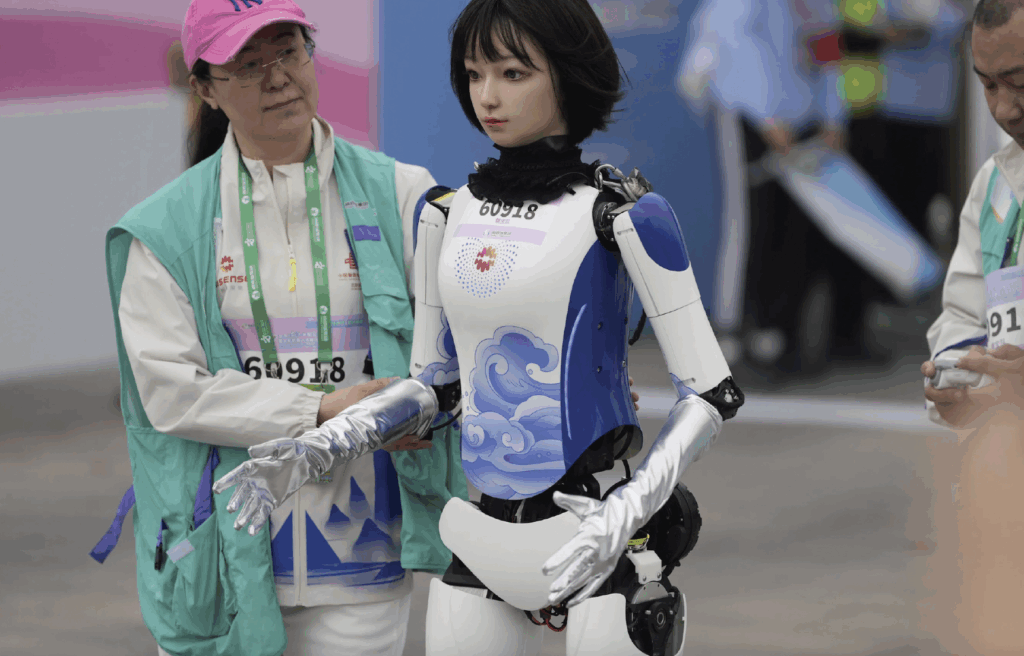
Trained by algorithms and massive datasets, computers gain capabilities of perception, speech, and decision-making.
Examples include voice assistants on mobile phones, facial recognition payment, and autonomous vehicles, all powered by AI.
The Outline of the 15th Five-Year Plan explicitly calls for the full implementation of the “AI+” initiative, deepening integration between artificial intelligence and all sectors.
The goal is to expand the scale of AI-related industries to over 10 trillion yuan (US$1,465,599 trillion) by the end of the 15th Five-Year Plan period.
HUMANOID ROBOTS
Humanoid robots have gained strong momentum in China and are gradually entering daily life.
The streets of Nanjing, a megacity in East-Central China, have “robot traffic police” manning the streets.
In this year’s Spring Festival, Nanjing residents were treated to a novel encounter. A 1.73-meter humanoid robot (PM01) assisted traffic police with crowd management and traffic guidance. In the near future, these robots are expected to serve in more cities.
FACTORY-LEVEL SUPER APPRENTICE
China’s robotics revolution—published in the March 19, 2026 issue of The Guardian—reported on how a 1.8-meter humanoid robot named Galbot performed complex, real-world retail and logistics tasks without any human remote control or pre-programmed script.
Galbot moves freely along the production line, flexibly lifts its arms to install car roofs, detects obstacles on the ground, pauses, and reroutes automatically-all without human intervention.
Unlike traditional robots limited to fixed paths, advanced models are equipped with “eyes” and a “brain” to perform more preeise tasks.
ROBOT SCHOOL
In the megacity of Wuhan in east-central China, a 12,000-square-meter Hubei Humanoid Robot Innovation Center houses 46 humanoid robots.
Built on an investment of 200 million yuan (US$29.31 million), the center has 70 young instructors that train the robots to perform tasks ranging from delivering food to wiping tables, and folding clothes.
As one 21-year-old instructor noted, a single movement must be repeated hundreds, thousands, or even tens of thousands of times before a robot masters it.
The center’s officers said that through this training, China is building experience databases for robots to better serve society in the future.
Waste-to-Energy (WtE)
From end-of-pipe disposal to “smart” resource recovery
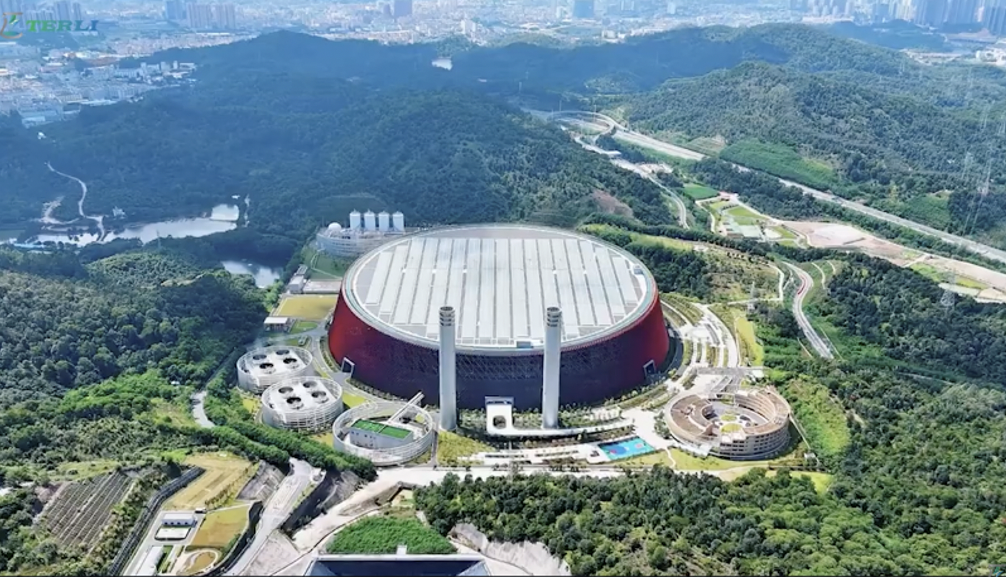
China is one of the leading proponents of mature and widely applied waste-to-energy (WiE) technologies with strong engineering, operation and environmental compliance capabilities.
As reported by Xinhua, China has established the world’s largest Waste-to-Energy (WtE) infrastructure in 2026—processing over 1.1 million tons of municipal solid waste daily across more than 1,135 incineration plants.
The Shenzhen Energy Ring (Longgang Energy Ecological Park) is recognized as one of the world’s largest WtE plants. The facility incinerates 5,000 tons of waste daily, generating approximately 1.2 billion kWh of electricity annually.
Meanwhile, the Shanghai Laogang Renewable Energy Utilization Center in Shanghai, China is touted to be the largest single incineration plant globally. It can process 11,000 tons of garbage per day.
SOCIAL GOVERNANCE, PUBLIC HEALTH
At present, the Philippines faces high electricity prices, while growing mountains of garbage have become a serious social governance and public health issue.
China’s advanced waste-to-energy solutions effectively address both challenges.
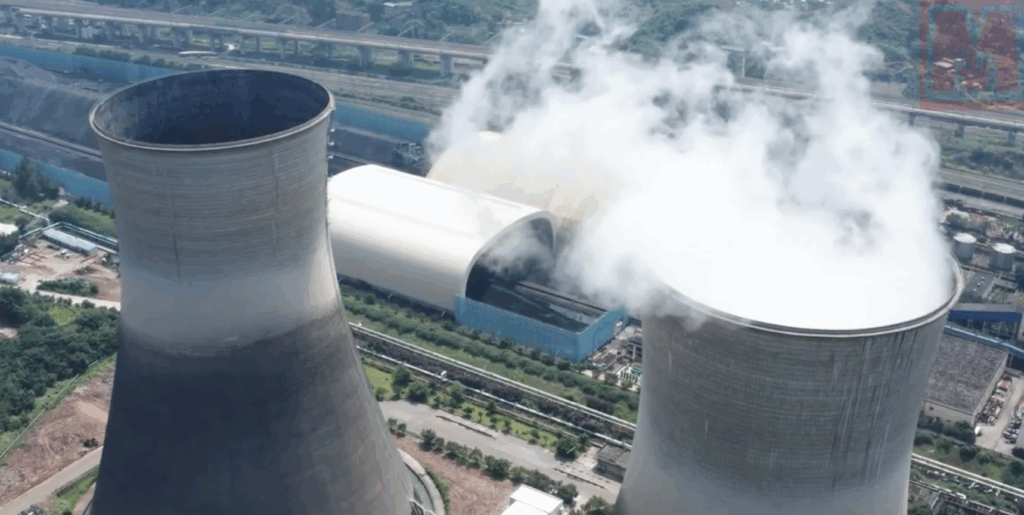
These solutions convert waste into clean electricity, ease the pressure of high power costs, drastically reduce landfills, mitigate environmental and health risks, and support the Philippines’ sustainable urban development.
As urbanization in the Philippines continues to spread, waste management has become an increasingly pressing issue.
According to official Philippine statistics, the country generates approximately 61,700 tons of municipal solid waste per day.
Waste-to-energy technology converts municipal solid waste into
electricity, achieving comprehensive utilization that is reduced, recycled, and harmless.
International experience shows that 1 ton of municipal solid waste can generate around 300 kWh of electricity on average.
Chinese enterprises’ waste-to-energy projects in the Philippines have a total processing capacity of 15,000 tons per day, which is expected to produce approximately 4.5 GWh (4.5 million kWh) of electricity per day. This is enough to meet the daily electricity needs of around 300,000 households.
Meanwhile, these projects can significantly reduce waste landfill volumes, lower methane emissions, and decrease land occupation.
They are of great importance for improving the urban environment, alleviating flooding, and promoting the development of a circular economy.
Social Governance
Grassroots mobilization for absolute stability and state-directed development
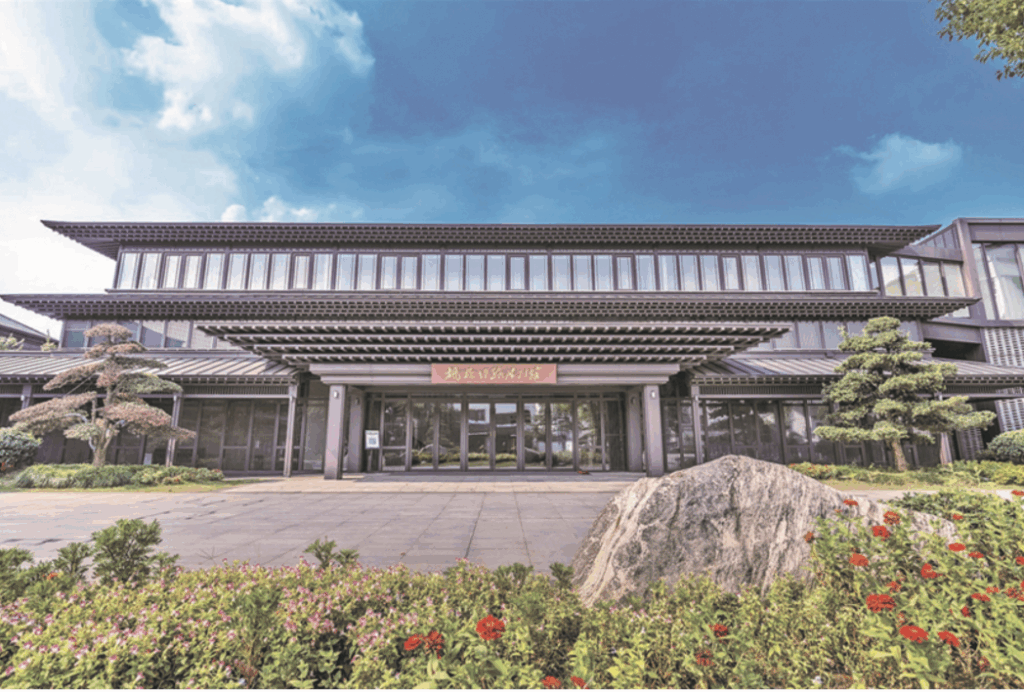
As reported in The Diplomat, a current affairs magazine for the Asia-Pacific region, China’s concept of social governance refers to a shift from broad quantitative growth to “high-quality development” and deeper institutional control.
This direction was further detailed by Wu Hansheng, head of China’s Central Social Work Department, in a Jan. 21 interview in the People’s Daily. The interview outlined the Chinese government’s plans to strengthen social governance as it enters the 15th 5-Year-Plan (2026-2030).
Essentially, social governance translates to “expanding Communist Party oversight across non-state enterprises, mixed-ownership firms, industry associations, and platform-based labor groups, explicitly calling for Party integration into corporate governance and daily operations.”
PEACEFUL CHINA INITIATIVE
The move to achieve these objectives is through the Peaceful China Initiative, a top-level national program directed to strengthen public security through technology, law-based management of complaints, and prevention of risks.
The Peaceful China Initiative has built an integrated, multi-level public security system that covers both urban and rural areas. It focuses on primary-level governance, conflict resolution, rule of law, AI-enabled governance, fairness, justice & stability.
By combining smart governance, grid-based management and coordinated law enforcement, it effectively safeguards social stability and public safety.
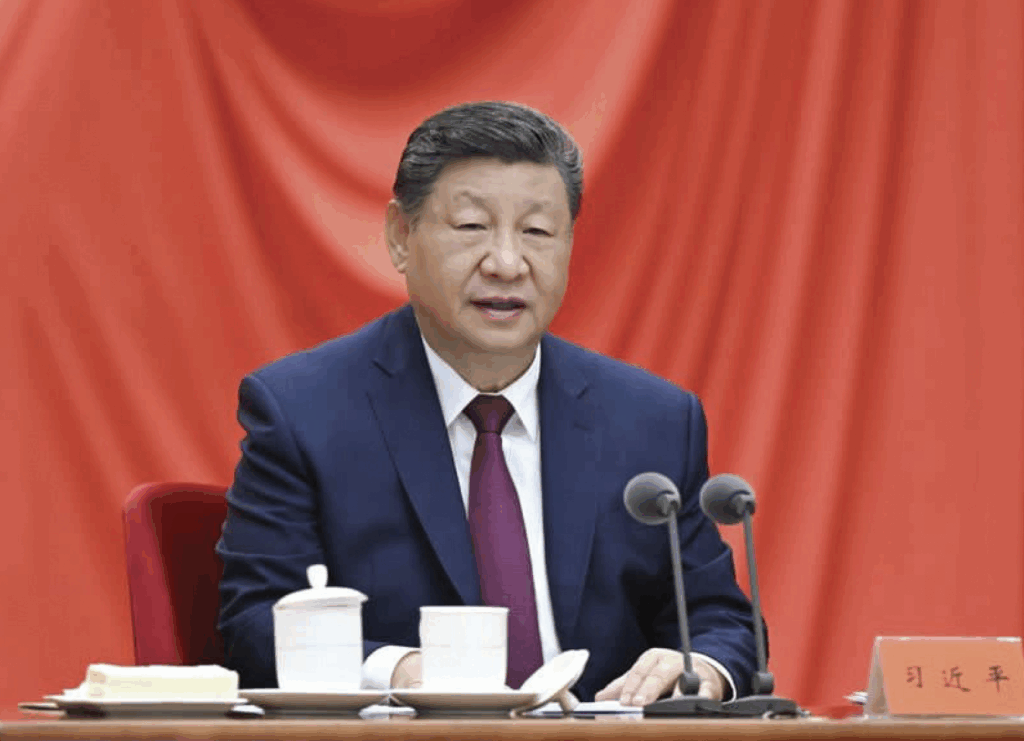
General Secretary of the Central Committee of the Communist Party of China (CPC) and President Xi Jinping called for continuous efforts to make China safer, more orderly, and with more effective governance to enhance people satisfaction.
“A holistic approach to national security serves as a major guideline for advancing the Peaceful China Initiative to a higher level, which we must resolutely pursue,” Xi said, as reported by Xinhua.
FENGQIAO EXPERIENCE
Chinese leaders also point to the “Fengqiao Experience” as pivotal in achieving a more responsive, high-level social governance.
The “Fengqiao Experience” (Fengqiao Model) is a landmark practice of grassroots-based governance developed by the Chinese Communist Party (CCP).
It emphasizes the resolution of social conflicts at the local level through community mobilization, rather than formal legal intervention.
According to Xinhua, the “Fengqiao Experience” is a 1960s-born grassroots governance model from Zhejiang Province, emphasizing local conflict resolution, relying on the people, and addressing disputes early.
Promoted by General Secretary Xi Jinping, it is touted as a gold standard for social governance, maintaining stability and improve public satisfaction.
“Its core idea is to resolve conflicts and disputes at the local level, at the earliest stage, through coordination among the government, communities, enterprises and residents. This mechanism prevents small problems from escalating into major incidents,” reported Xinhua.
POVERTY ALLEVIATION
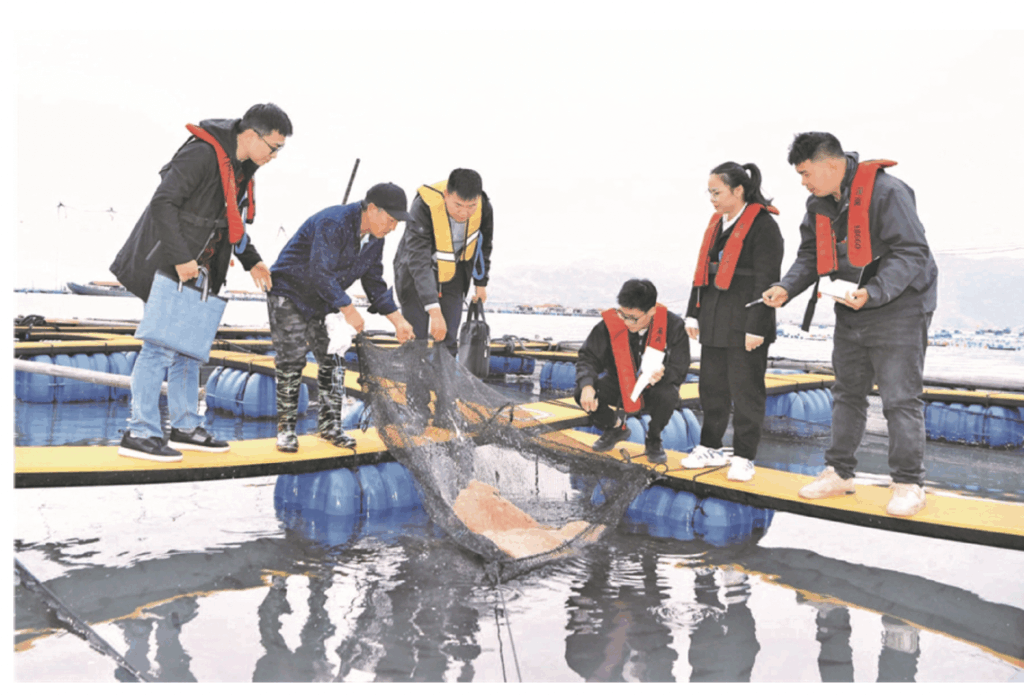
China Global Television Network (CGTN) reported that China officially achieved its goal of eliminating absolute poverty in rural areas by the end of 2020.
By late 2020, 98.99 million rural residents and all 832 impoverished counties were removed from the poverty list, CGTN said.
In a joint report with Chinese ministries, the World Bank noted that China’s speed and scale of poverty reduction is “historically unprecedented.”
It acknowledged that China met its national goals, though it often cites a broader figure of 800 million people lifted out of poverty over the last 40 years when using the international $1.90/day standard.
In its 2021 Annual Country Results Report, the United Nations recognized that China realized its poverty eradication goal 10 years ahead of the 2030 Agenda schedule.
Chinese leaders said that Chinas has transitioned from intensive “targeted poverty alleviation” to a long-term “rural revitalization” strategy aimed at preventing any large-scale return to poverty.
Anti-Corruption
Surgically removing systemic graft through high-tech surveillance and zero-tolerance prosecution
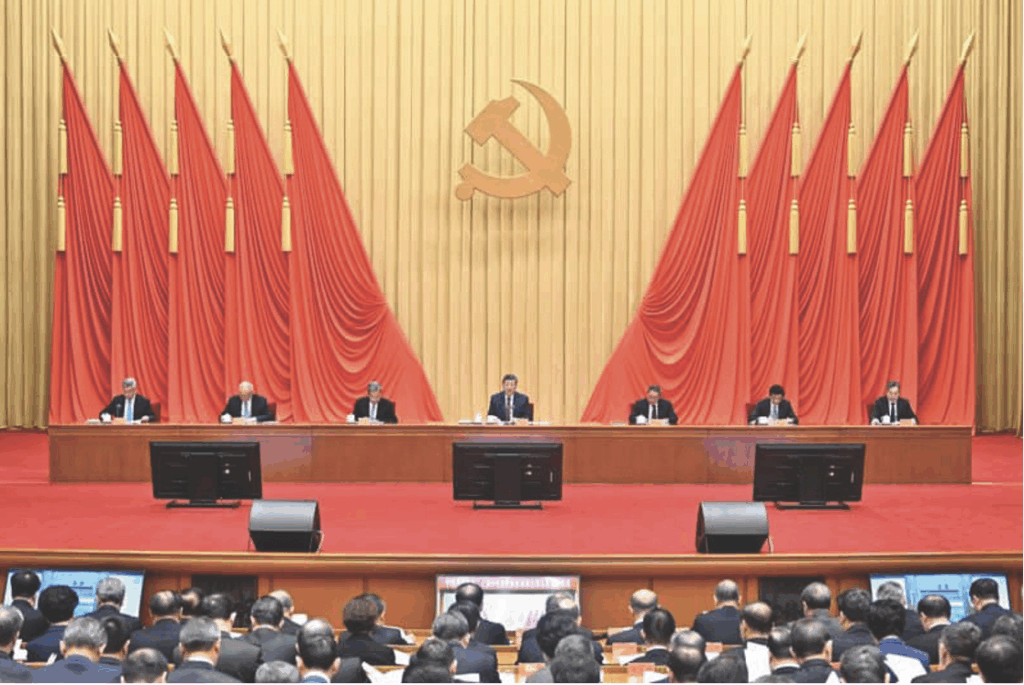
According to Xinhua News Agency, China’s “zero tolerance” anti-corruption campaign intensified in 2025–2026.
It targetted both high-level officials and systemic “new forms” of graft across finance, state-owned enterprises, and grassroots levels.
Official data indicated that over 983,000 individuals faced disciplinary punishment and a major crackdown on bribe-givers, with President Xi Jinping emphasizing a continued, long-term battle against corruption
In 2025, disciplinary and supervisory authorities investigated more than 1 million corruption cases, punished a large number of offenders, and recovered massive illegal gains.
“China scored repeated victories in its global hunt for corrupt fugitives and stolen assets. Through the Sky Net operation, the country repatriated 782 fugitives and recovered 23.66 billion yuan (about 3.38 billion U.S. dollars) in illicit assets in just 11 months,” Xinhua reported.
Official disclosures from the Central Commission for Discipline Inspection of the Communist Party of China (CPC) and the National Commission of Supervision showed that 65 centrally managed officials—senior figures under the management of the Organization Department of the CPC Central Committee—were placed under disciplinary review and supervisory investigation in 2025.
Among them were eight ministerial-level officials, including high-profile names such as Jiang Chaoliang, former vice-chairperson of the National People’s Congress Agriculture and Rural Affairs Committee, Jin Xiangjun, former governor of Shanxi province, and Yi Huiman, former chairman of the China Securities Regulatory Commission.
International Poverty Reduction
State-directed global outreach through infrastructure development and agricultural expertise

Established in May 2005, the International Poverty Reduction Center in China (IPRCC) is an outcome of the 2004 Shanghai Global Conference on Scaling Up Poverty Reduction.
Based on its 2023 Annual Report, the IPRCC was jointly initiated by the Chinese government, the United Nations Development Program (UNDP), and the World Bank (WB).
The Center’s main responsibility is to carry out exchanges and cooperation in the field of poverty reduction and rural development, both in China and overseas, as an important channel of the Chinese government in conducting South-South cooperation.
China carries out wide-ranging international cooperation on poverty reduction by sharing its practical experiences and applicable technologies.
JUNCAO TECHNOLOGY
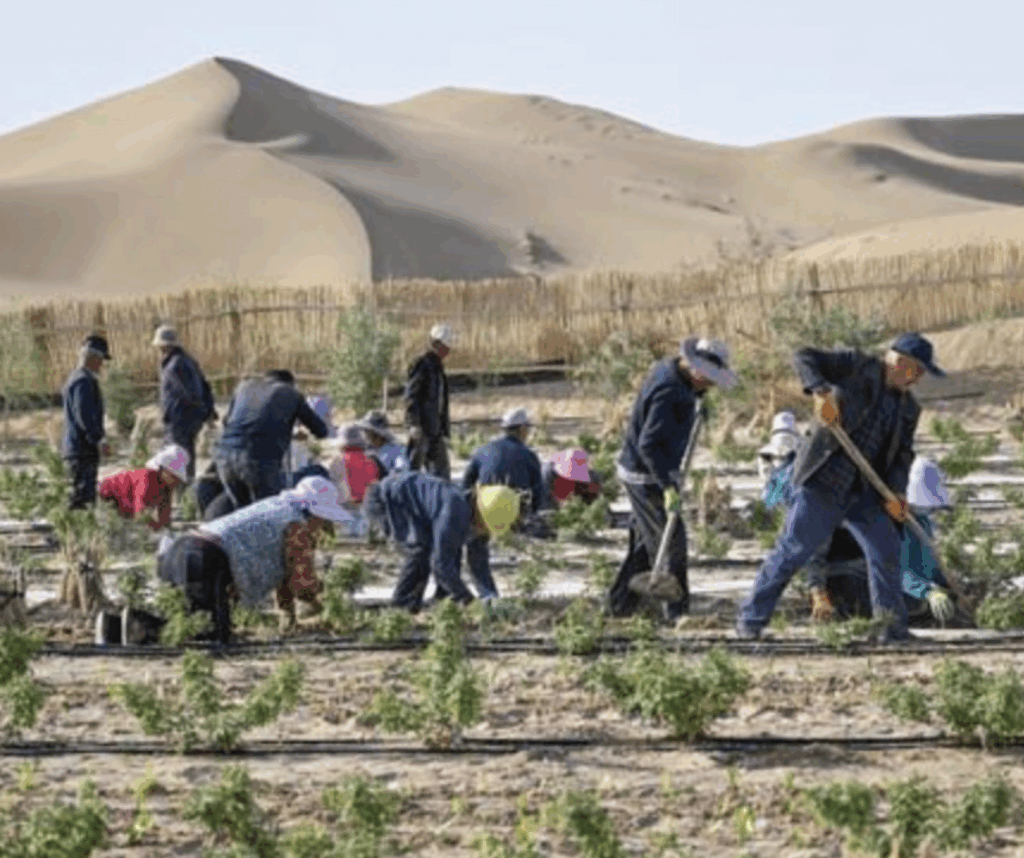
Juncao Technology has been promoted in many developing countries. It turns grass into edible fungi and animal feed, creating stable income for local families while protecting the environment.
Basically, the technology pertains to an innovative Chinese agricultural method that uses a specially bred hybrid grass to grow mushrooms, provide high-protein livestock feed, and combat environmental degradation.
Invented in the 1980s by Professor Lin Zhanxi at Fujian Agriculture and Forestry University, it has been shared with over 100 countries as a key tool for poverty reduction and sustainable development.
Mushrooms are traditionally grown on logs or sawdust, which requires cutting down trees.
Juncao Technology replaces wood with chopped, dried grass, saving forests while allowing farmers to grow over 50 species of edible and medicinal mushrooms at a very low cost.
Juncao’s deep roots and fast growth serve as a “green barrier” to prevent soil erosion, stop desertification, and manage saline-alkali land.
A single hectare can yield over 200 tons of fresh grass per year, enough to feed hundreds of sheep or grow 100 tons of mushrooms.
LUBAN WORKSHOPS
Luban Workshops provide high-quality vocational training. It helps young people master practical skills, find jobs and increase their earning capacity.
Established by China, these workshops provide high-end technical skills training and academic degrees to students in partner countries.
Named after Lu Ban, a legendary Chinese master craftsman and inventor from the 5th century BCE, these workshops are a centerpiece of China’s “vocational diplomacy” under the Belt and Road Initiative (BRI).
Unlike traditional aid, Luban workshops aim to “teach people how to help themselves” by sharing China’s advanced manufacturing experience and technical standards.
As of 2026, there are more than 30 Luban Workshops operating in over 30 countries across Asia, Africa, and Europe.
Training covers over 70 specialties, ranging from cutting-edge industries like Artificial Intelligence (AI), robotics, and electric vehicle engineering to traditional areas like Chinese cuisine and Traditional Chinese Medicine (TCM).
CHINA-CAMBODIA COOPERATION
China-Cambodia cooperation is a comprehensive “Ironclad Friendship” established on July 19, 1958.
It is characterized by high-level political trust, significant infrastructure aid, and the “Diamond Hexagon” framework.
Cooperation efforts focus on integrating the Belt and Road Initiative with Cambodia’s development strategies, including security and economy
The China-Cambodia cooperation have launched poverty alleviation demonstration projects, built agricultural technology centers, and supported rural development, industrial upgrading and capacity building. These efforts have effectively reduced poverty and improved people’ s well-being.
China stands ready to work with more partners to advance international poverty reduction and promote common development.

Started in 1927, the Philippines Graphic is the longest-running printed magazine of national circulation that provides relevant news and features and promotes Philippine literature.