

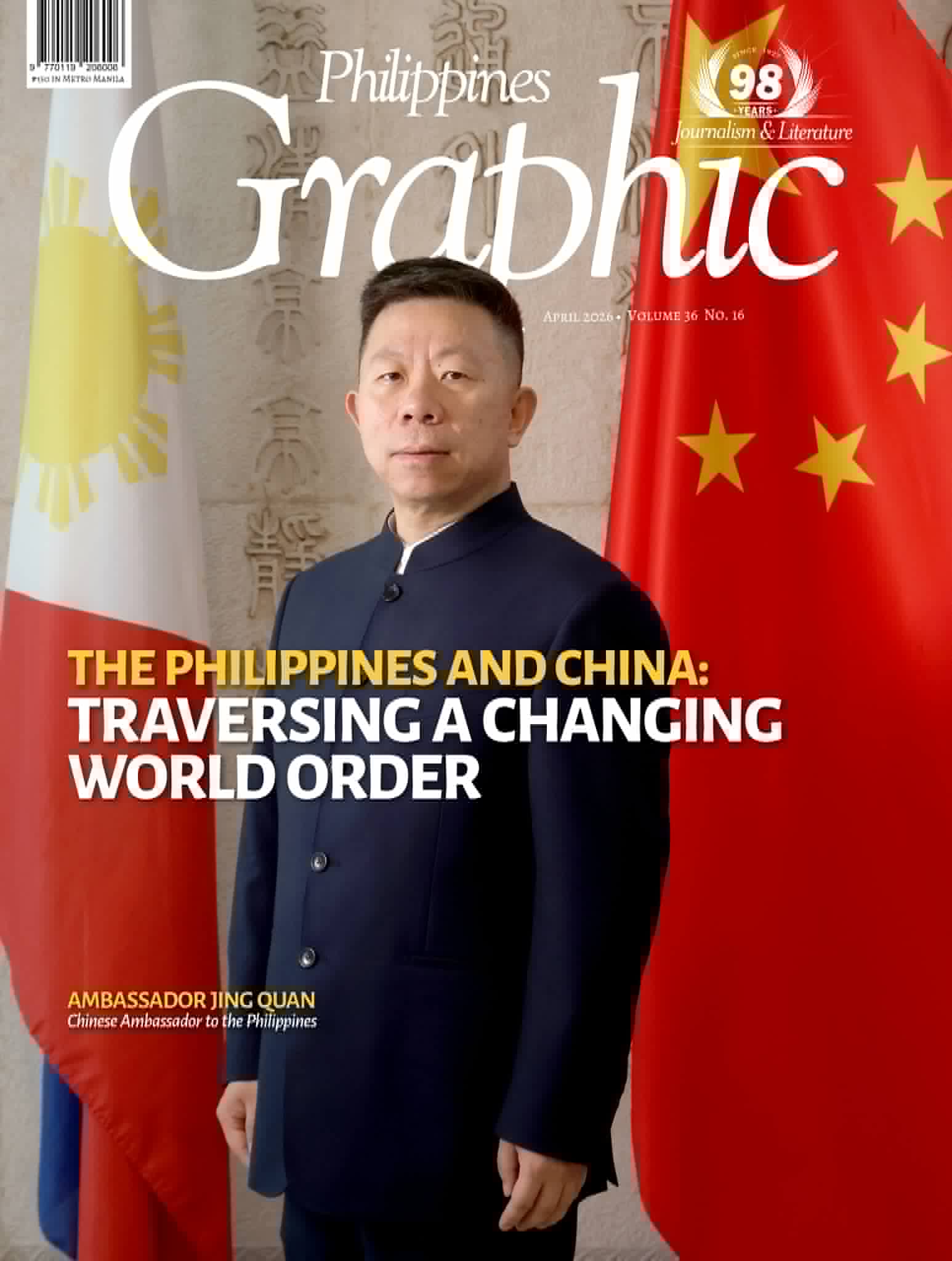

I’ve been in the Philippines for over four months now. It’s been busy. Some days mean seven back-to-back meetings, but what sticks with me isn’t the schedule. It’s the people.
Ordinary Filipinos are warm, sincere, and kind. The smiles, the handshakes—they remind me why this work matters: Keep China–Philippines relations steady, moving forward, and focused on bringing people closer, not pushing them apart.
There are some real signs of progress. After more than a year on pause, political dialogue is back. Three rounds of talks have already taken place, each building momentum and moving up a level. As official channels reopen, exchanges in culture, tourism, education, agriculture, and science and tech are picking up again.
And this isn’t just talk, it’s already showing results.
TOURISM
In January, the Philippines rolled out a 14-day visa-free policy for Chinese tourists. Since then, 120,000 Chinese visitors have come, a 57% jump year-on-year.
Flights are coming back too. A new Quanzhou–Cebu route opened at the end of March, and a Chongqing–Manila flight is set to launch on May 1.
Overall, flights are back to 47% of pre-pandemic levels, with more travel facilitating measures being discussed. The logic is simple: More people interactions lead to fewer misunderstandings.
LAW ENFORCEMENT
Law enforcement cooperation is also delivering. Both sides are working together against cross-border crimes like kidnapping, telecom fraud, and human trafficking.
Since 2023, joint efforts have led to 102 key fugitives being caught and 2,461 suspects tied to gambling and fraud being repatriated.
Just this year, 10 key fugitives have been arrested and 46 suspects sent back. These are practical steps that make people safer.
BIGGEST TRADING PARTNER
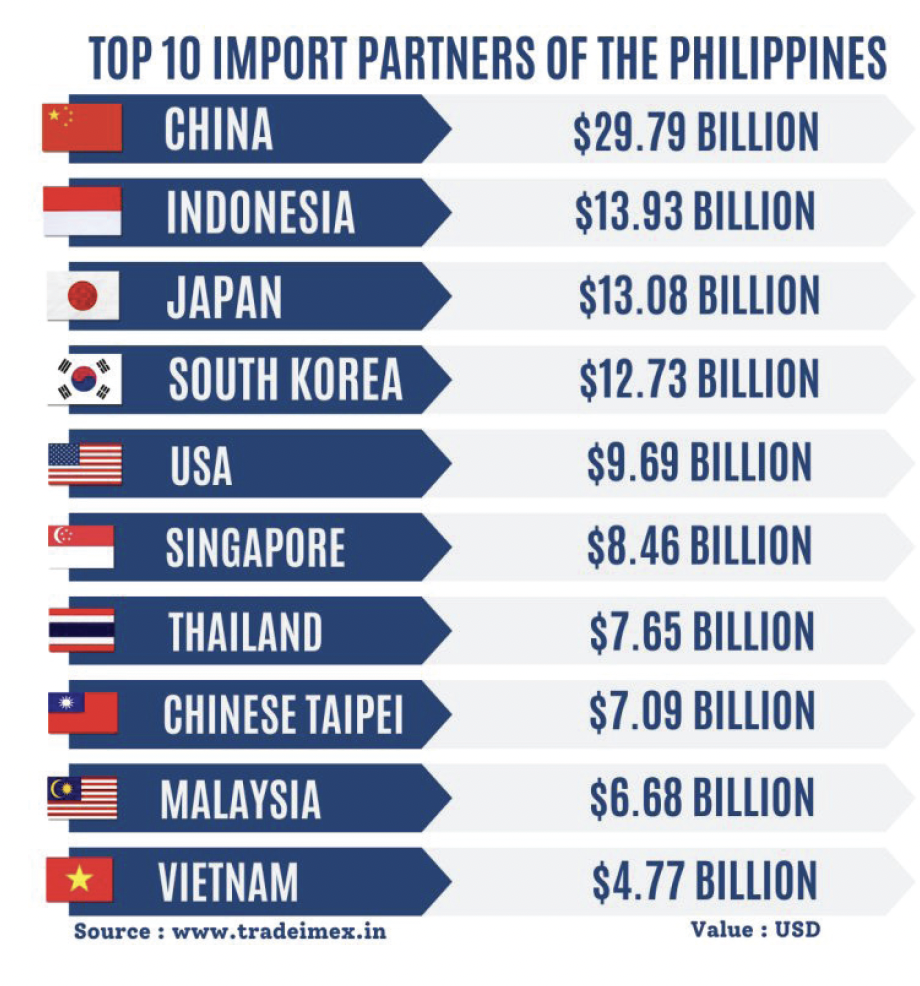
On the economic side, the fundamentals are still solid. China has been the Philippines’ biggest trading partner for 10 straight years, making up more than a quarter of its imports.
At the same time, China is buying more high-quality Philippine farm products. At last year’s China International Import Expo, just three durian exporters from Davao secured $36.6 million (PhP2.20 billion) in deals—real money going straight back to Filipino farmers and businesses.
INVESTMENT CHALLENGES
That said, challenges are still there. Years of limited political engagement have hurt investor confidence.
Chinese investment in the Philippines still trails other ASEAN countries. Last year, it was just over 10 billion pesos, far below Vietnam, Indonesia, Cambodia, and Laos, and only barely ahead of Brunei.
The takeaway is clear: investment goes where there’s stability. Without a predictable relationship, capital will look elsewhere.
CHINA GROWTH
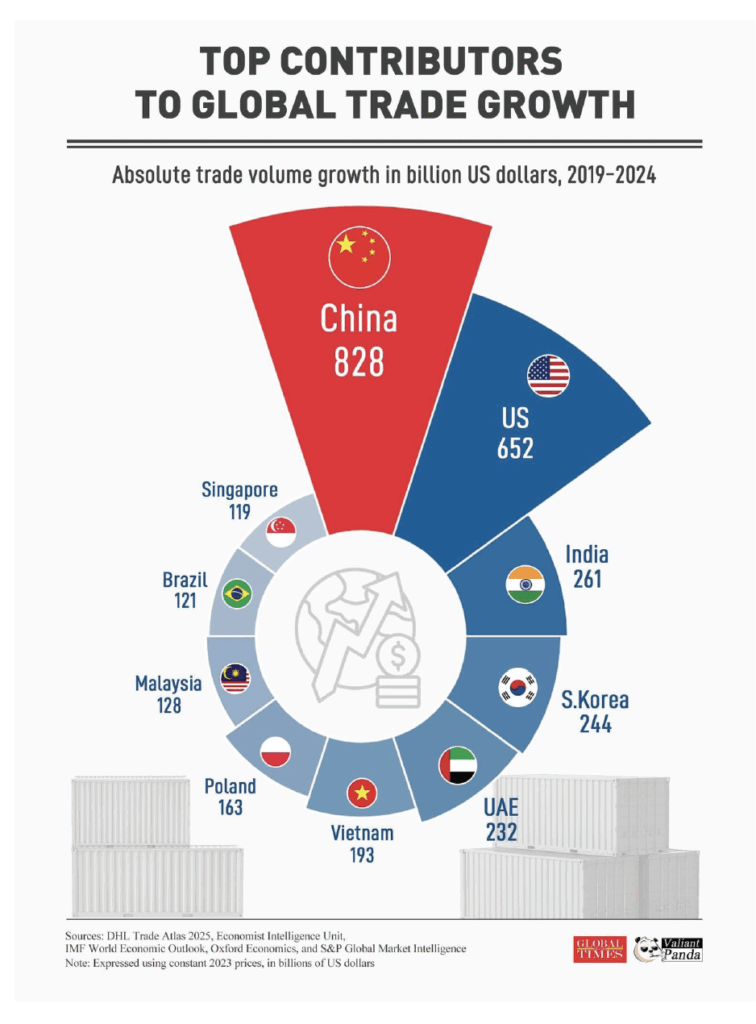
At the same time, China’s own growth is opening new doors. The recent “Two Sessions” approved the 15th Five-Year Plan (2026–2030), laying out the next phase of development. The direction hasn’t changed: China will keep opening up and sharing opportunities.
Today, China is a major trading partner for over 150 countries and regions and has been the world’s second-largest import market for 17 years.
Its middle-income group is expected to exceed 800 million people. That means steady demand for products like Philippine durian, mangoes, and bananas, and more tourists heading to places like Boracay and Bohol.
CHINA INNOVATION, INFRASTRUCTURE

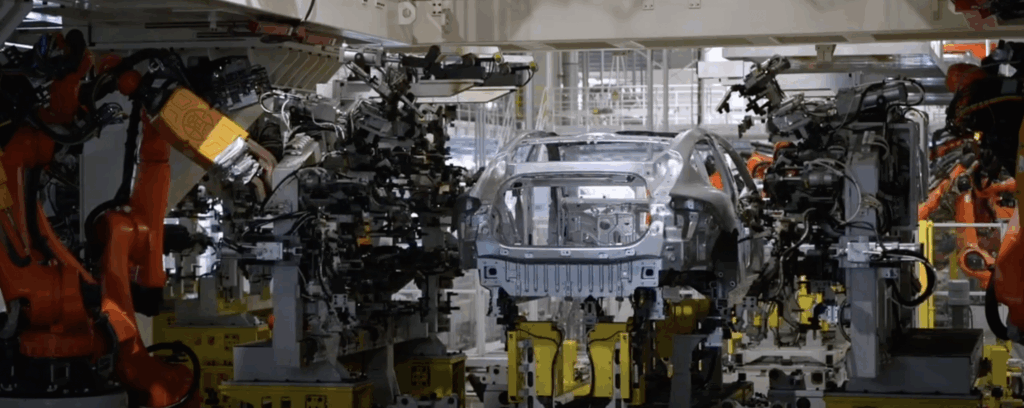
Innovation is another big area. AI, robotics, and new energy vehicles are reshaping industries.
Large models like DeepSeek are already being used in everyday applications, and companies like Unitree Robotics are showing what’s possible.
DeepSeek and Unitree Robotics are two of the most prominent tech companies from Hangzhou, China.
More than half of the world’s new energy vehicles are now in China. These aren’t distant trends, they’re tools the Philippines could tap into for industrial upgrading, if cooperation goes deeper.
Infrastructure matters too. Chinese companies have built railways, ports, power grids, and telecom networks worldwide, often at competitive costs. More cooperation here could help the Philippines close long-standing infrastructure gaps and improve daily life.
ACTION IS KEY
The opportunities are right in front of us—the key is to act. As neighbors, China and the Philippines should respect each other, learn from each other, and move forward together. A few areas stand out.
Clean Energy
The Philippines still depends heavily on imported fossil fuels, making it vulnerable to global price swings.
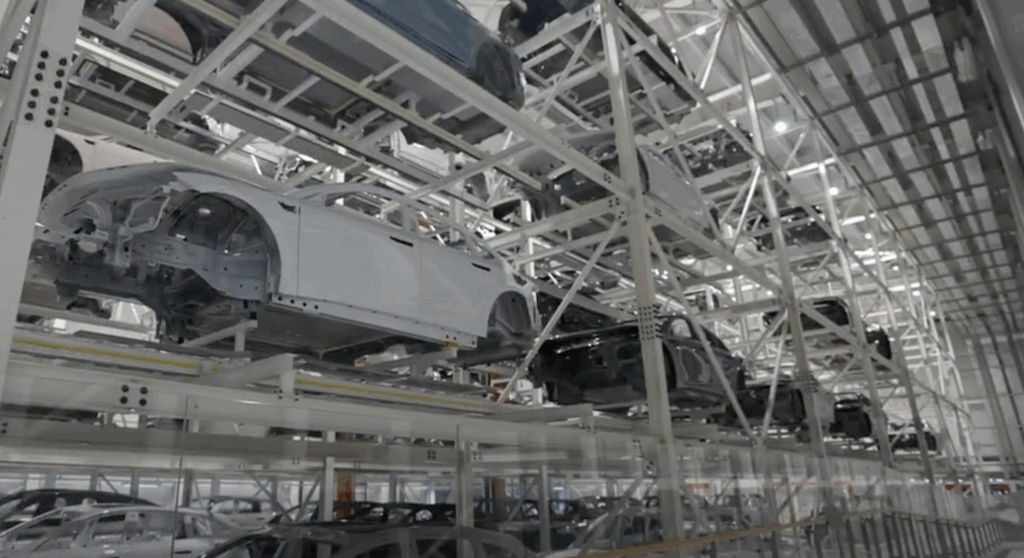
Lately, many local businesses have been reaching out to the embassy, hoping to bring in Chinese EV (Electric Vehicles) brands to help make transport in the Philippines greener. We’re actively following up and moving things forward.
China remains a global leader in energy transition. Projects like the Terra solar project and the Pakil pumped-storage hydropower project could become new benchmarks.
China’s waste-to-energy tech is also among the most advanced. A single plant can process at least 10,000 tons of waste a day and generate no less than 2 billion kWh of electricity a year, helping tackle both energy shortages and waste problems.
Digital Economy
The digital economy is another area to watch. As a driver of the fourth industrial revolution, China has made its AI architecture, training code, and data methods widely accessible.
Costs can be as low as one-sixteenth or even less than comparable US models. That opens doors for developing countries.
The Philippines has already launched a national AI roadmap aiming to become a regional hub. Closer cooperation here could pay off.
Agriculture
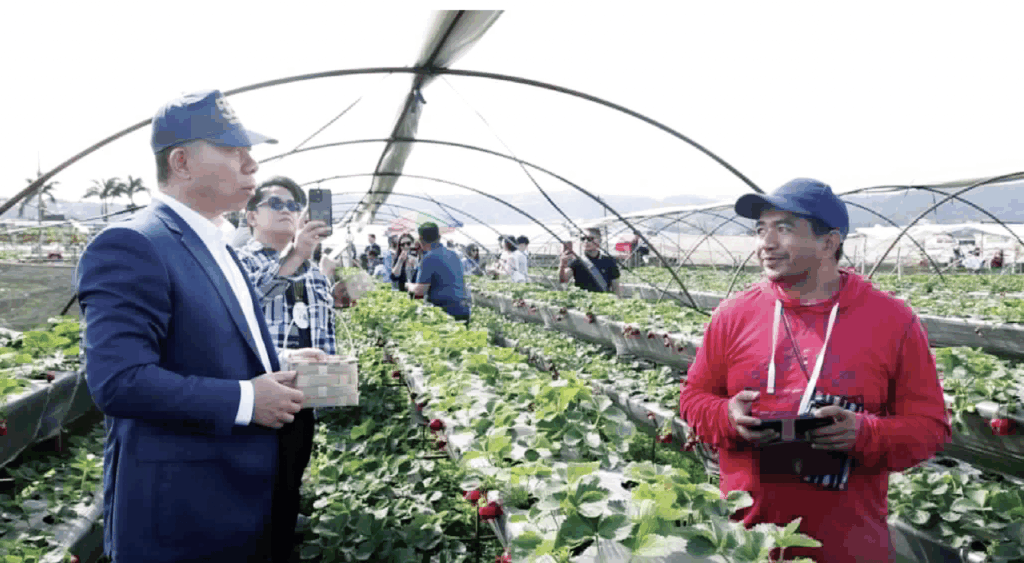
Agriculture may bring fast results. Modern cooperation can help deal with limited farmland and natural disasters. Agriculture may bring fast results. Modern cooperation can help deal with limited farmland and natural disasters.
I recently visited SL Agritech Corporation in the Philippines to observe their field trials and how Chinese hybrid rice is being applied.
The technology can increase yields from about 4–5 tons per hectare to around 7–8 tons. In top-performing fields, yields can reach 15–17 tons—up to three times higher than traditional local varieties.

Hybrid rice is now cultivated on over 2 million hectares nationwide, contributing to higher production and better farmer incomes. The Chico River Pump Irrigation Project supports 8,700 hectares of farmland.
“The people of China and the Philippines are both warm and kind. There’s every reason to get along and look out for each other, and no reason for hostility.”
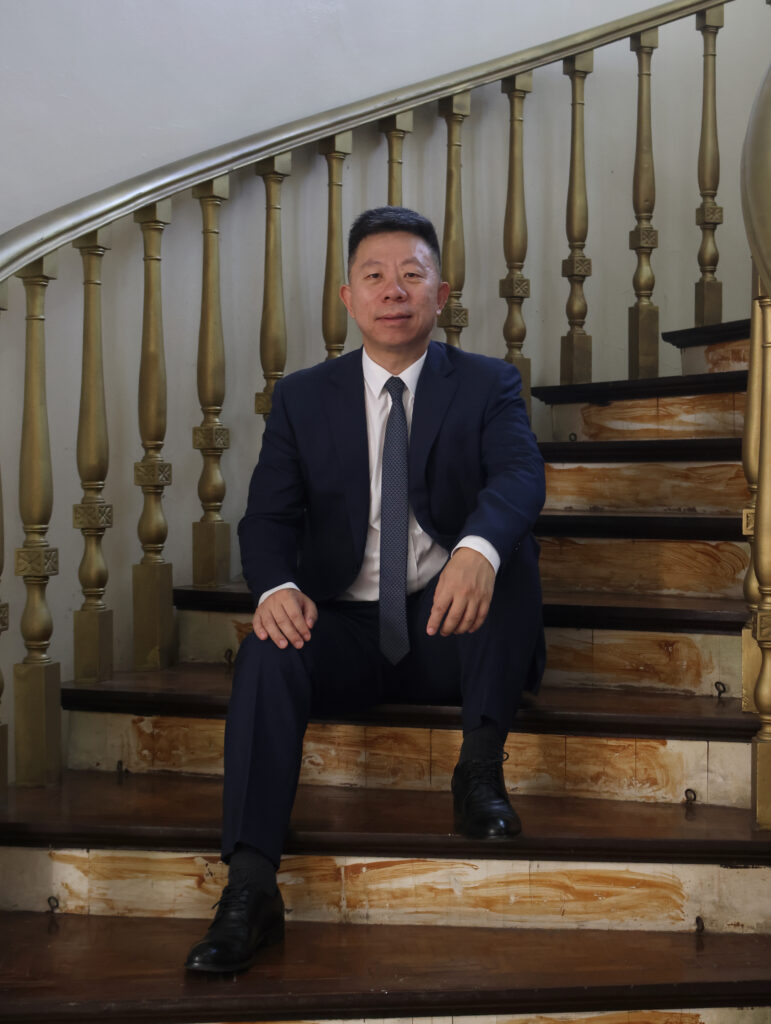
One issue that still casts a shadow over China-Philippines relations: the South China Sea. But it’s only one part of the relationship. When it takes over the whole agenda, everything else—trade, investment, tourism—takes a hit. Reducing the relationship to a single issue limits what both sides can gain.
There are four basic ways to deal with these disputes.
First, fight. Clearly, neither side wants that. China has never invaded or colonized other countries, and peaceful development is written into its policies and institutions, including the Constitution of both the country and the ruling party. In a world still dealing with conflicts in places like Iran, Gaza, Ukraine, and Venezuela, peace shouldn’t be taken for granted. The Philippines, in this context, has every reason to value having a neighbor that consistently upholds and practices peaceful development and cooperation.

Second, talk. China supports resolving differences through dialogue. The South China Sea issue should be handled properly, while cooperation continues elsewhere. In fact, discussions on joint fishing zones started again just last month.
Third, status quo. If a solution isn’t possible for now, both sides should keep a safe distance. Uninhabited islands and reefs in the South China Sea should remain free of people and facilities. Avoid actions that could provoke or challenge the other side, and steer clear of unexpected incidents that might trigger tensions or escalate the situation.
Fourth, joint development. The China Coast Guard and Philippine Coast Guard can work together on search and rescue and environmental protection. The Philippines has recently shown interest in joint oil and gas development. The two sides even signed an MOU back in 2018. If it had been implemented earlier, the Philippines might already be benefiting. It’s not too late—as long as there’s willingness, the door is open.
At the same time, there’s a concern worth noting. Some voices in the Philippines make a living out of anti-China rhetoric, pushing claims like “China is bullying the Philippines” or “China is the biggest threat.” These narratives stir hostility and hurt relations. One poll even says 79% of Filipinos see China as the biggest threat.
The Chinese Embassy sees itself as both a bridge for cooperation and a defender of China’s interests. Dialogue is welcome, including on disagreements. But baseless attacks aren’t. When false claims spread, there will be clear and firm responses. That’s both a responsibility and a right.
FACTS
It’s also worth looking at the facts.
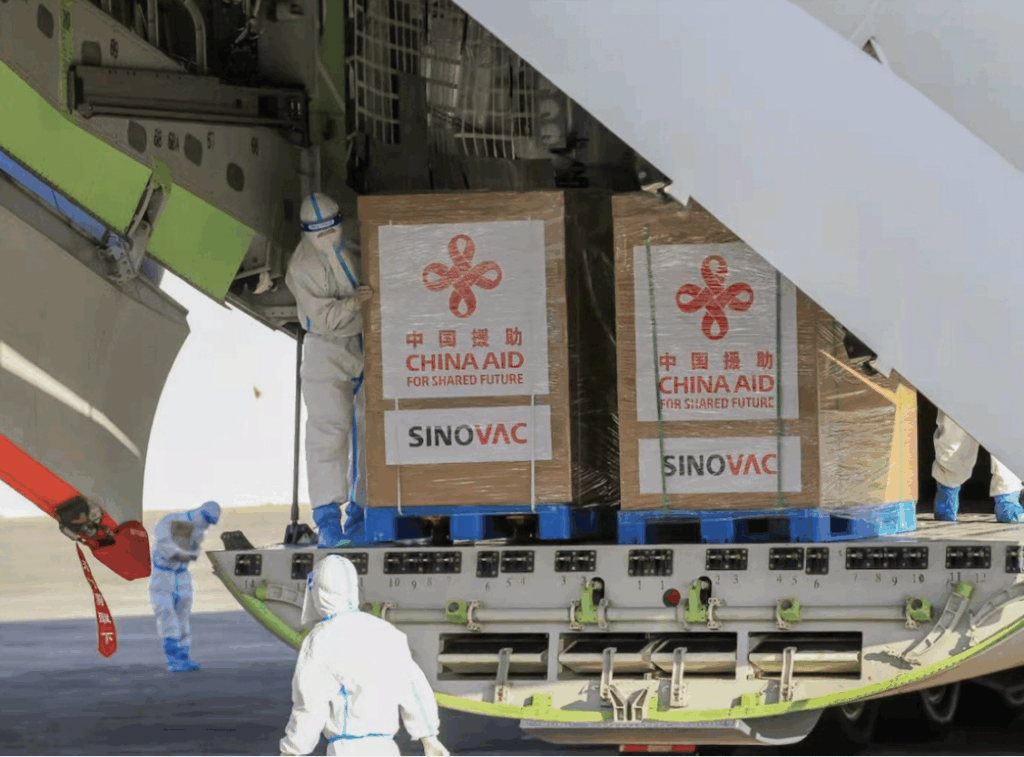
If China were truly the Philippines’ biggest threat, would it have provided 55 million vaccine doses during COVID-19, especially when supply was tight? Philippine officials themselves said China was the first, most stable, and largest source of vaccines.



Would it have supported infrastructure like the Estrella–Pantaleon Bridge, Binondo–Intramuros Bridge, and Davao Bucana Bridge?
Would it have sent aid after typhoons and earthquakes, most recently US$1 million in cash and RMB 10 million in supplies at the end of 2025?
Would it have donated 20,000 tons of fertilizer during the 2023 global shortage following the Ukraine crisis?
Not to mention the assistance from the Chinese government, institutions, and companies—just our Embassy alone has, helped build six basketball courts for schools and communities in remote areas of the Philippines over the past two years.
HISTORY
History adds another layer. China and the Philippines have been neighbors and friends for over a thousand years. More than 600 years ago, the King of Sulu, Paduka Batara, visited China and was warmly received by the Yongle Emperor. He passed away on the journey home and was buried in Shandong, where his descendants still live today. That story still resonates.
I also visited Binondo during the Spring Festival. For over 400 years, it’s been a living symbol of cultural exchange. Generations of Chinese migrants have built lives in the Philippines, contributing to its economy and society. They are, in many ways, bridges between the two countries.
This long history reflects a simple idea: China isn’t looking to carve up its neighborhood into spheres of influence, stir up bloc rivalries, or shift problems onto others—let alone bully smaller countries or start conflicts. Its approach has been consistent: be a good neighbor, keep the region stable, and grow together. In practice, that means dealing with neighbors in good faith, with sincerity and mutual benefit, and keeping things open and inclusive. It also means supporting open regional cooperation and real multilateralism.
The people of China and the Philippines are both warm and kind. There’s every reason to get along and look out for each other, and no reason for hostility. Friendship between countries isn’t a zero-sum game. China’s friends can also be friends with the United States, and the same goes the other way around.
So instead of asking whether the Philippines should be “pro-China” or “pro-US,” maybe the better question is: why not be “pro-Philippines”? Like many ASEAN countries, the Philippines can maintain balanced relations with both. That’s what best serves its long-term interests.
Ultimately, the future of China–Philippines relations depends on the choices made today. On December 11 last year, before presenting my credentials to President Ferdinand Marcos Jr., I saw photos in Malacañang marking key moments in bilateral ties. A quiet reminder of how much has been built over the past 50 years.
That legacy comes with responsibility—and opportunity. When people look back 50 years from now, hopefully they’ll see this period as one where the right choices were made: keeping relations stable, strengthening ties, and bringing people closer together.