The Virgin Labfest (VLF), the country’s pioneering theater festival of untried, untested, and unstaged one-act plays, has long been a platform for new voices and daring stories.
Now in its 21st edition, VLFXXI: Hubo’t Hubad strips away pretense and invites audiences to confront the raw truths of identity through 12 new scripts and three returning works.
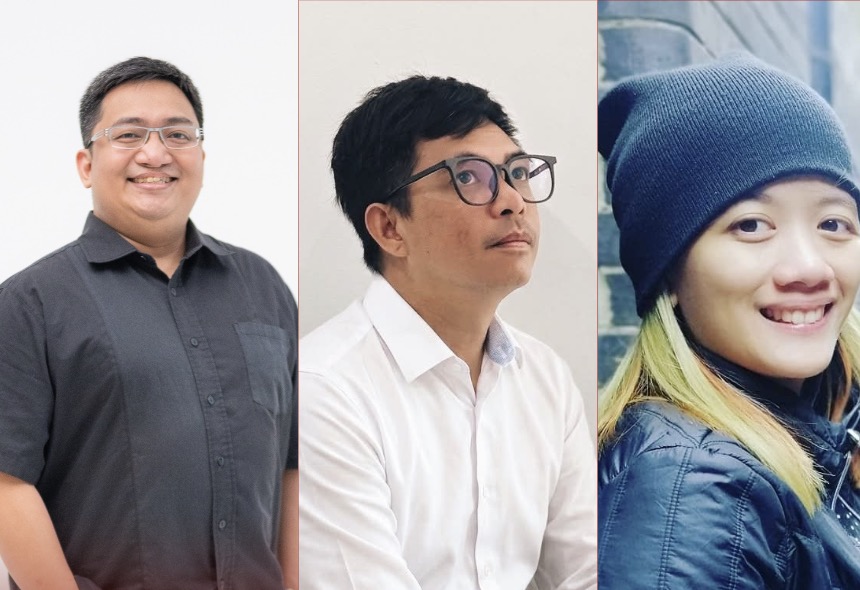
While playwrights and performers often stand at the forefront of these narratives, another group of artists works behind the scenes to shape how audiences see, hear, and ultimately feel each story. For lighting designers Roman Cruz and Loren Rivera, and sound designer TJ Ramos, the festival’s theme resonates not only in the stories themselves, but also in the creative process of bringing them to life.
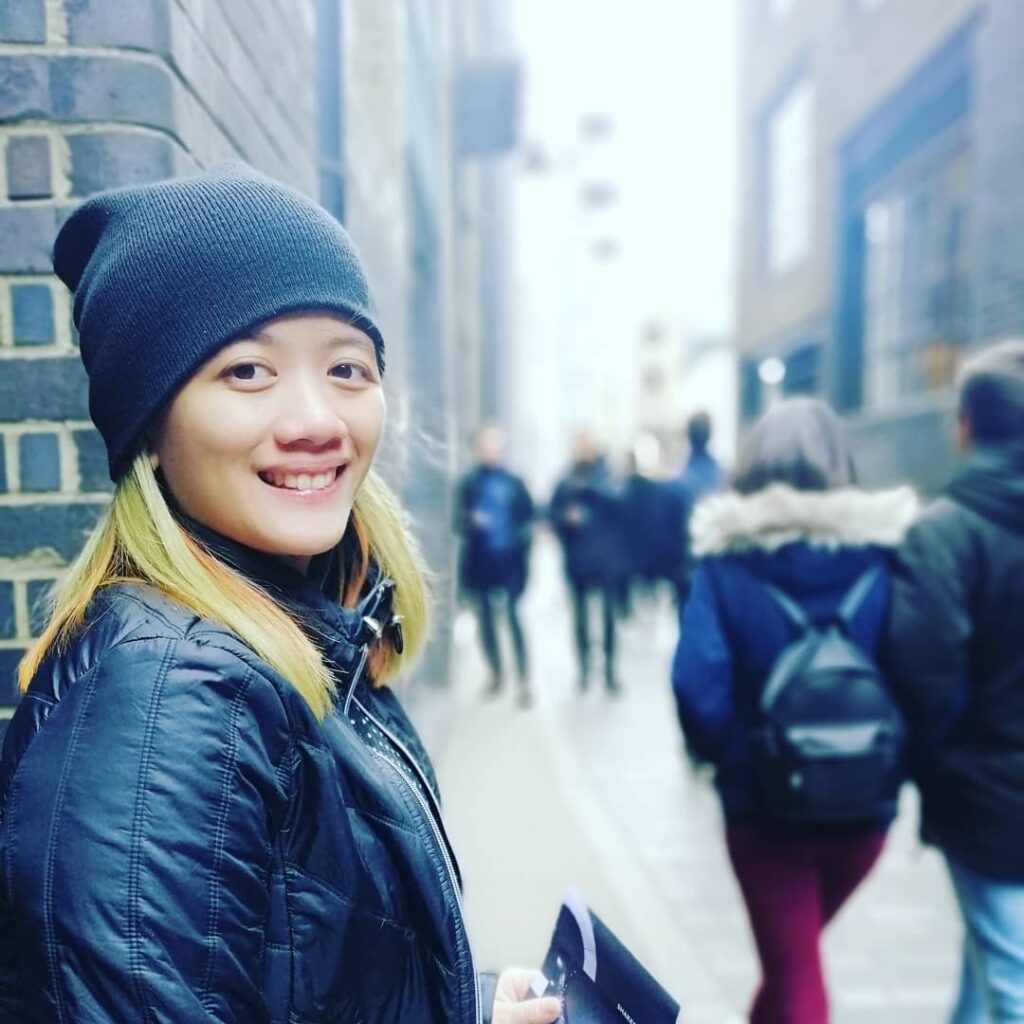
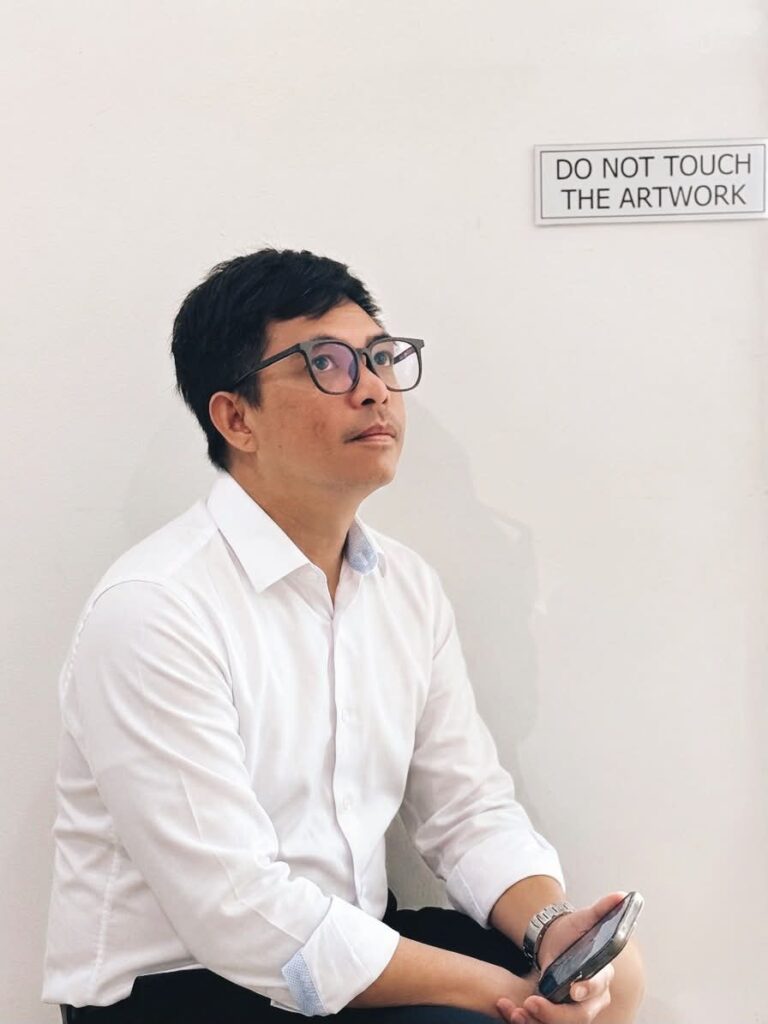
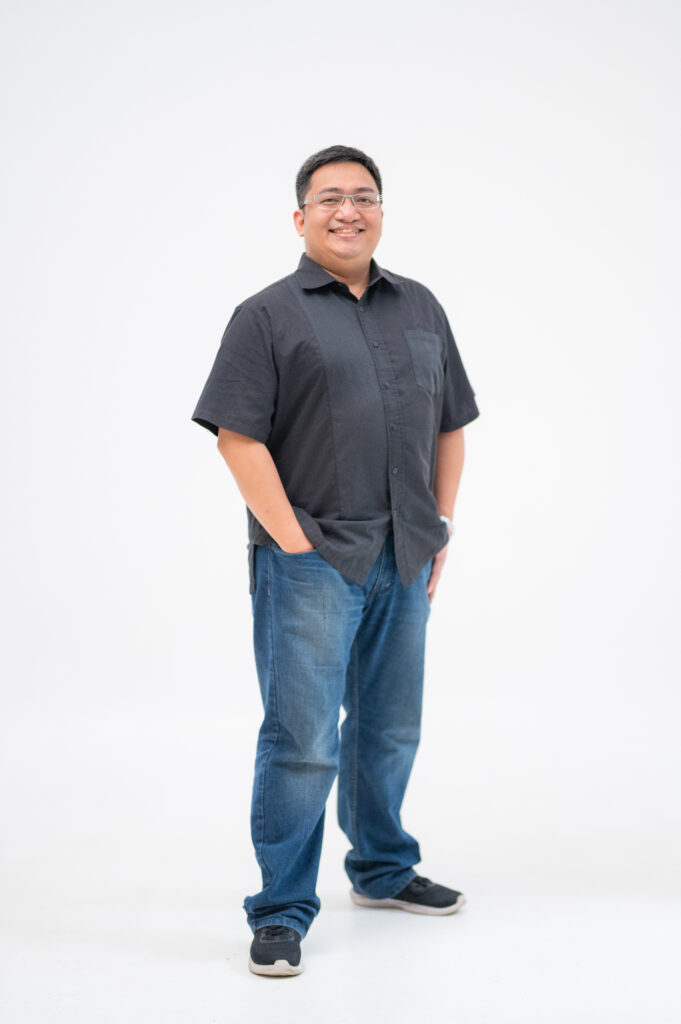
For Cruz, Hubo’t Hubad reflects the vulnerability inherent in theater-making itself. Every year, designers are tasked with interpreting works that have never been staged, requiring them to build visual languages from scratch.
“Lighting is an extremely visual element of a production,” he says. “Even after carefully analyzing the script and identifying the components you believe will be needed, there is always a sense of nervousness about whether the design will truly achieve its intended impact until you finally see it on stage.”
That uncertainty is part of what makes VLF unique. Although audiences experience the festival through compact one-act plays, the creative process begins months before opening. Cruz explains that the team spends extensive time studying scripts, attending meetings, observing rehearsals, and refining technical requirements before the productions reach the stage.
This year, the lighting department also welcomed new lighting associates Third Salamat and Charlotte Despuez, expanding the team’s capacity to support the festival’s diverse roster of productions.
For fellow lighting designer Rivera, VLF’s compressed format demands a balance between speed and intentionality.
“It is much the same process, but done in a shorter amount of time,” she explains. “Design decisions have to be made swiftly, but still with careful consideration for collaborators and resources.”
Those considerations become especially important in a festival setting where multiple productions share the same venue, equipment, and technical schedule. A lighting cue that serves one play must coexist with the needs of several others, all while fitting within tightly coordinated transitions.
Yet Rivera sees these challenges as part of what makes VLF special.
“What I always look forward to is working again with familiar people I’ve collaborated with in the past, while at the same time facing the challenge of working with people I’ve never worked with before,” she says. “No matter how challenging things get, it still feels like a community coming together to design for VLF.”
That spirit of collaboration extends beyond lighting. Throughout the festival, designers regularly exchange ideas with directors, actors, fellow designers, and even apprentices, allowing each production to evolve through collective creativity.
For sound designer TJ Ramos, collaboration is at the heart of the process.
“I give my ideas to the director,” he shares. “If it works, then okay. If it doesn’t, let’s try other things.”
The exchange goes both ways. Ramos actively welcomes suggestions from fellow designers, directors, and younger apprentices, recognizing that fresh perspectives can often unlock new creative possibilities.
“I do not discount them,” he says. “They may have new takes, new ideas. Sometimes you realize, ‘Oo nga, pwede nga ‘yan.'”
As head of the sound department, Ramos also faces the challenge of overseeing multiple productions simultaneously. Rather than designing every play himself, he now mentors a team of trusted designers assigned to different sets of productions, offering guidance and feedback while allowing each artist room to contribute their own interpretation.
The approach mirrors VLF’s larger mission of nurturing emerging theater practitioners alongside established artists.
For this year’s festival, Ramos is also introducing new sonic innovations, including the use of surround sound technologies that aim to deepen audience immersion. While the stories remain rooted in the Filipino experience, the technical possibilities continue to evolve.
“In terms of my work, it’s still the same throughout the years,” he says. “But we’re adding new innovations.”
In a festival centered on revelation and vulnerability, lighting and sound become essential instruments of unmasking. They shape the spaces where the deepest layers of each story are brought into view.
For Cruz, the process reaches its most rewarding stage when all theatrical elements finally converge.
“The magic truly happens when all the elements come together,” he says. “When we begin building the lighting cues, blending them with sound and projection design, and running everything with the actors onstage, that’s when the final output becomes a unified theatrical experience.”
As VLFXXI: Hubo’t Hubad invites audiences to uncover the many layers of the human soul, designers like Cruz, Rivera, and Ramos play a vital role in that act of revelation. Their work may unfold from the shadows of the control booth or the wings of the stage, but it shapes every moment audiences experience.
And in a festival devoted to telling stories of communities, cultures, and shared humanity, perhaps that is their greatest hope – that audiences not only watch the stories unfold, but recognize themselves within them.
“I just hope that they could resonate with our work,” Ramos says. “Hopefully through sound and the rest of the elements, they get to remember things and connect with themselves.”
Catch the remaining shows of VLX XXI: Hubo’t Hubad every Wednesday to Sunday at 2 p.m. and 8 p.m. until June 28, 2026, at the Tanghalang Ignacio Gimenez (CCP Blackbox Theater).
Started in 1927, the Philippines Graphic is the longest-running printed magazine of national circulation that provides relevant news and features and promotes Philippine literature.