
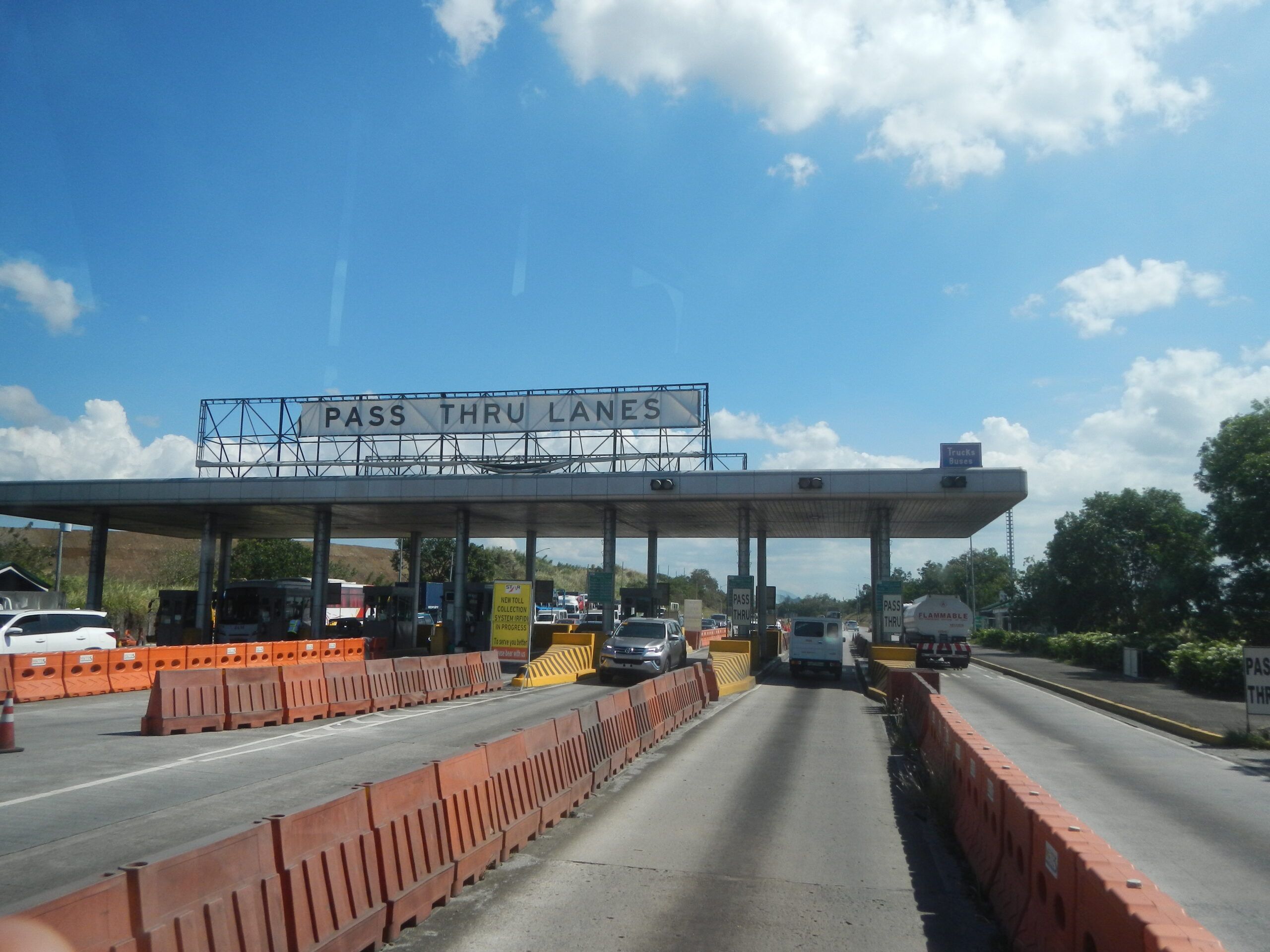
Labor group welcomes suspension of cashless toll policy; questions TRB’s “bias toward toll operators”

Share

The NAGKAISA Labor Coalition has welcomed the suspension of the mandatory cashless toll collection system, citing its unfair impact on low-income motorists.
20ed4274 562c 4cb6 Af1b F0d3cb8b4121
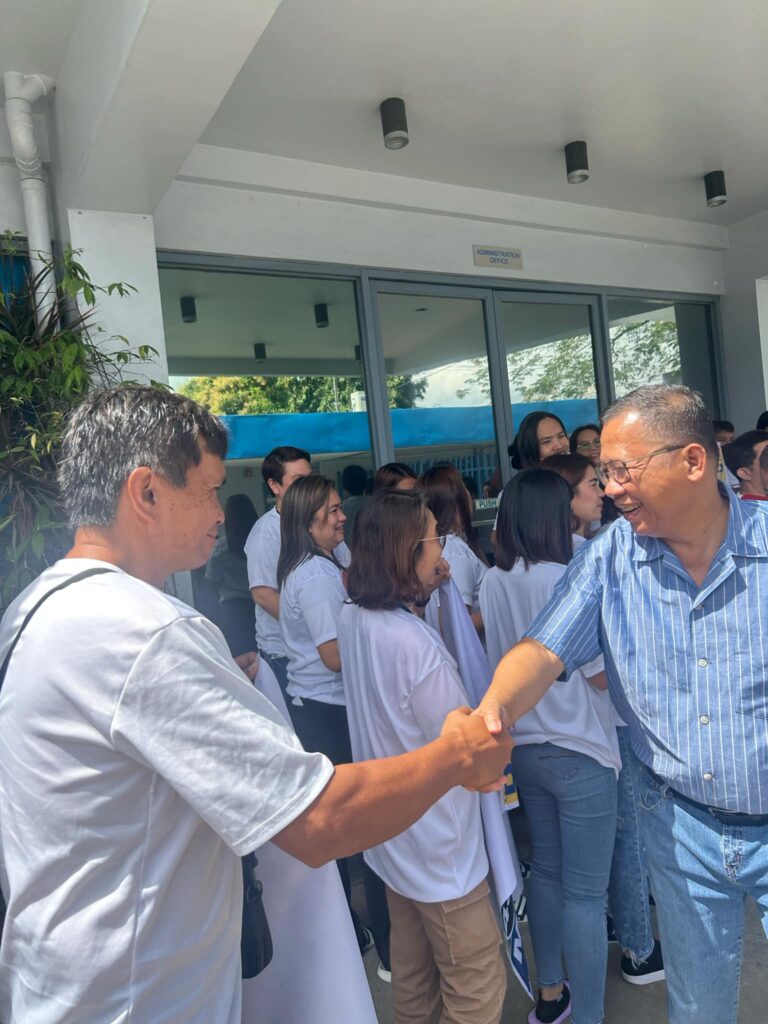
Atty. Sonny Matula, NAGKAISA chairperson and senatorial candidate under the Workers’ and Peasants’ Party (WPP)

“This is a win for our advocacy and will benefit workers and motorists who will be burdened by an anti-poor policy. We commend Transport Secretary Vince Dizon for recognizing the unfairness  and taking action,” said Atty. Sonny Matula, NAGKAISA chairperson and senatorial candidate under the Workers’ and Peasants’ Party (WPP).

Matula, who is  also the president of the Federation of Free Workers (FFW), questioned the Toll Regulatory Board (TRB) for expressing  strong support for the policy.

“Are TRB officials allowing themselves to be used for the benefit of greedy toll operators? Why is TRB prioritizing their profits over motorists’ rights?” he asked.

Nagkaisa and the FFW called on the Department of Transportation (DOTr) and the TRB to ensure that cash remains an option for toll payments.

The labor coalition likewise urged both government agencies to put a stop on excessive penalties for insufficient RFID balance and to refrain from holding toll operators accountable for system failures.

 “Suspending the policy is just the first step. We need long-term reforms to protect motorists from unfair toll practices,” Matula concluded.
Table of contents [hide]

Read More

Joaquin: In the nick of time

The country’s best writers and cultural institutions paid homage this year to the 100th anniversary of the late National Artist Nick Joaquin. Ironically, had Joaquin been around, he might never have allowed the tributes and accolades given in his honor. Or maybe, he would, but at great discomfort. Said writer Jose ‘Pete’ Lacaba, “Sinasabi sa amin ni Nick pag dumadalaw kami sa mga burol ‘ayaw ko ng mga tribute-tribute. Ibalot niyo na lang ako sa banig, itapon niyo ako sa Pasig River.’ Pero tinatanggap din naman niya pag binigyan siya ng award [Nick would tell us whenever we were in a wake, ‘I don’t like tributes. Just wrap me in a mat and throw me in the Pasig River. But he still would accept every time he is given an award].”

The World in the time of Nick Joaquin

Europe, the seat of everything that was grand, powerful, and prosperous, was caught in the teeth of the First World War, the year Nicomedes Márquez Joaquín was born on May 4, 1917. It was half a world away from a boy who would emerge half a century later as one of the greatest literary minds in a poor and exploited country still caught in its own, long drawn-out war of independence in 1917.

They who wrote for the Philippines Graphic

“Our sense ... of our country is a sustained act of imagination. From that vantage, it can be said that our writers and artists, who are men and women of imagination, create our country (italics mine). That is to say: they evoke those images of ourselves as we live life day and night, those images of ourselves which we share and by which we recognize our nativity. We are our own best interpreters of our history and culture because it is we who have lived through that history and created our own values by which we live.” —National Artist for Literature Gemino Abad

Do you still see bloodred dragonflies?

It’s a four-year-old book of poetry—a slim book, all of 90 pages, with 55 poems published in 2022, ready to be read and absorbed. And for English-proficient third-millennium Filipinos—whether aspiring for comfort or already living in ease—the images spun by 16 of the 55 poems hark back to a time beyond their consciousness. That is why Jim Pascual Agustin’s Bloodred Dragonflies can be the metaphorical blood transfusion required to pump poignant, visual, and painful cells of old memory into the veins of the unconcerned and unaware.