

VIA GRAPHIC PLUS — Since taking office on June 30, 2019, Governor Rodito T. Albano has championed a people-centered approach to progress in Isabela. Grounded in the belief that development is hollow without human investment, he has prioritized primary health care, maternal and child nutrition. As the Governor often emphasizes: “The thrust of my government is to invest in people.”
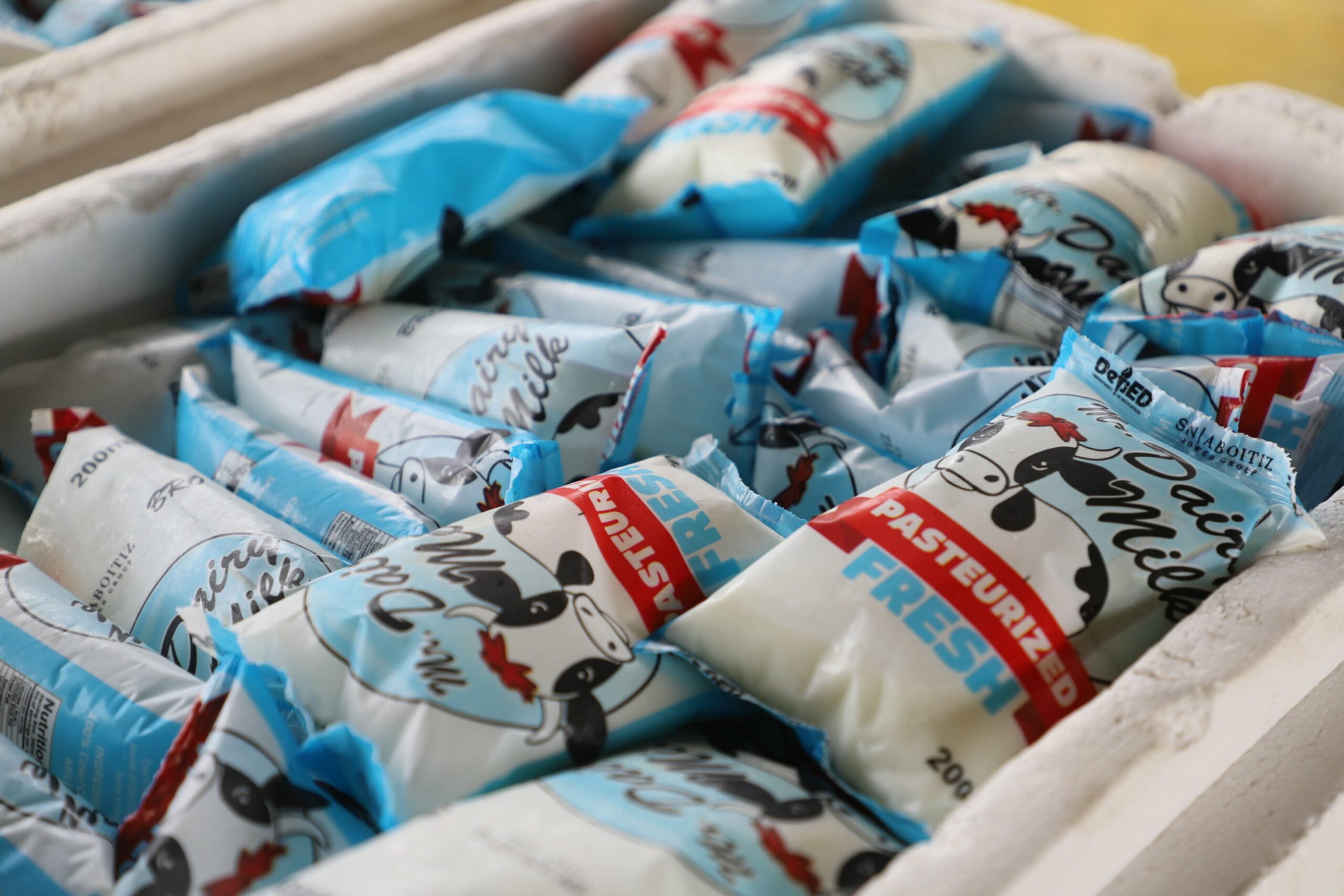
Driven by this vision, the province launched a transformative milk-feeding program in 2020 in San Pablo. Targeting over 800 undernourished children aged 5 to 12, the program provided ready-to-drink milk, twice weekly for an entire year. Since its inception, the initiative has driven significant improvements in child health; notably, cases of stunting and wasting in the town declined by approximately 48.6% between 2022 and 2025.
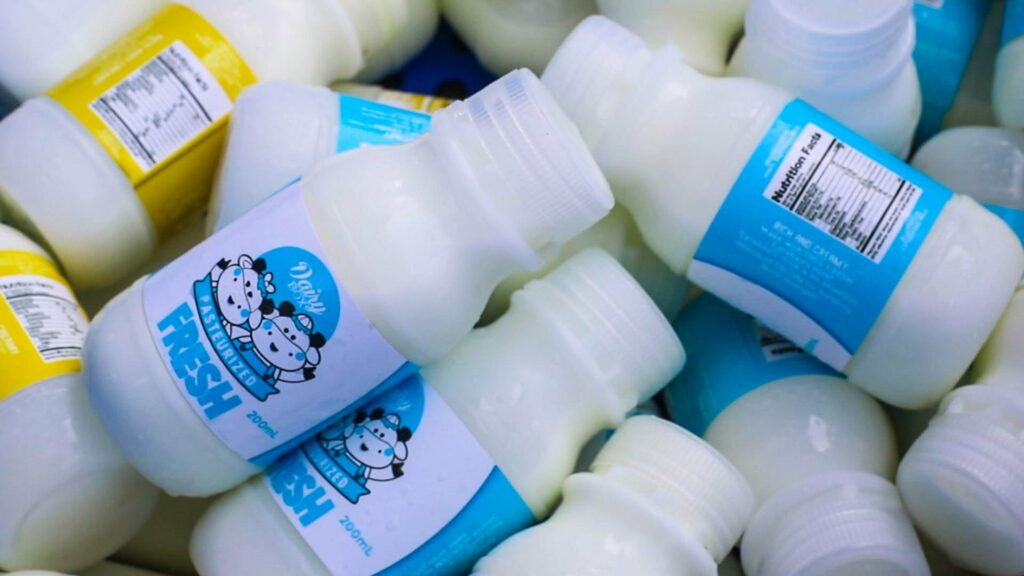
The program subsequently expanded to the municipalities of Cabagan, Tumauini, Sto. Tomas, Sta. Maria, San Pablo, Mallig, Ramon, Burgos, and Quezon. Across the province, the success of the initiative is reflected in both qualitative data and measurable health outcomes. According to recent figures from the Isabela Provincial Health Office, the province saw significant progress between 2022 and 2025, with stunting decreasing by 32.2% and wasting by 44.8%. These figures underscore the project’s sustained impact on community health.
Sustained by a powerful coalition of public and private partners, this initiative bridges the gap between local production and child nutrition. Fresh milk from local dairy cooperatives supported by the National Dairy Authority, is blended with Sustagen formula – provided by SN Aboitiz Power Magat, Nickel Asia, and Universal Leaf – to maximize nutritional impact. For the undernourished school children, the Department of Education undertakes initial milk feeding for six weeks before the PGI takes over to complete the one-year cycle. The program has now been institutionalized by the Provincial Government of Isabela, guaranteeing its continuity for years to come.
The PGI’s commitment to health has now reached the remote corners of San Mariano. In the barangays of Dibuluan, Old San Mariano, Disulap, Santa Filomena, and Minanga, 535 beneficiaries which include lactating mothers, now have access to life-changing nutrition – pasteurized milk three times a week for one year. By equipping these barangays with their own freezers, the province has removed the barrier of distance, ensuring milk stays fresh while empowering local leaders to take charge of the distribution.
Recognizing that nutrition extends beyond feeding programs, PGI has introduced complementary initiatives to support long-term food security at the household level. The beneficiaries’ family receive starter chickens, eggs, poultry vitamins, and vegetable seedlings, encouraging families to produce their own sources of protein and fresh produce while creating potential supplemental income.
These efforts reflect a broader, more sustainable approach: one that addresses immediate nutritional needs while equipping communities with the tools to maintain their own food security.
“What is the value of roads, bridges, and buildings if our people themselves are hungry?” Governor Albano earlier remarked, reinforcing the principle that infrastructure alone cannot define progress without corresponding investments in human well-being.
“Simple as it may seem, one glass of milk for a hungry child provides strength, focus, and the chance to learn,” the Governor noted, highlighting how even modest interventions can have a lasting impact.
The direction remains perfectly clear for Governor Rodito and Vice Governor Kiko Dy – strengthening early childhood nutrition from pregnancy through the first years of life continues to be a priority, alongside sustained support for growing children and mothers.
In Isabela, progress is measured not only by what is built, but by how lives are improved.
Started in 1927, the Philippines Graphic is the longest-running printed magazine of national circulation that provides relevant news and features and promotes Philippine literature.