

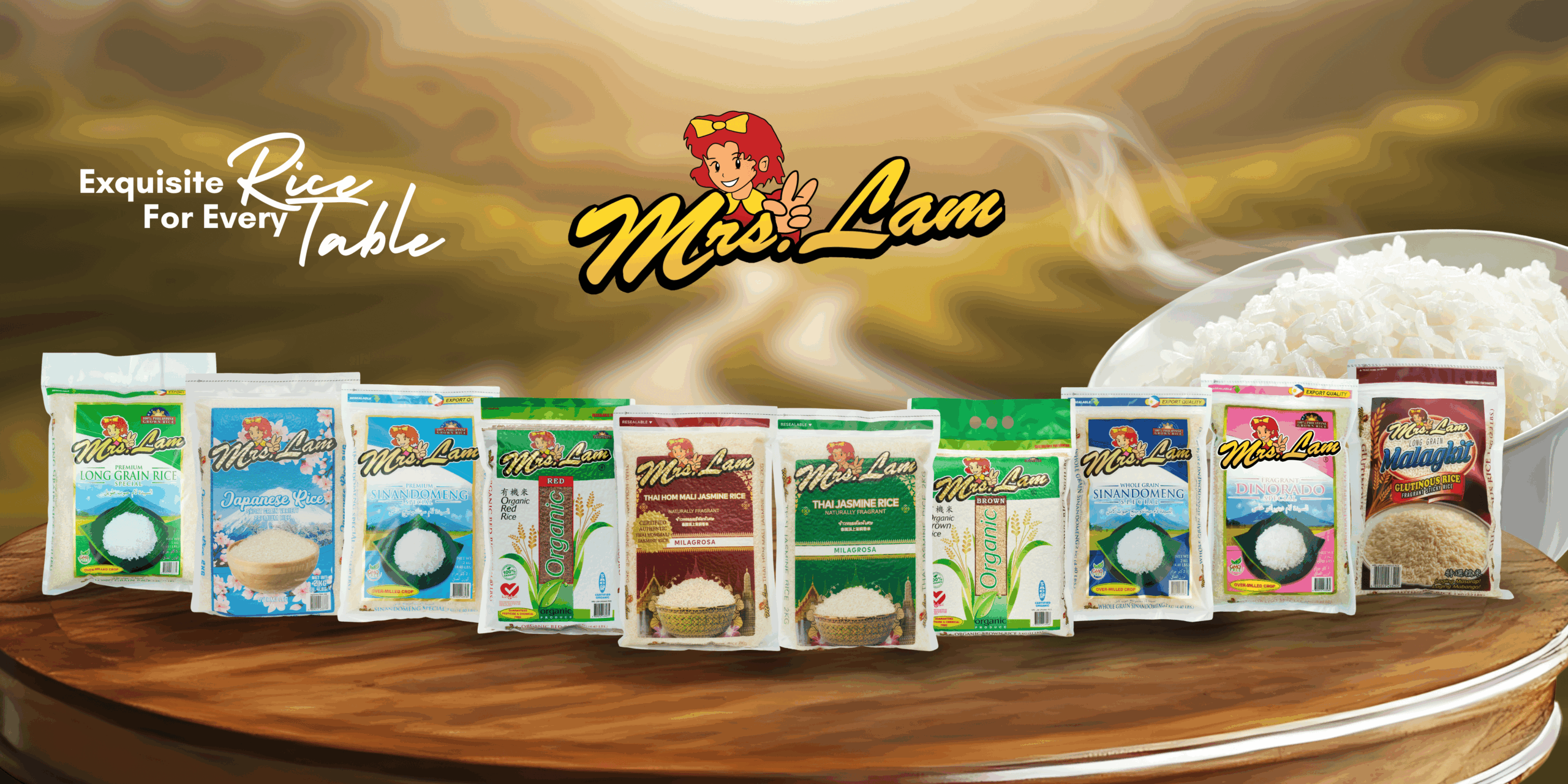
Via GRAPHIC PLUS — Rice is something most Filipino kitchens don’t think twice about. It’s rinsed, measured, set to cook — almost by habit. But not all rice is meant to be handled the same way.
As more households begin paying closer attention to what they serve, the small details start to matter. Water ratios. Rinsing. Letting the rice rest. The kind of things that don’t seem like much — until they change the way a meal turns out. Because each grain carries its own character.
Dinorado, for instance, is known for its gentle aroma and softer texture. When freshly harvested, it needs less water — closer to a 1:1 ratio. From there, it depends on how you like your rice. A little less water if you prefer it firmer. A bit more if you want it softer. No long soaking needed, just a short rest after cooking to let it settle and fluff up properly. It’s the kind of rice that fits easily into everyday meals.
Thai jasmine rice moves differently. Lighter, more fragrant, with grains that stay separate when cooked right. It does well with a similar 1:1 ratio, especially when fresh, and should only be washed once to preserve its natural aroma. Done properly, it comes out soft but distinct, the kind that works across both simple dishes and richer ones.
Japanese rice asks for more care. Short-grain, naturally sticky, meant to hold its shape.
It needs to be rinsed thoroughly, until the water runs clear, then left to soak for 15 mins before turning on rice cooker. With roughly equal parts rice and water, it turns glossy and cohesive — made for meals where the rice needs to stay together, not fall apart. And then there’s something many overlook: rice changes over time.
Right after harvest, it holds more moisture, so it needs less water. As it ages, it dries out — and requires a little more to cook the same way. In the end, it still comes down to preference. Some like their rice firm, others softer. The method adjusts with it.
This is where Mrs. Lam makes a difference.
By offering freshly harvested rice, Mrs. Lam keeps the quality consistent — making it easier to achieve the right texture without overthinking the process. The grain behaves the way it should, with less guesswork in the kitchen.
Because choosing the right rice is one thing. Knowing how it cooks — and how it changes — makes all the difference.
From kitchen to table, it’s a small shift. But one you can taste.

Started in 1927, the Philippines Graphic is the longest-running printed magazine of national circulation that provides relevant news and features and promotes Philippine literature.