

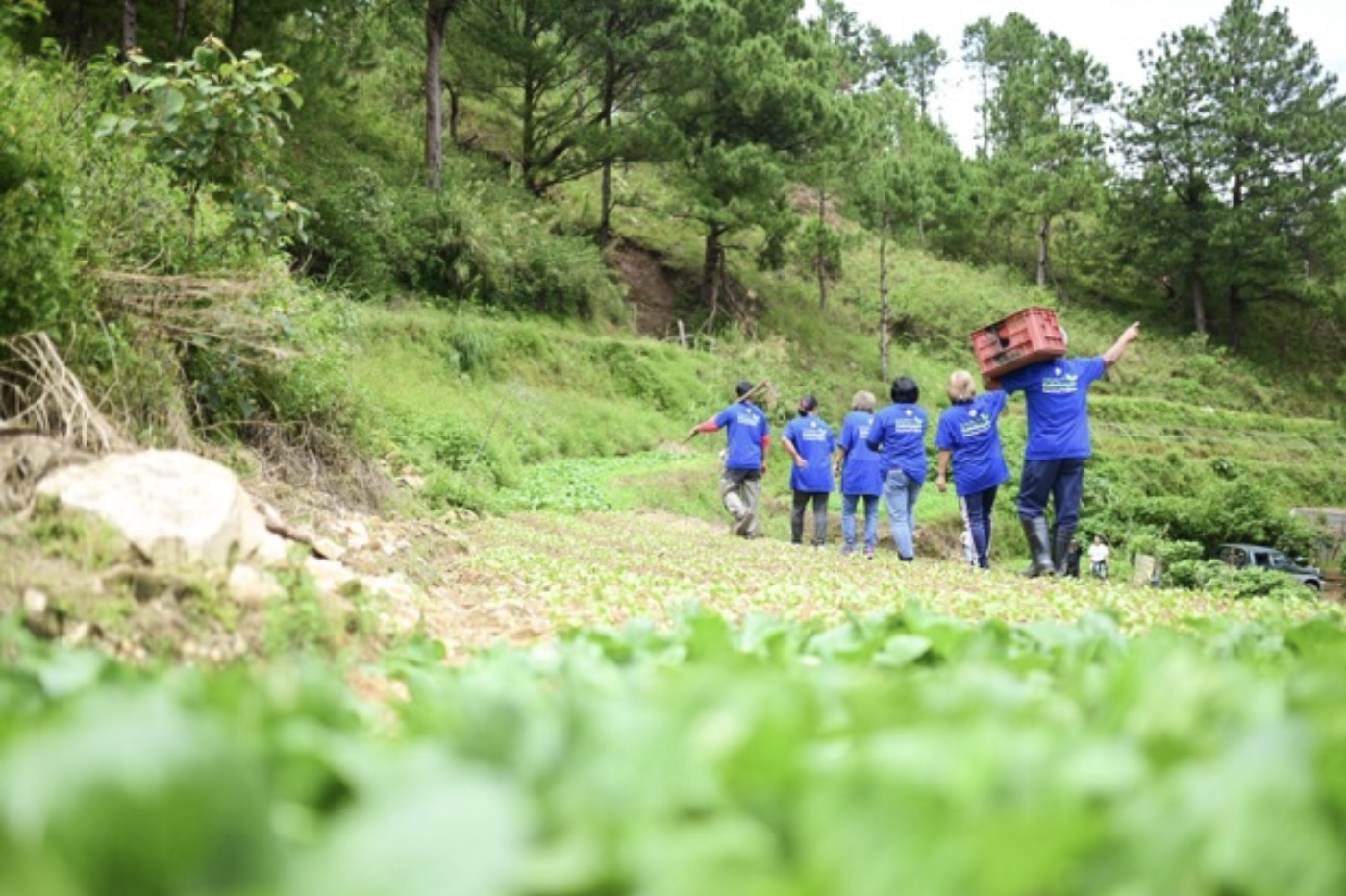
via GRAPHIC PLUS — Every Filipino home has its own version of comfort food. A simmering sinigang during rainy afternoons. A sizzling plate of ginisang gulay shared over dinner. Garlic crackling in hot oil. Onions slowly turn golden in a pan while families gather around the kitchen, waiting for a meal that feels like home.
But behind these familiar dishes are farmers whose stories are often left unseen.
Long before food reaches our tables, farmers spend months planting, watering, and protecting crops under the heat of the sun and the uncertainty of the weather. While many people only see ingredients neatly arranged in markets and grocery shelves, farmers see years of hard work, sacrifice, and hope for a harvest that can support their families.
Agriculture remains one of the country’s most essential industries, yet many Filipino farmers still face limited market access and declining interest among younger generations.
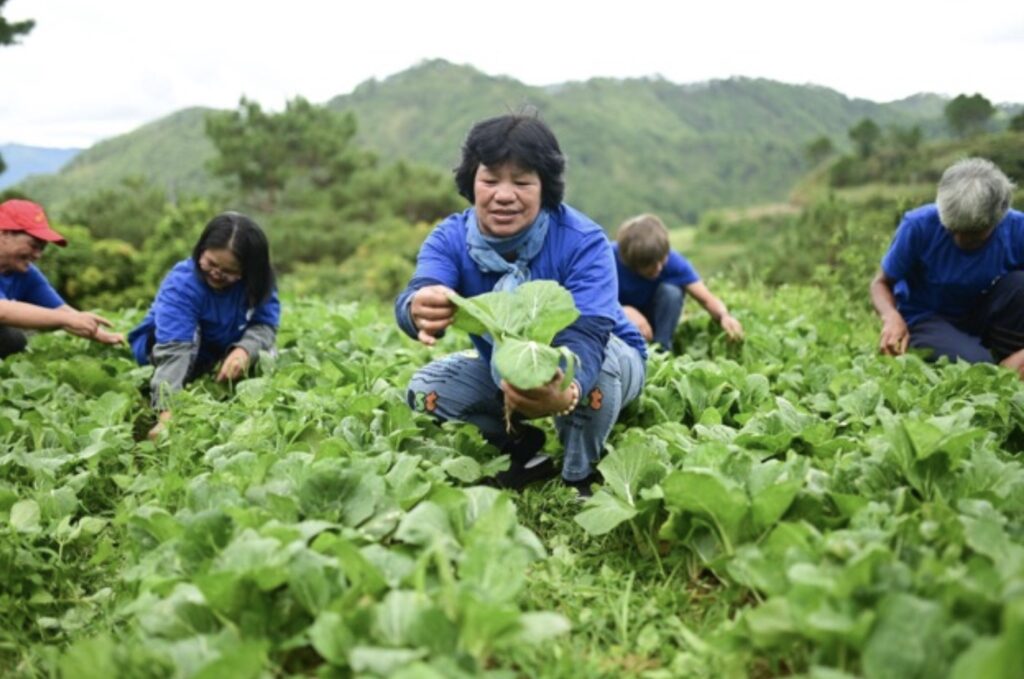
SM Foundation’s Kabalikat sa Kabuhayan (KSK) Market Linkage Program recognizes this hard work, sacrifice, and quiet determination behind every harvest by helping farmers become agri-entrepreneurs capable of building more sustainable livelihoods for their families and communities.
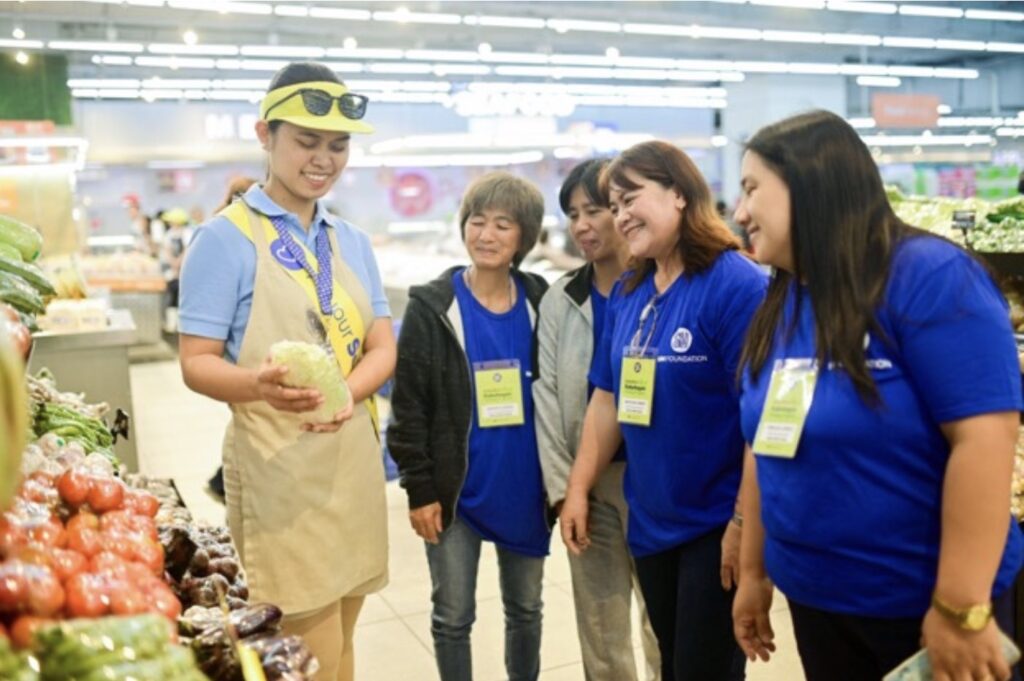
For many farmers, finding a stable market where they can fairly sell their harvest is often the bigger challenge than producing crops. Through initiatives such as the SM Weekend Market, SM Bagsakan, and partnerships with SM consigners, KSK creates opportunities for farmers to directly connect with consumers and earn more from their hard work.
As explained by SMFI Senior Program Manager for the Livelihood and Outreach Program Darel Colarina, the program aims to link the KSK Graduates from 2007-2025 to the different market opportunities in SM. Ultimately, they want to increase the farmers’ income by creating a long-term and sustainable market opportunities for farmers by allowing them not only to sell produce but also to build loyal customer bases over time.
“Ine-aim namin to have long-term farmer market linkages. Based on our data, sa na-survey namin for the SM Weekend Market, those who are tenured or two to three years nang nagtitinda sa SM Weekend Market are already selling about Php10,000 a week,” he shared.
Colarina adds that many participating farmers are now developing regular buyers and becoming trusted suppliers within their communities. Some customers have even built routines around visiting the SM Weekend Market early every weekend to buy fresh vegetables directly from local farmers before continuing with their mall errands.
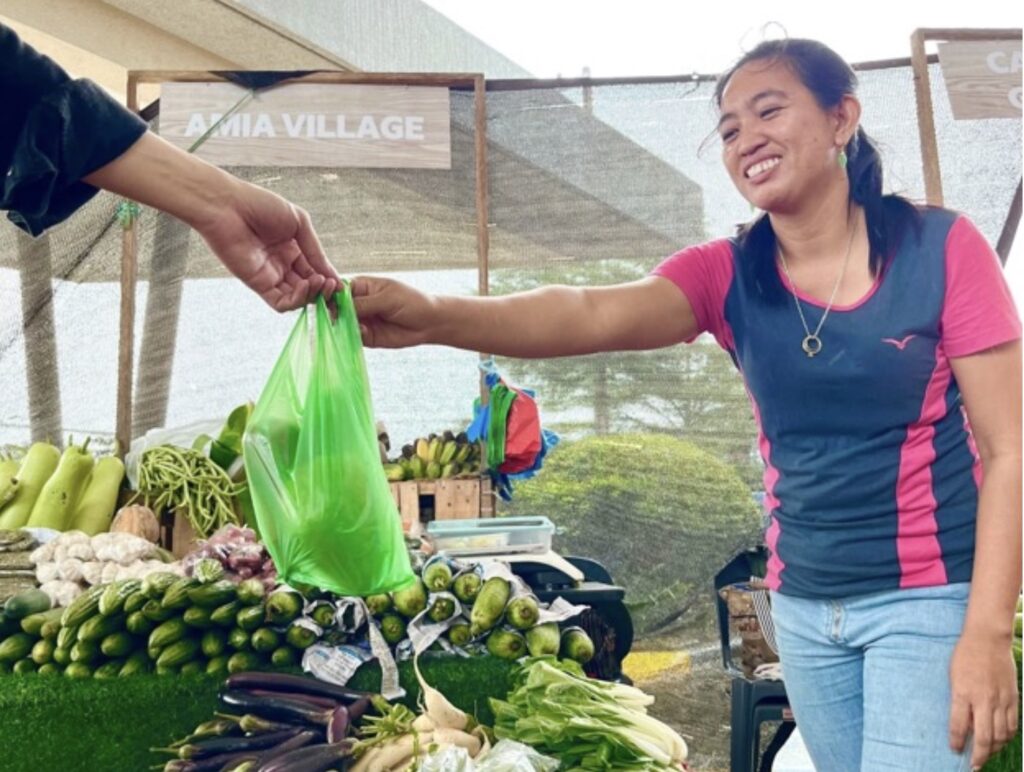
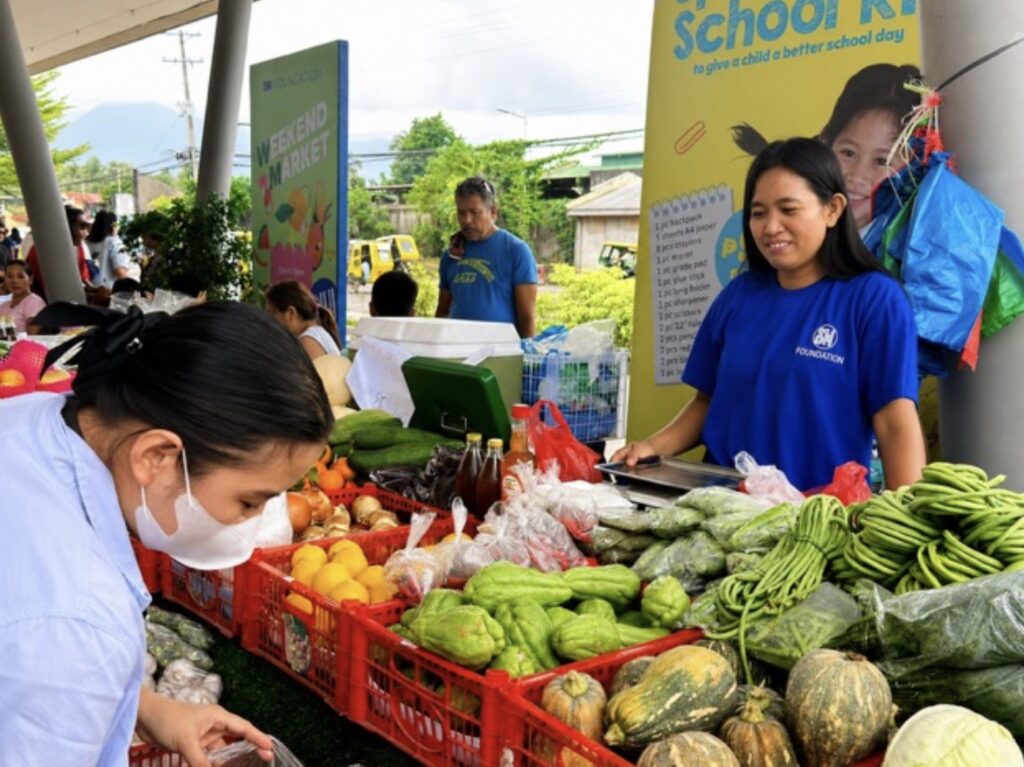
One of the program’s inspiring stories is Jenny, a 33-year-old mother from Sorsogon City whose life gradually changed through farming.
Jenny began planting crops in 2017 to help support her husband in providing for their family. When she joined the KSK Market Linkage Program in 2023, she discovered new opportunities that transformed her small farming venture into a more sustainable source of income.
Driven by her desire to care for her mother, who has Alzheimer’s disease, while supporting her young son, Jenny maximized the opportunities provided through the SM Weekend Market. The program allowed her to sell her produce directly to customers and steadily increase her earnings.
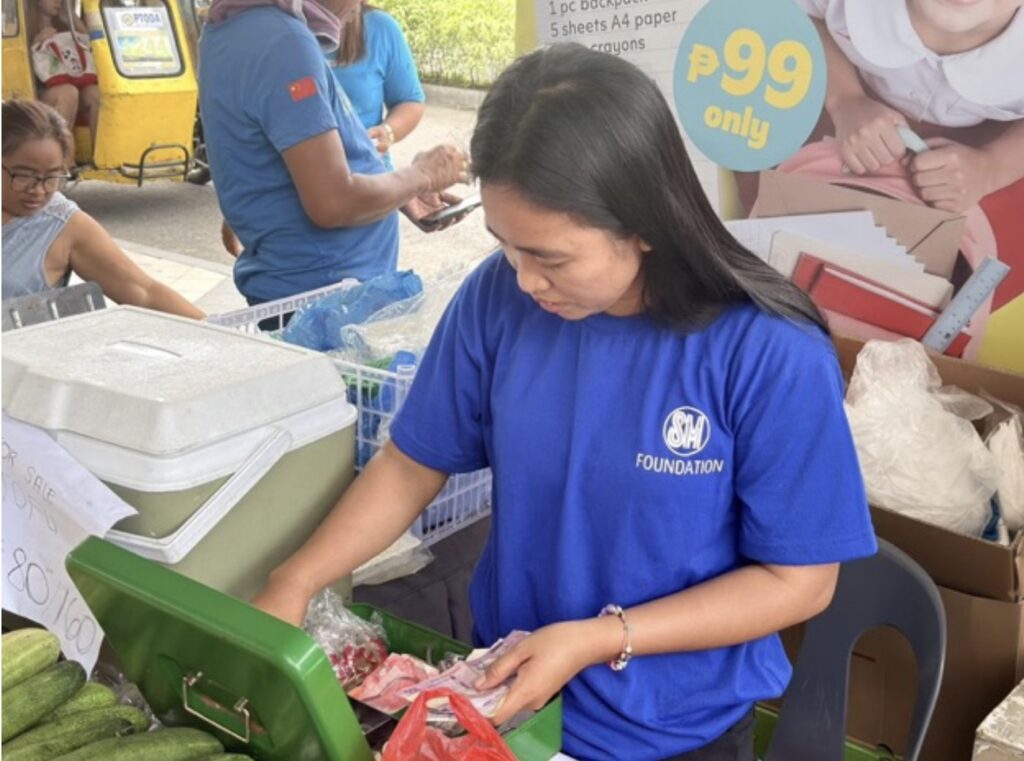
Jenny was able to save more than Php100,000 — money she later reinvested into a hydroponic lettuce system to improve both the quality and productivity of her crops.
Today, she manages nearly every aspect of the business herself, from planting and harvesting to selling produce at the market.
“Nagbago po ‘yung buhay namin dahil paunti-unti po kaming nakakaraos sa kahirapan noon. Noon, umaasa lang po ako sa sahod ng asawa ko, tapos kulang pa ‘yun sa pag-aaral ng anak ko at para sa mother ko.” Jenny shared.
She has also started teaching her 8-year-old son the basics of planting, from using organic fertilizers to harvesting vegetables on their own, which she also learned from the KSK program. For her, agriculture is more than a livelihood — it is a life skill that future generations should never lose.
“Dapat kasi ngayon may knowledge sila sa pagtatanim kasi kung wala silang technology na ma-apply sa pagtatanim, wala rin silang makakain.”
In a time when younger generations are becoming more disconnected from agriculture, Jenny symbolizes that direct market access is helping reshape agriculture into an industry where young Filipinos can also see a future.

Started in 1927, the Philippines Graphic is the longest-running printed magazine of national circulation that provides relevant news and features and promotes Philippine literature.