

The multi-stakeholder forum examined sodium intake, consumer behavior, and approaches to healthier food environments
Via GRAPHIC PLUS | MANILA, Philippines – As legislative proposals like the Iwas Alat, Iwas Sakit Bill move forward, experts say the conversation around sodium is more complex than it appears. Meaningful progress in supporting Filipinos’ health requires going beyond simplified restrictions toward nuanced, locally grounded, and evidence-based approaches.
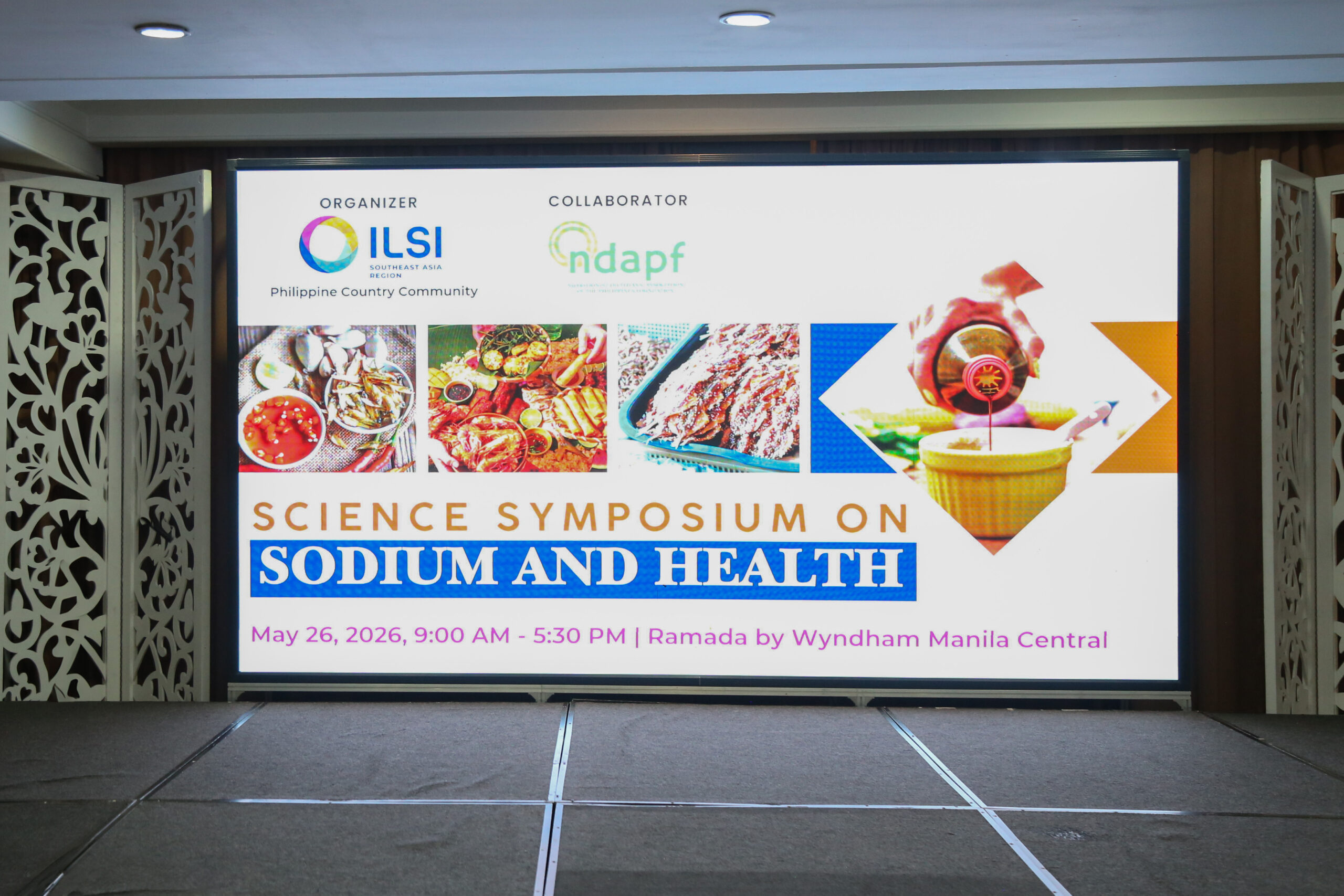
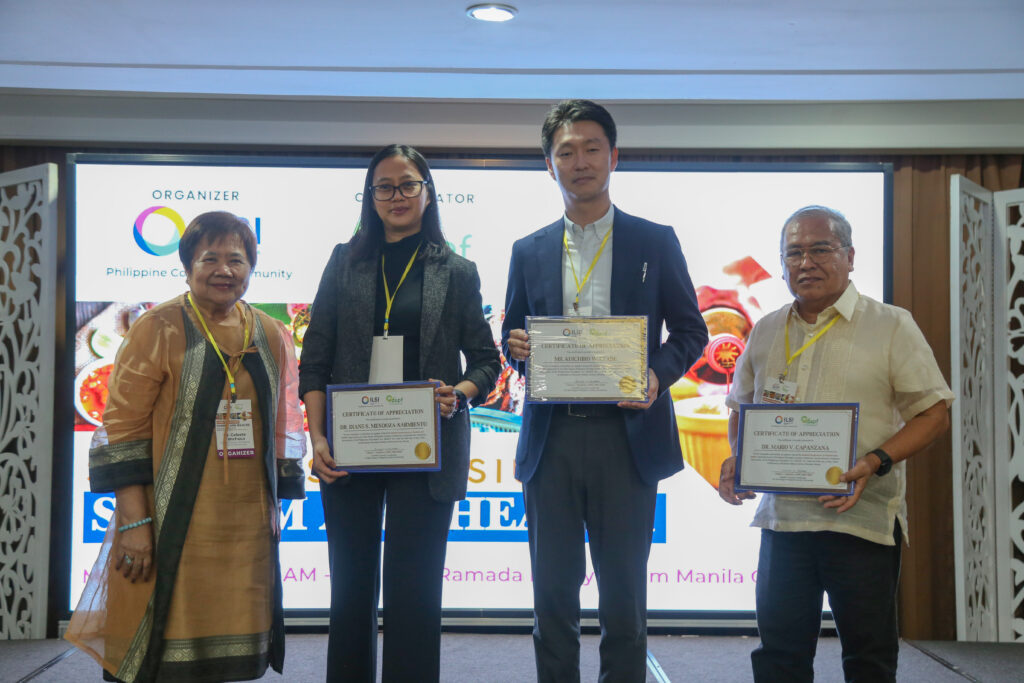
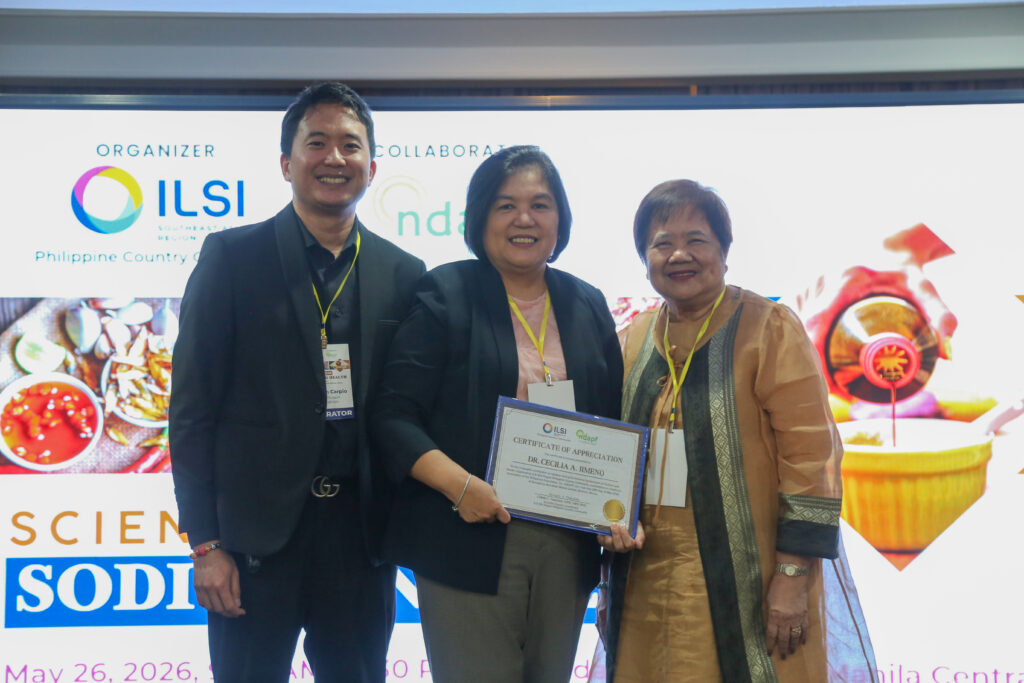
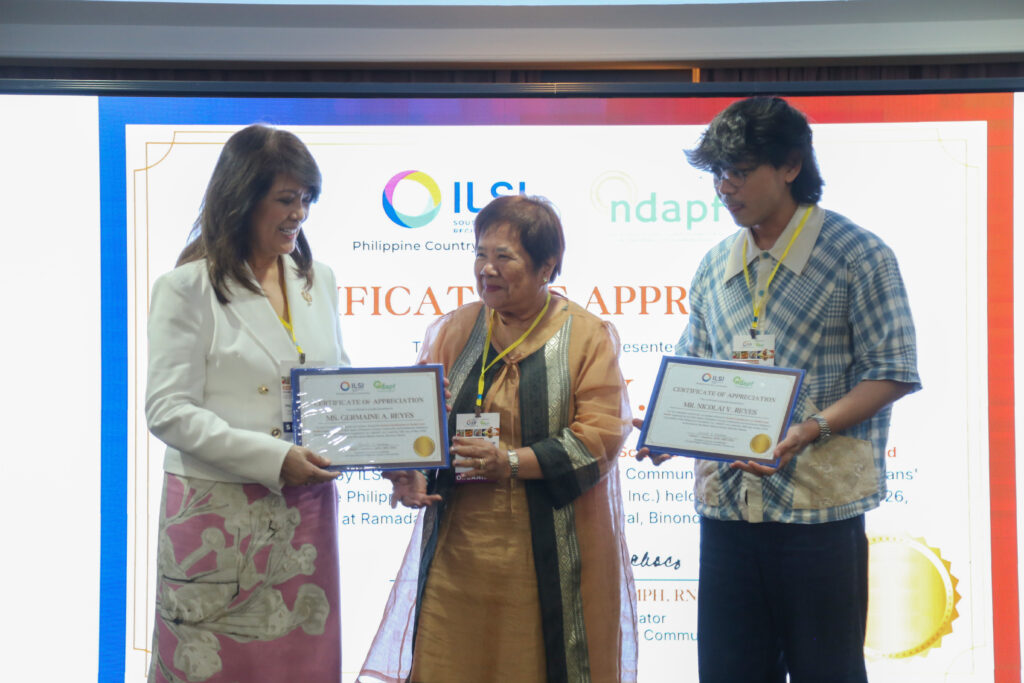
The Scientific Symposium on Sodium and Health, held last May 26, 2026, at Ramada by Wyndham in Binondo, Manila, brought together health professionals, academics, and industry representatives to examine sodium’s health implications, how intake is measured, what drives consumption behavior, and what the industry can do to support healthier food environments. The International Life Sciences Institute Southeast Asia Region (ILSI-SEAR) Philippine Country Community organized the event in collaboration with the Nutritionist-Dietitians’ Association of the Philippines Foundation.
“Sodium plays a vital role in the body, helping regulate fluid balance, nerve function, and muscle activity. However, excessive sodium intake has become a growing public health concern, contributing to hypertension, cardiovascular diseases, kidney problems, and other chronic conditions,” said Dr. Celeste Tanchoco, ILSI Philippines’ Scientific Coordinator and a retired Scientist III of the Department of Science and Technology. “Today’s seminar provides us with an opportunity to deepen our understanding of the latest evidence and practical strategies related to sodium intake and health.”

The science is still evolving
International speakers noted that scientific thinking on sodium continues to evolve—and that getting policy right depends on keeping pace with the evidence.
Dr. Andrew Mente, Professor in the Department of Health Research Methods, Evidence, and Impact and the Population Health Research Institute at McMaster University, said that emerging research has prompted discussion around a possible “sweet spot” for sodium intake, where moderate consumption may be associated with better health outcomes than either very low or very high intake.
Still, he noted, shifts in scientific thinking on sodium take time to filter into policy. “As is normal in science, when we have new data challenging long-standing traditional thinking, it takes a long time for that to be manifested in policy changes and for the population to change their intake behavior based on the new evidence.”
This is especially pronounced in the Philippines, which currently lacks robust local data on sodium intake and relies largely on international benchmarks that may not reflect Filipino diets. Understanding the local picture—and the important role sodium plays in regulating body functions—should be the first step.
Prof. Rachel McLean, Professor of Public Health at the University of Otago in New Zealand, said, “You need to look at consumption patterns in your own society and tailor your interventions to what’s happening in your own community rather than just doing something that might work in another country.”
Challenges to behavior change
Nico V. Reyes, Co-Founder and President of Rebel Marketing Philippines, pointed out that Filipino sodium consumption is shaped by “the confluence of economic, cultural, behavioral, and social factors.”
A sodium-heavy meal of tuyo [dried fish], itlog na maalat [salted egg], kamatis [tomatoes], and patis [fish sauce] illustrates this point—it’s affordable and deeply tied to how Filipino families eat. For many households, food decisions come down to time, budget, and convenience.
Addressing this, Reyes said, requires nuance. He cautioned against messaging built around restriction. Telling Filipinos a food is off-limits triggers resistance rather than change. “If you make bawal [forbid] food in the Philippines, that will not sink well in the psychology of the Filipino.”
Instead, Reyes advocated for an approach rooted in empowerment. Front-of-pack labels on food, he noted, are a useful first step, but only if people know how to read and act on them. Real change comes from conversation and empowerment, not top-down instruction.
A multi-sector goal
For the industry, translating that intent into action is equally complex. After all, sodium’s role in food goes beyond flavor. It affects safety, texture, and shelf life differently depending on the product.
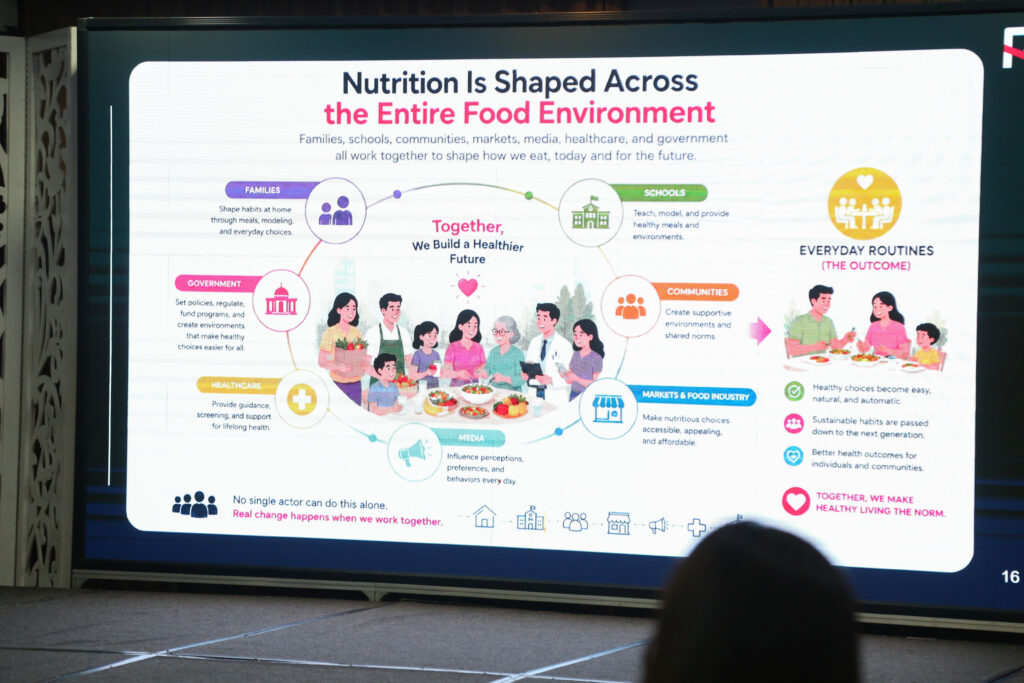
Dr. Mario Capanzana, Executive Director of the Philippine Chamber of Food Manufacturers, Inc., said that meaningful progress ultimately requires coordinated action across schools, government, public health, and industry, with each sector contributing to a shared goal.
“We need very good communication, a laymanized way of saying na hindi masama ang sodium [sodium isn’t bad] because you need it, but if you exceed this level, then something will happen. Nutrition education is very important,” he said.

Started in 1927, the Philippines Graphic is the longest-running printed magazine of national circulation that provides relevant news and features and promotes Philippine literature.