

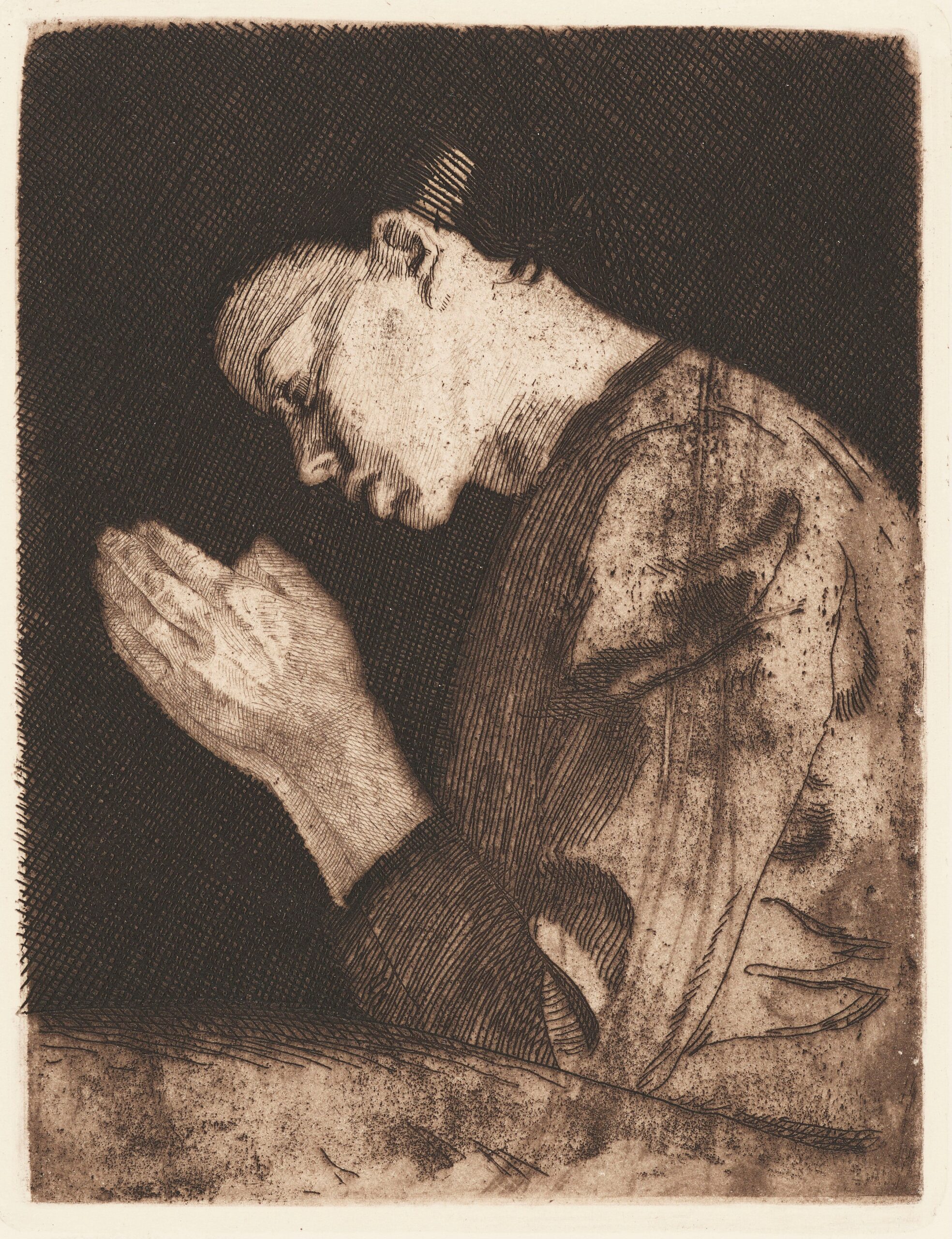
Before the third episode of the Philippines Graphic Literary Workshop (PGLW) concluded on April 18, we knew that we had one more thing that we can offer our bright young fellows: a starting platform for their creative endeavors. Here, we present one of their final outputs from the workshop. We also asked them to provide an artwork that they think best represents their stories. Read on.
She retires to her room after a whole day of living for someone else and goes to the bathroom. She steps on the cold tiles and swings open the creaky cabinet to find the mirror. She sees a child in the reflection. Her hands map her face. There are blotches of brown on her skin, earned from playing too long under the sun with the neighbor’s children. She thinks of her brothers, whom she hasn’t seen for years now, running on the same dirt roads she once did. Her hair, flowing down her chest, pulls her mind back to the coast, the crashing waves halting at her shins. She hears the whisper of the ocean, calling her back to its shores. She looks into herself, seeing small marbles of coal waiting to ignite. For a split second, she can smell the smoke that had clung to her clothes after grilling freshly caught fish for dinner. Those marbles are the same eyes that have witnessed the black of her nanang’s hair fade to ash. The parallel grooves moving from her nostrils down to the sides of her mouth are parentheses enclosing her in the inescapable now.
She hasn’t been home for some years now. She hasn’t been a child for longer. Her lips do not remember the last time they had touched the soft skin of her nanang’s cheeks. Her hair has not been soaked in salt water for years. Her own cheeks, once full, are not anymore. Her face only knows the same blank expression she puts on and the faint smile she must show every now and then. The purple skin under her eyes is deepening with each passing day. She has been drained of life. She is tired.
She picks her toothbrush from the cup resting on the porcelain counter. She squeezes white paste to brush her teeth with. Watching the motion of its bristles rubbing against her teeth, her mind can’t help but rummage around for the last occurrence of a genuine smile. For the surge of joy, even just an ounce, to flow through her veins. She falls into the pit that is her eyes, robbed of the life she herself was once promised, for the desperate chance to relive the memory of being a child once more.
She spits out what is in her mouth just before it bites like rubbing alcohol on a fresh wound. She then washes her face and tries, even though she knows of its impossibility, to rub out any hint of being worn out. She takes one last glimpse of the person she has become. Though in some sense, she didn’t have to. She only sees her nanang when she looks in the mirror. She feels sorry for her. She misses her.
She moves from the bathroom to her bed and sits. She lifts her weary legs from the ground and crosses them on the bed. She closes her eyes, touches the middle of her forehead, the middle of her chest, her left shoulder, then her right shoulder. She opens her palms and presses them together. She begins to pray.
Lord Heavenly Father, I offer myself up to you, she says in defeat.
She prays in praise, of His existence, His holiness, His greatness, for creating this world for all those who inhabit it, for those she loves, for showing her the light, for taking that from her, for giving her the strength to survive, weak enough to continue learning, for giving her all the chances she needs, for being kind to her despite everything she is.
She prays for forgiveness, for her sins, her sadness, her silence, her anger, at herself, the world, the way things are, the old lady downstairs, at Him, for making the best thing for her family available to her if once she left them, for having to sacrifice distance for food at their table, for wanting more, more than this life that has everyone depending on her, of having a family she may never see again, of living every day for others, of having to constantly kill her dreams.
She prays to ask Him to accept her, guide her, show her how to be content, to remain strong, not for herself, but for her family back home; they, who keep her going and at the same time make her want to quit, the people she lays her life down for. She prays to ask, pressing her palms closer, in hope that He hears, listens to her, understands her, and pities her.
She prays to surrender, all that she was, all that she is, and all that she will be, leaving it all up to Him.
Amen.
She opens her eyes to her empty room. No light entered it. While quiet, the most she can hear is her own breathing. For a while, she remains motionless. She does not know what she waits for, but she does. She simply inhales and exhales. As she returns to her senses, she pushes her legs under the covers and lies down. She stares at the flat ceiling, imagining the snow above her falling on top of the whole neighborhood: a thick blanket of white covering all that the sun had once touched. Her mind flashes the image of an iron roof held by wood scaffolding seen through a mosquito net. She finds herself beside her nanang, fast asleep, an abaniko in hand. She hears the cicadas humming outside and feels the wind grazing her face. She feels safe, back in a time when she was not at the forefront of reality.
She jolts awake from the sensation of falling. She tries to calm herself down, her heartbeat ringing in her ears. It is only in sleep when she remembers how it is to live. Waking up reminds her that to live is to swim in the depthless sea. She closes her eyes once again and tries to drift back to an earlier memory, any single one of them. She falls asleep with tears running down the sides of her face.
Cassandra Lindsey C. Ten Napel

Started in 1927, the Philippines Graphic is the longest-running printed magazine of national circulation that provides relevant news and features and promotes Philippine literature.