
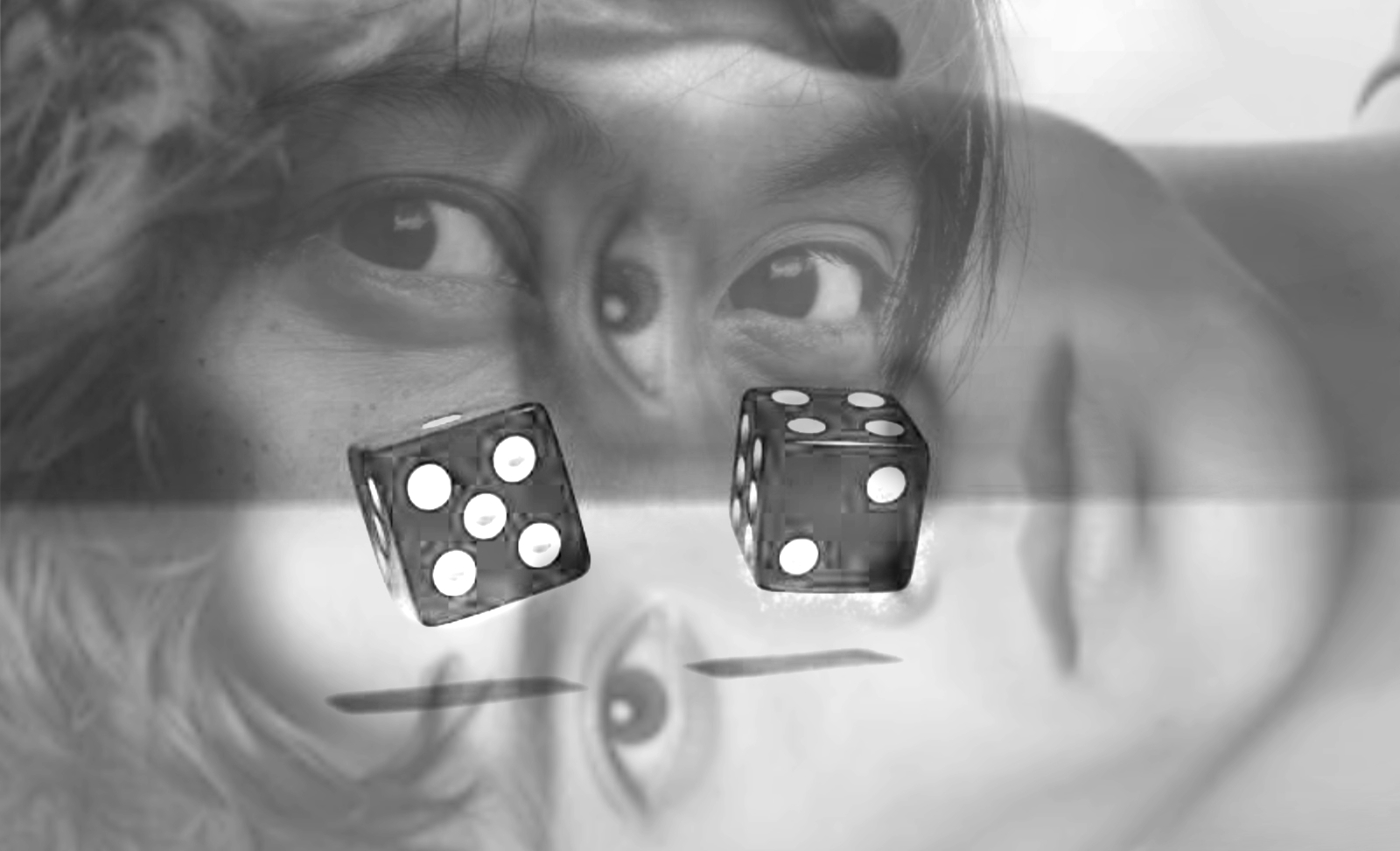
“Don’t be like Uncle Norm.” Those were my mother’s last words to me before I stepped foot inside the airport.
I had heard stories about Uncle Norm. About how he abandoned us, his family, while he ran free with his wealth. The satisfaction of swimming in his riches. Selfish. Boastful. He couldn’t even at least help my mother, poor and broke, raising three children—penniless and hungry. The closest help Uncle Norm could provide was when he was waving all his money at my mother’s face. A couple of bills slipped down when he was waving them at her.
He always bickered with my mother that she would’ve been like him if she didn’t get pregnant too early. He said it right to her face; I was the problem for our poverty. When I was born, she couldn’t finish school. The mistake Uncle Norm weaponized to stab my mother’s self-esteem. She may never be like him, but I can. She may be unable to succeed, so I must succeed for her. My mother’s health \was getting worse, so I needed to succeed right away. I already climbed that ladder today.
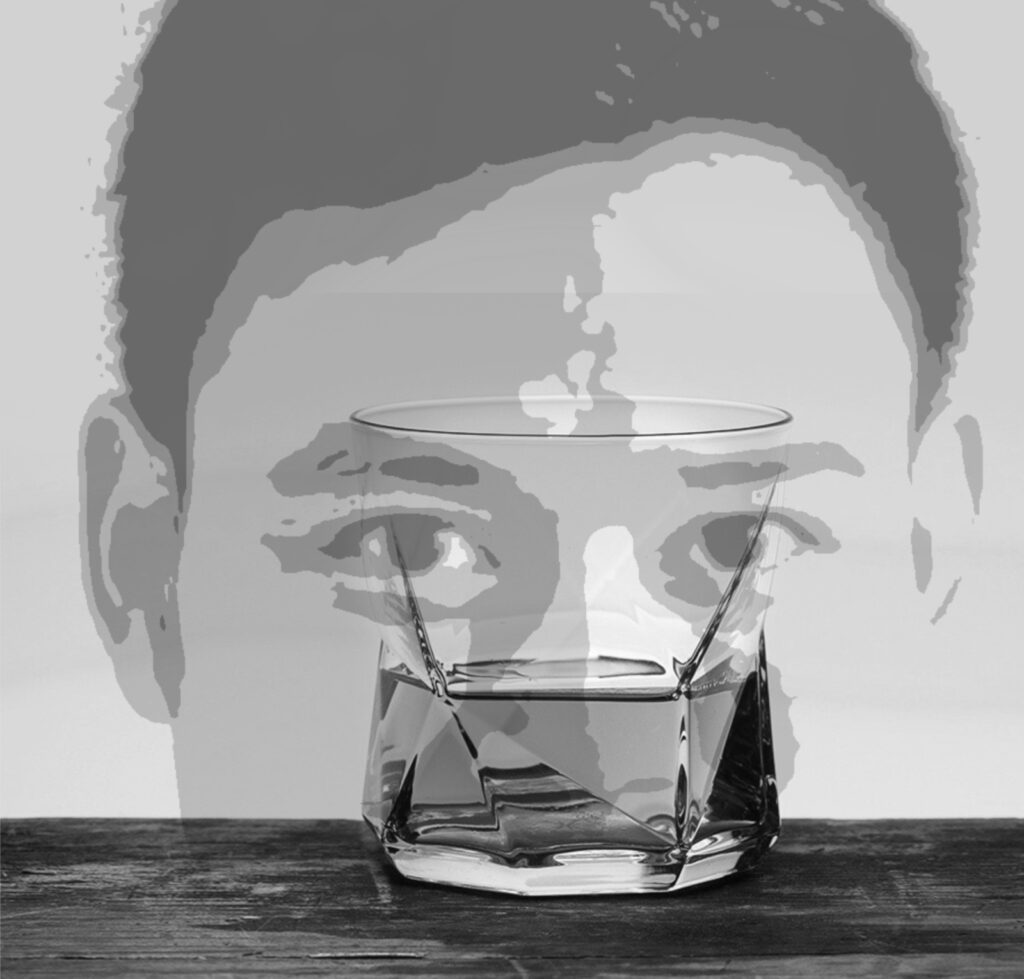
A word of advice from my mother; don’t forget my family. Don’t let money get to me. Don’t let my job turn me into what Uncle Norm had become right now. Manila, here I come.
Every month, I send my mother the money for my sibling’s education. Every month, my mother’s hospital bills were taken care of. “I just took my first medication. Finally!” My mother said through the phone.
“You’re welcome. Take care, Ma.” I said. “Did you buy the school supplies already?”
“Yes, I did. School hasn’t even started yet, but your siblings are already making faces on their notebook covers.”
I laughed. I used to do that on my notebooks. Classes may be fun and boring, but doodling is forever.
“Okay, Ma, I need to go.” I said. “Got a meeting to attend to.”
“Alright, son, good luck.” She hung up.
I lied. There was no meeting. After a stressful day at work, I needed the strongest drink I could afford. I heard rumors that I could find that drink in a hotel somewhere close to Manila Bay. I found it: New Coast Hotel. I entered as I pocketed my phone. They had everything; a pool, a bar, relaxation. It took a while to find the bar deep inside the building, with a glass wall, uncovering the blue view of the pool.
“What are you having, Sir?” The bartender immediately asked me as I sat down on the bar stool. Quick and impressive, I ordered my drink.
Waiting…I sat on the stool for seconds, witnessing the intense movements of his hands as he mixed my drinks with powerful flavors. Alcohol or not, my mouth was desperate to swallow a magical potion that would split my other personality. I spinned over my seat playfully, dizzying myself. How long does it really take to prepare my drink? By the look of the bartender’s young appearance, and less experienced vibes, I’d say an hour.
As I held onto the bar, stopping myself from spinning, my gaze landed on the far side of the room. I caught a glimpse of a familiar face. Drinking, alone, and empty inside. All sorrows he was drowning down his throat with one big gulp from a glass.
He looked older than I remembered, not in age but the thick beard on his face. Something was pressing down on him that no one else could see.
And for a second, I thought he saw me, too. But his gaze passed right through me like I was just another ghost in a room full of them. He smiled, not the kind of smile where you’re actually smiling to see the person you wanted to see, but a Pan Am smile. A typical forced, sarcastic smile to trick a person with an illusion you’re happy to see them.
I know in etiquette you’re supposed to smile at a stranger when you accidentally stare face-to-face for too long—like “five seconds” too long—just for the sake of being polite. Which comes to the conclusion that deep within that man’s smile is not an etiquette. He’s just not happy to see me. Why? Because I finally recognized him with the beard.
“Uncle Norm?” I waved at him and walked to him sitting in his booth. “It’s me. I’m…”
“Yeah, I know who you are.” He interrupted. “And I couldn’t care less about some awkward reunion with someone whom I haven’t seen for four years.”
My mother was right about him. With only one sentence, I could already tell.
“Look, I only came over to say ‘Hi’.” I sighed. “I’ll just go back to my seat, and let’s never speak to each other again.”
I was about to turn around and walk away, but then he replied.
“Why the heck would you come over to my booth just to say ‘Hi’? Never seen people knock on my front door just to say ‘Hi.’ Nor come to my table just to say ‘Hi’.”
I turned around, frustrated. “What do you want me to do?”
“Say whatever you need to say to me. Get all that out of your hair. I’m sure your mother would love that.” He smiled again. Another Pan Am smile.
Yes, it would be a wonderful gift for my mother. I looked at him, trying to decide if I should actually say it all. The words built up in my throat, anyway, stubborn and hot, refusing to stay buried this time. I sat down facing him.
“You left us.” I told him. “We were drowning, and you walked away. You left us to rot, struggling to survive. We could barely afford school. My siblings had to give up their education so I could hold onto mine. Because that’s all Mama could manage. She worked herself to the bone, day and night, just to give me a chance. And when I do, I will be able to help her with my little siblings. They’re going to graduate because of me. They’ll have me and Mama to be thankful for. But you? Who’s going to thank you?
“Families are supposed to look out for each other, and yet, here you are swimming in your own selfish riches in this luxurious hotel. If you’re even thinking of coming back to say sorry, you can forget it. Betrayal like yours is impossible to forgive.”
He couldn’t answer. His silence showed the guilt inside. His beard twitched, proving his response would not be as good as mine.
“Excuse me, Sir.” The bartender came with a drink in hand. “Here’s your drink.” Then the bartender left. I took a sip.
“Why did you leave?”
“Do you really want me to answer or are you just going to believe whatever your mother says when she twists my words today?” His voice was calm, but there was a sharp edge to it.
“What are you talking about?”
“I’m sure your mother told you some dramatic stories about your selfish uncle who left you in a lurch. She’s one hell of a fiction writer.”
“I know my mother. She would never lie to me.”
A bitter chuckle escaped his lips. “No? Then what did she say?”
There was hesitation now. A flicker of uncertainty. Then I said, “That you left because you didn’t care. That you didn’t even say goodbye.”
A slow inhale. A beat of silence. He stared at the floor, his jaw tightened. When he spoke, his voice was quieter, rawer. “Wow. She really sold it, huh? And the bestselling author goes to…” He laughed.
It sounded wicked. I tried my best to ignore it.
“So, tell me your perspective.”
“My perspective? Here’s my perspective,” he leans closer, pressing one finger on the table. His voice was as calm as it could be. “I was given a choice—stay and be miserable, or leave and let everyone hate me for it. Either way, I lost.”
“Look who twisted her words now.” I scoffed.
“Answer me this, who helped you through high school?”
“Mama did.”
“Yeah, right.” He scoffed. “And when was the last time you saw me?”
I recalled the number of years. He already said it before. “Four years ago.”
“I was there for you all throughout high school. Did your mother ever tell you that? She came to me, desperate, because she couldn’t handle sending three kids to school at once. So, I stepped in. I helped. Month after month. Guess what happened next.” I waited until he answered it himself. “It looked suspicious that your siblings were still using the same notebooks from last school year. I gave your mother money to buy new ones, but they’re still the same. It turned out she was gambling the money away. I warned her then. I told her I’d stop if she keeps doing it. She didn’t listen.
“I couldn’t punish her yet, you were so close. So, I waited until you graduated. Then I finally stopped. That was four years ago. She was furious. Told the whole family—our uncles, our aunts, our cousins—and, of course, they all took her side. Losing money at tables may be an outrageous vice, but to them, family betrayal is a much more unforgivable offense. So, they took her side.” He scoffed and laughed miserably. “No good deed goes unpunished. Oscar Wilde, you sick bastard.” He took a sip of his drink.
I remember all the stories my other relatives told me. The last part was accurate. They all hated him for leaving my mother hanging. But they left out the part where he’s responsible for my high-school life.
“After our parents died, I’ve been the one who’s taking care of her. I thought I did a good job raising her until I found out she’s pregnant.” He growled. The disappointment in his eyes shivered.
“My mother was bringing life.”
“Your mother was a whore!” He snapped. His unbelievable words angered me. “Parading herself on every guy she sees. Your father didn’t die, you never had one. You were just a seed a bird dropped—no idea where you came from or who. You just…grew.” The rage in me faltered and cracked. I turned into something else. Something heavier. Something painful. “And I had to suffer for her consequences.” He takes another sip. “I only wanted to teach her a lesson.”
There was a part of my mind that wanted to believe him. There was a part that didn’t want to. The math didn’t add up…until now. How was I able to finish high school when Mama could barely afford to feed us? If she couldn’t send all of us to school, how did I end up graduating from a private school? That would’ve been a dead giveaway.
I looked at him in his eyes, the shadows clinging to his face. “You got what you wanted, didn’t you?” I asked quietly. “All that money, all to yourself. How come you’re depressed?
“Four years…that’s a long time to be estranged. Too long. You think you’re better off, finally free, finally living life on your own terms. And for a while, yeah, it feels good. But then it hits you. Days go by, holidays pass, and suddenly, the silence is louder than you expected. You start to miss them. I tried hard not to, but I’m aching for them. And before you know it, suddenly you’re sitting in this same booth every day, trying to fill the space with anything but the truth.
“You’re all alone. And when you finally need someone, there’s no one left. Because you spent too much being the strong one. The independent one. The one who’s always needed, that you forgot how to let yourself need anyone back.” He raised his glass like a salute. “So, congratulations, kiddo. You’re next in line.”
As he was about to stand up, I stopped him. I grabbed his hands, desperate to understand why his moral compass broke. It’s strange because I found myself staring at a mirror.
“Wait, please,” my voice trembled. “How can you say that? How can you say helping your family would only make me miserable in the end?”
He sat back down with one last sip left in his glass. A Pan Am smile appeared again. Not real, not fake, just a sad, neutral smile.
“A wise parent once said family is a gift. So, they treat you as if you were one—wrapped in a box and decorative paper, something they desire in a way we can’t see. They don’t see it yet as having fundamental value. Not until they unwrap the box, and when they do, suddenly, you’re a hero. You think, this must be what being needed feels like. But one day it’ll come to your senses that they need you too much. When you stop being needed, they’ll push you away.
“So, a word of advice: Don’t be like your Uncle Norm. Don’t make the same mistakes as I made. As long as you keep yourself to that sense of value, you’re going to be okay.” He took one last sip of his drink. The weight of his words hang in the air.
I looked at him in sorrow. I could see the truth in his words, I could see it through his eyes, with wisdom sculpted from his own experiences. It scorched me to hear his words—a reminder as to whether I had ever been treated as a gift of life or merely a means to an end. The thought was leaving me to question the very true nature of my existence.
“Excuse me.” He stood up and made his way out to the pool through the exit glass door.
Behind his back, a dark, recognizable shape formed hidden beneath his shirt, tucked underneath his pants. I ignored what it was, couldn’t even care less to reach out and grab it. Might as well be. Besides, he was my mirror. As much as I loved to look at myself in the mirror again, stopping him was almost impossible.
The transparent wall beside me provided me a faint glimpse of him through my peripheral vision, standing motionless at the edge of the pool. I couldn’t bring myself to face him, not even his silhouette nor his back. I glanced downward, not knowing if I as to mourn in advance for what was about to follow. He drew it out of his pants, raising it to his temple and pulled the trigger. Gasps sliced through the hush as the audience jolted towards his direction, letting out a petrified screech.
The body was gone, vanishing beneath the water’s surface, leaving only ripples in the wake of his absence.
My body stayed petrified. Horrified as his words repeated themselves like a curse in my skull.
“Congratulations, kiddo, you’re next in line.”
____________________________________________
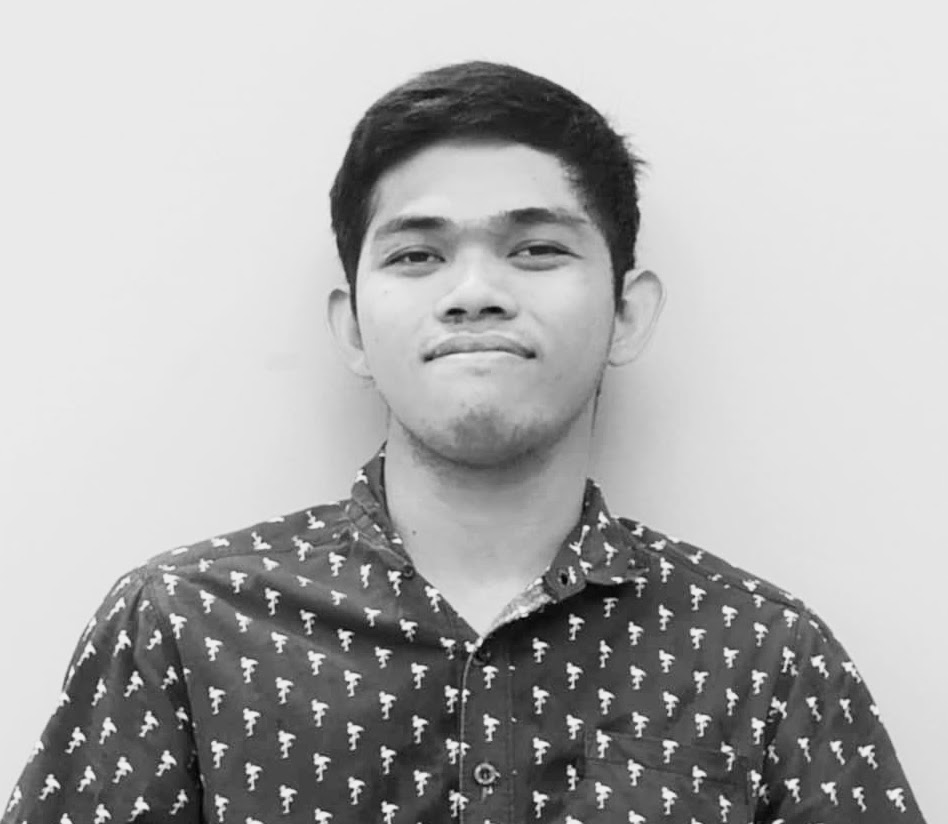
Peter Junriel Milana is a 22-year old writer from Bohol with a for movies, sitcoms, and most especially, books where he found his inspiration for writing. During his college years, several of his flash fiction pieces and translations were published in various magazines, many affiliated with his alma mater. In 2024, he submitted a piece “Scolded” to Kaliwat ni Karyapa, where he was named runner-up in the Kinalitkalit Flash Fiction Writing Competition, which will be included in the third volume of Pinanlinan: An Anthology of Selected Works from Tagik and Kinalitkalit Writing Competitions. His debut book, Walter Is Outside, was published by Ukiyoto Publishing in 2025.
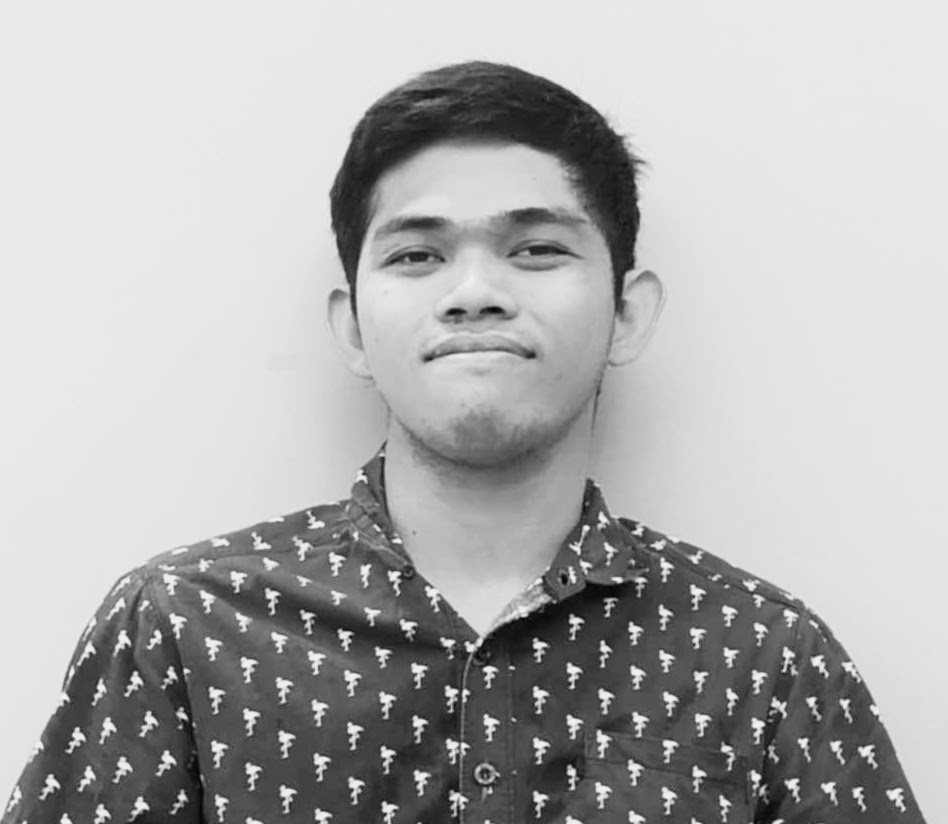
Peter Junriel Milana
Peter Junriel Milana is a 22-year old writer from Bohol with a for movies, sitcoms, and most especially, books where he found his inspiration for writing. During his college years, several of his flash fiction pieces and translations were published in various magazines, many affiliated with his alma mater. In 2024, he submitted a piece "Scolded" to Kaliwat ni Karyapa, where he was named runner-up in the Kinalitkalit Flash Fiction Writing Competition, which will be included in the third volume of Pinanlinan: An Anthology of Selected Works from Tagik and Kinalitkalit Writing Competitions. His debut book, Walter Is Outside, was published by Ukiyoto Publishing in 2025.x