

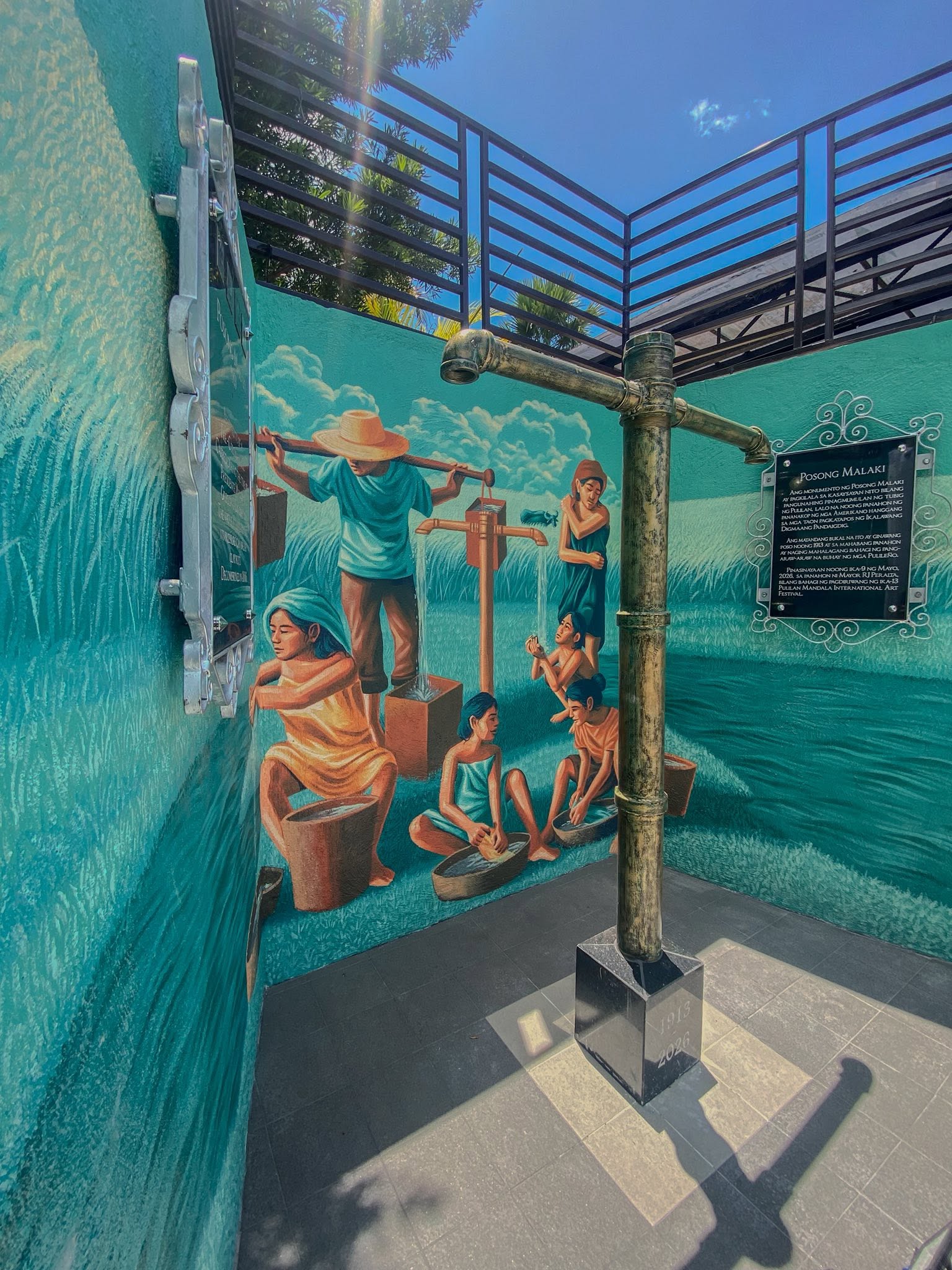
This year’s Pulilan Mandala Art Festival has successfully concluded its series of exhibitions and events, but the story does not simply end there. Not quite.
A few murals have remained, becoming focal points for community dialogue and a shared sense of place. One of them at the site of the “Posong Malaki ” in front of the Pulilan Municipal Hall.
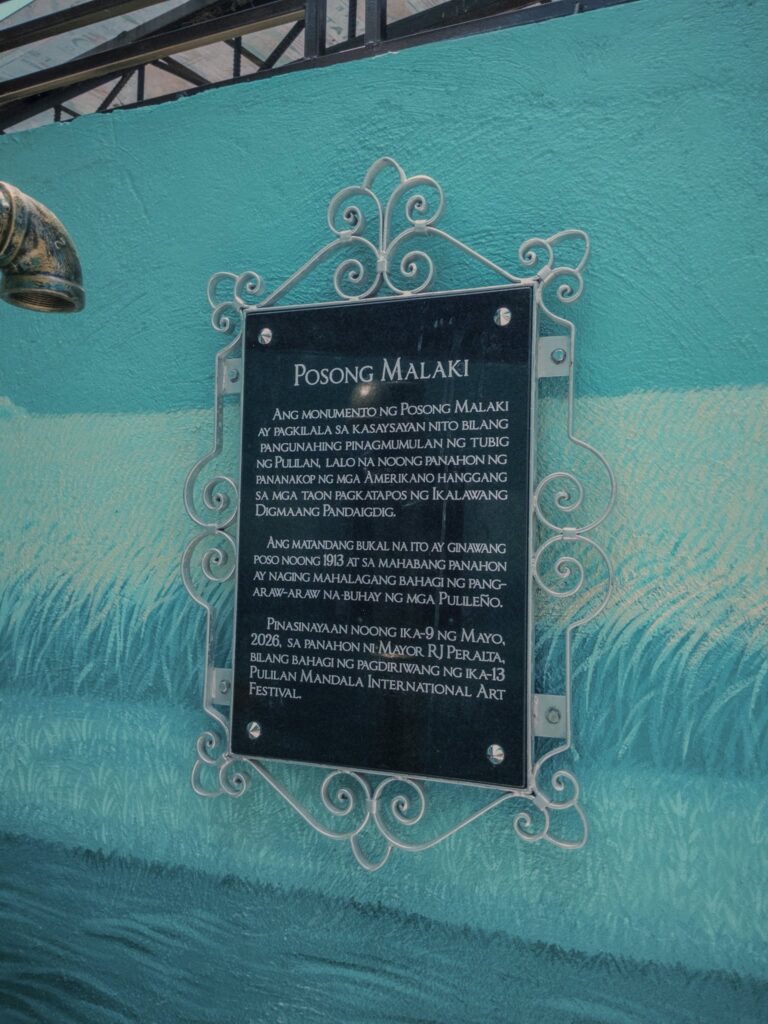
The mural was painted around an old water pump that is believed to have been a pre-colonial well. It was done with realistic details in keeping with its aims of animated storytelling with scenes of locals bathing, washing, and carrying water. It recalls a time when the community gathered around this well as a common source of sustenance and a key element of domestic use. It is a fitting tribute to the rhythms of everyday life that once revolved around it.
Its three-sided, tableau-like composition is rendered with cool blues and teals, a palette that reinforces the imagery of flowing water and the life-giving abundance it brings. Together, these elements celebrate Pulilan’s enduring identity as made of fertile and productive farming communities.
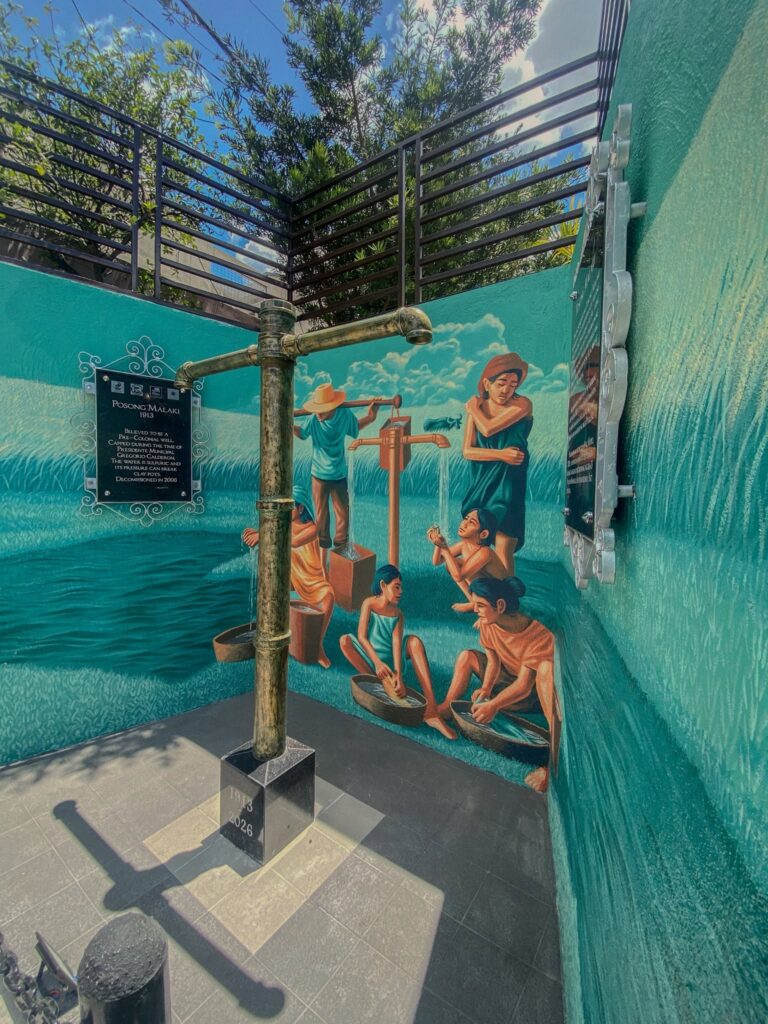
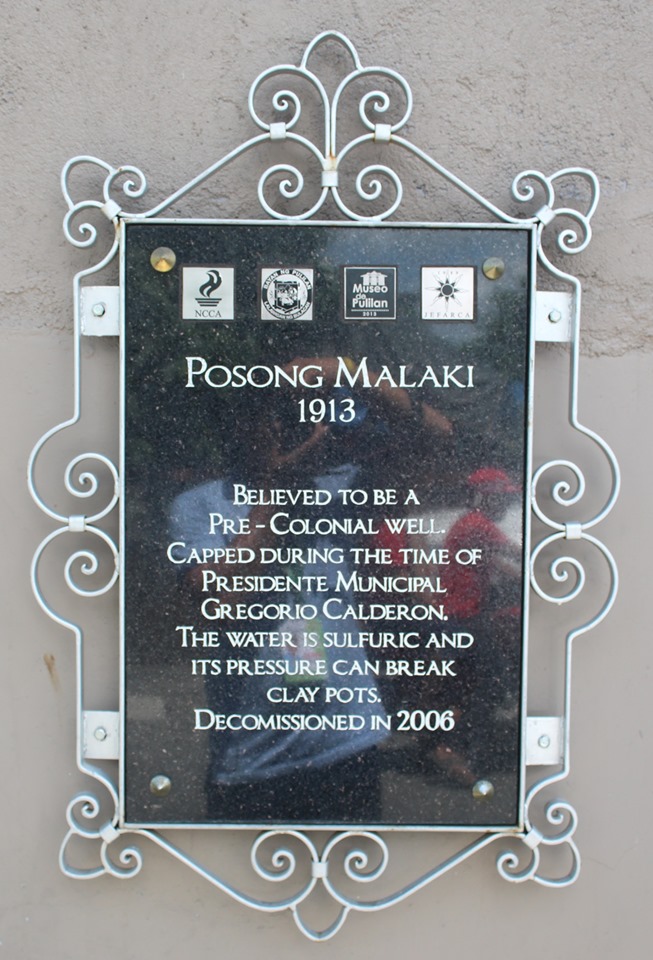
The Posong Malaki is a deep well pump (“poso”), now declared a local landmark, is a symbol of Pulilan’s agricultural heritage and recalls the way of living of the Pulileños when the “poso” was still working. It was decommissioned in 2006.
The mural is the work of Mark Quizon, a 23-year-old artist from Baliwag, Bulacan. His work appears both in galleries and in the streets. He describes his work as explorations of personal experiences set in rural environments, using symbolism to convey deeper meanings. He uses these symbols and images to explore and discuss issues through his paintings.
Quizon’s style bridges traditional and modern influences, reflecting both heritage and contemporary perspectives.
“As an artist, mahilig akong kumuha ng mga lumang kwento, alamat, at iba pang kwentong bayan, tapos nire-reinterpret ko sila through my art. Madalas, binibigyan ko sila ng bagong kahulugan but still rooted sa original na kwento.”
Founded in 2012, the Pulilan Mandala Art Festival has grown from a regional gathering into an international platform for contemporary art and cultural exchange. The word “mandala” in the local agricultural context refers to a stack of rice straw (dayami), symbolizing harvest, community, and shared heritage.
This year’s run featured artists from the Philippines, Australia, and India. Held May 8–10 across several venues in Pulilan, the festival showcases about 115 visual artists with works inspired by agriculture and rural life. The festival also includes film screenings, such as Food Delivery and Lakambakod, along with lectures on art, tradition, AI in creativity, and cultural identity. —Philip Paraan

Started in 1927, the Philippines Graphic is the longest-running printed magazine of national circulation that provides relevant news and features and promotes Philippine literature.