
Indulge me for a while and let me make the roughest of conjectures: The lowest possible estimate for the total number of oral literary traditions in the country will be no less than four[1] times the total number of ethnolinguistic groups across the Philippines.
A 2023 article published by the United Nations Office for Project Services said that the Philippines is home to around 110 ethnolinguistic groups, while an older 2014 study[2] says the number is approximately 175. If either of those numbers are close to accurate, the lowest estimate for the number of verbal folklore in the Philippines could range from 440 to 700.
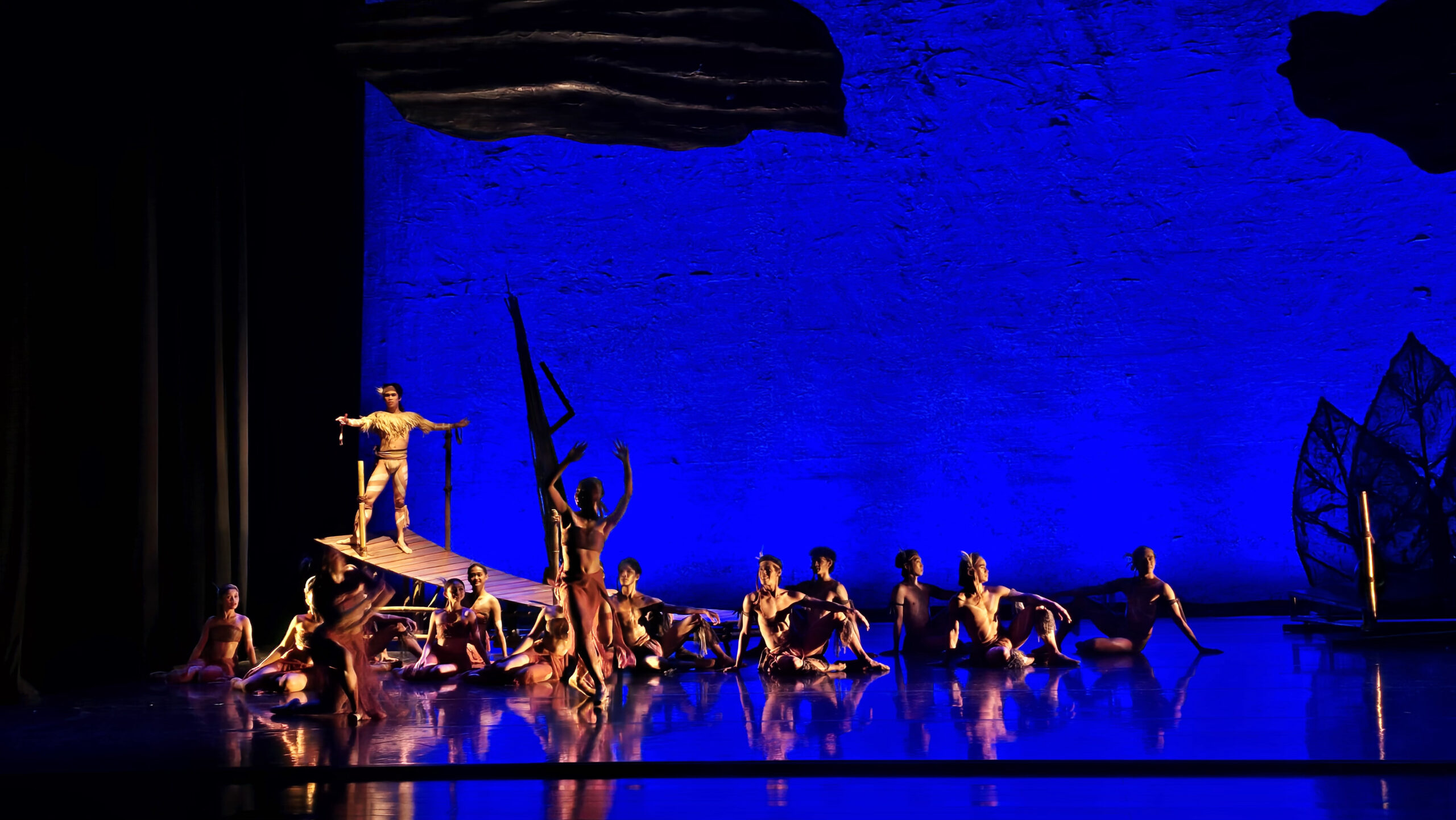
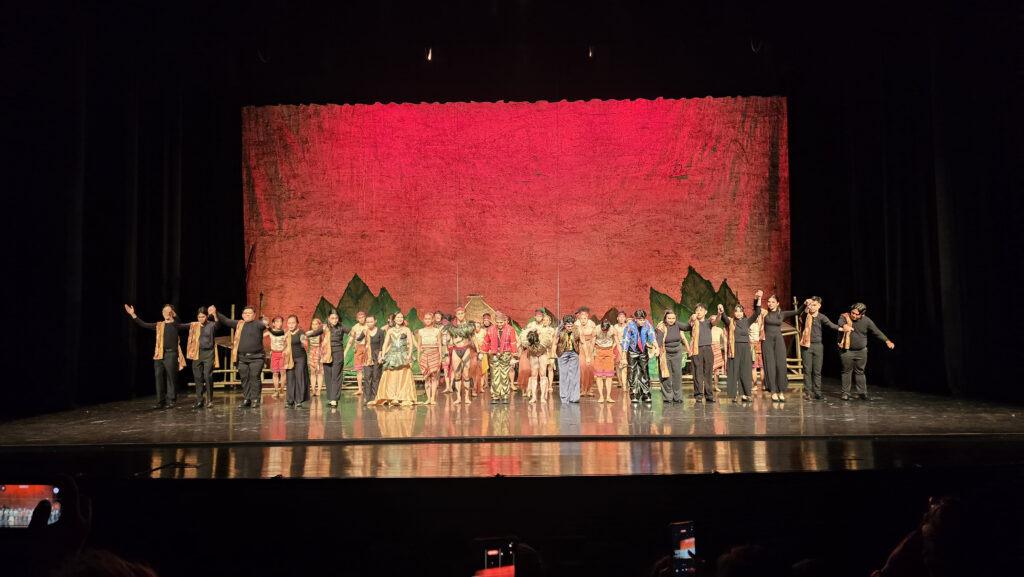
From these traditions emerged the stories that inspired Tales of the Manuvu: a 1977 rock opera ballet by National Artists Alice Reyes and Bienvenido Lumbera that was recently restaged for the modern audience.
When they sent out an invitation to watch a rehearsal of the esteemed ballet performance, my knowledge of the Manuvu folklore was, admittedly, sparse. My encounter with their stories came from a class when I was taking my Literature degree at the University of Santo Tomas.
Apart from that, zilch.
OLD TALES, MODERN AUDIENCE
The Manuvu tribe is an indigenous group who, according to the National Commission on Indigenous Peoples, constitute one of the largest groups in Mindanao.
Manuvu means “person” or “people,” and the rock ballet centers on the human person. Or, more accurately, how the forest gods Manama and Ogassi made the first man and woman.
What Reyes, Lumbera, and their whole team have achieved in Tales of the Manuvu is spectacular. I expected nothing less from the collaboration of two distinguished Filipino artists.
I couldn’t remember the last time my jaw dropped at such a well-choreographed performance. Of course, great choreography can turn mediocre when given to unskilled performers, but the dancers in Tales… did not disappoint one bit. The production also excelled musically and visually.
And though these are the things that filled me with excitement, it was the story and the manner in which it was told that intrigued me.
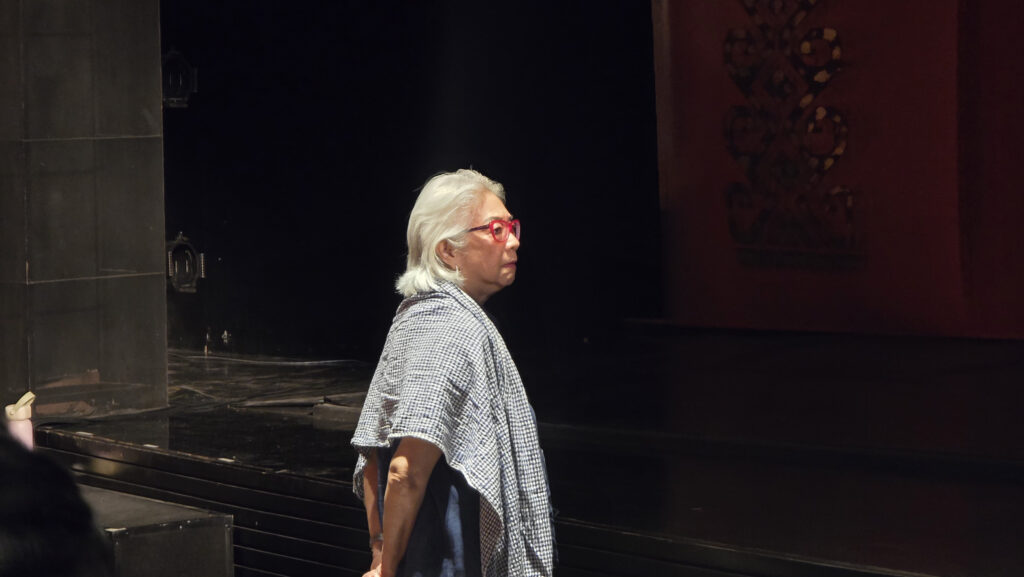
“The libretto of Bien [Bienvenido] Lumbera is just gorgeous,” Reyes told the Graphic. “I’m really sorry for those who don’t understand the poetry.”
I agree with her. The beauty which I find in the libretto of Lumbera is not because of something superfluous or simple. What I find astonishing is how he was able to retain the essence of the mythology of the Manuvu tribe and make narrative adjustments at the same time—all without alienating the audience. It entertained me as much as it introduced me to Manuvu’s creation myth.
And because of the team’s effort to capture the wonder of these myths, they have helped preserve the lifespan of these stories for a couple more generations.
IMMACULATE REVIVAL
The thing about Tales…, apart from the remarkable level of artistry involved, is that it pushes back against the forgetting that often happens to oral pieces of literature.
When asked why people should watch the famed rock ballet, Reyes told Graphic that, apart from the “wonderful music” or Lumbera’s mesmerizing poetry, or the fact that it is “a fun piece,” it is because of the myths.
“All the regions have myths. Iba-iba yan [They are all different]. This just happens to be the ones of the Manuvu… creation of the woman, why life is short, why heaven is far away,” she explained. “But it’s also ultimately the realization that we need to depend on ourselves… It is us.”
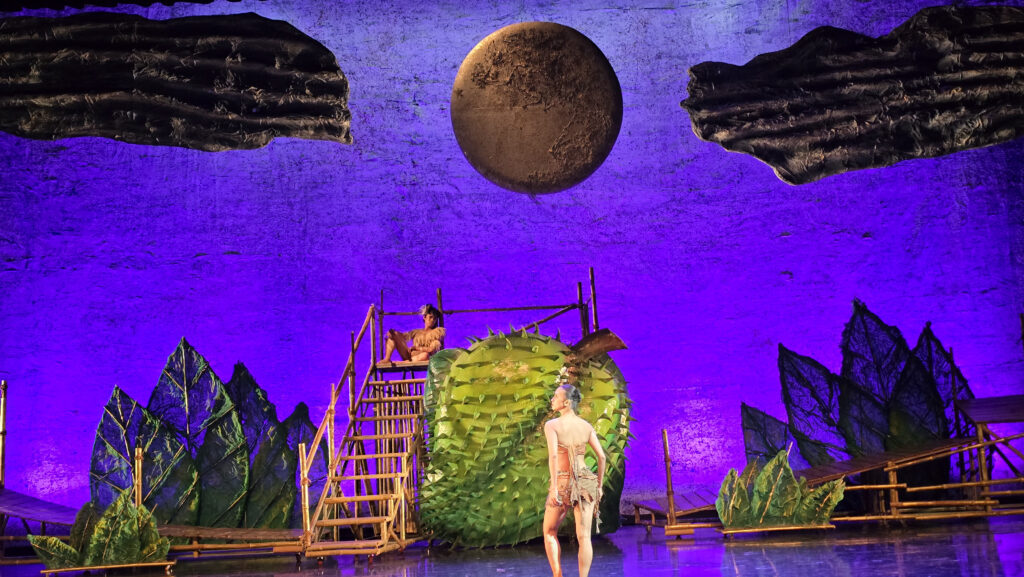
Myths are commonly relegated to the past—that they are fixed, incapable of moving beyond the epoch from when they are born. But myths and tales are never solely owned by one point in time; they are capable of voicing matters of the human condition that transcend time.
STORIES ARE MEMORIES
How many oral tales, I wonder, depend for their continued existence on the memory of so few people? How many more had been lost to forgetting? The oral tradition is one of remembering.
When the latter fails without having left any record, it fades from memory.
The memory of man is short, but that of mankind is long. When the collective is involved, each becomes a retriever of what another might miss or forget.
Though the Manuvu tribe is one of the largest indigenous groups in Mindanao (and thus, a lot of people who can remember the tales), by making it accessible to even more people, the wider the net of remembrance becomes.
Each of us is responsible for remembering the stories of our land, even those that are far from our hometown.
We mustn’t forget our tales.
____________________
[1] The numerical value came from the four common forms: legends, myths, epics, and songs.
[2] Abad PJ, Tan ML, Baluyot MM, Villa AQ, Talapian GL, Reyes ME, Suarez RC, Sur AL, Aldemita VD, Padilla CD, Laurino MY. Cultural beliefs on disease causation in the Philippines: challenge and implications in genetic counseling. J Community Genet. 2014 Oct;5(4):399-407.

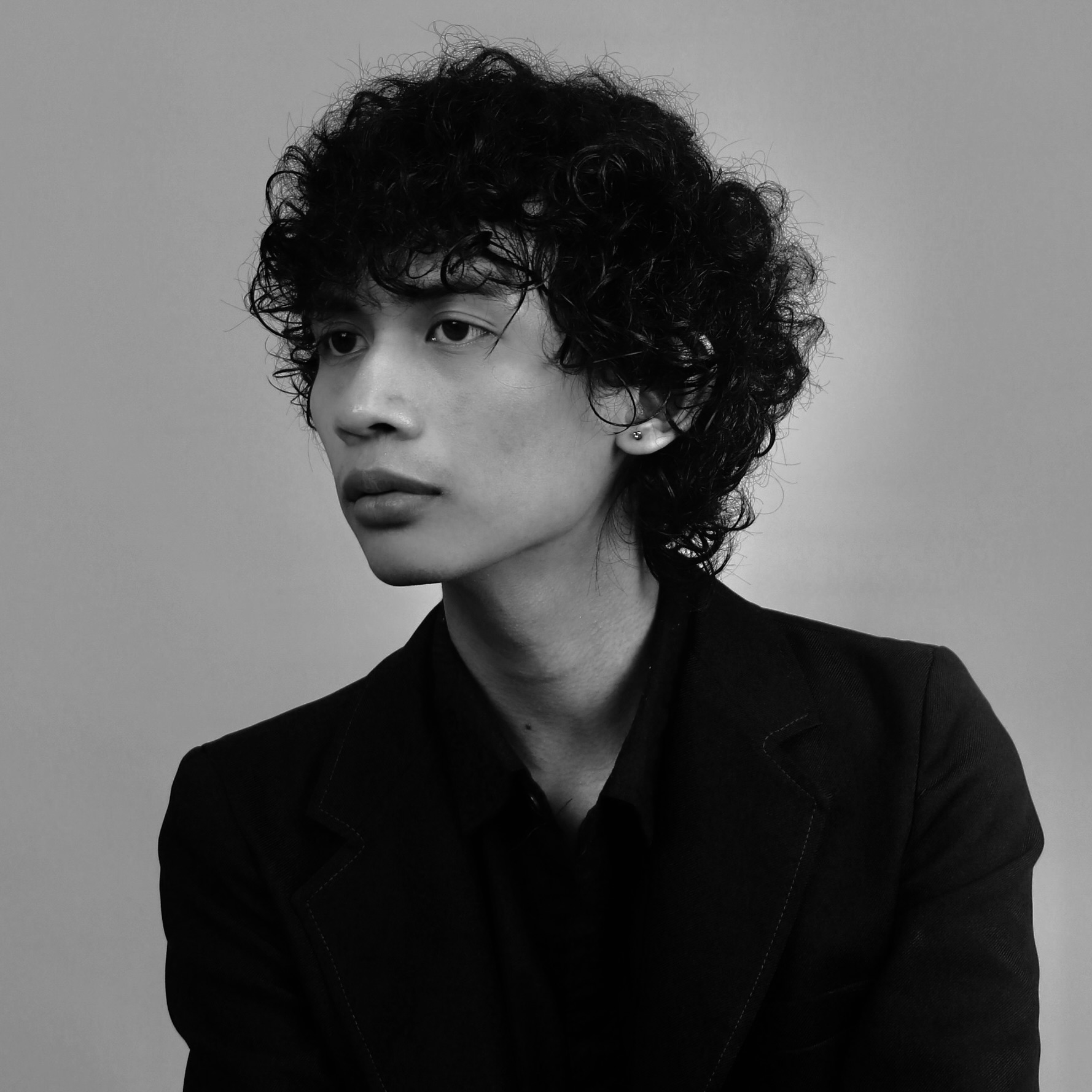
Von Zyron Alimorong
Von Zyron Alimorong is a writer and social media point person for the Philippines Graphic. He is based in Makati. His works often dissect human nature, infusing narratives with introspection and existentialist thought. He studied Literature at the University of Santo Tomas and served as a Literary writer for The Flame. He is also the rhythm guitarist for the band COALESCENCE.