

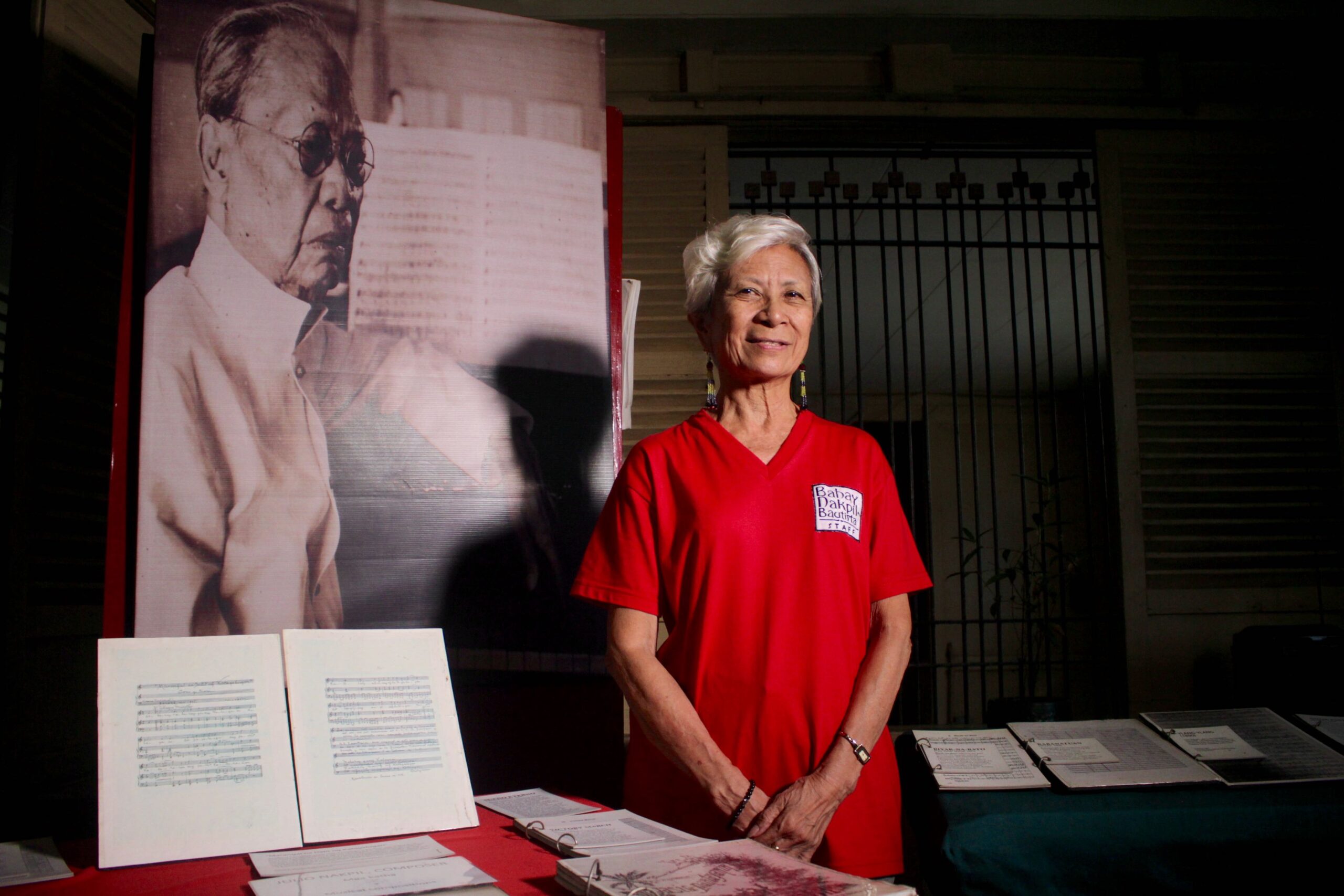
In the heart of Quiapo stands the historic Bahay Nakpil-Bautista, a living witness to the nation’s struggle for independence, cultural identity, and collective memory.
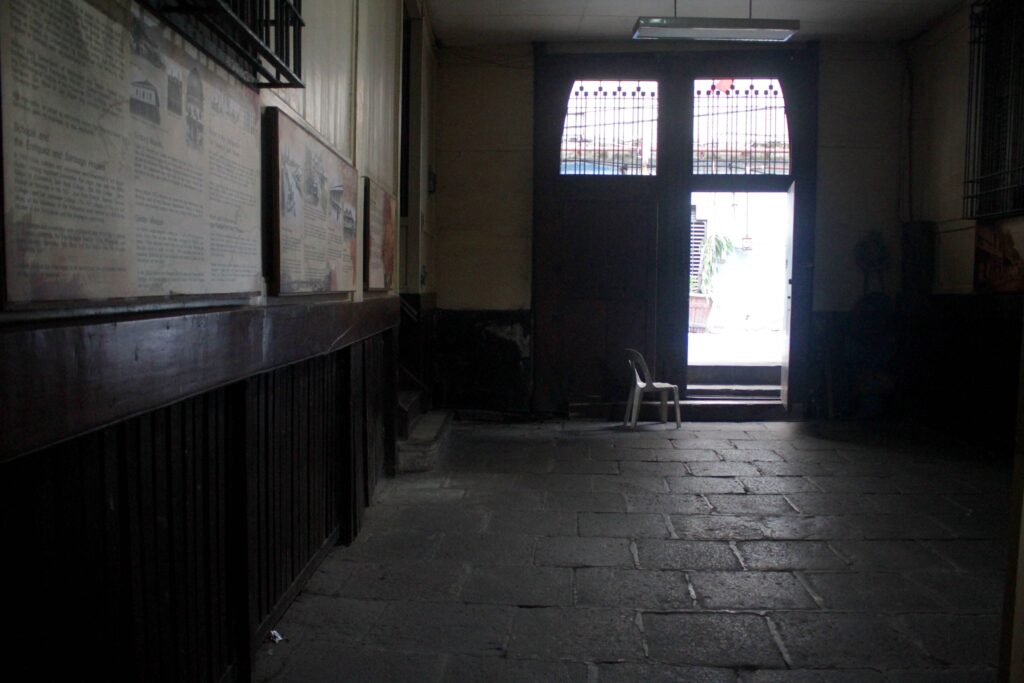
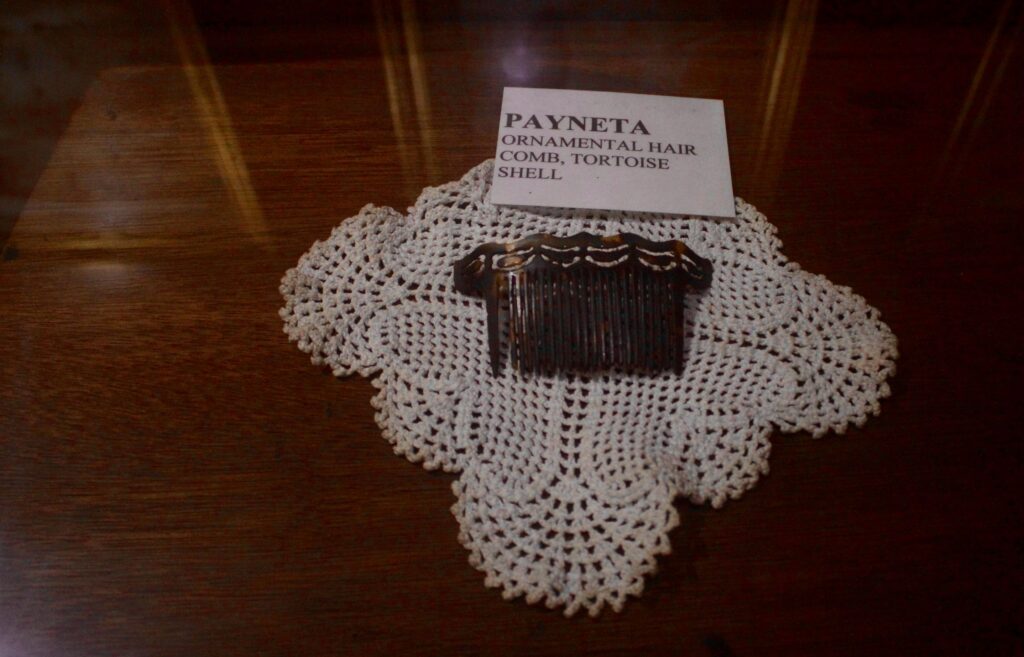
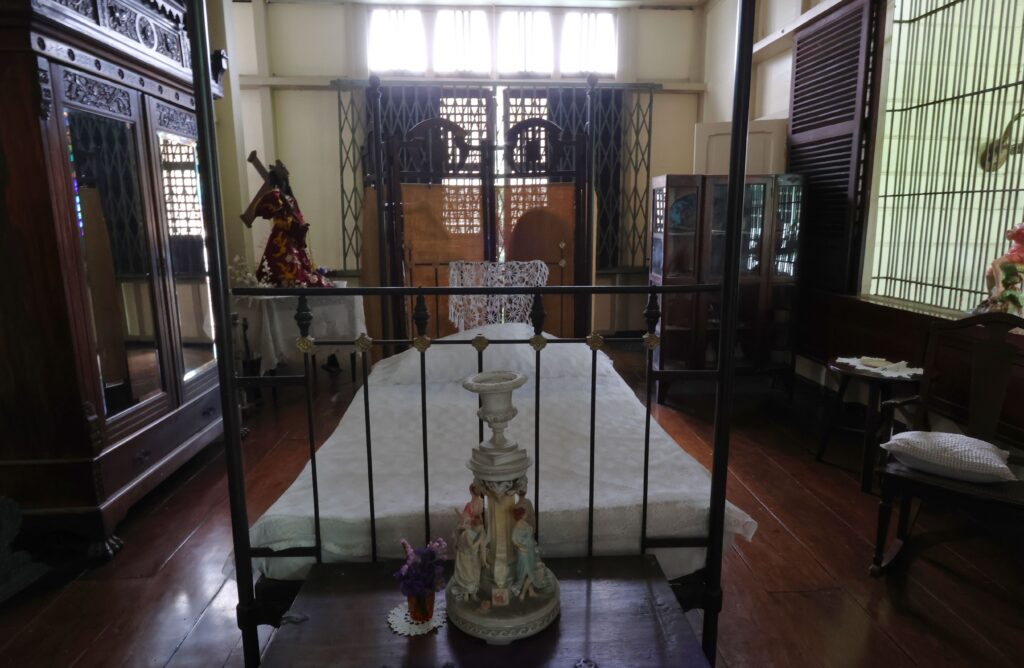
Its wooden floors, stone foundations, antique furnishings, and family heirlooms tell stories that cannot be found in textbooks alone. Yet beyond its architectural beauty, the house serves as a reminder of a growing challenge facing the Philippines today: how to balance development with the preservation of heritage and the environment.
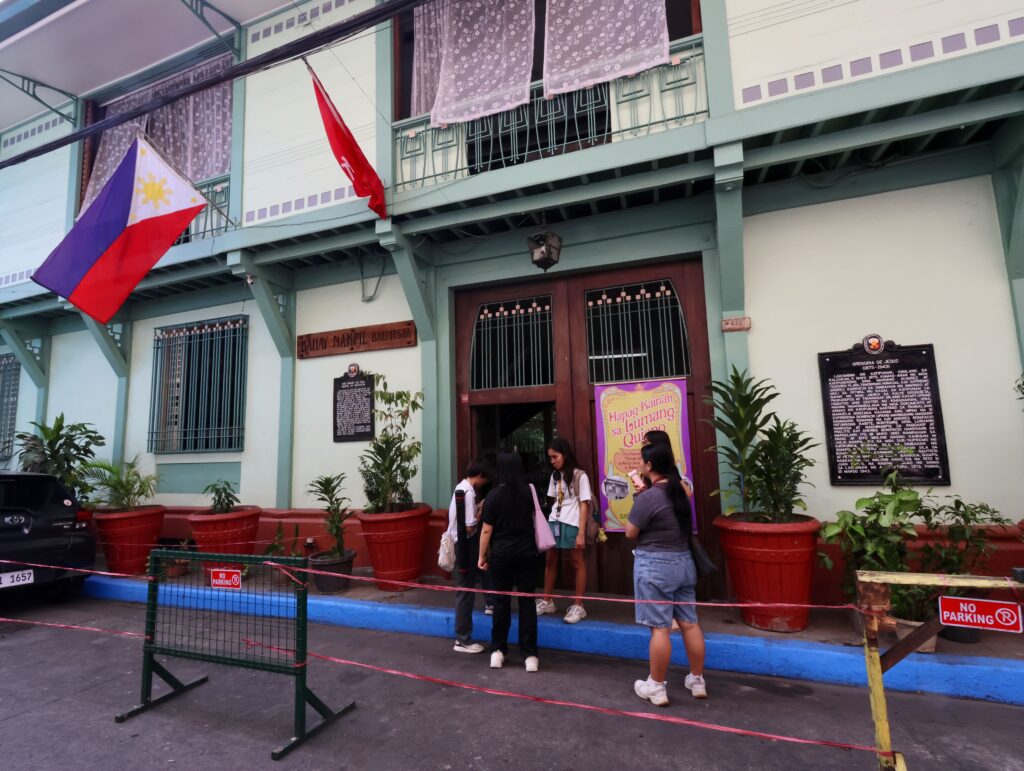
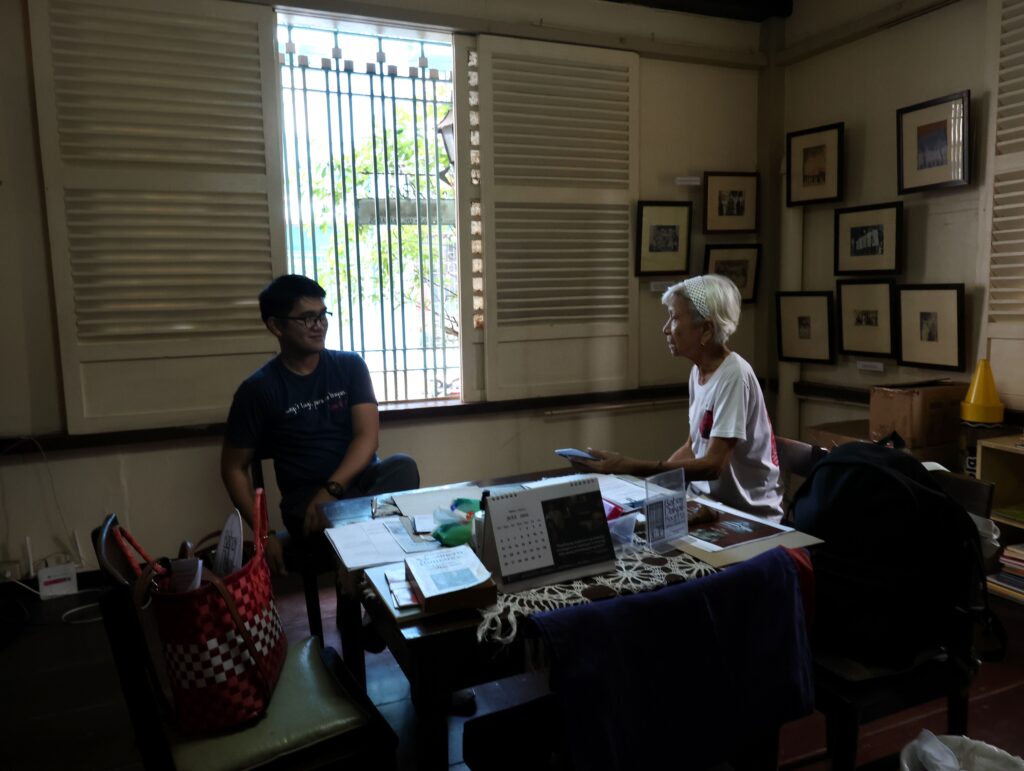
For Maria Paz “Bobbi” Nakpil Santos-Viola, administrator and descendant of the Nakpil family, conservation is more than simply keeping an old structure standing.
“Conservation is like an umbrella,” she explained during an interview. “Preservation is taking care of something. Conservation is a higher level. It ensures that all aspects are maintained and sustained for the long term.”
Her distinction is significant. Preservation focuses on protecting an existing structure from deterioration. Conservation, meanwhile, encompasses a broader commitment to maintaining a property’s historical, cultural, educational, and social value for future generations.
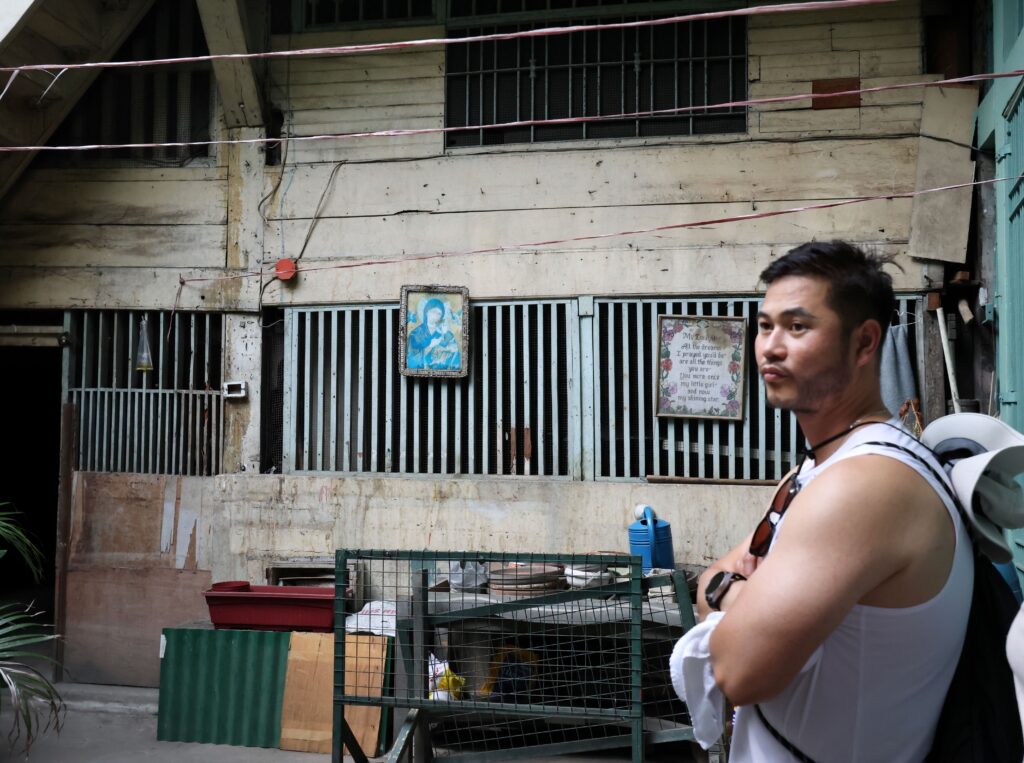
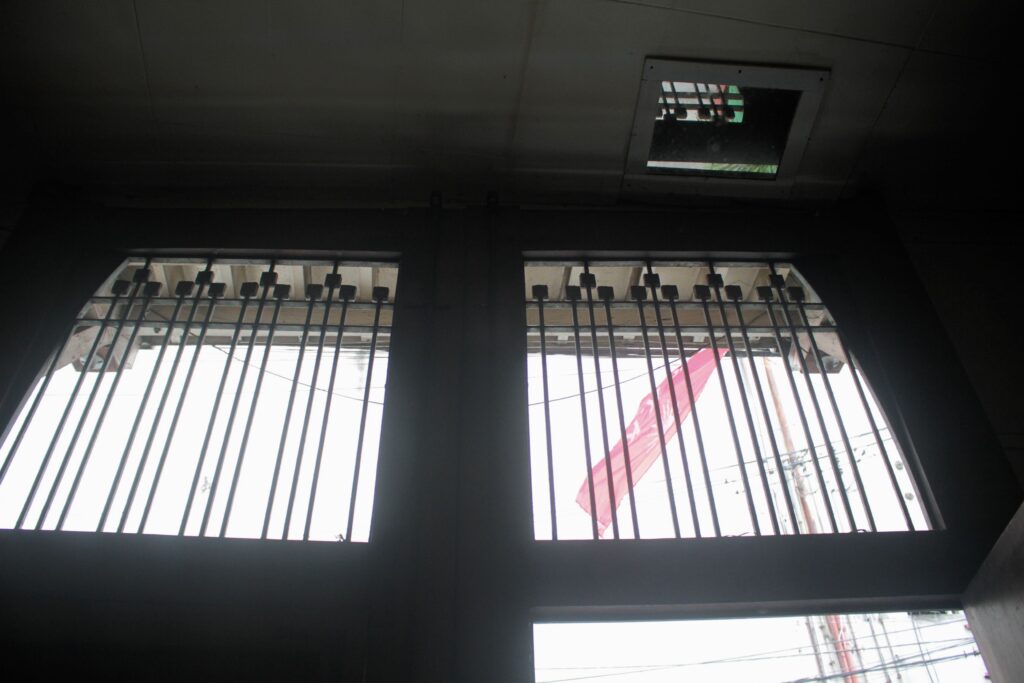
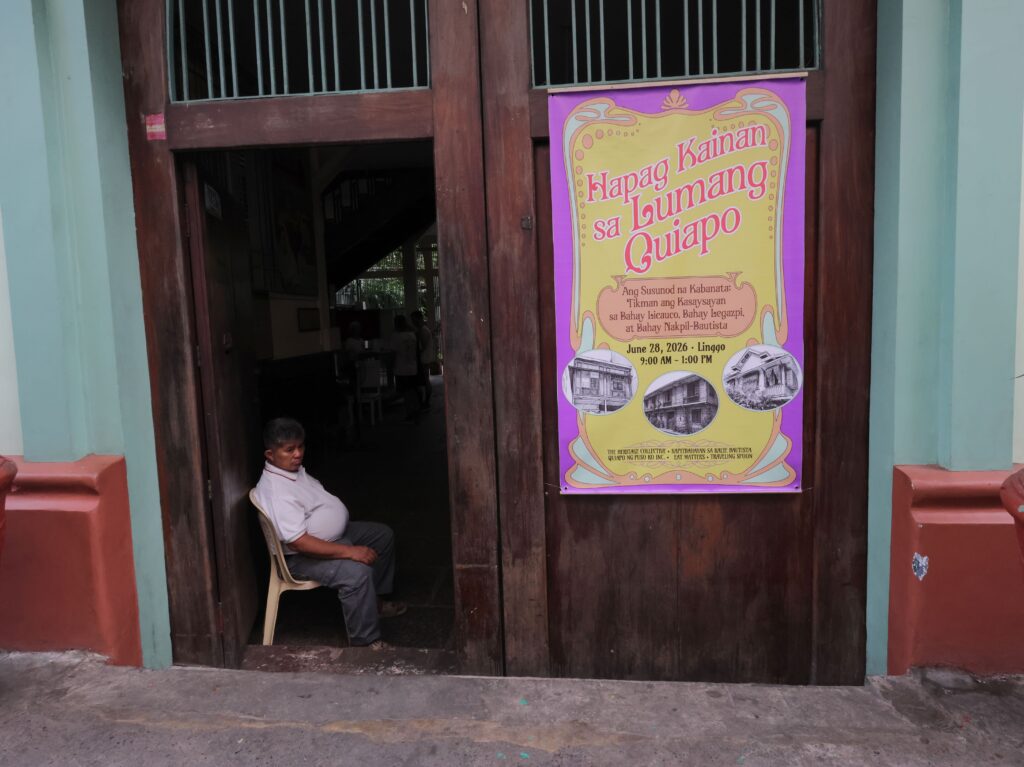
“It applies to buildings, parks, and even intangible heritage,” Santos-Viola said. “You preserve in order to conserve.” Sustaining Heritage Through Love and Commitment
Maintaining a century-old heritage house is not an easy task. It requires constant repairs, technical expertise, and, perhaps most importantly, financial resources.
Yet Santos-Viola or simply Bobbi, believes that money alone is not enough.
“You need financing, yes,” she said. “But you also need love. If it’s only for money, it is different. Love makes you respect what you’re doing, and people will respect what you have done.”
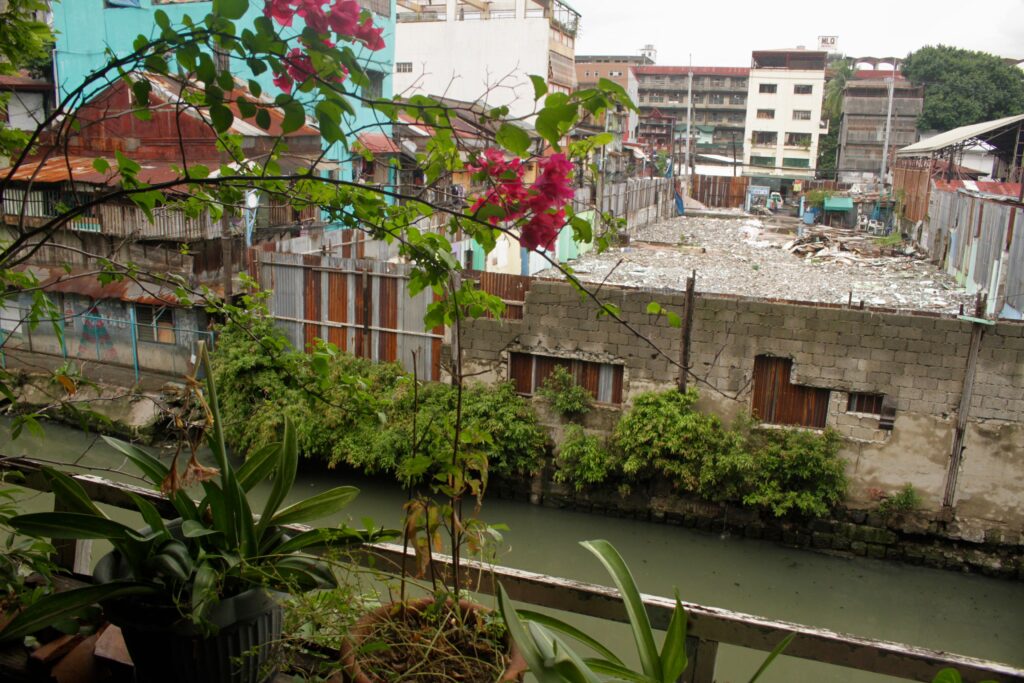
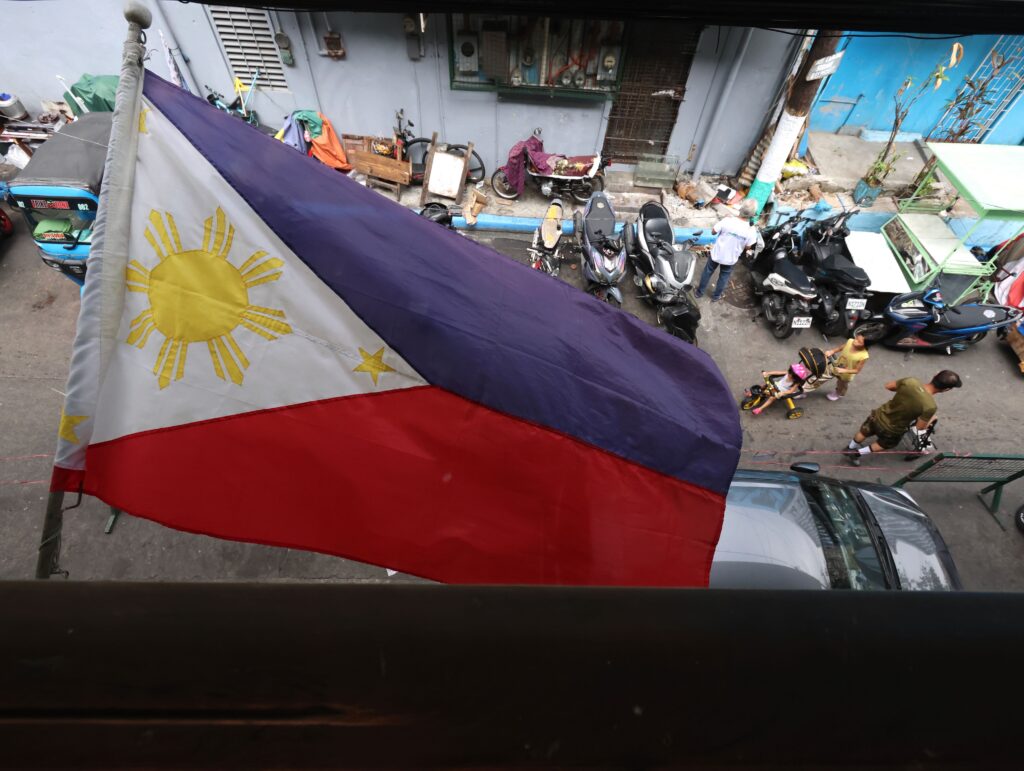
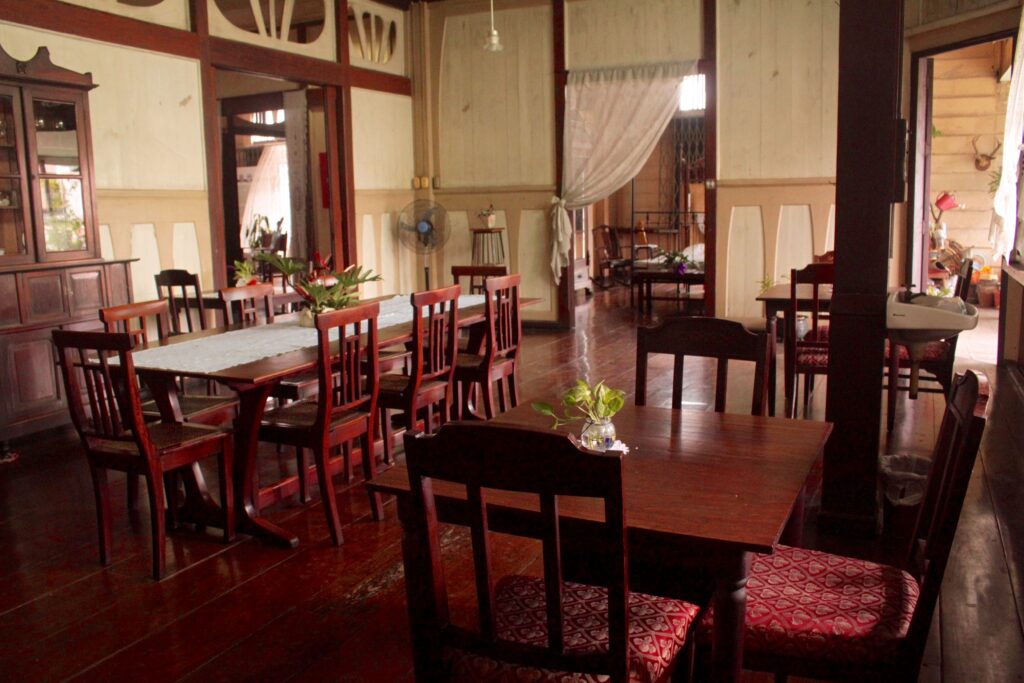
That philosophy has guided the stewardship of Bahay Nakpil-Bautista for years. Once used as a restaurant, dormitory, and office space, the house was eventually restored as a heritage site under the care of Santos-Viola after her retirement from a career in New York.
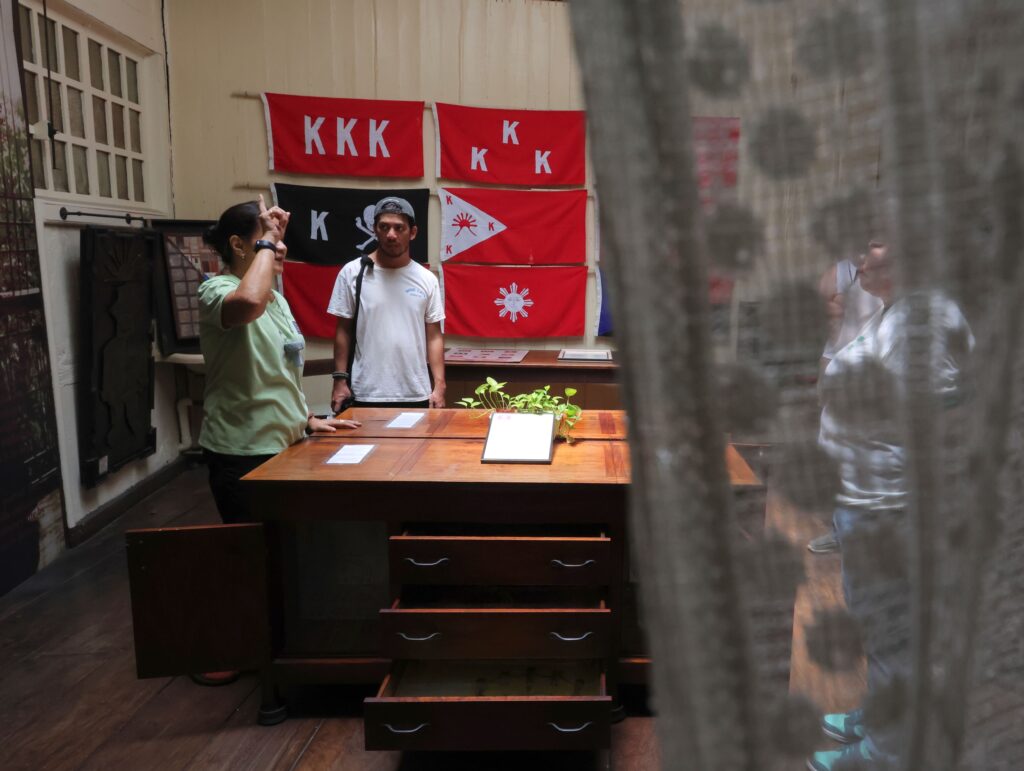
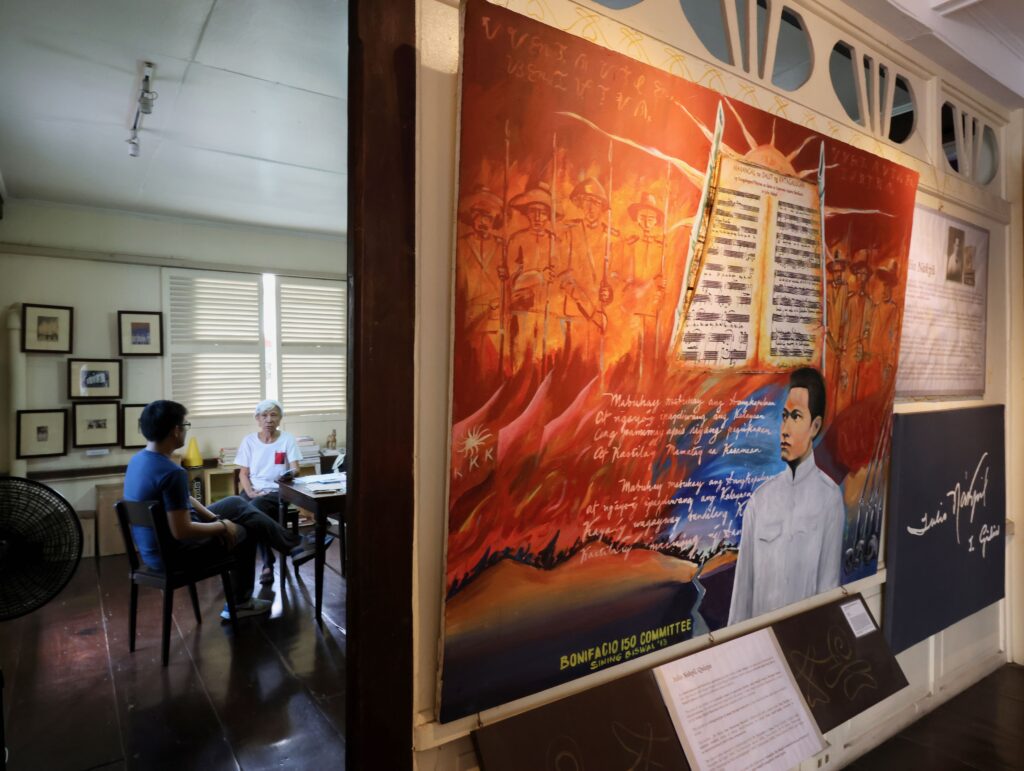
Today, the house serves as an educational venue where visitors learn about revolutionary figures such as Julio Nakpil, Gregoria de Jesus, and Juan Nakpil.
The house itself tells a larger story about nationhood.
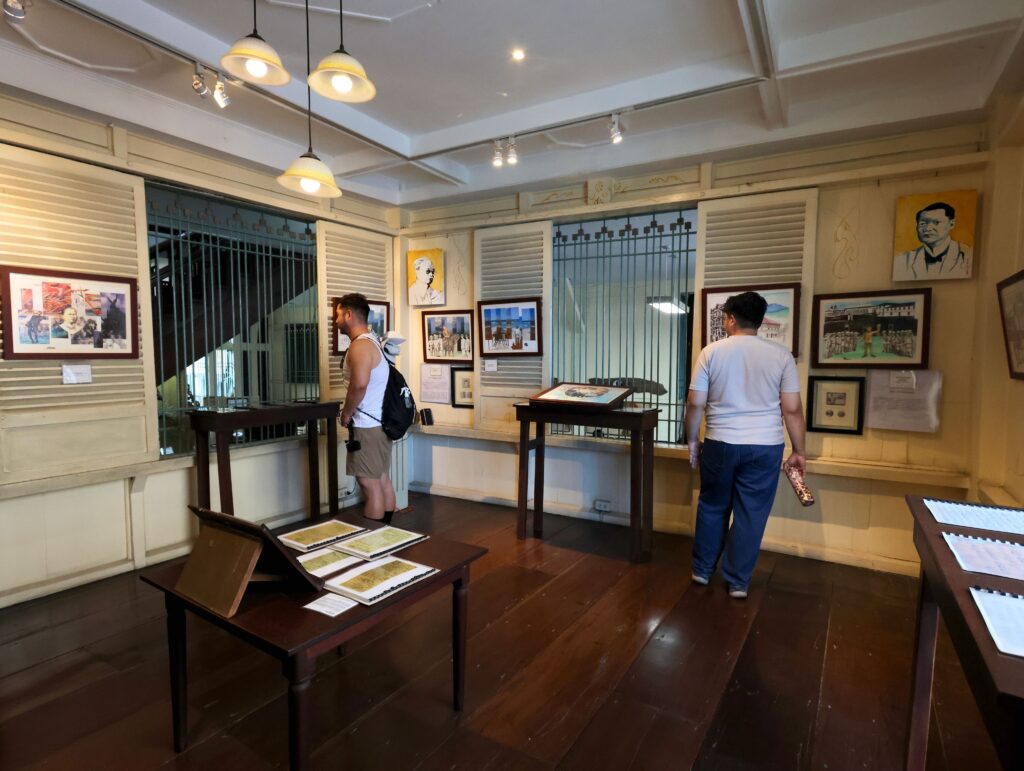
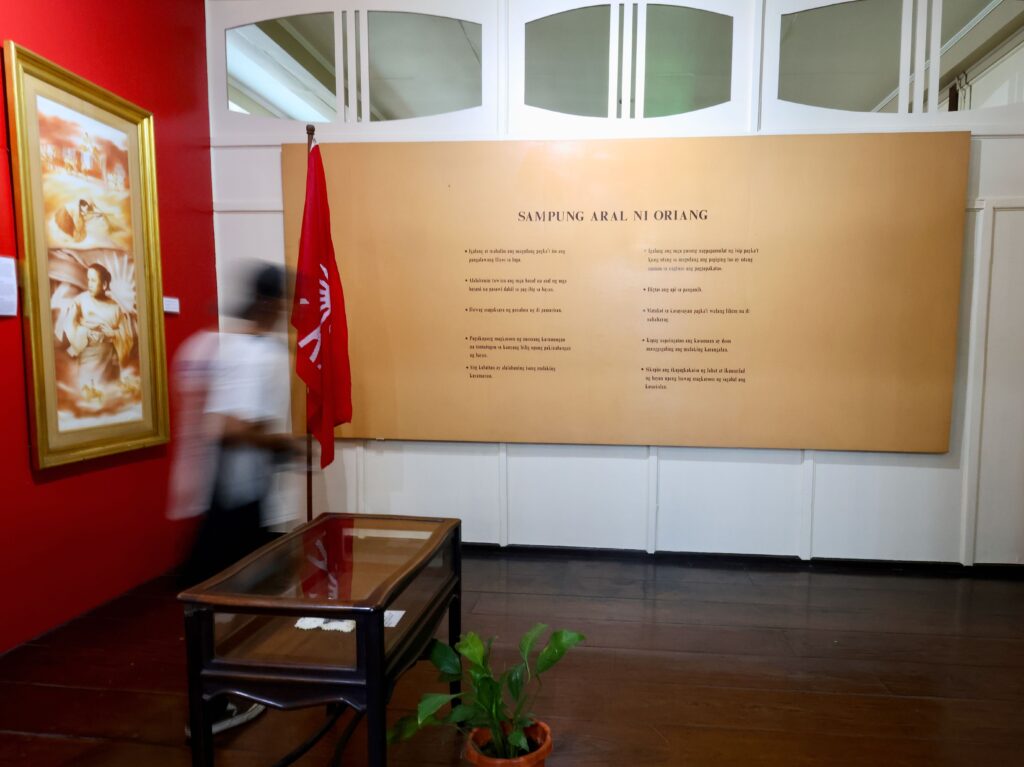
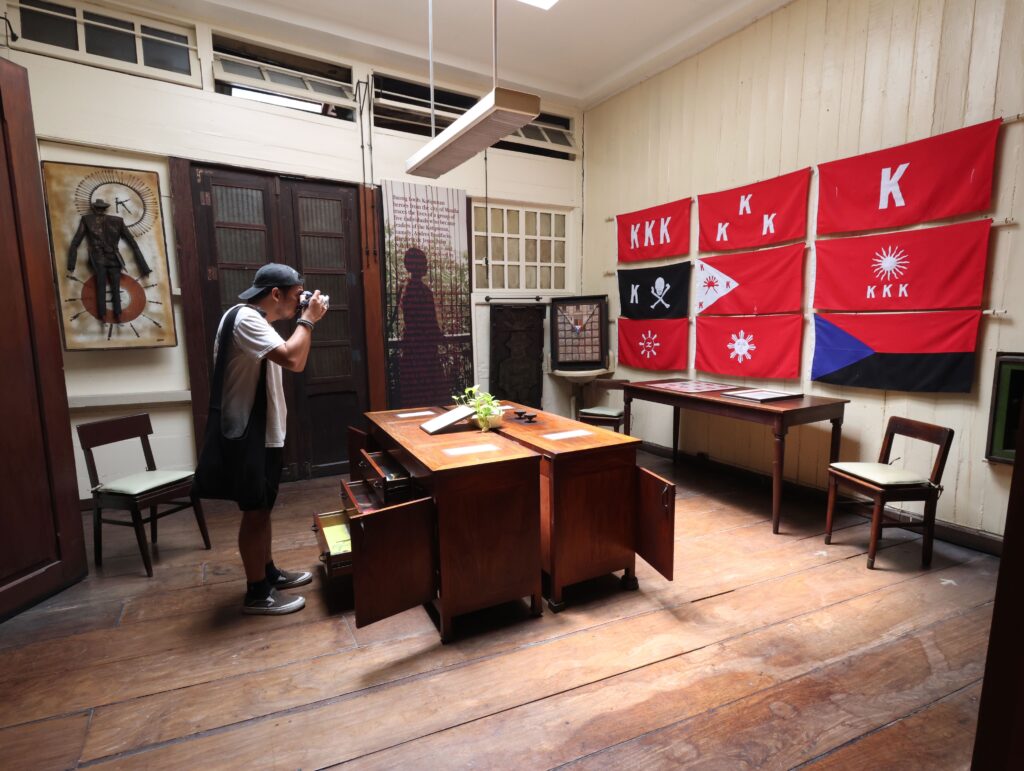
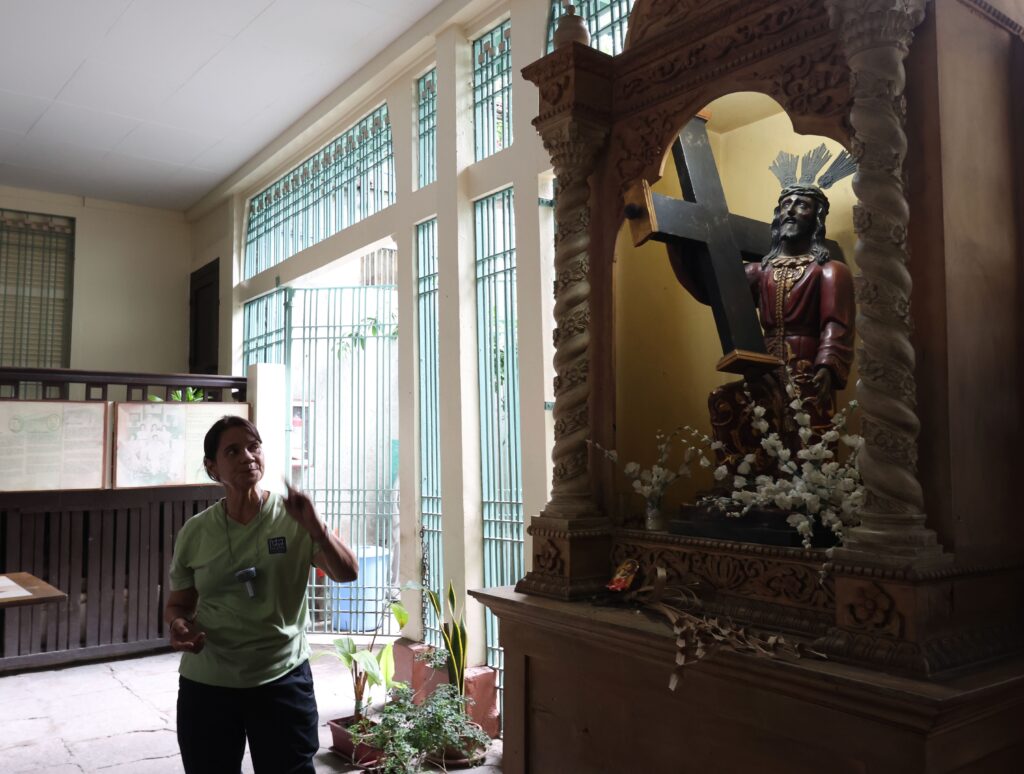
“Our mission is to keep the spirit of the house alive,” Santos-Viola said. “It is tied to education, culture, and social value.”
She emphasized that demolishing or neglecting heritage structures is akin to discarding the sacrifices and memories of previous generations.
“If we take it away, demolish it, or sell it to someone who will not continue its purpose, it is like throwing our ancestors into the trash,” she said.
Every Old House Has a Story
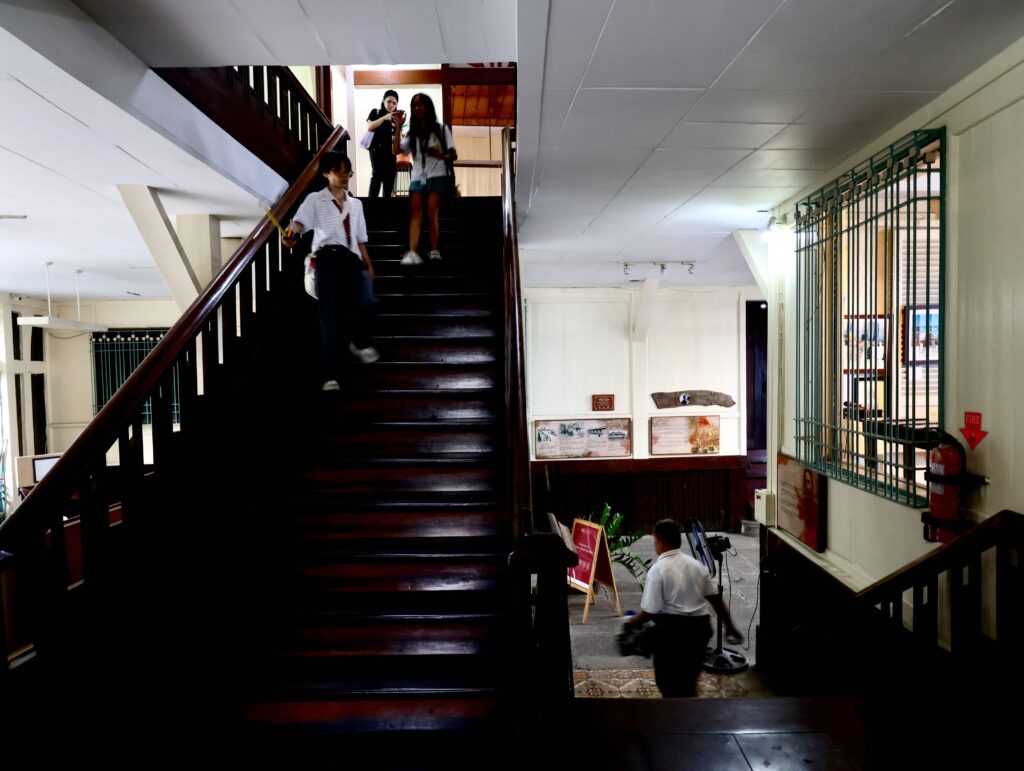
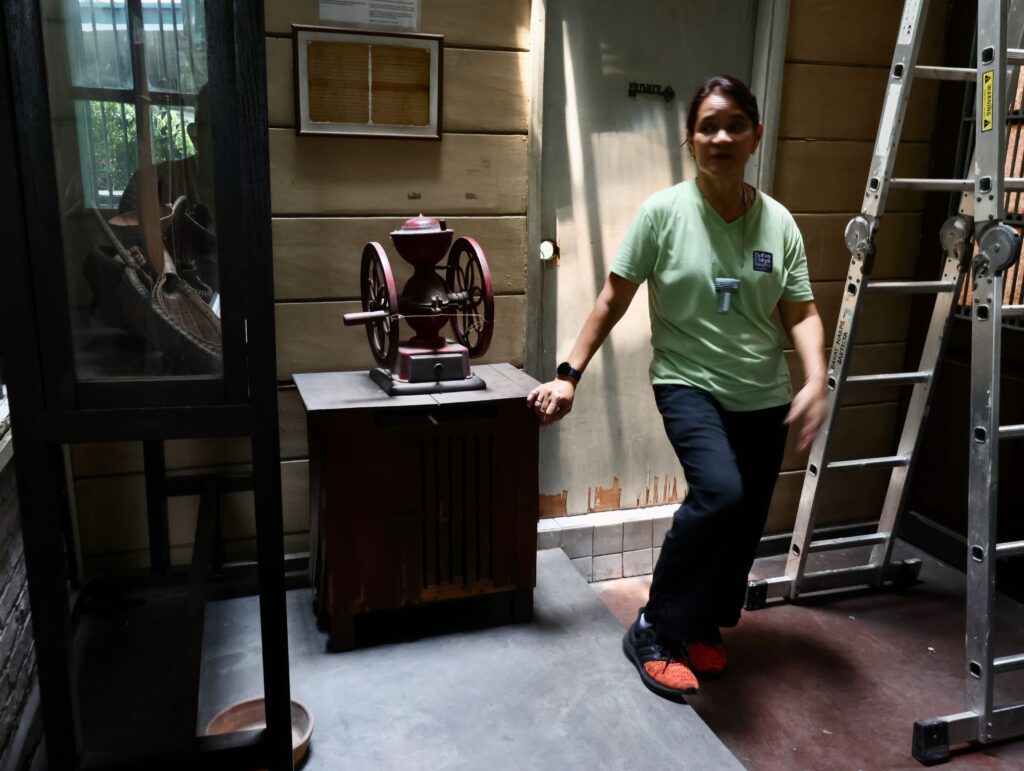
During guided tours, visitors encounter physical remnants of Philippine history—from centuries-old piedra china stones used as balance in Spanish galleon ships to architectural elements that survived war, reconstruction, and modernization. They also have Machuca tiles that can be seen just after the garage or zaguan and before the stairs to the entresuelo or mezzanine.
Volunteer guides often remind guests that every heritage structure carries a unique narrative.
“When you walk through old districts, you see many old houses,” one guide explained.
“Each one has its own story and its own importance.”
That observation highlights a reality often overlooked in urban planning discussions. Heritage structures are not merely aging buildings occupying valuable land. They are repositories of collective memory that connect present generations to the country’s past.
When such structures disappear, entire chapters of local history can vanish with them.
Development Versus Conservation
The conversation becomes particularly relevant amid ongoing debates surrounding infrastructure projects and reports of tree-cutting activities linked to major road developments, including the proposed Southern Luzon Access Link Expressway.
Across the country, environmental advocates and heritage conservationists have raised concerns that development projects sometimes prioritize speed and economic gain over long-term cultural and ecological sustainability.
The challenge is not whether development should proceed. Roads, bridges, and transportation networks remain essential to national progress.
The question is whether development can coexist with conservation.
Ms. Bobbi believes it can.
She pointed to the growing awareness among Filipinos regarding the importance of protecting heritage sites and acknowledged the role of government institutions such as the National Historical Commission of the Philippines in safeguarding cultural properties through legal protections and conservation guidelines.
“There are rules, resolutions, and legal backing,” she said. “People are now more aware that there is value.”
With its stamp mark, the developers know there will be legal obstacles.
The same principle can be applied beyond heritage houses and toward the country’s natural heritage.
Just as old trees cannot be replaced overnight, neither can historic structures be recreated once lost. A newly planted sapling may take decades to become a mature forest canopy. Likewise, a reconstructed building can never fully replicate the authenticity of a structure that has witnessed history firsthand.
Conservation as a National Responsibility
The debate surrounding heritage conservation and environmental protection ultimately revolves around one question: what kind of legacy will today’s generation leave behind?
For conservation advocates, the answer lies in sustainability.
A nation that values conservation recognizes that progress should not come at the cost of erasing its roots. Economic growth and infrastructure development must be balanced with the preservation of cultural landmarks, historic communities, and natural ecosystems.
The lesson from Bahay Nakpil-Bautista is simple but profound: preservation is about caring for what exists today; conservation is about ensuring it remains meaningful tomorrow.
As the Philippines continues to modernize, that distinction may become increasingly important. For when a heritage house is demolished, or an old-growth tree is cut down, something more than wood, stone, or land is lost.
A piece of memory disappears with it.
And once memory is gone, no amount of development can bring it back.
It’s lost and never coming back. — Story and photos by Bernard Testa

Started in 1927, the Philippines Graphic is the longest-running printed magazine of national circulation that provides relevant news and features and promotes Philippine literature.