


National Artist for Literature Frank Sionil Jose shares his long experience and thoughts on the development and advocacy of Philippine literature at the first webinar of the Philippines Graphic to be held on Nov. 30 at 1: 30 pm.
“How’s your Soul Quotient?— The state of Philippine Literature in the time of the pandemic” will be a two-hour webinar that will have F. Sionil Jose as the sole speaker.
He will have as reactors multi-awarded poet and fictionist Dr. Jose “Butch” Dalisay and veteran journalist and art and culture critic Lito Zulueta.
Born on December 3, 1924 in Rosales town in Pangasinan, Sionil Jose has seen through the highs and lows of Philippine literature, across 15 Presidents of the Republic—from the time of Pres. Manuel Luis Quezon to the years of Pres. Rodrigo Roa Duterte.
Sionil José’s novels, short stories and non-fiction works highlight the social underpinnings, class struggles and colonial history of Filipino society.
He is best known for his epic work, The Rosales Saga—five novels encompassing a hundred years of Philippine history, painting a vivid documentary of Filipino life.
Since starting his writing career in 1949, José has written more than 35 books, translated into more than 20 languages and published worldwide.
He has also been involved with international cultural organizations, notably International P.E.N., the world association of poets, playwrights, essayists and novelists, whose Philippine Center he founded in 1958.
Recognitions of José’s literary works and his influence on the Philippines and Asia include the Ramon Magsaysay Award for Journalism, Literature and Creative Arts (1980), Philippine National Artist (2001), and the Pablo Neruda Centennial Award (2004), and Officer in the French Order of Arts and Letters (2014).
REGISTRATION
Various universities and colleges will be participating in the event. Those interested in joining the webinar can register at https://mailchi.mp/2ca618d8d53c/graphic-webinar?fbclid=IwAR0WTWYrpae5tyIt_uPfCYuxsr4uiFF–g4DfePosALOh2dk30R9xXY5XHE
The webinar will be hosted by BusinessMirror editor-in-chief Lourdes Molina-Fernandez and will be moderated by public anthropologist, film critic, film educator, and BusinessMirror columnist Tito Genova Valiente for its Q&A segment.
Philippines Graphic is spearheading the webinar with the support of its sister-media outfits under the ALC Media Group—BusinessMirror, BusinessMirror‘s Tony & Nick section, Pilipino Mirror, CNN Philippines, DWIZ 882, and Home Radio 97.9.
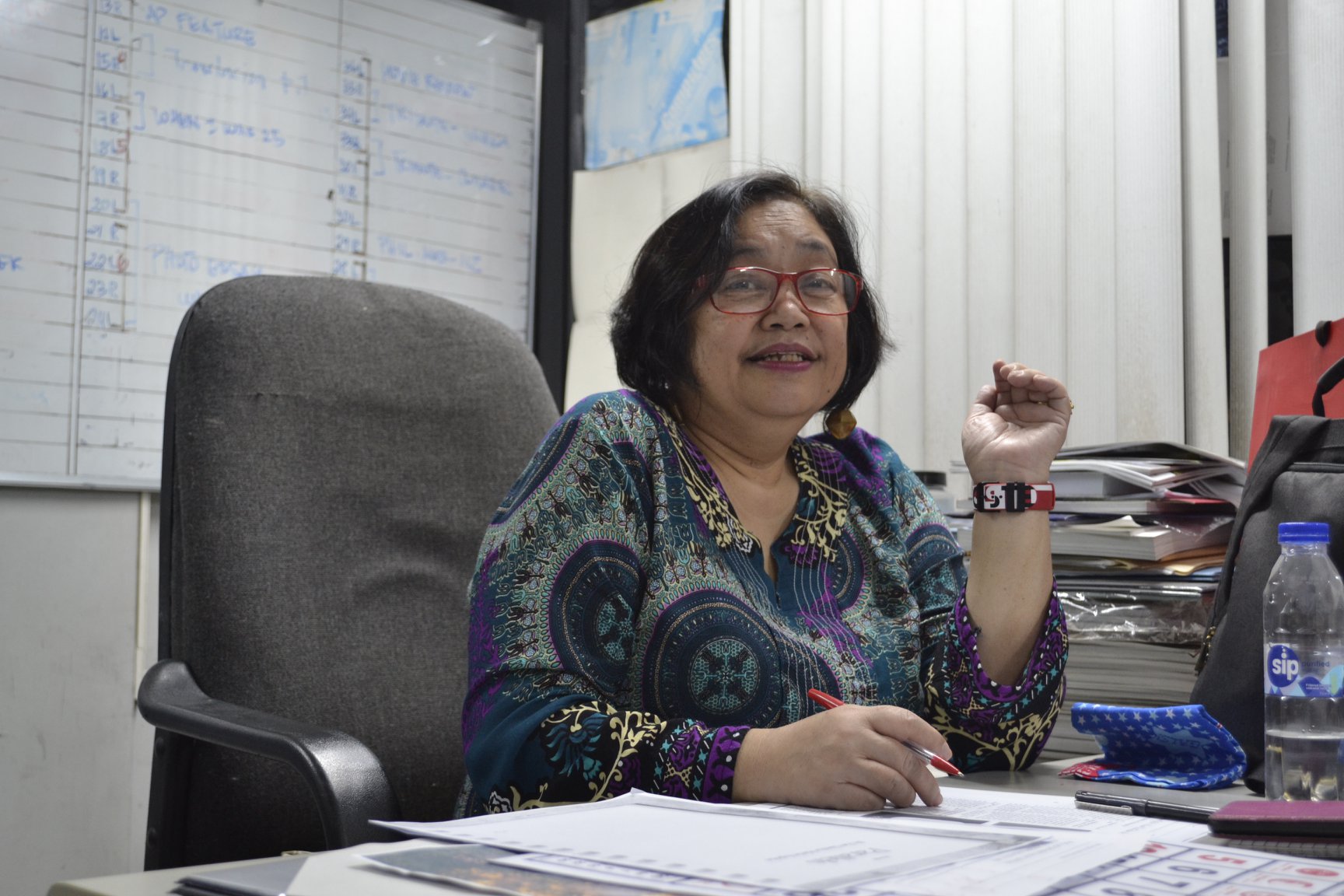
Editor-in-Chief of Philippines Graphic