


There was a time when gaming in the Philippines meant physical spaces. Arcades echoed with coin drops and machine sounds, while computer shops became temporary homes for students skipping the afternoon heat after class.
Gaming had limits then. Shops closed. Tokens ran out. Parents called the children home before dark. Even leisure followed a schedule, almost like the Filipino siesta culture itself: entertainment existed, but only within certain hours and spaces.
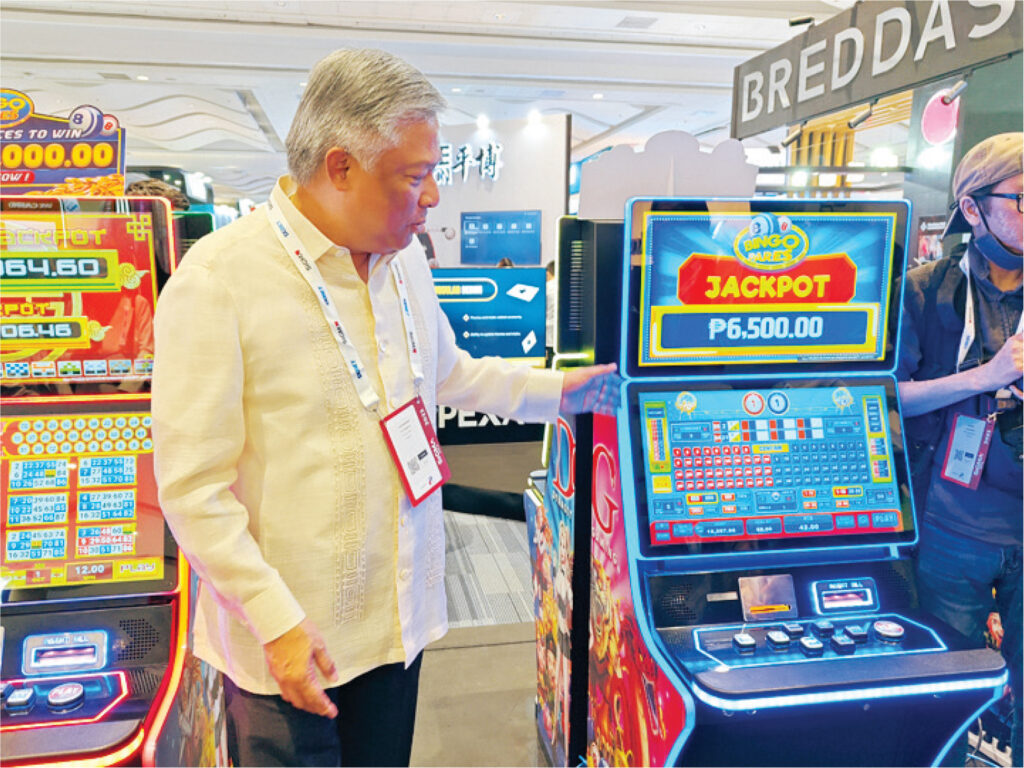
Today, gaming no longer sleeps and thrives from the deprived.
The rise of smartphones, digital wallets, online casinos, esports platforms, and 24/7 connectivity has transformed gaming into something far more accessible than previous generations could have imagined.
What used to require travel to a physical venue can now be accessed with a few taps on a screen. The gaming industry has evolved from localized recreation into a massive digital economy that operates continuously, crossing boundaries of geography, time, and especially age.
However, alongside this convenience comes a larger question: in an era where gaming is one tap away, where does responsible gaming now stand?
MORE AVAILABLE
Historically, games were never viewed as inherently dangerous. The word “game” itself traces back to the Old English “gamen,” meaning joy, amusement, or communal participation.
Leisure was once associated with gathering, recreation, and temporary escape from daily labor. Gaming spaces, especially in the Philippines, also functioned as social spaces. Computer shops became communities. Arcade centers became meeting places. Even card games played outside sari-sari stores reflected how entertainment was deeply tied to physical interaction.
As games become more accessible within spaces that do not require movement or mobility, the word game and gamers now connotes a pre- conceived notion that games transform an individual into an irresponsible addict, stuck to their phones 24/7, especially with the rapid expansion of mobile technology and online payment systems. This, in turn, created accessibility as both a challenge and an achievement.
The more available gaming becomes, the more discussions surrounding player welfare, digital safety, and financial responsibility also become necessary.
GAMING CHALLENGE

Responsible gaming today no longer uses the limiting strategy, but now involves concerns about data protection, financial literacy, and possible adverse effects to psychological situations.
Now, since the connotations had reached a more complicated platform, public discourse from the masses had leaned toward the definition of gaming as that of extremes: harmful entertainment.
This mindset had separated the issue from gaming itself because the issue lies in how systems are built for their users.
A highly accessible environment also means highly accessible risks.
The challenge for regulators and gaming platforms is how to maintain the freedom and enjoyment associated with gaming while reducing the harms that may emerge from excessive participation.
This balancing act explains why responsible gaming initiatives have become central to discussions surrounding the future of digital entertainment.
DIGITAL PLATFORMS
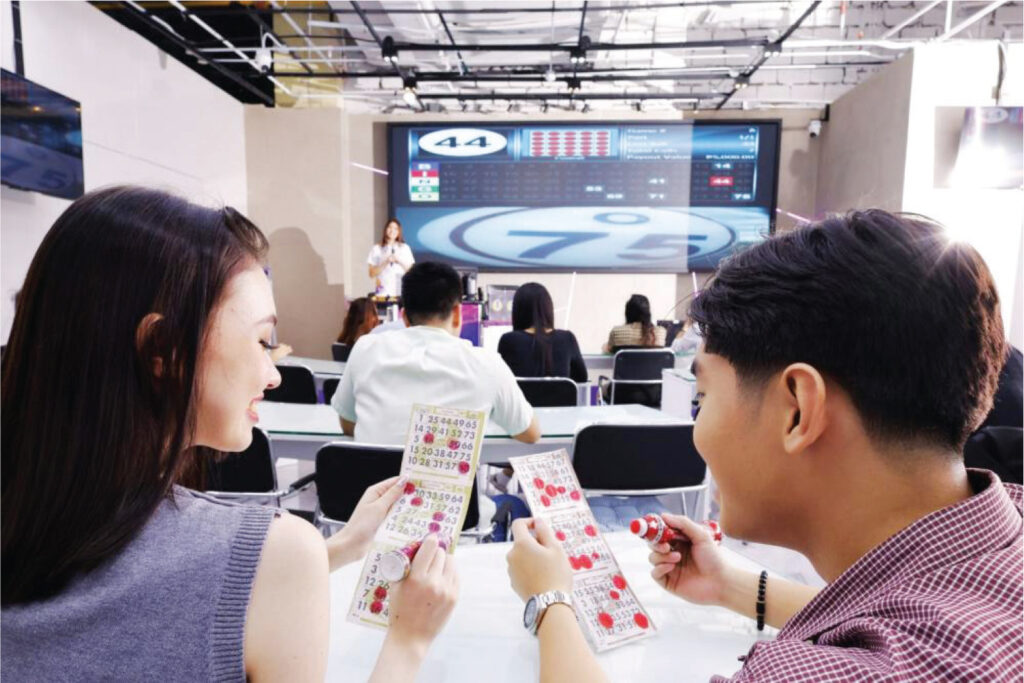
In many ways, some of the older systems of supervision still remain relevant today.
Age verif ication, identity authentication, and parental controls continue to function as the first line of defense in promoting safer gaming environments.
Before online gaming existed, physical gaming spaces already imposed forms of regulation. Young players could not simply enter certain venues without supervision. Transactions happened face-to-face. Spending was visible and limited by physical cash.
Digital platforms now attempt to recreate these safeguards through technology. Multi-step verification systems, spending limits, self-exclusion tools, and monitoring systems are increasingly becoming standard practices across legitimate gaming operators worldwide.
These measures are no longer optional public relations campaigns but essential components in maintaining consumer trust.
RESPONSIBILITY, TRANSPARENCY
At the same time, responsibility cannot rest entirely on the shoulders of players alone.
One of the recurring criticisms against discussions on responsible gaming is the assumption that every participant possesses the same level of financial literacy or digital awareness.
In reality, access to technology does not automatically mean access to education about healthy digital habits. A person may understand how to use a digital wallet without fully understanding long-term spending behavior or online risk management.
This is why transparency matters. Players are more likely to make informed decisions when gaming systems clearly communicate risks, spending histories, payment structures, and protective options.
Transparency transforms responsibility from mere restriction into informed participation.
Restrictions alone often fail because they create the illusion that control only comes from prohibition. Sustainable, responsible gaming instead comes from building awareness and encouraging accountability between both platforms and participants.
In the Philippines, this conversation also intersects with regulation. The Philippine Amusement and Gaming Corporation or Philippine Amusement and Gaming Corporation (PAGCOR) continues to occupy a unique role as both regulator and revenue-generating institution within the gaming industry.
This dual responsibility reflects the complexity of modern gaming economies. The industry contributes significantly to employment, tourism, taxation, and digital innovation, yet it also requires stronger consumer protection mechanisms.
NOT ANTI-GROWTH
Responsible gaming, therefore, is not anti-growth. It is part of sustaining growth.
This distinction becomes especially visible in the rise of electronic sports or esports.
Once dismissed merely as children spending too much time in computer shops, esports have evolved into a legitimate industry involving sponsorships, international tournaments, broadcasting networks, universities, and professional careers.
What began as small communities gathered around rented computers has become a recognized form of mainstream entertainment.
The growth of esports challenges the stereotype that all gaming inevitably leads to destructive behavior. Instead, it demonstrates that structured gaming environments can produce discipline and economic opportunities.
Competitive gaming communities thrive not simply because games are accessible, but because systems of organization, moderation, and professionalism were introduced alongside accessibility.
In this sense, esports also reveal an important lesson for the broader gaming industry: accessibility alone is not the problem. Problems emerge when accessibility expands faster than education, safeguards, and consumer awareness.
Technology itself is neither inherently responsible nor irresponsible.
It simply magnifies existing behaviors and systems.
The same digital infrastructure that enables unhealthy spending habits can also support stronger safety measures, financial tracking tools, educational campaigns, and customer protection systems.
This explains why conversations surrounding responsible gaming increasingly focus on technology-driven solutions rather than purely moral arguments. Features such as real-time spending alerts, voluntary account pauses, behavioral monitoring systems, and clearer payment records may be categorized as necessary tools in building healthier gaming ecosystems.
FUTURE OF GAMING
The gaming industry today no longer resembles the isolated entertainment culture of previous decades. It is now embedded within larger discussions about digital citizenship, consumer rights, online safety, and economic sustainability.
Gaming platforms are no longer just providers of leisure but participants in a wider digital public sphere.
Yet despite these transformations, one thing remains surprisingly unchanged: people still seek games for the same reason they always have.
Entertainment provides stress relief, a place to escape. The difference is that these communities are no longer confined to the neighborhood arcades or internet cafés. They now exist across livestreams, multiplayer servers, esports arenas, and digital platforms operating around the clock.
Responsible gaming ultimately attempts to restore balance to this evolving environment. It seeks to preserve what gaming originally represented: enjoyment without exploitation, recreation without harm, and community without neglecting personal well-being but as an addition to experience a more significant human experience in living life.
The future of gaming will likely become even more accessible than it is today. With the rise of artificial intelligence, virtual reality may further blur the line between entertainment and everyday life.
As this happens, responsible gaming initiatives will become even more important— not as obstacles to entertainment, but as frameworks that allow entertainment to remain sustainable.
In an age where games are available almost everywhere and at any hour, meaningful boundaries are no longer created by physical spaces alone.
They are created through awareness, education, transparency, and shared responsibility between players, platforms, regulators, and communities.
The gaming industry may have moved far beyond the era of siestas and neighborhood computer shops, but the need for balance remains exactly the same.
This article appeared in the May 2026 Special Issue of the Philippines Graphic.

Hjadoeya Calica
Hjadoeya Calica is a cinephile, reader, and a content writer for Philippines Graphic whose roots trace back to La Union and Aurora. She studied AB Literature at the University of Santo Tomas where she served as the Literary Editor for The Flame. Currently based at the heart of Makati, she finds inspiration in stories of every kind, spaces, and places.