
It is not “out of sight, out of mind”; landfills are not just eyesores in remote areas, but they also pose a significant health risk to the communities around them and emit a substantial amount of greenhouse gases from decaying food waste.
The RDC, or Recyclable, Disposable, and Compostable bins at SM Supermalls, are not only for show but serve as the start of the journey to achieve a net-zero landfill and beyond.
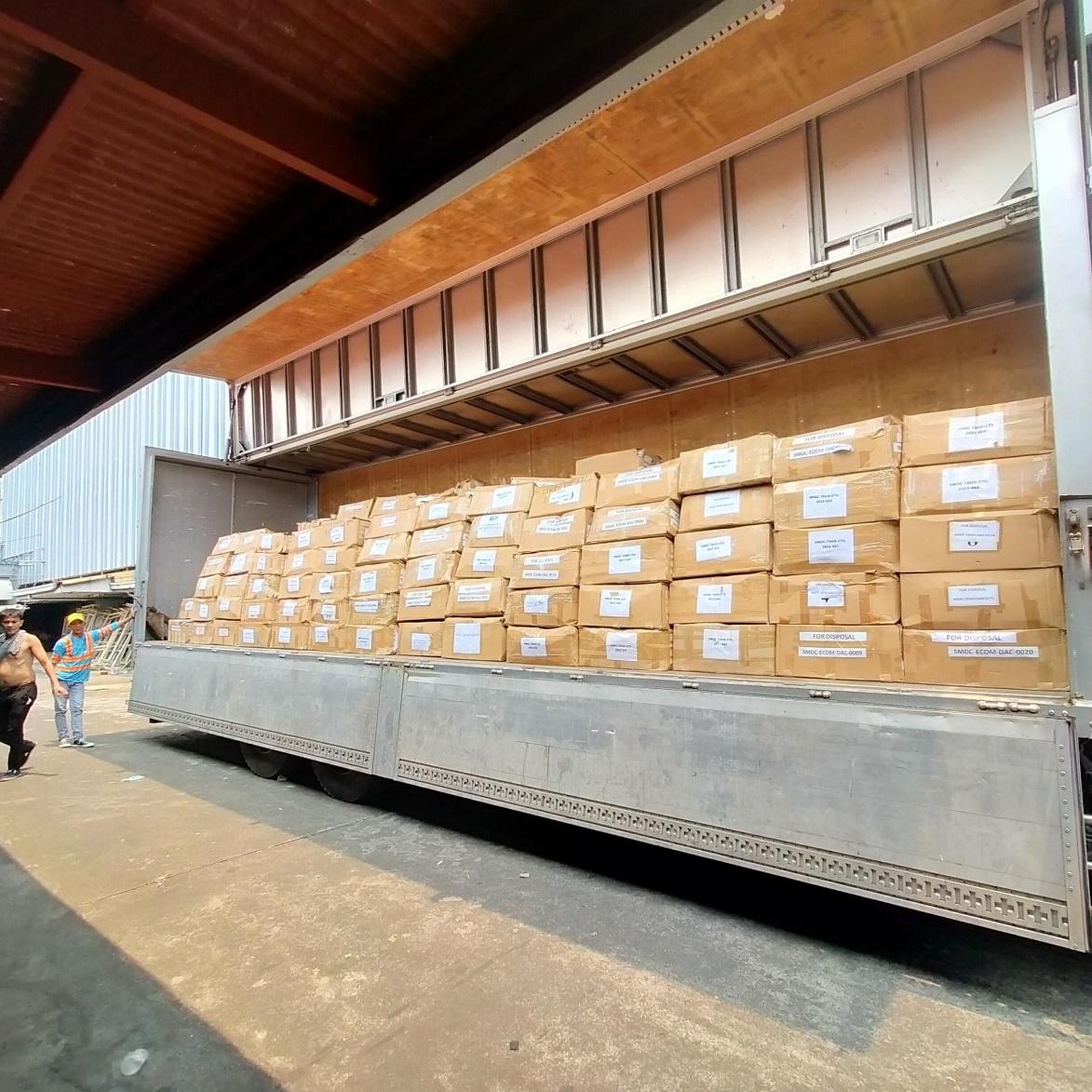
SM has recycled 130,250kg of its internal non-essential documents through its bulk paper recycling program.
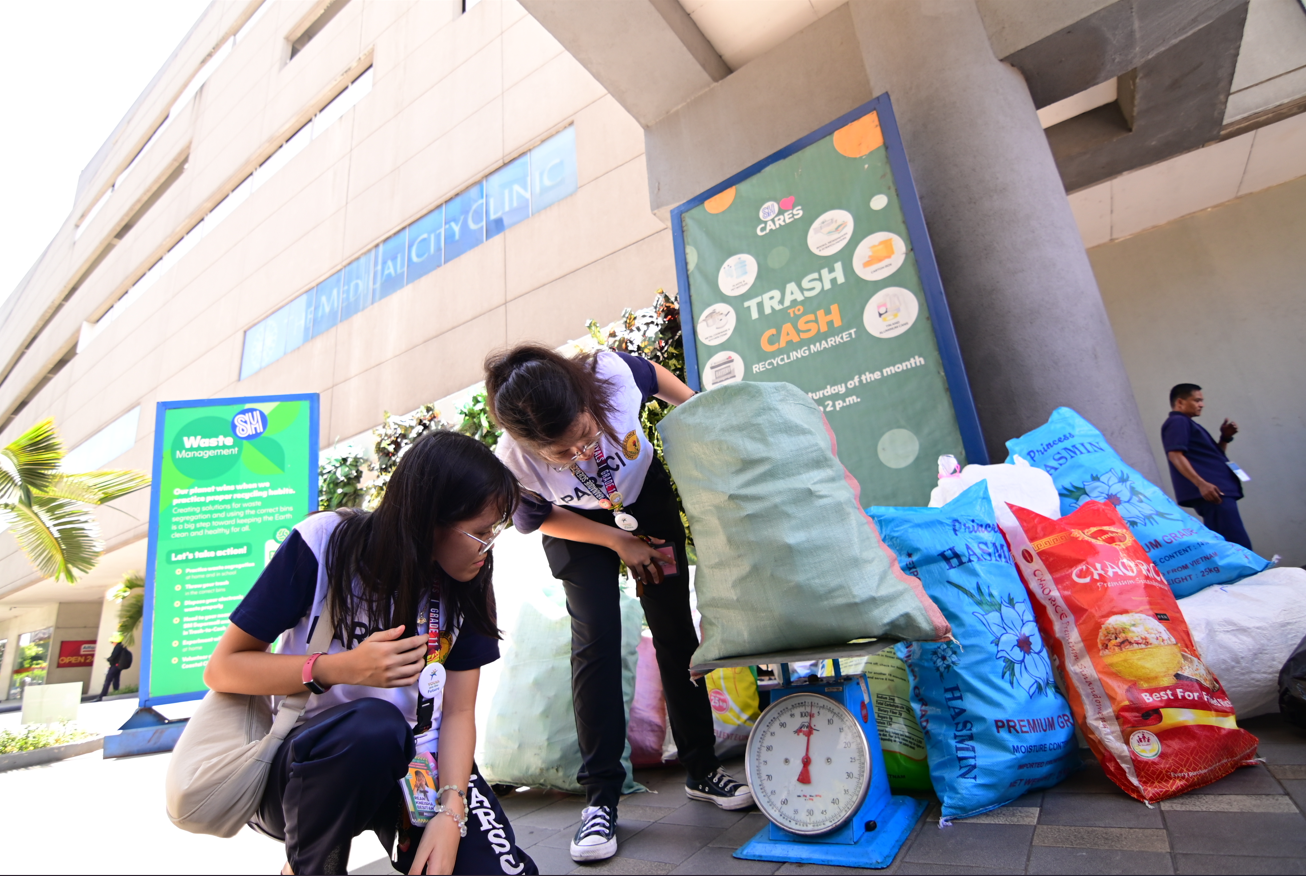
SM’s environmental programs, such as the monthly Trash to Cash recycling market, continue to support communities towards sustainable living.
For recyclable waste, SM has initiatives like the “Trash to Cash” recycling market, which successfully gathers over 1 million kilograms annually of plastic, paper, and other materials for reuse or recycling. The program aims to reduce solid waste pollution and promote a circular economy within communities. SM understands the importance of segregating at the source, and the company does this through partnerships with various companies, such as Trust International Paper Corporation for internal bulk paper recycling. The program has avoided landfill waste equivalent to the annual waste of more than 3,000 households while ensuring recyclables are properly processed.
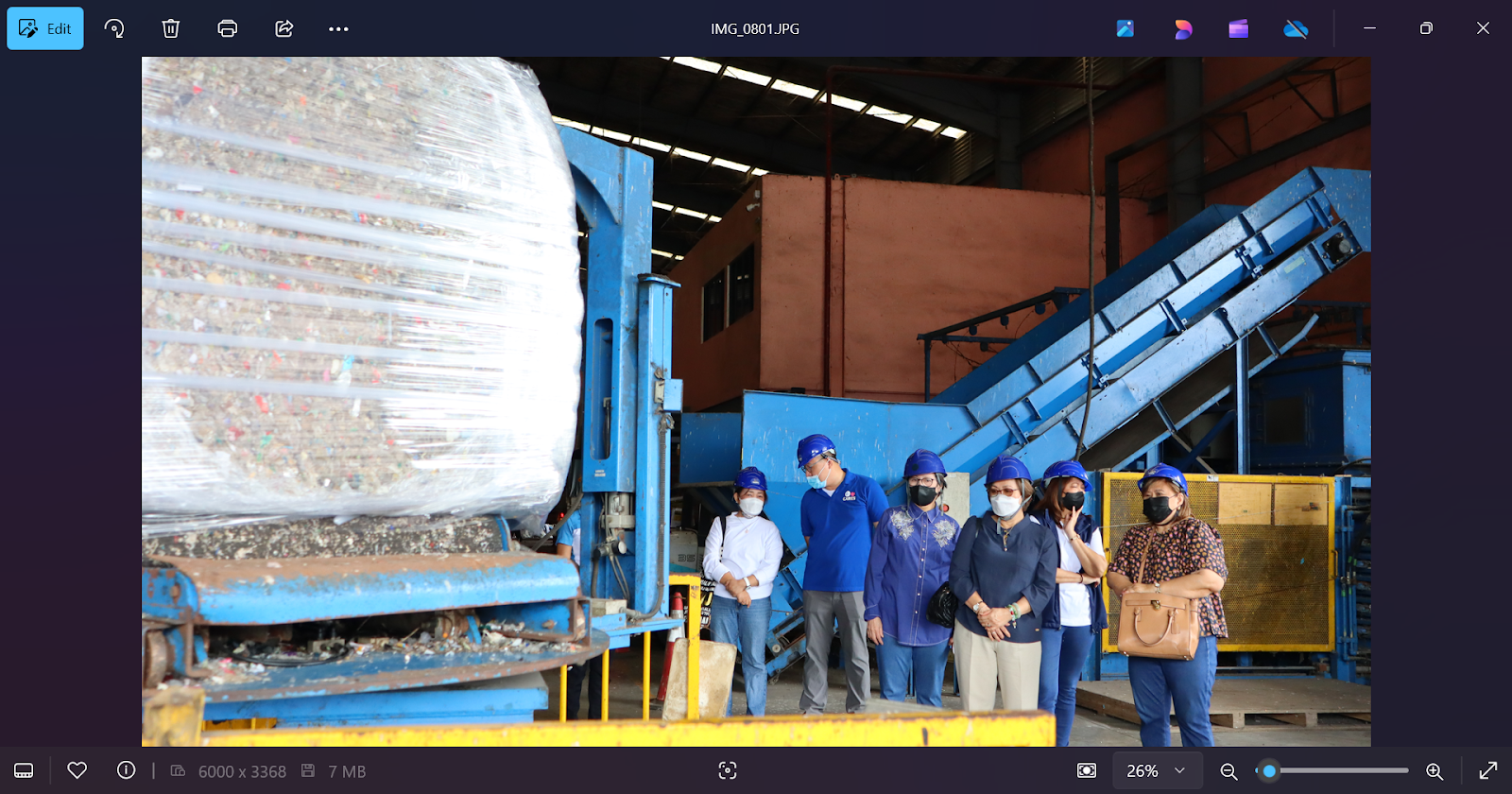
For disposable, non-recyclable waste, SM Prime formed a joint venture with the Japanese environmental solutions company GUUN to establish SM GUUN Environmental Company, Inc. (SGECI). This partnership enhances its waste-to-fuel factory to convert non-recyclable waste, like single-use plastics, non-recyclable paper, and used rags, into cement fuel called “fluff fuel” to reduce coal usage. The “fluff fuel” produced is then used by eco-conscious cement companies like APO Cement, Holcim, and Taiheiyo Cement in a practice they call “co-processing,” where the ash from the fuel is also used as a cement ingredient, making it an integral part of the waste reduction ecosystem.
In 2024, SM GUUN Environmental Company converted over 6,000 metric tons of non-recyclable waste into “fluff fuel,” avoiding the annual landfill burden for 12,000 households. The Department of Environment and Natural Resources (DENR) recently visited the facility and recognized its significance to various stakeholders, particularly in the reduction of their carbon footprints and the efficient management of solid waste.
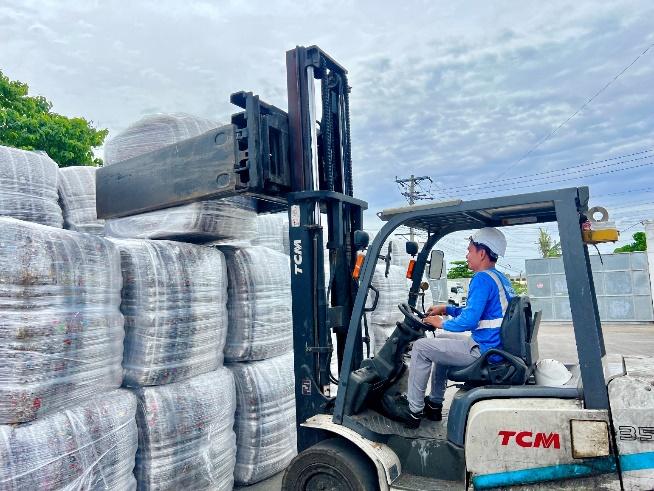
In 2024, SM GUUN enabled the conversion of 6,000 metric tons of non-recyclable waste into fuel for cement companies.
SM GUUN is piloting a Singaporean system in its malls, transforming compostable food waste into nutrient-rich soil within 48 hours, reducing landfill waste and enriching urban green spaces.
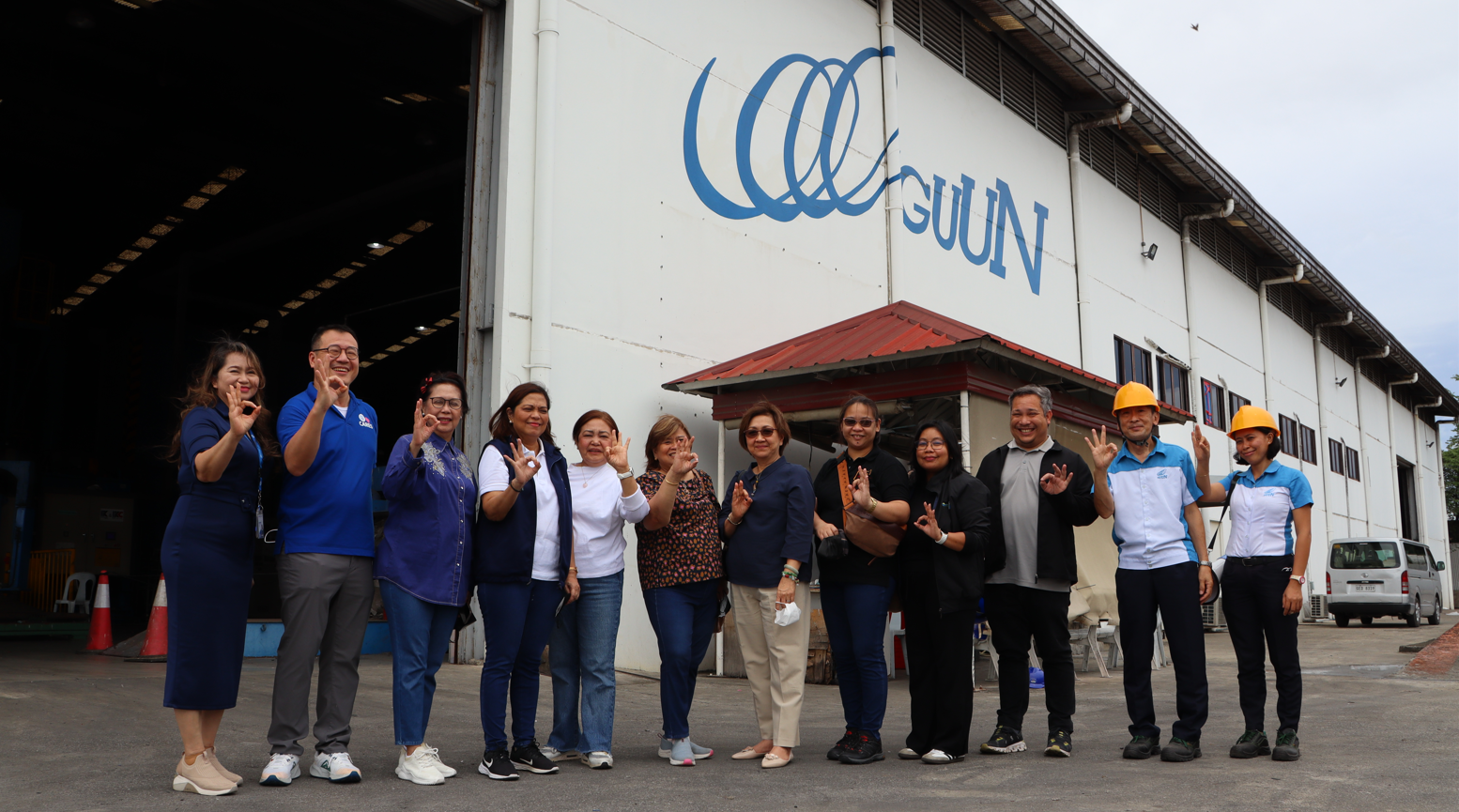
Department of Environment and Natural Resources (DENR) representatives, led by Assistant Secretary and concurrent Bureau Director Jaqueline Caancan were joined by the National Solid Waste Management Commission Head Engr. Vizminda Osorio and DENR Environmental Management Bureau (EMB) Central Visayas Regional Director Ma. Victoria Abrera in a recent visit to SM GUUN Environmental Company in Consolacion, Cebu.
For compostable waste, SM GUUN is experimenting with a Singaporean system for its malls and hawker centers that transforms compostable food residues into landscape soil, achieving over 70% volume reduction within 48 hours. This helps create new soil for gardens, parks, and golf courses, thereby reducing the burden on landfills and contributing to soil health and urban greenery.
SM has other customer-facing programs on solid waste management, like the Plastic Waste Collection program, E-Waste Collection, as well as awareness campaigns for clean water bodies and regular estero and coastal cleanup activities. These programs are also done to support the government in promoting responsible solid waste management through RA 9004, RA 11898, and similar laws.
With solutions identified, the journey towards SM’s #SMWasteFreeFuture becomes more realistic. It needs the help of everyone–from the proper way we “Bin it Right” to the further development of waste solutions to create an ecosystem of recovery and consumption where the word “waste” can be a thing of the past. Let’s do our part for the journey to a “waste-free future.”
To learn more about SM’s solid waste management initiatives, visit https://www.smsupermalls.com/smcares/events/environmental-programs-on-solid-waste-management.
Started in 1927, the Philippines Graphic is the longest-running printed magazine of national circulation that provides relevant news and features and promotes Philippine literature.