
Compiled by Graphic Editorial
THE EARLY YEARS
AGUSTIN FABIAN
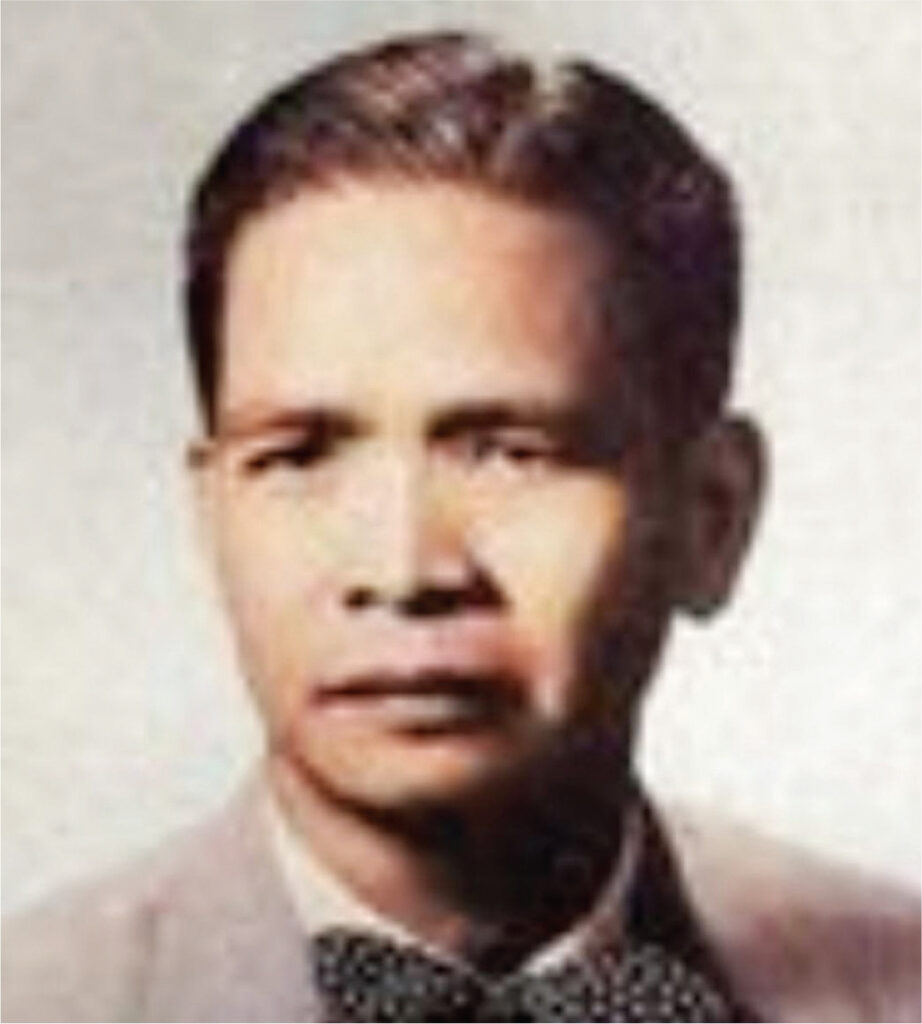
Agustin Caralde Fabian (Aug. 15, 1901-Apr. 24, 1976) served as editor of the Graphic when the magazine made its debut as a magazine in 1927.
He was one of the first Filipino writers widely recognized as a pillar of journalism and literature for his significant contributions to English and Tagalog publications.
Fabian worked as literary editor of the Graphic from 1929 up to 1940, when the magazine, along with almost all independent, English-language publications, was shut down at the start of the Japanese occupation.
During the Second World War, he served as a colonel of the guerillas in the Bulacan area. After
the war he became the general manager of Liwayway Publications, Inc. until he retired in 1960.
In 1953, Fabian wrote his most acclaimed novel, Timawa, the story of a poor Filipino medical student who migrates to the United States and overcomes societal prejudice. His other novels include: Sino Ako? (Who Am I), Basta Mayaman (Wealth is Enough), Hindi Man Hanapin (No Need to Search), Magbayad Ka! (Pay Up), Maria Mercedes (1953), and Ana Malaya (1964).
VICENTE ALBANO PACIS
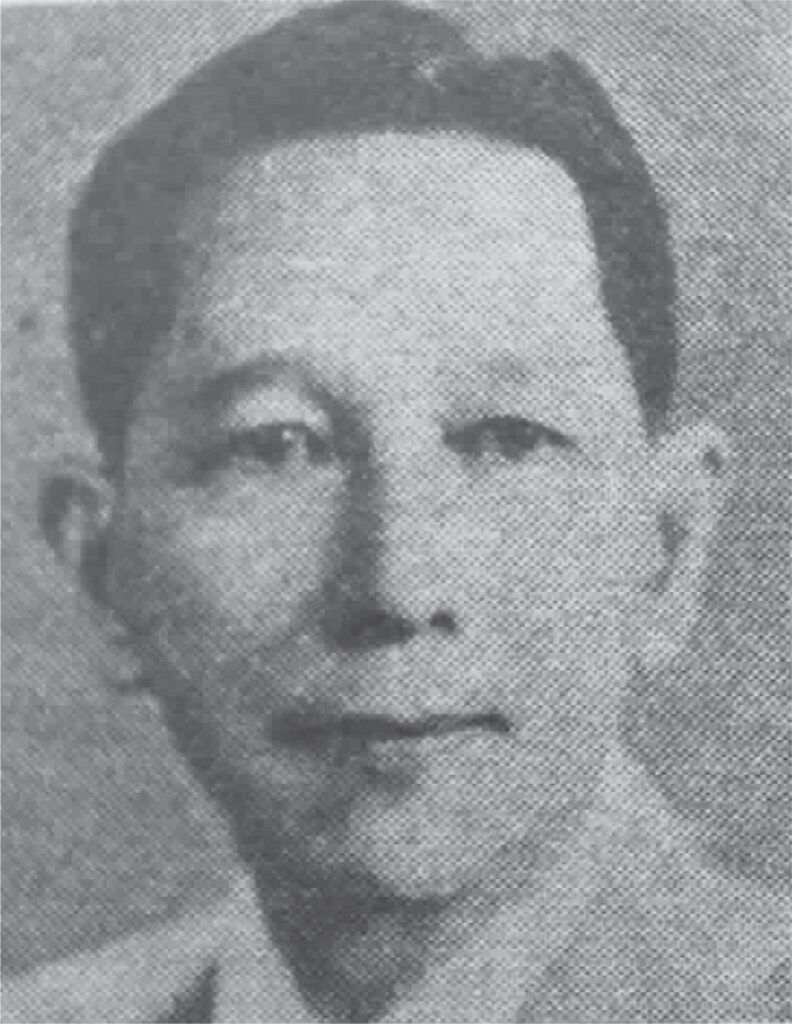
Vicente Albano Pacis was the first Editor-in-Chief of the Graphic when the magazine was founded and launched by media mogul Don Ramon Roces in 1927.
Pacis guided the Graphic in establishing a reputation for rigorous public interest reportage.
His well-researched editorials and follow-up reports stressed on the importance of political accountability among elected and appointed officials in government.
Uncovering the infrastructure disaster of the Laoag-Vintar Dam in Ilocos Norte became one of his most notable exposes, which came out in the Graphic on July 30, 1927 (“The Laoag-Vintar Dam Scandal”) and on Aug. 6, 1927 (“The Laoag-Vintar Dam Tragedy”).
In partnership with Roces, he spearheaded the Graphic’s distinct layout, which became famous for its expansive pictorial pages. This visual appeal, combined with deep news coverage, set a new aesthetic and professional standard for local English-language weeklies.
BARNEY SARECKY
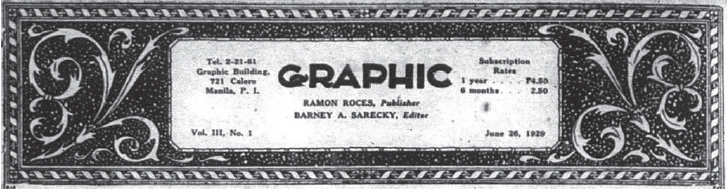
Barney A. Sarecky was an American editor, writer, and Hollywood film producer. He briefly held the position of advertising director and co-editor for Ramon Roces’s Graphic during the pre-war years.
Media historians like Dr. John A. Lent have chronicled the pre-war press. They note that Filipino
media moguls such as Ramon Roces deliberately integrated American advertising managers and technical advisors to master Western mass-circulation techniques when crafting their business models.
Roces reportedly recruited Sarecky to inject Hollywood-style visual appeal and Western advertising strategy into the Graphic.
By seamlessly blending advertisements with the publication’s signature large pictorial spreads, Barney Sarecky secured the Graphic’s financial viability.
ALFREDO ELFREN ‘AE’ LITIATCO
Alfredo Elfren Litiatco (A.E. Litiatco) was a Filipino essayist, critic, and poet who served as the Literary Editor of the Graphic from 1927 until the outbreak of the Second World War. Litiatco curated stories that found its home in the inside pages of the magazine. Born in July 1908, he became one of the country’s leading figures in the development of personal essay.
National Artist for Literature Jose Garcia Villa had a close and open friendship with Litiatco.
According to a 1940 Graphic editorial, Villa criticized Litiatco more than once but recognized the immense talent of the latter, ranking Litiatco as one of the best short story writers in the country.
Literary critics of his time refer to the Graphic Literary Editor as the “Ariel of Philippine letters,” being a master of the light verse, characterized by an ethereal and gentle tone. Litiatco’s vast body of work include the poetry collection, With Harp and Sling (1943) and the short story, “It Isn’t Just Horses.” De La Salle University established the Alfredo E. Litiatco Professional Chair in Literature in his honor, and hosts the Alfredo E. Litiatco Lectures that further promote the scholarly study of our country’s literature.
JOSE GARCIA VILLA
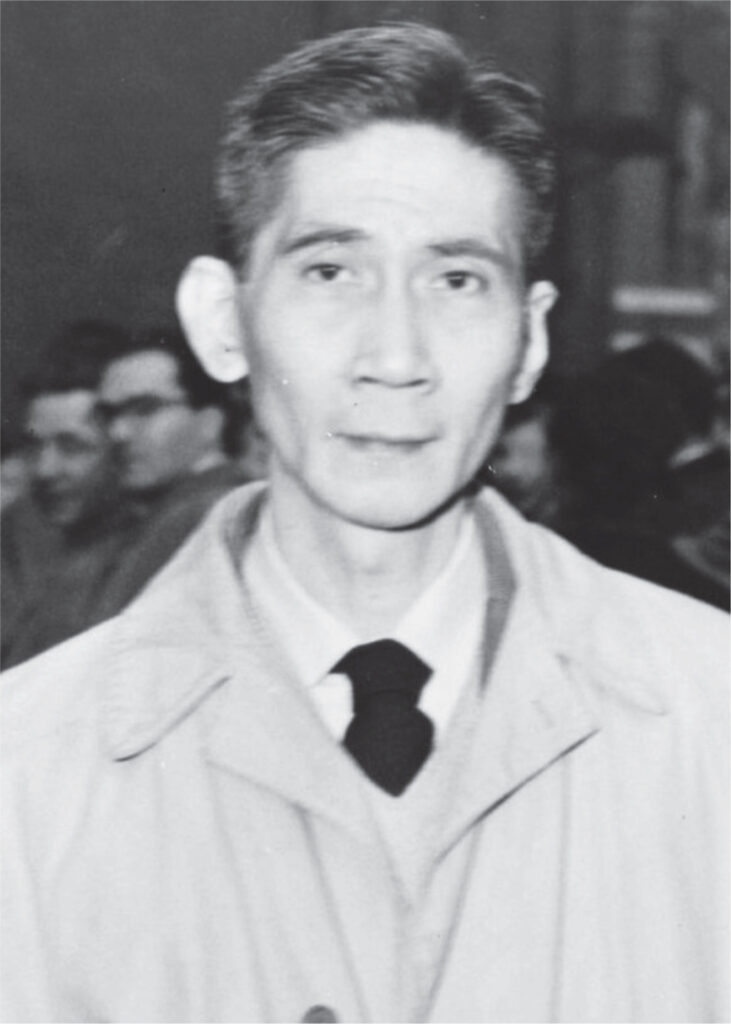
National Artist for Literature Jose Garcia Villa was a regular contributor and external literary critic of the Graphic during the late 1920s and the early 1930s.
Widely recognized as one of the most influential avant-garde Asian writers of the 20th century, Villa was also the country’s most feared and revered independent literary arbiter between 1927 and 1940.
His Annual Roll of Honor for the Best Filipino Short Stories served as a year-end critique of all the short stories that were published in the nation’s top newspapers and magazines such as the Graphic, The Tribune, The Philippines Herald, the Literary Apprentice, The National Review, and The Leader.
Every December, Villa would strike a deal with a single major publication to exclusively host the release of the Roll of Honor. Villa would gather short stories printed over the course of the year
from all competing publications, grade them using his strict three-star system, and publish the final “Roll of Honor” (for three-star stories) alongside a “Yearbook Index” (for one- and two-star stories).
Earning “three stars” from Villa was the highest honor a pre-war Filipino writer could achieve.
Magazine editors actively convinced their writers to produce short fiction that will be entered in Villa’s Annual Roll of Honor.
FEDERICO MANGAHAS
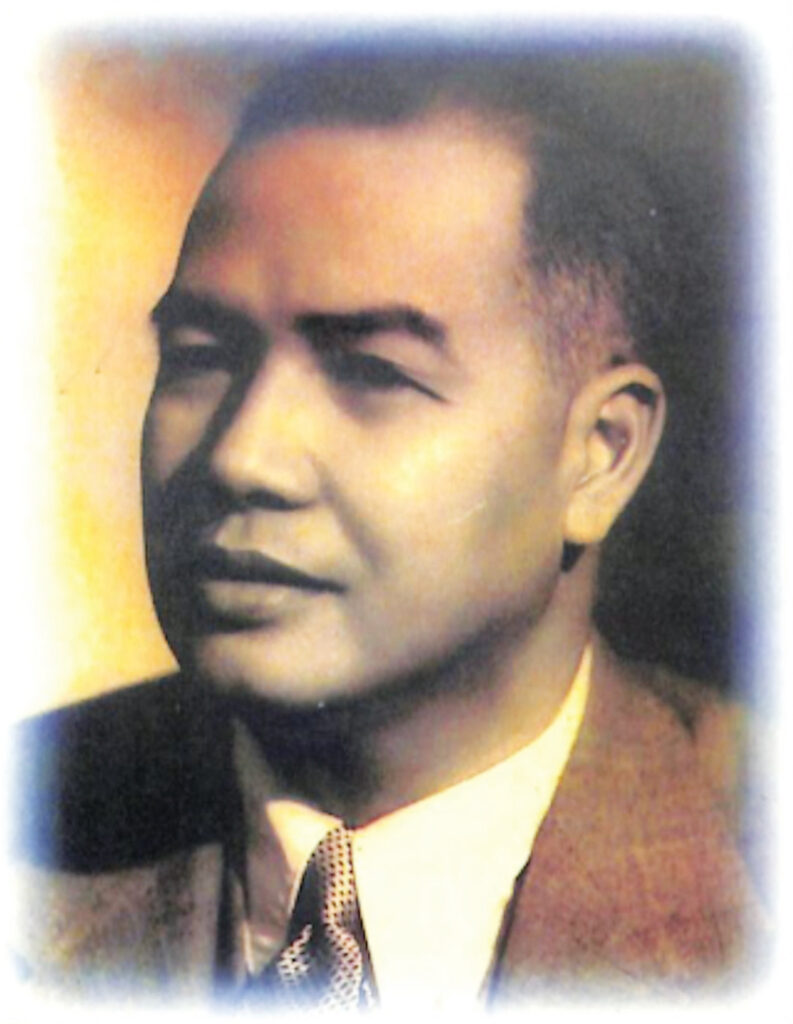
Federico Mangahas was a Filipino journalist, satirist, and essayist.
He contributed critical essays and reviews to the Graphic during the pre-war and post-war periods, from the late 1920s to the 1940s and during the 1960s.
One of the most engaging cultural debates published in the Graphic involved Mangahas, with his famous critique, “Usable Past.” He wrote it in response to the romanticized Spanish colonial views popularized by a young Nick Joaquin.
Born in 1904, during the American period, Mangahas earned the sobriquet “Literary Czar” during the Commonwealth era in the Philippines, known for his signature wit and sharp social commentary, which he displayed in all its colors when he contributed to the Graphic.
His political essays and social criticism inspired many for the skill displayed and the courage it took to make them. But it did not come without some cost to Mangahas.
As political aide to President Elpidio Quirino, he wrote a headline regarding an American official and a supposed corruption, which did not sit well with the Americans. Mangahas was soon dismissed from his position.
Perhaps Mangahas’ greatest impact on the Graphic stemmed from his presidency of the Philippine Writers League (1939–1941). In this capacity, he urged the publication’s regular contributors, including Estrella Alfon, to abandon “art for art’s sake” in favor of narratives focused on social relevance and labor issues.
Federico Mangahas is the father of Mahar Mangahas, a highly respected economist, best known as the co-founder and longtime president of the prominent polling organization, the Social Weather Stations (SWS)
AMANDO G. DAYRIT
Amando G. Dayrit was a journalist, creative writer, and satirist. He was a contributor of the Graphic during the 1930s. Dayrit became widely known for his satirical “Good Morning Judge” column for The Tribune, and contributed short stories to the Graphic.