What is long and dear to the soul of Graphic for the past 99 years is the literary arts. In its first year as a magazine in 1927, the Graphic featured short stories in its pages. Since then, it has continued to promote the literary works of Filipino fictionists.
So great is this adoration for literature that, upon Graphic’s revival in 1990 by Ambassador Antonio Cabangon Chua, he asked the preeminent Filipino writer and National Artist for Literature Nick Joaquin to become its editor-in-chief.
Many great writers have graced the pages of Graphic, with some getting their start as a contributor and eventually becoming known in the literary world.
The publication did not stop at hosting stories to promote literature.
Over the years, it actively sought to educate the youth with stories—and eventually, teach them to write their own.
LEARNING IN TIME OF PANDEMIC
The COVID-19 pandemic held the world hostage for a couple years since it first struck Wuhan, China in late 2019. The world hasn’t been the same ever since.
The way everyone lived their lives had to adjust to the “new normal” of the times.
The pandemic weakened the education sector in the Philippines.
Teachers and students moved to online classes just to get by, as there was no other way then to provide students’ learning.
The Graphic, having already conquered wars and Martial law in its long life, is not one to back down in the face of a worldwide catastrophe.
At the end of November 2020, the Graphic gathered great writers and educators for a webinar on “the state of Philippine literature in the time of pandemic.” Late National Artist for Literature F. Sionil Jose stood as the webinar’s keynote speaker, with Dr. Jose “Butch” Dalisay (multi-awarded poet-fictionist), and Lito Zulueta (veteran journalist and literary critic) as reactors, moderated by Tito Genova Valiente (public anthropologist and film educator) and hosted by Lourdes Molina-Fernandez (BusinessMirror editor-in-chief).
Though the limitation of the medium might not have allowed a hundred percent effectivity in teaching the viewers, the webinar was nonetheless watched by thousands of students eager to learn from the country’s leading writers.
On April 2022, the Graphic hosted another webinar: a two-hour masterclass in writing by Dr. Butch Dalisay and veteran writer Charlson Ong, and hosted by Marra PL. Lanot (literary editor, Philippines Graphic Reader) and poet-journalist Kris Lacaba.
Dr. Edna Faura-Agustin, the School Division Superintendent of Binan City, also participated in the webinar.
In hindsight, these webinars became crucial seeds for Graphic’s future education-related projects to prosper.
NJLA-LGU COLLABORATION
The magazine has featured many stories throughout its long history, but it has never been a solely dedicated literary magazine as with the Philippines Graphic Reader—the Graphic’s companion magazine that began in February 2022, with multi-awarded poet and essayist Marra PL. Lanot as its editor.
The Reader enjoyed tens of thousands of readership with every release. Each issue contained four stories and four poems, accompanied by illustrations. It also has a dedicated Student’s Corner to help young readers with their vocabulary.
In the four years since then, the Philippines Graphic Reader is a golden goose that laid many good eggs for the publication—one of which was the NJLA-LGU collaboration.
Officially called as the “Nick Joaquin Literary Awards (NJLA)-Local Government Unit (LGU) Advocacy for English Proficiency through Literature project,” the 2024 initiative sought to bring the Graphic Reader closer to the younger demographic through the local government units.
On April 19, 2024, the city of Sto. Tomas, Batangas, became the first LGU to join the project under the leadership of Mayor Arth Jhun A. Marasigan, who said that “introducing to Grades 9 and 10 students the short stories and poems written in English by Filipino writers and poets can be a highly enriching experience.”
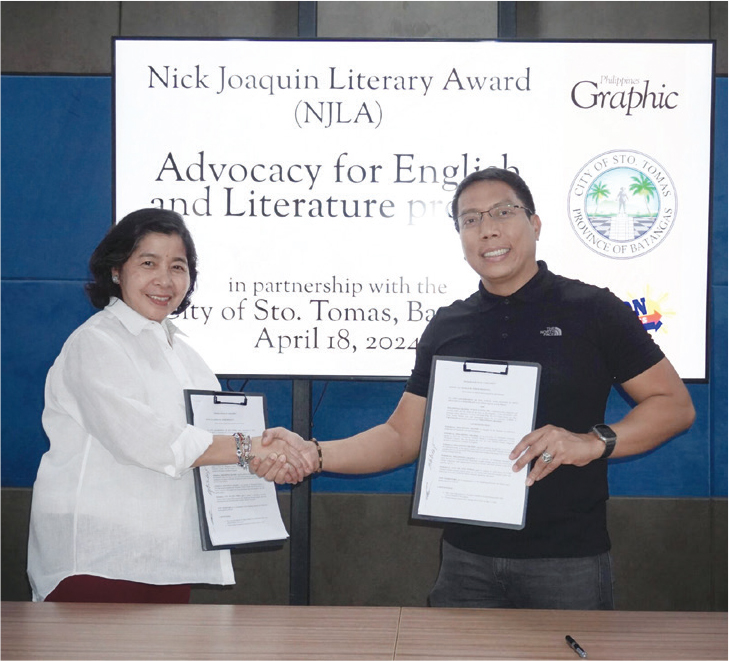
Upon the launch of the project, Graphic Reader landed on the hands of 6,292 students in Grade 9 and 10 in the city.
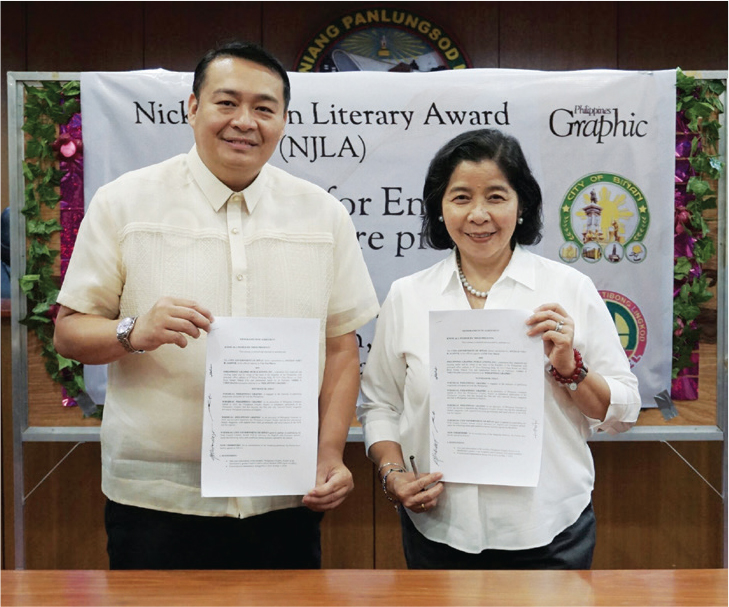
The city of Biñan soon followed through a Memorandum of Agreement signing between then-Vice Mayor Angelo “Gel” Alonte and Graphic’s EVP-GM Loida S. Virtudazo. More than 18,000 junior high students in the city’s public schools benefitted from the project.
LIKE A REAL CLASS (PGLW)
With the webinar and the NJLA-LGU initiative experiences under its belt, the Graphic was well-equipped in going beyond what the two projects had accomplished. As the magazine inched closer and closer to its hundredth year, there is no other “better time” to go about teaching literature to the youth.
The Graphic was ready for a workshop.
In February 2026, it launched the Philippines Graphic Literary Workshop or PGLW—the first-ever onsite writing workshop in the magazine’s history.
The PGLW was different in many ways.
The webinars made learning available to everyone but the online medium presented limitations in delivering education, as is present in all forms of online classes during the pandemic.
The NJLA-LGU project extended the reach of the literary magazine but turned the mode of learning more passive.
The PGLW greatly limits the reach to thirty-fellows but gains an incomparable advantage in its interactiveness and direct approach with the lecturer. Despite such constraint in size, the PGLW still opened its doors to all college students in the entire Philippines.
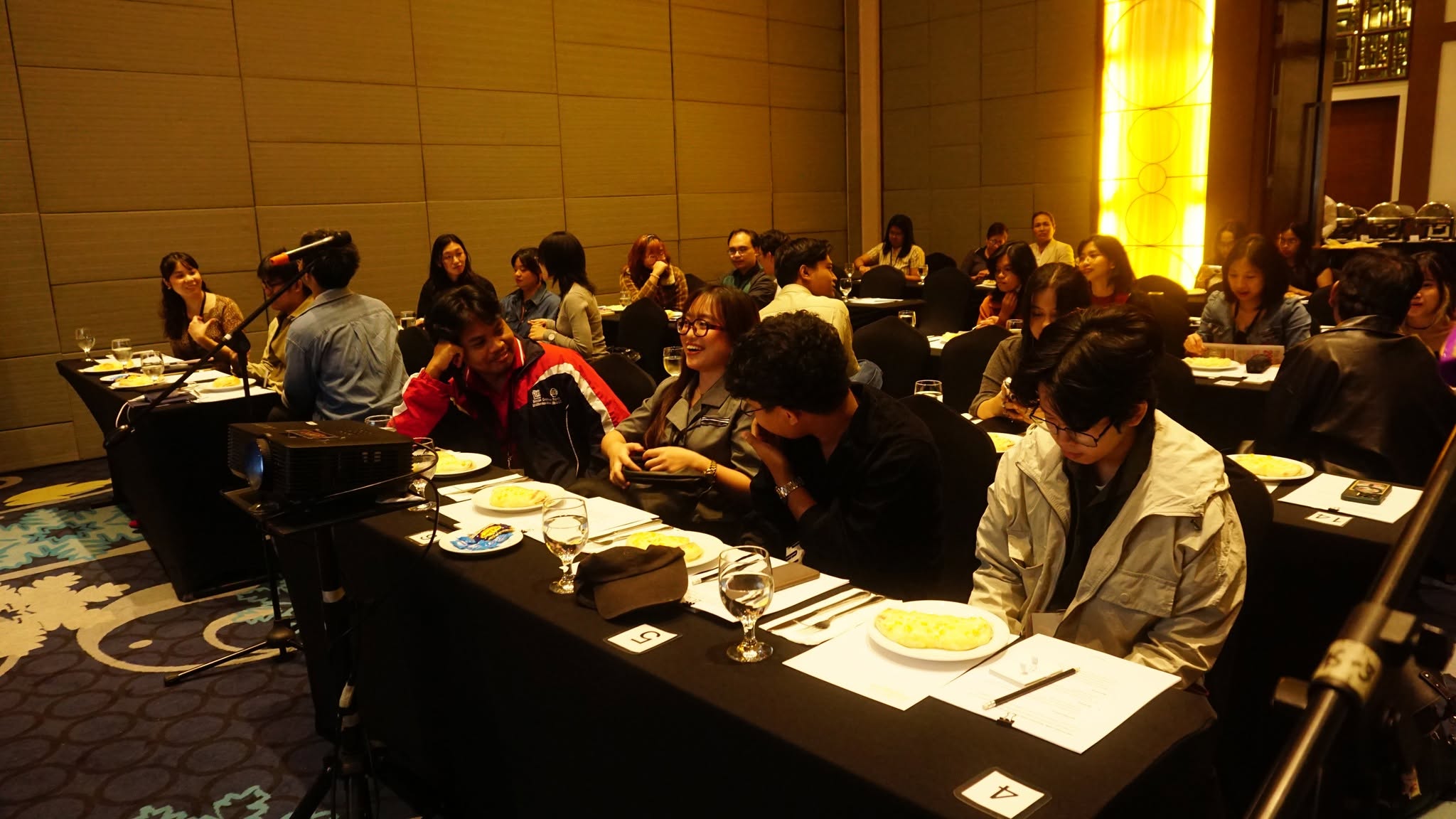
There have been three “episodes” of PGLW since the first season launched in February and ended in April, with each episode spanning two days of hands-on lecture at the Luxent Hotel in Quezon City.
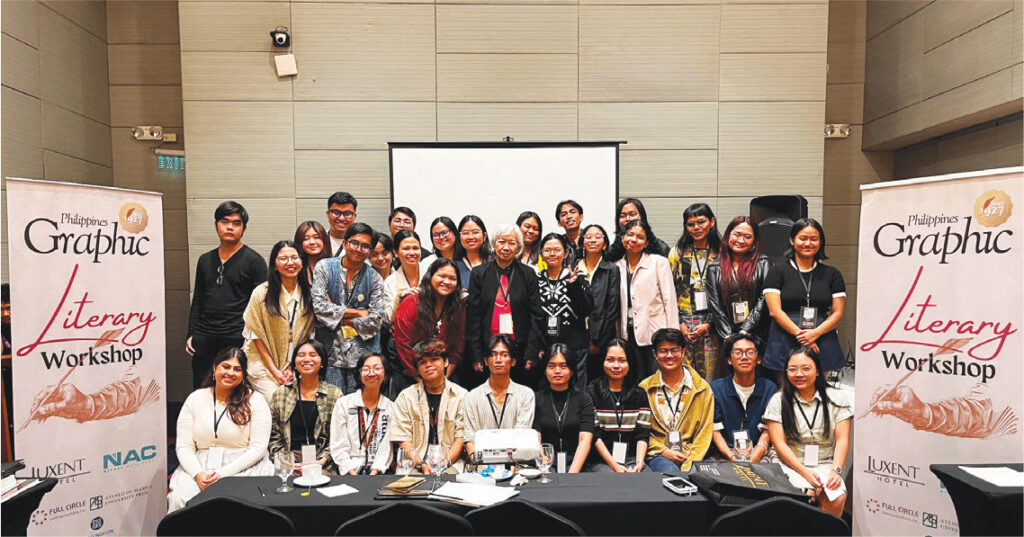
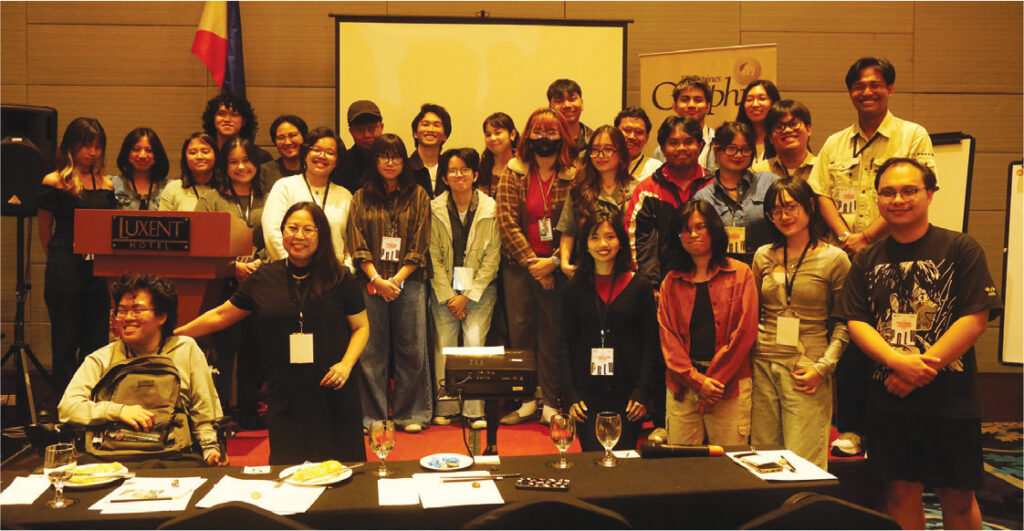
2026 fellows.
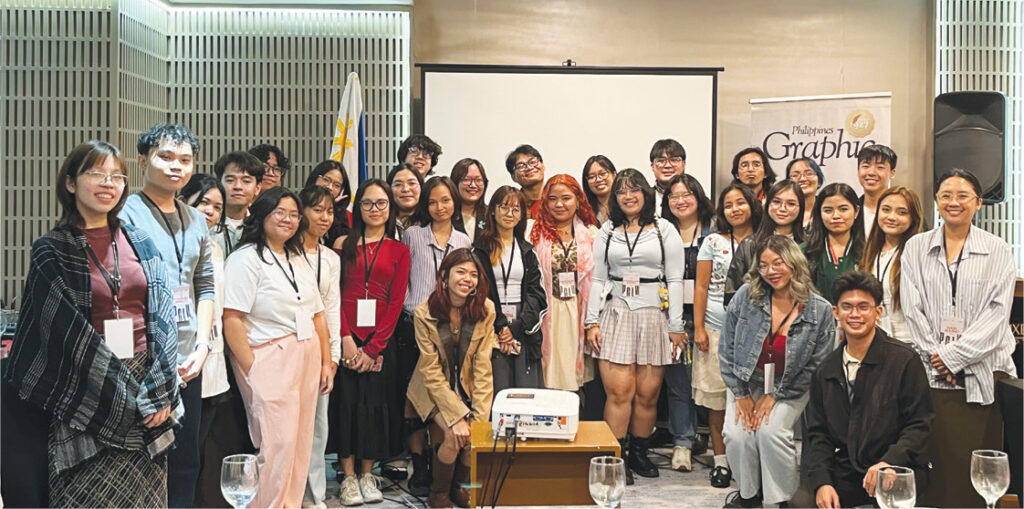
Multi-awarded writers (who are also experienced educators) served as the workshop lecturers. Susan S. Lara (fictionist) taught flash fiction from February 27-28; Nerisa del Carmen Guevara (poet/performance artist) led the poetry episode on March 20-21; and Kaisa Aquino (fictionist) taught the fellows how to write a short story from April 17-18.
The monthly iteration of the workshop had served 87 college students/fellows during its first season run.
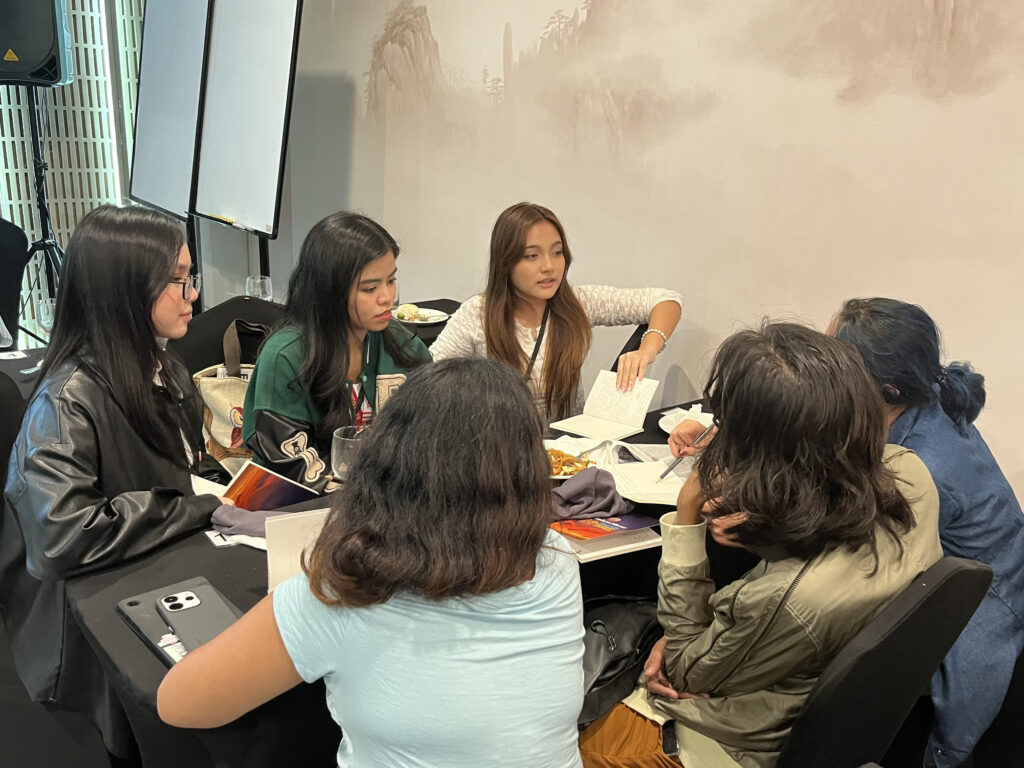
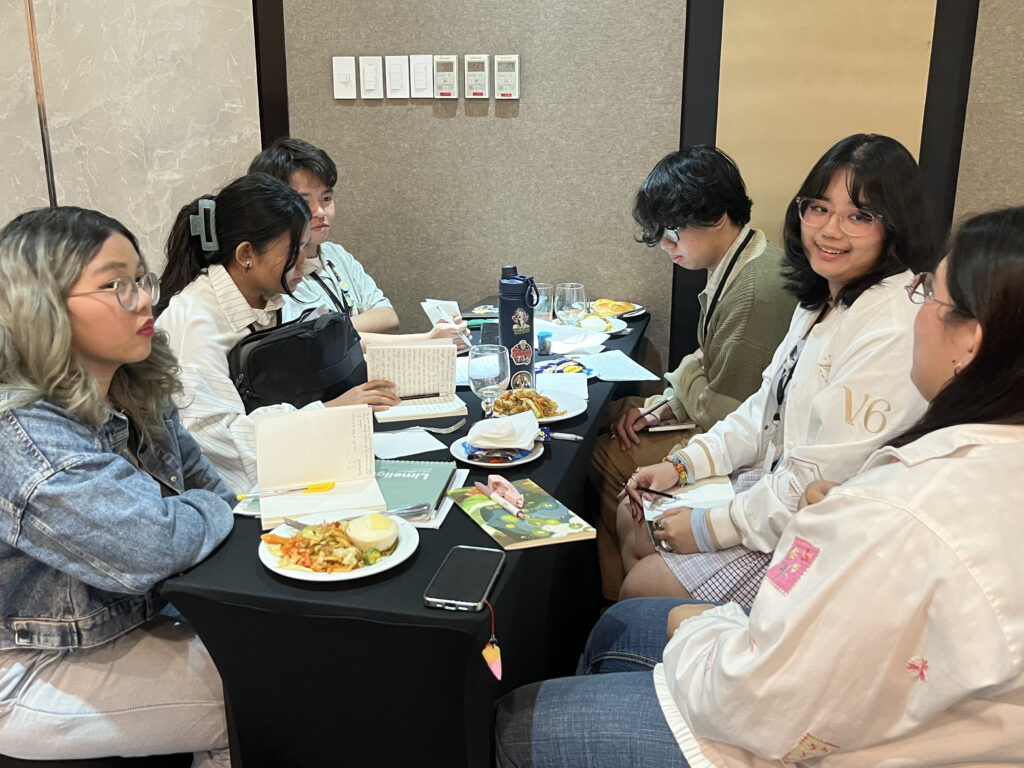
Fellows of PGLW’s April episode
In an interview with the Graphic, April 2026 PGLW fellow Veancy Palad said that the workshop was unique. An Economics student at the University of Santo Tomas and the editor-in-chief of The Flame (official publication of the Faculty of Arts and Letters), Palad had fun in the workshop, stating that she, alongside her other fellows, felt that the PGLW was “not as cutthroat compared to others” while still being highly instructive.
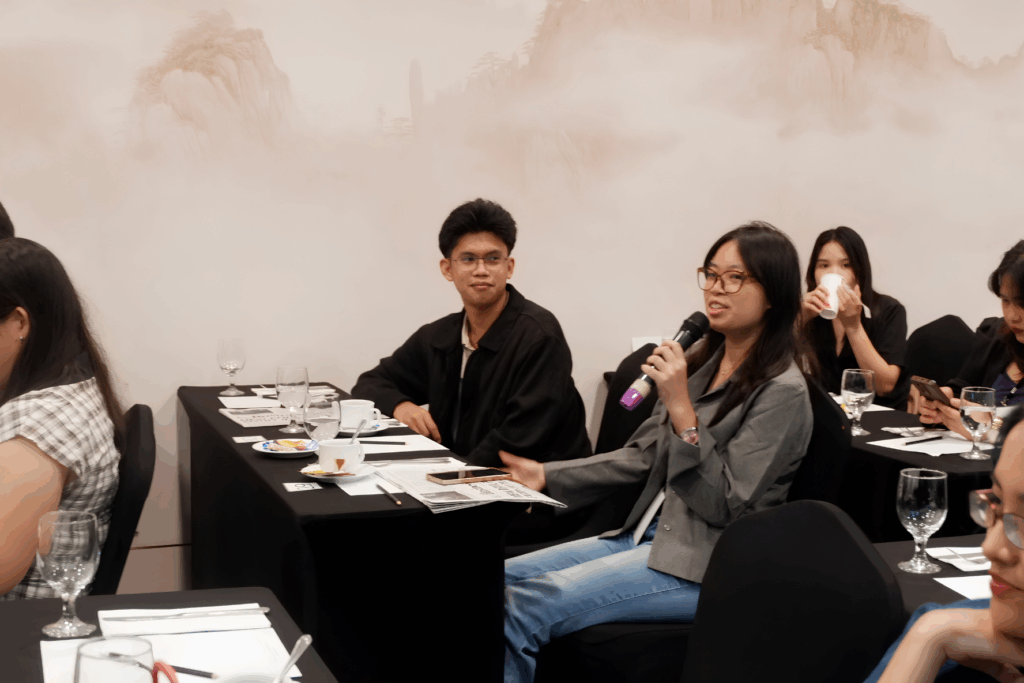
“It leaves space for the participants to not be stuck in their comfort zone,” she said.
Palad also loved the “forced interaction,” a warm-up exercise at the very start of the workshop, wherein the fellows had to introduce other fellows and not themselves, an idea of lecturer Susan Lara, which continued to other episodes. It loosened up any awkwardness and made the fellows be more at ease even before the workshop began.
Another thing she loved about the workshop is how the PGLW presented a platform for all the fellows to have their works featured online and serve as an exposure to their skills.
Though Palad—as with many other fellows—came from universities only a city or two away from the venue, some of the other fellows came from far-away places. One fellow came from Benguet, another came from Visayas. In fact, one fellow came from as far as the University of the Philippines Mindanao.
Thousands of miles did these students travel for the two-day chance to learn directly from veterans. All of these aspiring writers went to Quezon City just for the Graphic’s writing workshop. —Von Zyron Alimorong
This article appeared in the June 2026 Special Issue of the Philippines Graphic.
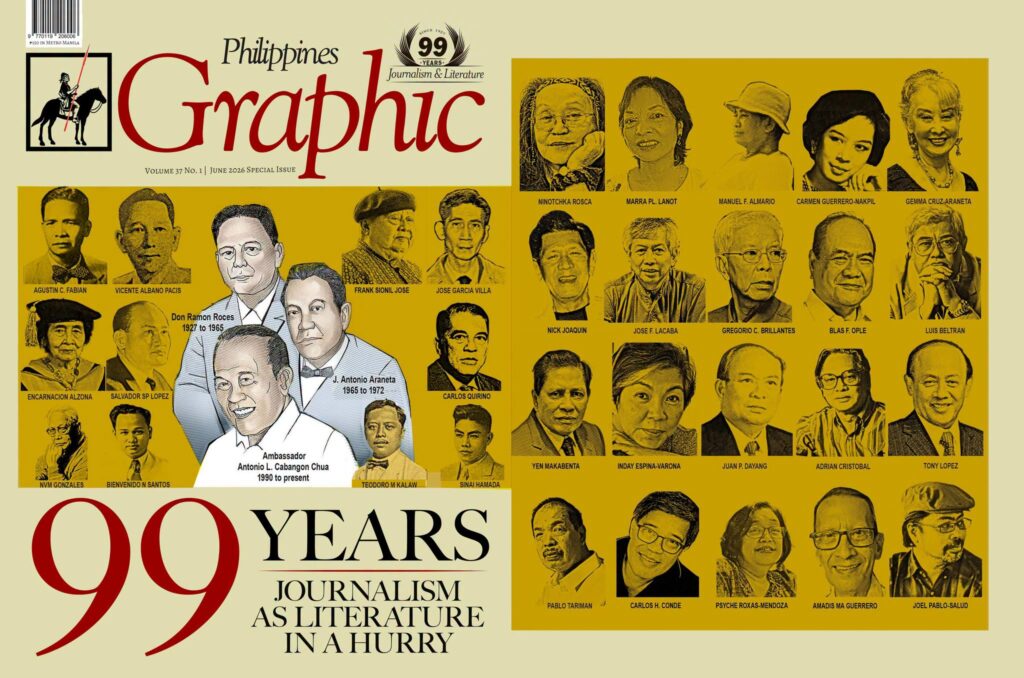

Started in 1927, the Philippines Graphic is the longest-running printed magazine of national circulation that provides relevant news and features and promotes Philippine literature.