

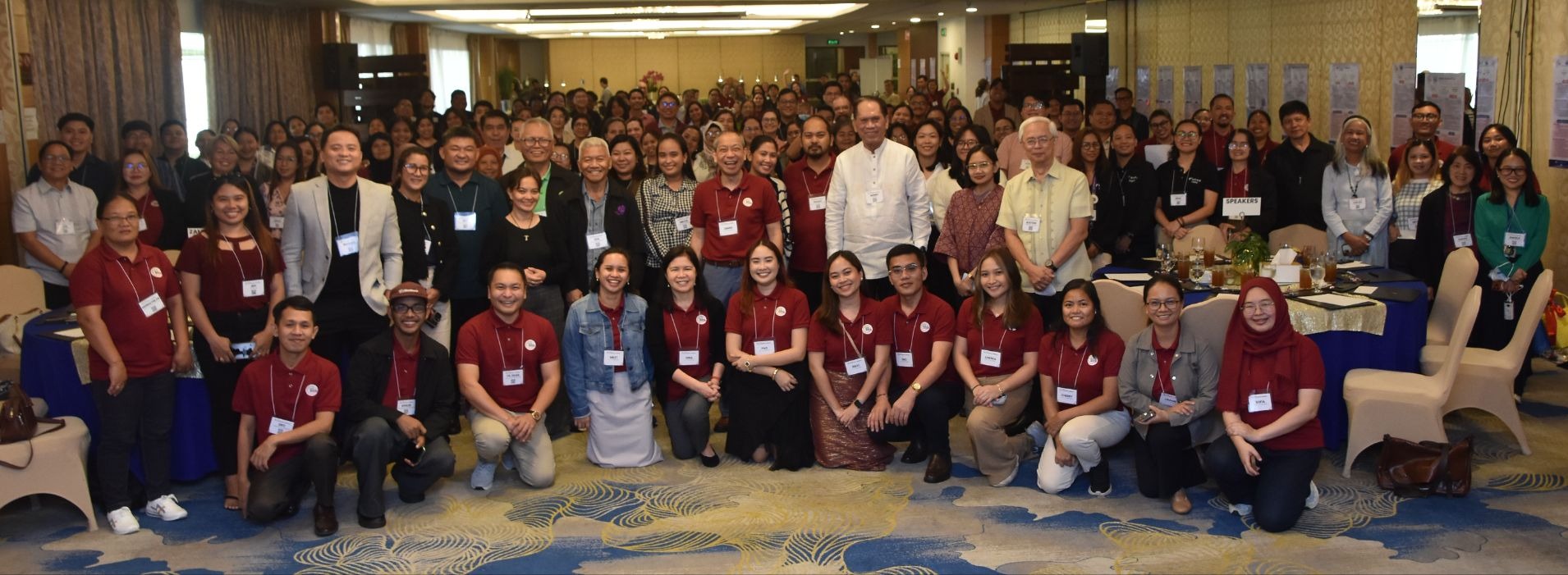
VIA GRAPHIC PLUS | PASIG CITY — The Philippines’ transition to upper-middle-income country status marks an important economic milestone, but sustaining progress against poverty will require stronger public institutions, more effective social programs, and continued collaboration across sectors, speakers emphasized at the Zero Poverty PH 2030 (ZeP2030) 10th General Assembly on October 16, 2026.
ZeP2030 is a civil society-led coalition that harnesses collective action to address the interconnected dimensions of poverty, with the goal of improving the incomes and access to essential social services of 100,000 Filipino families by 2030.
Reducing vulnerability of the middle class
The Philippines entered the upper-middle-income category effective July 1, 2026, following an increase in its gross national income (GNI) per capita. However, Sharon Faye Piza, Economist for Poverty and Equity at the World Bank, cautioned that economic progress does not necessarily translate into lasting financial security for all Filipinos, as many families remain vulnerable to shocks that could push them back into poverty.
During the assembly, ZeP2030 Co-Chair and former Agriculture Secretary Senen Bacani underscored that the expectations of what constitutes a decent life also increases as national income rises. “Becoming an upper-middle-income country is not the finish line. Crossing the income threshold is not the same as ensuring that every Filipino family is economically secure,” he added.
Findings from a research by the Philippine Institute for Development Studies (PIDS) show the risk that vulnerability can persist across generations, underscoring the importance of strengthening the middle class as part of the broader poverty-reduction agenda.
Piza emphasized the need to expand pathways to better-paying jobs while strengthening social protection for vulnerable households. This includes broadening the reach of the Pantawid Pamilyang Pilipino Program (4Ps) and improving access to social insurance and PhilHealth coverage to help families manage economic shocks and avoid falling back into poverty.
Investing in local interventions that work
Piza also highlighted the importance of building local government capacity, particularly in the context of the Mandanas-Garcia ruling, which expanded the fiscal resources devolved to local government units (LGUs). Ensuring that these resources are allocated and spent effectively on poverty-reduction interventions is essential to achieving meaningful, long-term outcomes for communities.
Austere Panadero, chairperson of the Association of Foundations (AF) and former Department of the Interior and Local Government (DILG) undersecretary, likewise said it would be important to scale up locally-led poverty reduction interventions that have been proven to work.
Systematic monitoring and evaluation are also critical to identifying which interventions work, improving their implementation, and ensuring that public resources translate into tangible results for the people they are intended to serve.
Building a whole-of-society response to poverty
This calls for a broader understanding of poverty that goes beyond income to encompass other dimensions of well-being, including access to health care, education, social protection, and a healthy environment. Over the past decade, the ZeP2030 coalition has engaged over 200 organizations across the public, private, and civil society sectors in uplifting Filipino families out of poverty through locally driven, evidence-based interventions
“The strength of ZeP2030 is our community,” Panadero said, highlighting the importance of collaboration in local solutions to poverty.
As the Philippines builds on its economic gains, ZeP2030 invites more organizations and stakeholders to join this collective effort and help ensure that Filipino families not only rise above the poverty line but also achieve lasting improvements in their quality of life.
Interested organizations may contact ZeP2030 at ZeP2030@afonline.org to explore opportunities for collaboration.

Started in 1927, the Philippines Graphic is the longest-running printed magazine of national circulation that provides relevant news and features and promotes Philippine literature.

 10th General Assembly on October 16, 2026.)