


The Federation of Free Workers (FFW), a centrist labor group, has announced it will file a “Petition-in-Intervention” in a case filed before the Supreme Court that urges Congress to finally enact a law defining and banning political dynasties.
A Petition-in-Intervention, in the context of law, is a request made by a non-party to a lawsuit to be allowed to join an existing case.
In a resolution unanimously adopted by its governing board, the FFW authorized its President, Atty. Sonny G. Matula, to file a Petition-in-Intervention in the case of 1Sambayan vs. The House of Representatives and the Senate of the Philippines.
COMPEL CONGRESS
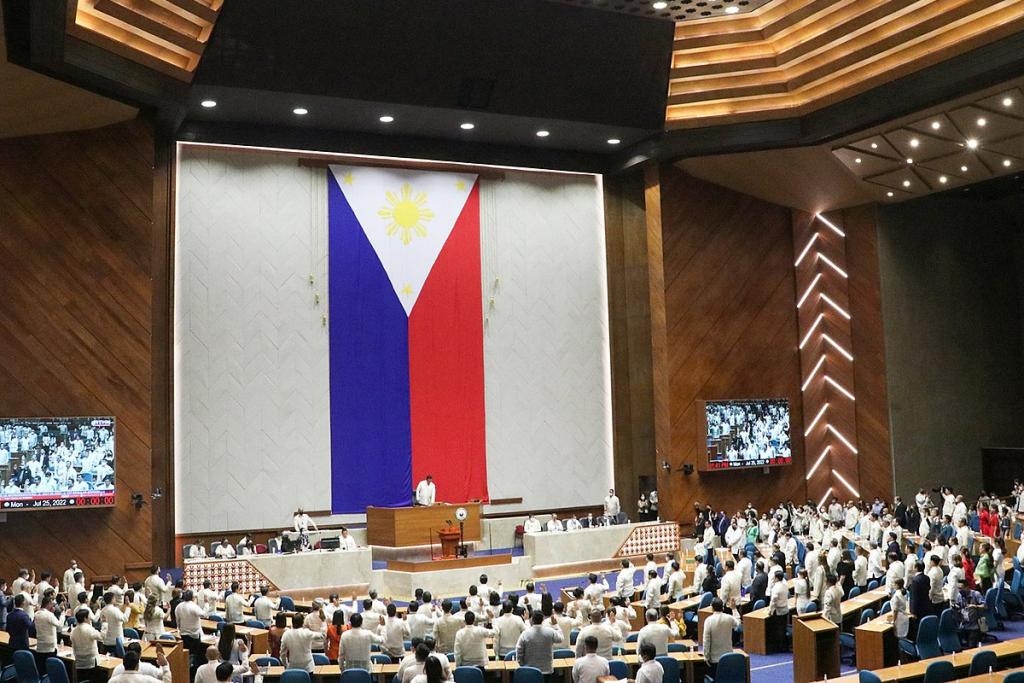
The petition seeks to compel Congress to fulfill its long-overdue constitutional duty under Article II, Section 26 of the 1987 Constitution: to prohibit political dynasties by law.
“Thirty-eight years. That’s how long Congress has been ghosting the Constitution,” said Matula. “The law is clear, but the will to implement it disappears after every election.”
The FFW noted that political dynasties have only tightened their grip, with the 2025 elections solidifying control by entrenched families across the country.
“Political dynasties are like termites—slowly eating away at democracy while pretending everything’s fine,” Matula quipped. “You can’t expect meaningful change when the same surnames just switch seats every three years.”
‘POLITICAL DYNASTIES HIT POOR HARDEST’
The FFW also cited studies from the Ateneo School of Government showing that “dynasty-heavy provinces tend to be poorer, more unequal, and more corrupt—a reality that hits workers and the poor the hardest.”
“You want to fix poverty? Start by breaking the monopoly of power,” Matula added. “How can a poor man win when the playing field is rigged from the start?”
The authorized intervention allows the FFW President to represent the federation in all proceedings, sign necessary legal documents, enter into stipulations, and negotiate any amicable settlement—provided it stays true to the constitutional objective of ending political dynasties.
“This historic step underscores FFW’s unwavering belief: that democracy must work for all—not just for the few,” Matula said.

Started in 1927, the Philippines Graphic is the longest-running printed magazine of national circulation that provides relevant news and features and promotes Philippine literature.