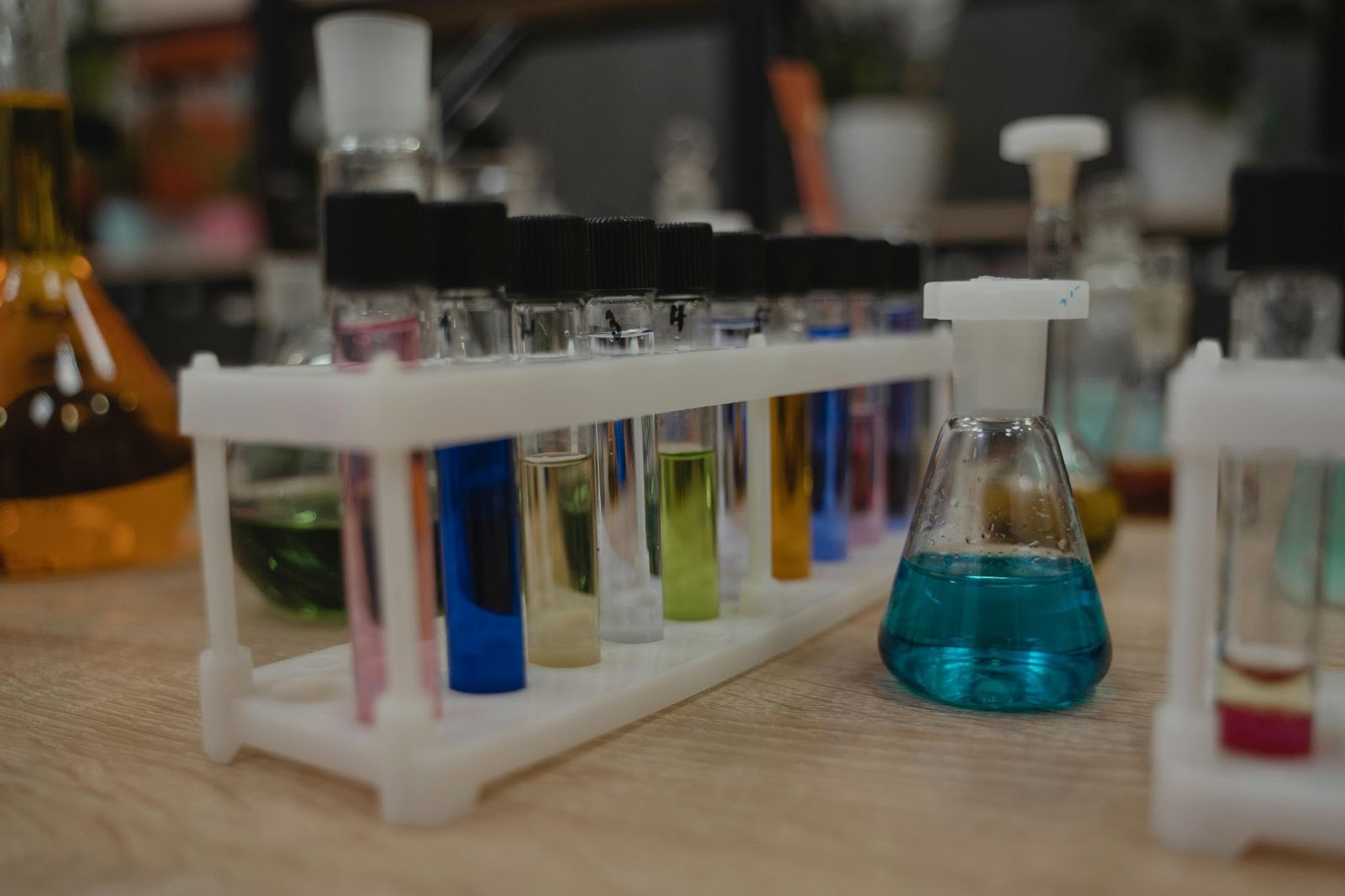
Chemistry has long driven progress in fields ranging from agriculture and healthcare to energy and infrastructure. Its innovations fuel economic growth, improve quality of life, and help countries meet their fundamental societal needs. Yet chemistry’s dual nature—capable of producing both beneficial and harmful substances—means it can be used for both good and nefarious purposes.
International agreements have been developed to regulate and control the harmful use of chemical, biological, radiological and nuclear (CBRN) materials. Starting with the 1925 Geneva Protocol, these treaties aim to prevent the misuse of dangerous substances while allowing economic development. This global effort advanced in the Philippines in April 2025, when President Ferdinand Marcos, Jr. signed Republic Act 12174, or the Chemical Weapons Act of the Philippines.
During the fifth Innovation Impact Stories webinar of the University of the Philippines – Diliman College of Science (UPD-CS) Innovation Program, Dr. Emily Castriciones from the UPD-CS Institute of Chemistry—also an Analytical Chemist Inspector for the Organisation for the Prohibition of Chemical Weapons (OPCW)—discussed chemistry’s role in implementing the Chemical Weapons Convention (CWC), which the Philippines had long ratified but could not fully enforce without a legal framework.
“As chemists, what we really do—if we think about it—is to be with a chemical from cradle to grave. You do the synthesis, you do the testing, whether it’s a raw material or a finished product like a drug, even up to its proper disposal as chemical waste, you are still monitoring its presence in the waste streams and in the environment ” Dr. Castriciones said during her talk. “From the cradle to the grave of a chemical, there is always a chemist involved.”
“Within the plant, there is a lot of work that we do as well. In government agencies, it’s mostly monitoring and regulatory, but let’s not forget our law enforcement—the Philippine Drug Enforcement Agency and PNP. They have forensic labs, and through our project with DOST, we are collaborating with the PNP forensic lab and the Bureau of Fire Protection,” she explained. “And of course, we can’t forget recordkeeping, documentation, and all the other essential work involved.”
Dr. Castriciones became more closely acquainted with the convention through serving as the technical consultant for the CWC during the drafting of the RA 12174 and by acting as a resource person in the technical working group meetings and stakeholder consultations organized by the Senate Committee and the Anti-Terrorism Council, which functioned as Interim Philippine National Authority for the CWC.
“For the successful implementation of any national law, I think it is very important that stakeholders are involved, especially in the review and drafting of the implementing rules and regulations,” she added. “I’m pushing for a truly all-of-society engagement—from the government, the industry, the academe, and private testing laboratories and research institutions.”
She also shared that scientists can help strengthen the knowledge and technical capabilities of government agencies and conduct meaningful research on areas with immediate applications for national security through academic-government cooperative projects.
Innovation Impact Stories is a webinar series that explores how science, technology, and innovation drive real-world impact. This initiative highlights the journeys, challenges, and successes behind research-driven innovations that have made meaningful contributions across various fields. It aims to inform and inspire students, researchers, and faculty to foster a culture of purposeful and collaborative innovation that bridges academic theory with practical application. — Eunice Jean C. Patron
For inquiries about Innovation Impact Stories, please message cs.innovation_committee@science.upd.edu.ph
Started in 1927, the Philippines Graphic is the longest-running printed magazine of national circulation that provides relevant news and features and promotes Philippine literature.