

QUEZON CITY, PHILIPPINES — What is it like to conduct science in the country’s westernmost inhabited island? This International Day of Biological Diversity and as the Philippines celebrates Month of the Ocean, the UP Marine Science Institute is launching a new webpage featuring the marine life and research done in the Kalayaan Island Group over the years.
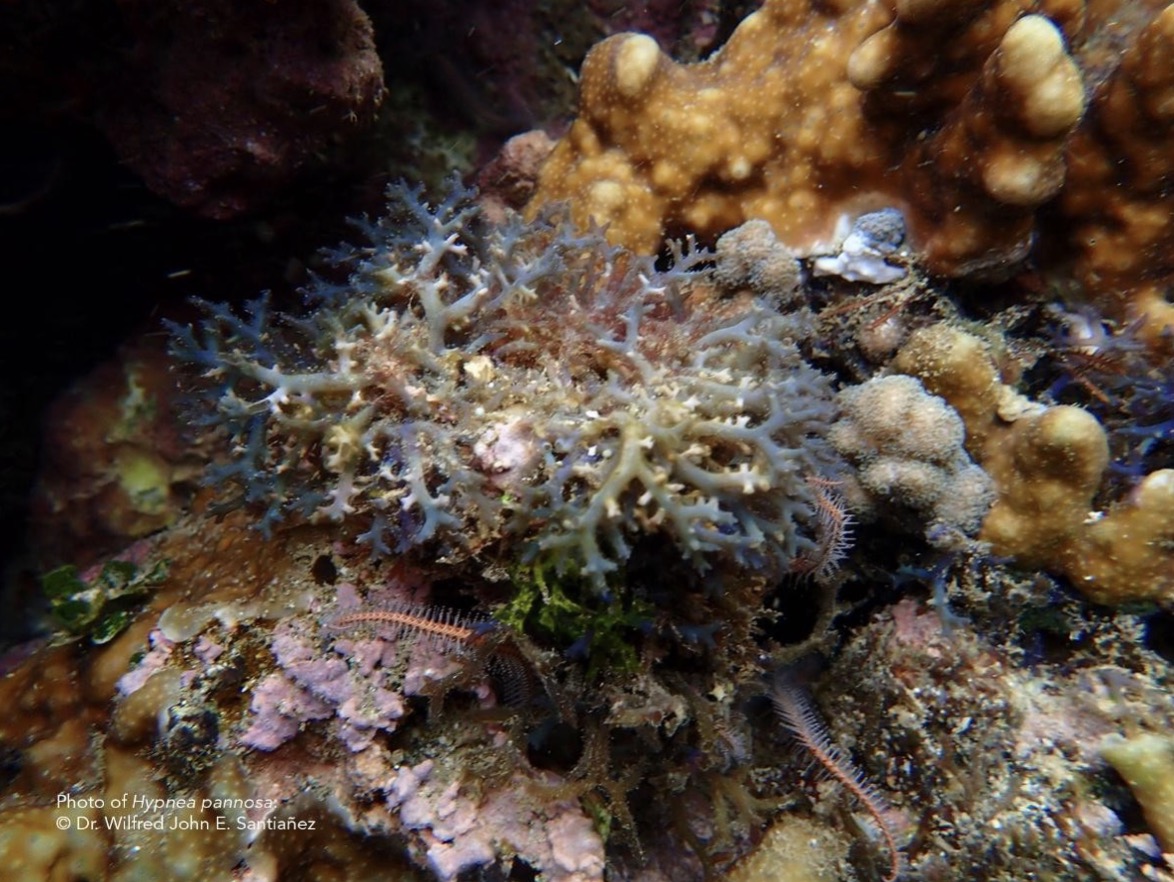
“Pag-asa Island: A Hidden Pearl of Biodiversity” features the highly diverse marine life found in Pag-asa Island. From colorful crabs to life-saving seaweeds, the webpage provides a glimpse of what is found in the Kalayaan Island Group and the West Philippine Sea.
Underwater pictures and specimens photographed in the laboratory are accompanied by short descriptions from the institute’s expert marine biologists. A timeline of the institute’s expeditions to the West Philippine Sea is also included on the webpage, beginning with the first visit to Pag-asa Island in 1663.
Behind the research that explains the richness and importance of our resources in the West Philippine Sea are the people. Personal reflections are shared in Letters to Pag-asa, a series of blog posts by the UP Marine Science Institute’s faculty and research assistants about their experiences with scientific discoveries and the local community on Pag-asa Island.
“These are common experiences when one does fieldwork in remote parts of the country, whether in islands or in mountains,” writes Dr. Gizelle Batomalaque in StillinthePhilippines, Still at Home. “The residents of Pag-asa Island show the natural tendency of humans to self-organize and make the most out of their situation.”
In launching “Pag-asa Island: A Hidden Pearl of Biodiversity”, the UP Marine Science Institute hopes to bring the Filipino public closer to what the study of life is truly like in the West Philippine Sea.
Future research developments will be added as the work continues. The webpage and the UP Marine Science Institute’s current research into Pag-asa Island are supported by the Canada Fund for Local Initiatives through the Embassy of Canada in the Philippines and the Marine Environment and Resources Foundation, Inc.

Started in 1927, the Philippines Graphic is the longest-running printed magazine of national circulation that provides relevant news and features and promotes Philippine literature.