

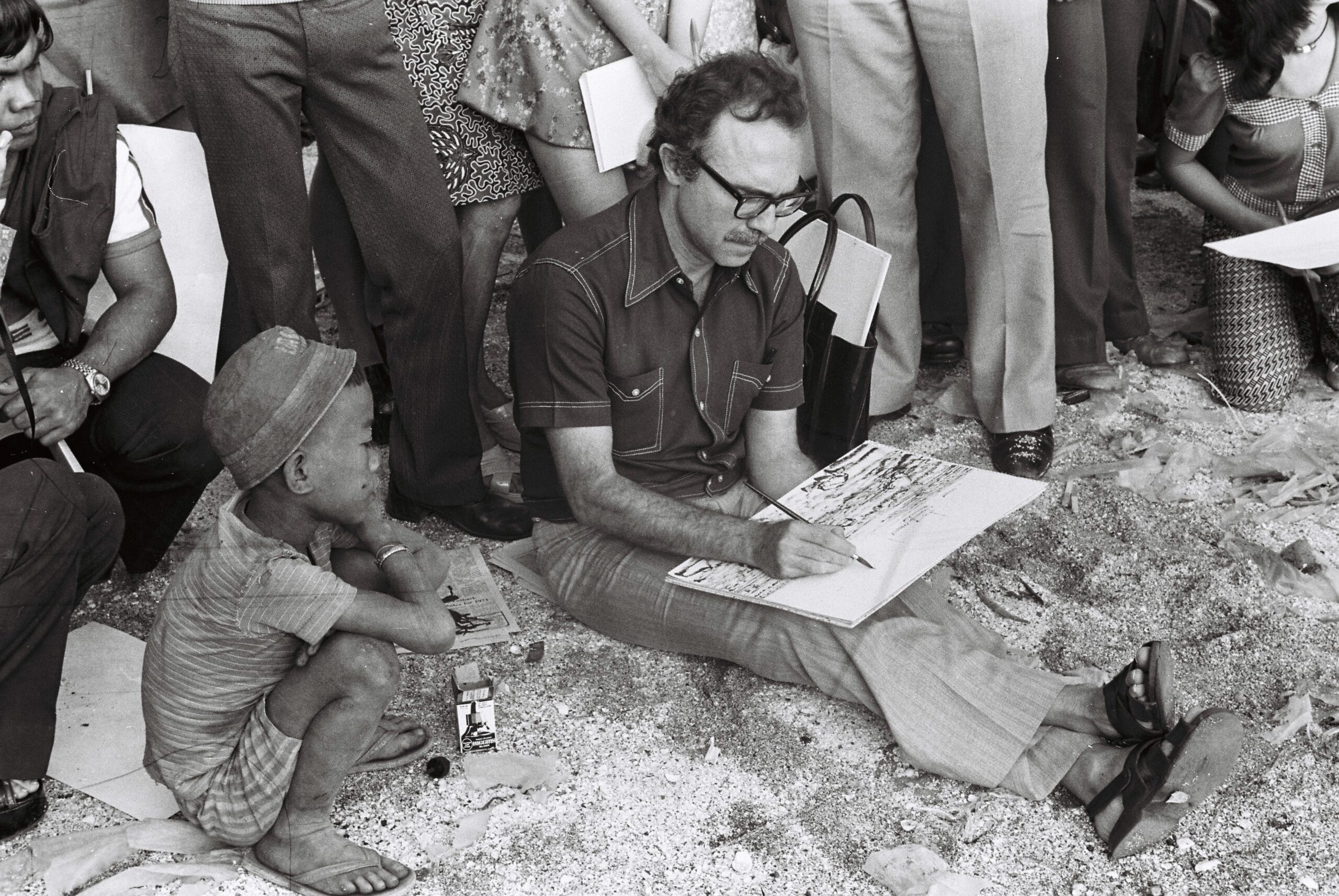
This major exhibition at the National Museum of Fine Arts features the works of modernist painter and printmaker, Juvenal Sansó, highlighting how his love for his adopted home has shaped a lifetime of creativity.
SANSÓ: Pusong Pilipino showcases painter Juvenal Sansó’s life and times through the lens of his enduring love for his adopted home, the Philippines.
The exhibition’s curator and Fundacion Sansó’s Director, Ricky Francisco, begins: “Rather than focusing solely on chronology, the exhibition examines the many ways in which Sansó’s artistic identity was shaped by the country he ultimately chose as home, and why he entrusted both his collection and his advocacies to the Filipino people through Fundacion Sansó.”
MAJOR EXHIBITION AT NAT’L MUSEUM
It was shortly after Sansó’s passing when the idea of SANSÓ: Pusong Pilipino was hatched, and the pairing between Fundacion Sansó and the National Museum was sprung. Francisco recalls, “It began with a simple, but important question: What is the legacy of Juvenal Sansó and why does it matter today?”
Sansó’s artistic practice, which spanned well over 70 years, forged lasting connections with Filipino audiences, institutions, collectors, students, scholars, and fellow artists. His body of work, etched in the country’s cultural memory. The master of modern art in the Philippines also dedicated himself to supporting emerging artists.
In a conversation between the foundation’s director and National Museum Director-General Jeremy Barns, both observed that, “Despite Sansó’s immense contributions to Philippine art, he had never been the subject of a solo exhibition at the National Museum.”
Over the years, Fundacion Sansó has mounted several exhibitions, celebrating the artist and his countless contributions to Philippine modern art. But Francisco reflects, “This collaboration with the National Museum of the Philippines carries a particular significance. As the country’s foremost institution for preserving and presenting Philippine artistic heritage, it was the ideal partner for a project of this scale and importance. It represents a definitive recognition of Sansó’s contributions to Philippine art, and affirms his place within the nation’s cultural narrative. It allows Sansó’s work to be viewed within a broader national context, inviting visitors to reflect not only on his achievements as an artist, but also on larger questions of identity, belonging, memory, and cultural contribution that defined both his life and his work.”
NEARLY HUNDRED ARTWORKS
In curating SANSÓ: Pusong Pilipino, Francisco selected close to 100 pieces that represented the various stages of the master’s artistic expressions. There are works from the 40s when he was still a student as well as pieces from his last series in 2021 called Moderno. Francisco adds, “Particularly significant are works that illuminate his relationship with the Philippines and reveal the experiences, memories, and places that continued to inspire him throughout his life.”
Rare, never-before-seen works will also hang side by side with some of Sansó’s more iconic images, unveiling another dimension to the artist’s practice. He elaborates, “Visitors will encounter important examples from his early figurative period, works produced during and after his years in Europe, celebrated landscapes and seascapes, floral compositions, prints, collagraphs, and later paintings that demonstrate the evolution of his artistic vision.”
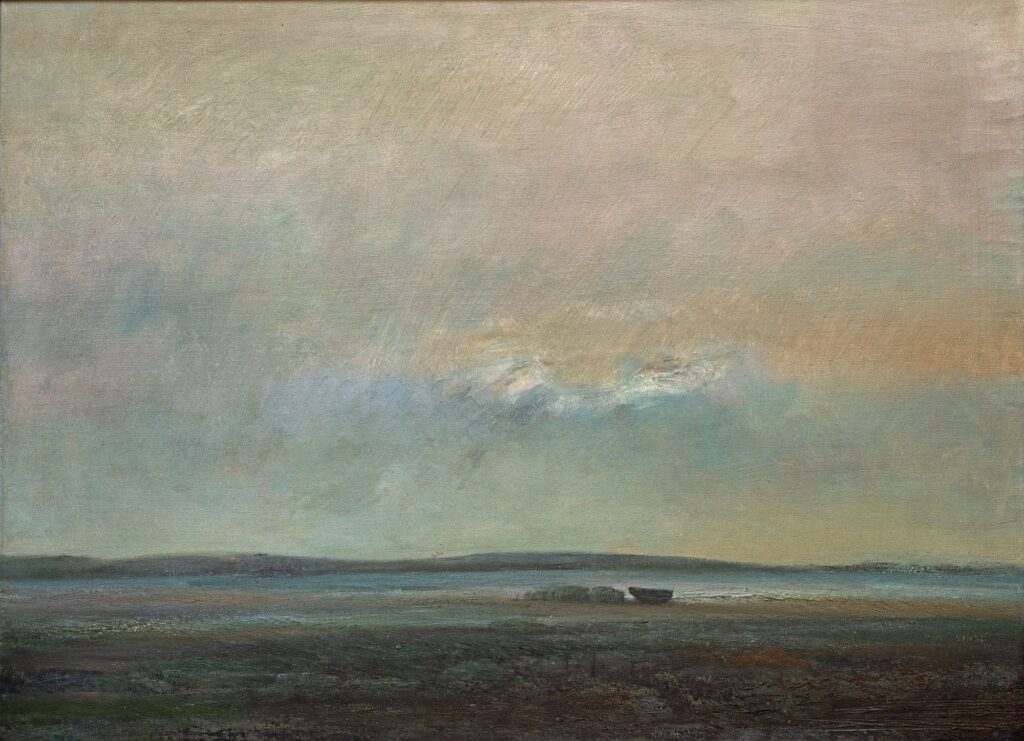
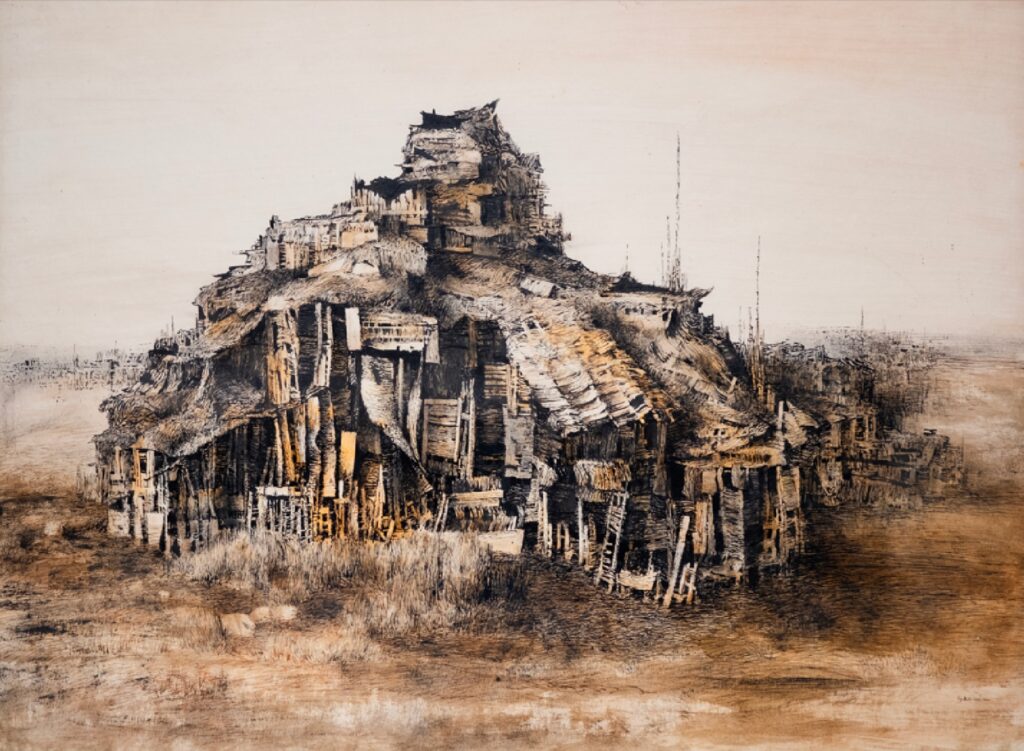
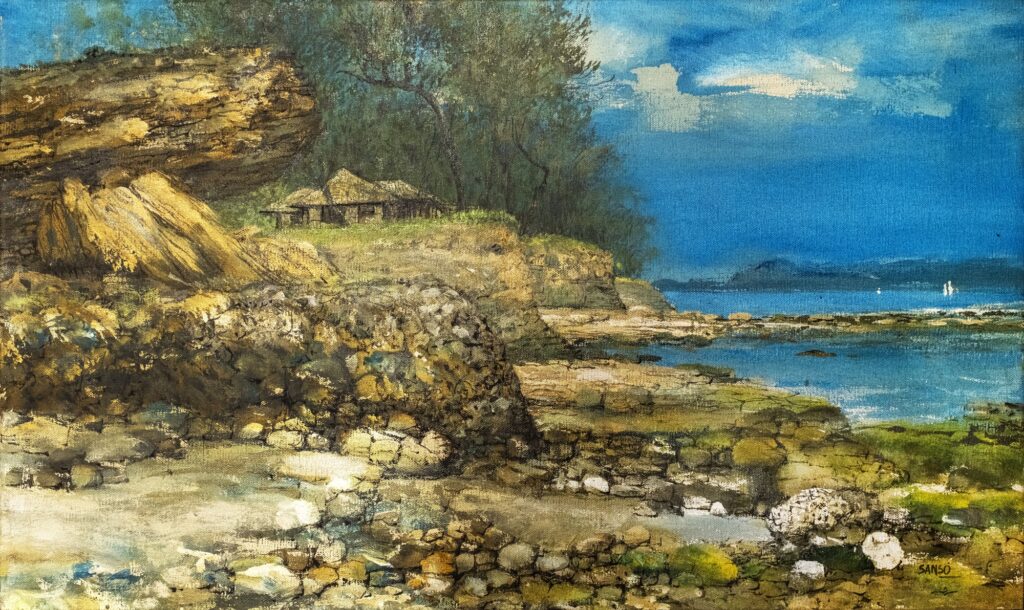
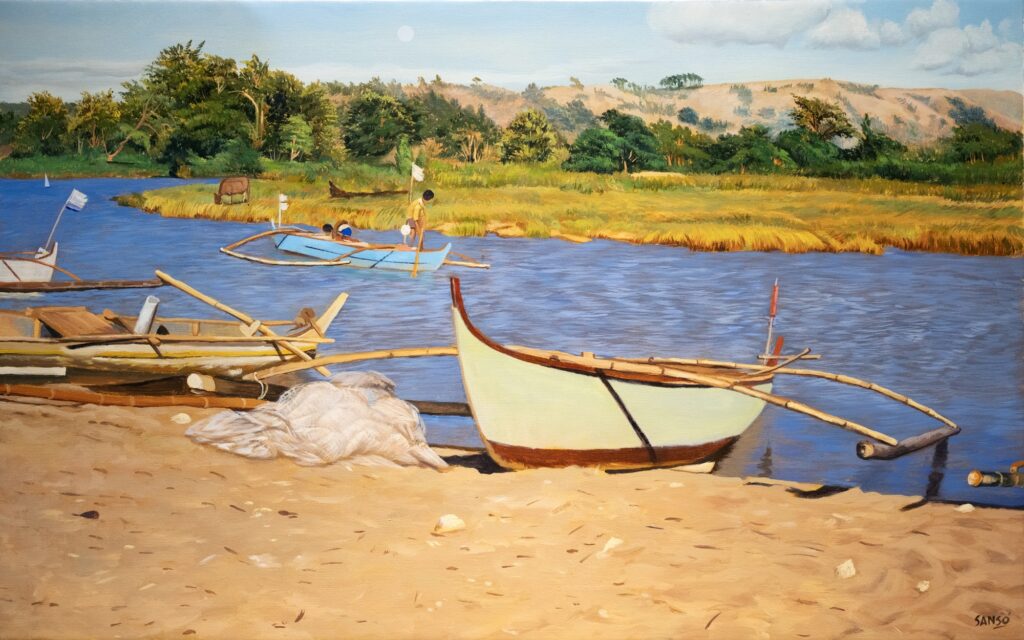
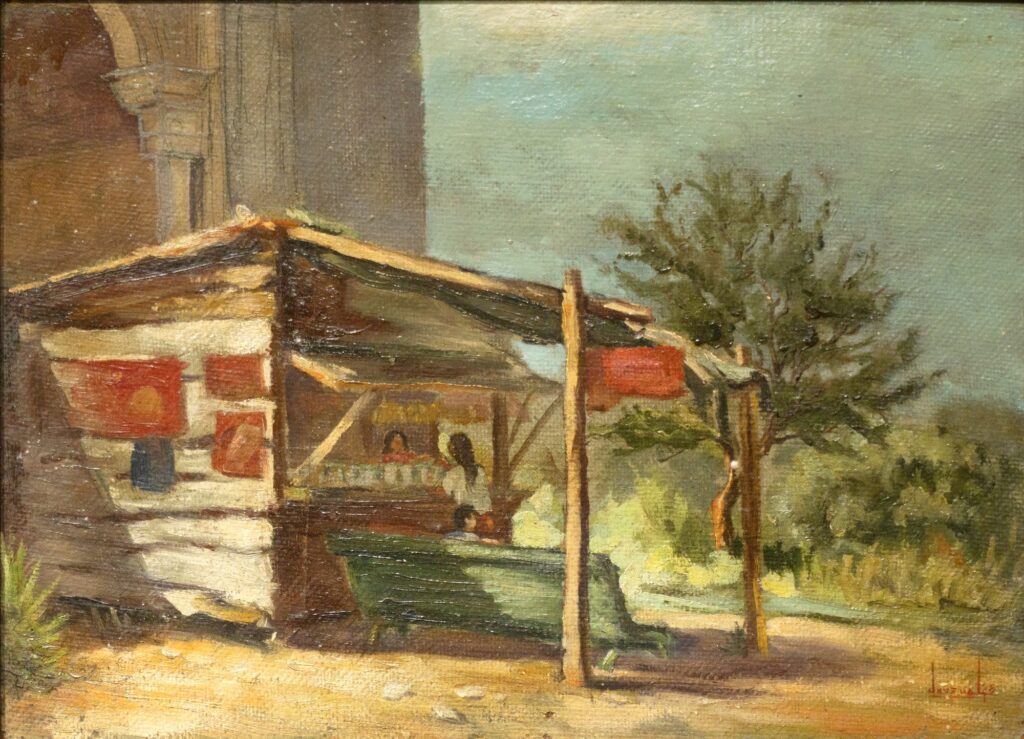
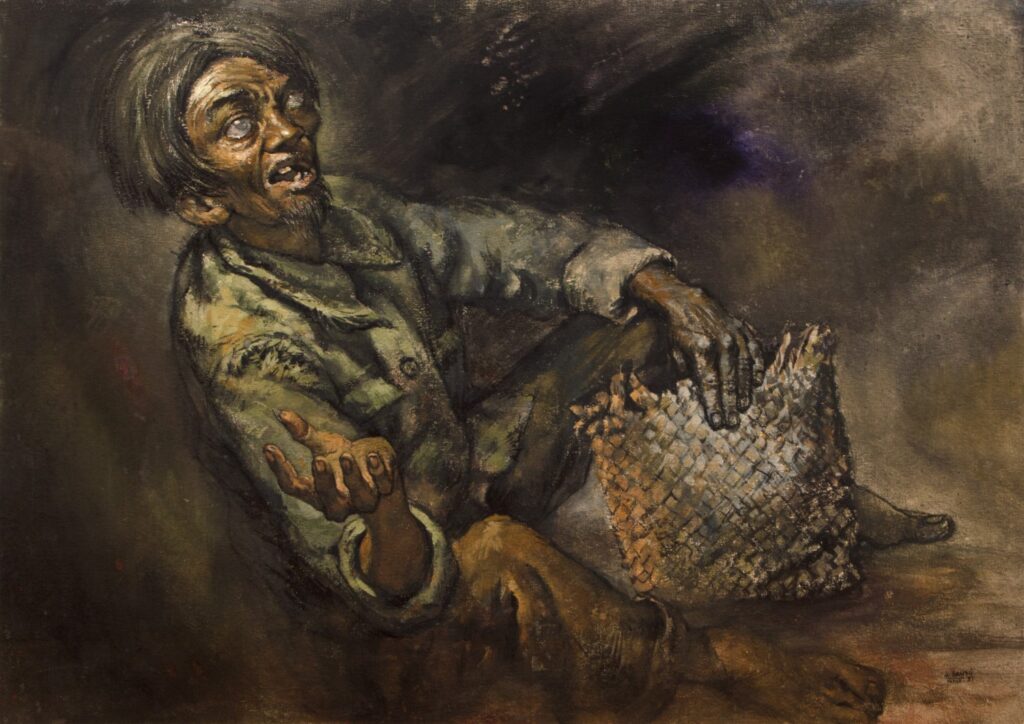
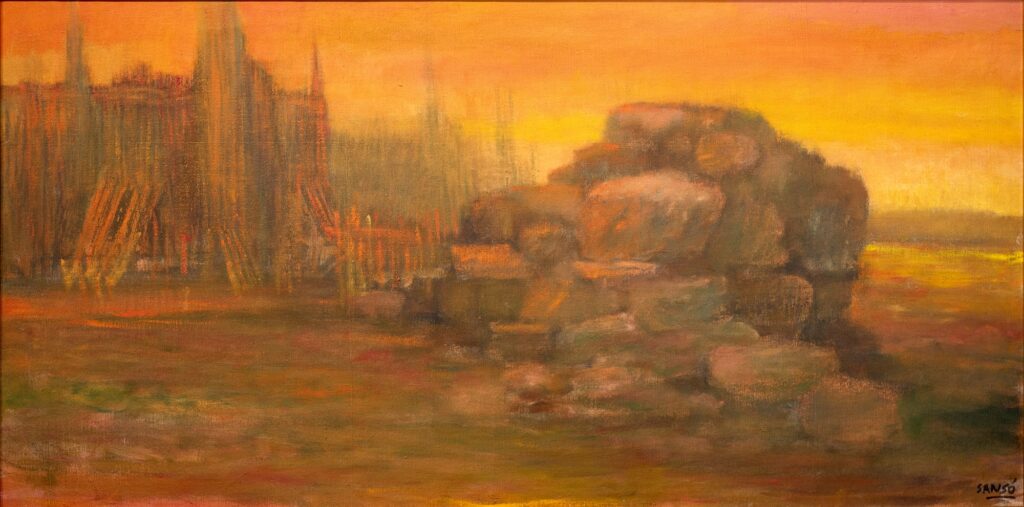
SANSÓ: Pusong Pilipino will also capture the breadth, depth, and dynamism of the master’s visual language. Works on display reveal an artist “who moved seamlessly between painting, printmaking, textile design, fashion illustration, and costume design.” Francisco details, “It also revisits periods and bodies of work that have received less scholarly attention than some of his best-known paintings.”
The curator perused the extensive archives of the foundation to bring together this major exhibition. Francisco also carefully selected pieces from six private collections. He intimates, “Preparation for the exhibition involved months of reviewing archival records, publications, photographs, correspondence, exhibition histories, and artworks. The process was further informed by decades of scholarship on Sansó and by the foundation’s continuing efforts to document, preserve, and interpret his legacy.”
A RETROSPECTIVE, A REVALATION
Although born in Spain, Sansó’s consciousness and identity as an artist was shaped by his life in the Philippines.
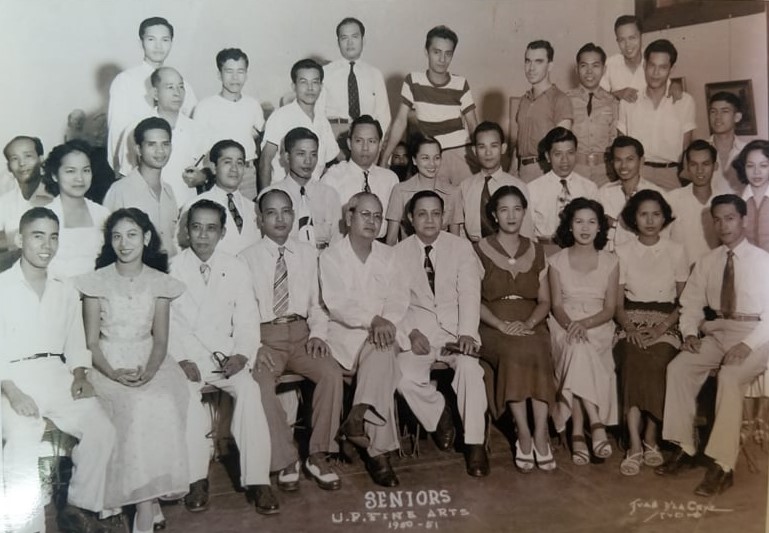
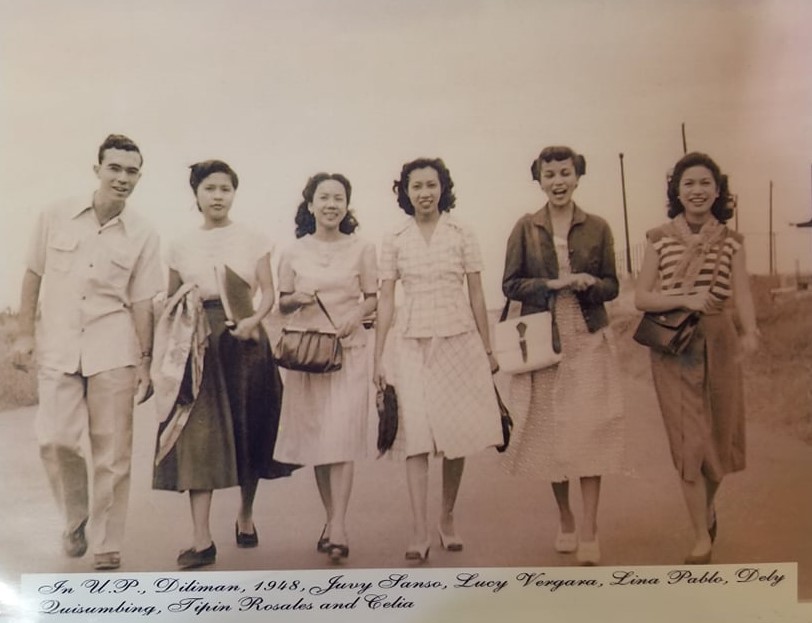
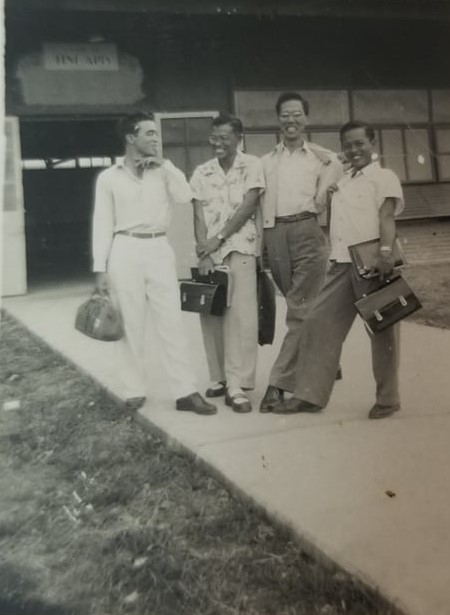
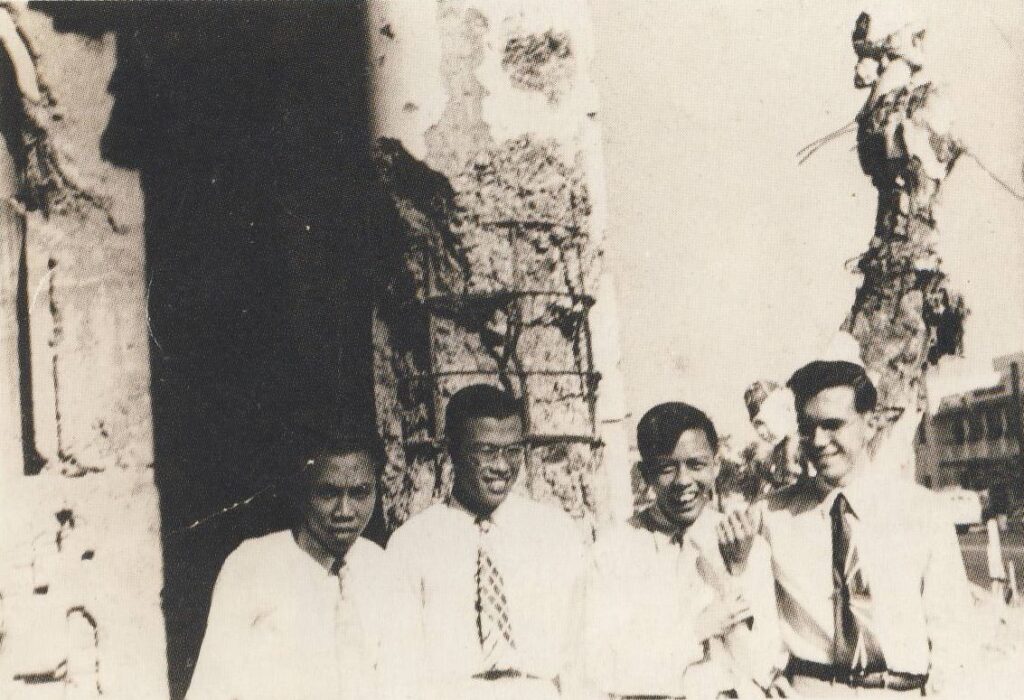
Despite having travelled extensively and achieving international acclaim throughout Europe, he always found his way back to his adoptive home.
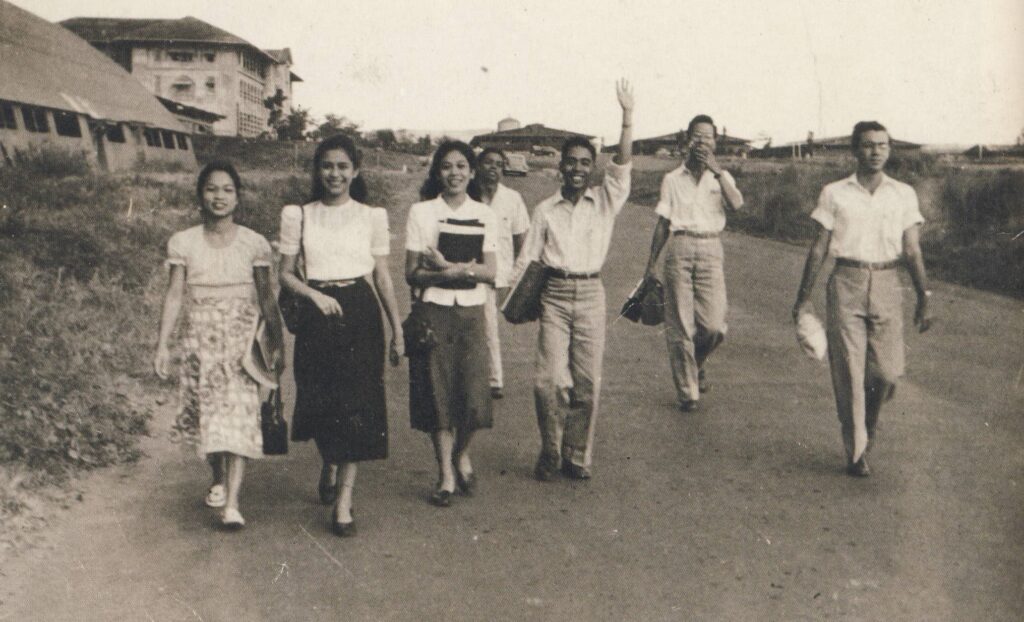
Some of the artist’s most recognizable works transport viewers to far off cities like Paris or Brittany. Yet, they underscore a distinctive creative expression informed by life in the archipelago. The same holds true for the artist’s visual worlds—–snapshots of urban life, idyllic landscapes and seascapes, blooms, and geometric forms–suspended between memory and imagination.
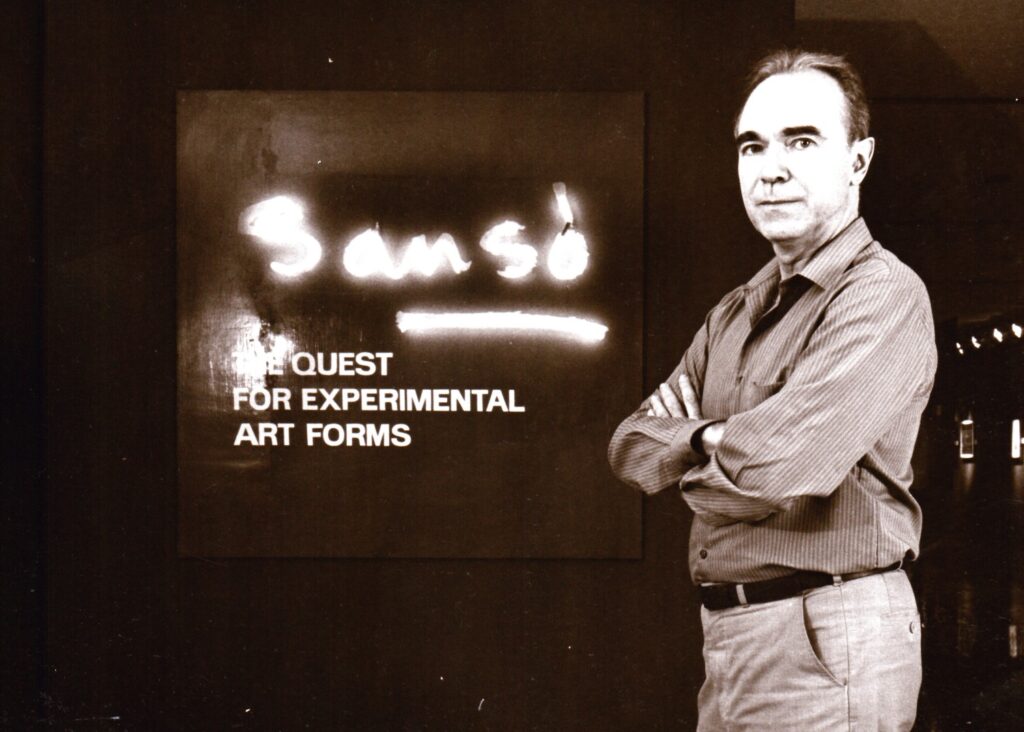
Francisco introspects: “One of the exhibition’s most significant revelations is the extent to which the Philippines remained central to Sansó’s imagination throughout his life. The exhibition demonstrates that many of the emotional, psychological, and visual foundations of his work can be traced back to experiences formed in the Philippines.”
More than a retrospective, SANSÓ: Pusong Pilipino reveals the artist’s relationship with the Philippines. “Visitors move through a narrative that begins with his formative experiences in Manila, examines the emotional and artistic consequences of war and displacement, follows his international journey, and ultimately arrives at his return to the country and the establishment of his enduring legacy.”
FUNDACION SANSÓ: A Legacy Lives On
In 2008, Sansó returned to Manila permanently. Francisco reminisces, ”In the years that followed, he devoted considerable energy toward ensuring that his life’s work would remain accessible to future generations of Filipinos. This commitment culminated in the establishment of Fundacion Sansó, which he entrusted with preserving his artistic legacy while continuing his advocacies in arts education, scholarships, grants, and public access to culture.”
Established in 2015 by the artist himself, Fundacion Sansó’s mandate is anchored on the preservation of Sansó’s archives, library, collections, and documentary materials. The foundation also authenticates artworks, organizes exhibitions, and educational programs that bring the life and work of Sansó to a larger audience. It moves in close collaboration with the artist’s estate, guided by the very vision that Sansó articulated during his lifetime.
Beyond conservation, advocacies started by the artist are sustained through Fundacion Sansó’s programs. These include the Fine Arts Student Stipend Program, Art + Design = Empowerment (ADE) Special Exhibition Program and Scholarship Cafe.Fundacion Sansó is also dedicated to empowering family members of artists through innovative projects like the Initiative for the Continuation of Artist’s Estate (I CAre) Program. “Since 2018, its scholarships, grants, and cultural development programs have assisted dozens of young artists, students, and cultural workers. The foundation has also provided travel grants, curatorial grants, and professional development opportunities while maintaining free public access to its museum and exhibitions,” Francisco states.
SANSÓ: Pusong Pilipino tells the story of an artist shaped by the Philippines. It paints a portrait of a master whose work and legacy is profoundly rooted in the country that he has chosen to call home.
Francisco concludes: “It is a tribute to the affection, loyalty, and sense of responsibility that defined his relationship with the Philippines. It is a reflection on legacy—not simply what Sansó left behind as an artist, but what he entrusted to future generations through the foundation that bears his name.”
SANSÓ: Pusong Pilipino will be on exhibition at the Gallery XV E. Aguilar Cruz Hall of National Museum of Fine Arts from August 2026 to February 2027.
ALL PHOTOS COURTESY OF FUNDACION SANSO

Started in 1927, the Philippines Graphic is the longest-running printed magazine of national circulation that provides relevant news and features and promotes Philippine literature.