
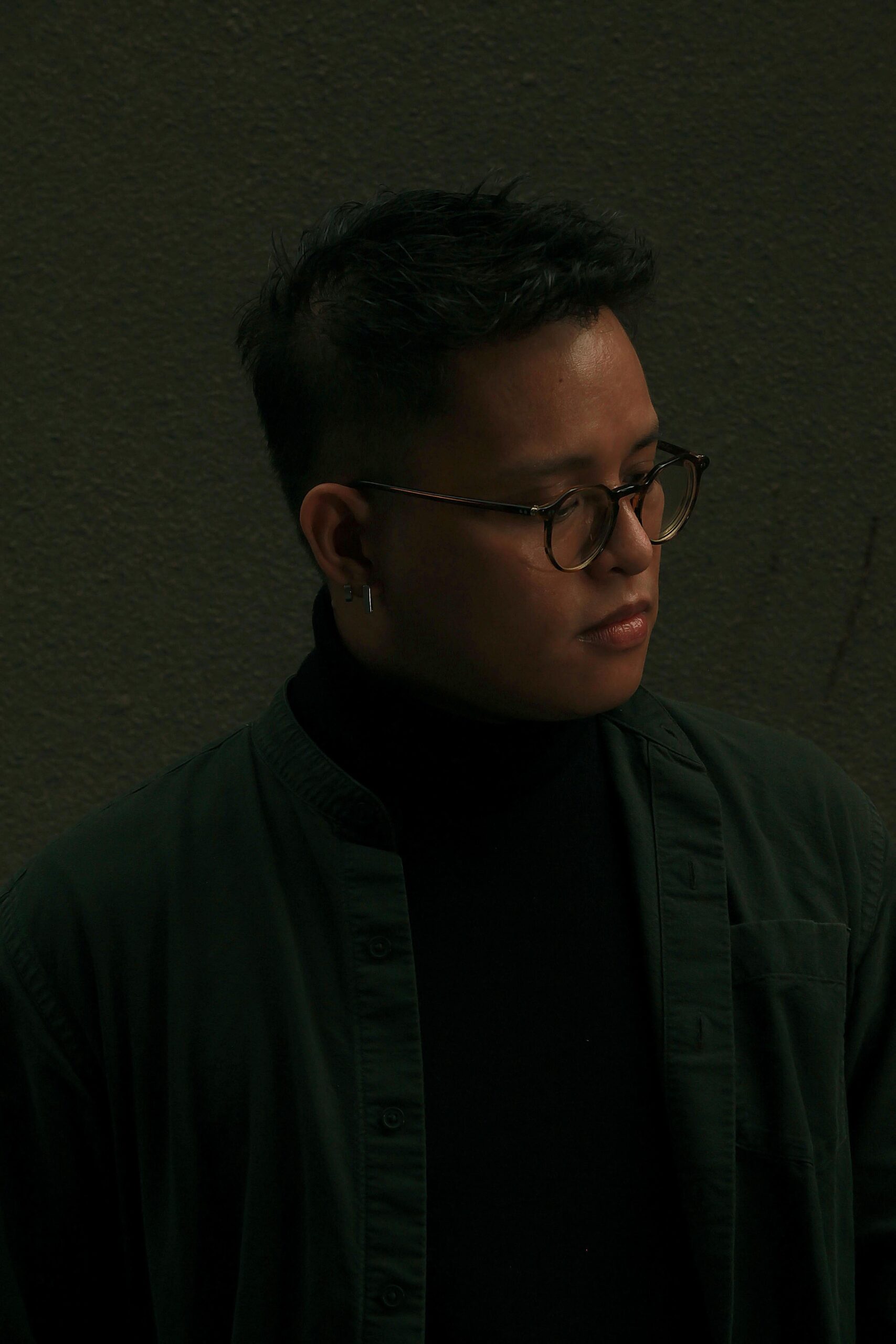
The Cultural Center of the Philippines (CCP), the country’s premier institution for arts and culture, announces the appointment of art historian, critic, and curator Carlos Quijon, Jr. as the new Chief Curator of its CCP Contemporary Art Museum.
Quijon’s vision will shape the way CCP showcases and exhibits its extensive contemporary art collection. This move comes at a crucial time when the CCP is set to reopen its doors to the public by the first quarter of 2027, after going through meticulous conservation and rehabilitation efforts that began in 2021, following a series of inspections in 2015 and 2018.
“As we prepare for the reopening of the CCP next year, we are not only boosting our facilities that will host our audiences and the public, but also our lineup of visionaries who will curate and conceptualize art exhibitions and performances that we can truly be proud of. We’re glad to welcome Carlos into our artistic family. We know that we will learn from his global experiences, as much as he will also be inspired by our contemporary art collection,” said CCP President Kaye C. Tinga.
A Filipino talent with a global portfolio, Quijon joins CCP after a successful tenure at the Museum of Modern Art in New York as the inaugural C-MAP Fellow for Southeast and East Asia. He has notably curated the Philippine Pavilion at the 60th Venice Biennale in 2024, where he presented the work of artist Mark Salvatus. He has also curated exhibitions in São Paulo, New York, Seoul, Busan, Singapore, Hong Kong, Kuala Lumpur, and Manila, and participated in residencies and fellowships in museums in Asia, Europe, and the Americas.
Quijon brings in an extensive knowledge of Southeast Asia’s modern and contemporary art, transregional art histories, curatorial practice and scholarship, and a keen familiarity with regional artistic infrastructures and ecosystems. “I’m excited to join the CCP as their new chief curator as it enters its new era. As a practitioner, I believe in CCP’s role in advocating for and enriching the artistic sensibilities of our Filipino artists and promoting them to our local public and our international audiences, as well. The goal is to strengthen the place of the CCP in national and regional conversations around contemporary art,” Quijon said.
CCP is home to one of the country’s largest contemporary art collections, which it has gathered from the 1960s to the 1980s. There are over 2,000 artworks in its CCP 21AM Visual Arts Collection alone.
Started in 1927, the Philippines Graphic is the longest-running printed magazine of national circulation that provides relevant news and features and promotes Philippine literature.
, the country’s premier institution for arts and culture, announces the appointment of art historian, critic, and curator Carlos Quijon, Jr. as the new Chief Curator of its CCP Contemporary Art Museum. )