

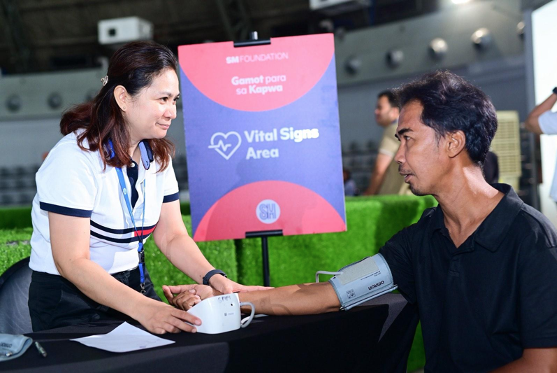
VIA GRAPHIC PLUS — In my years of joining community health activities with SM Foundation, there’s a phrase I hear almost every time: “Wala naman akong nararamdaman.”
Understandably, when we wake up without pain and notice nothing unusual, it is easy to assume that everything inside our body is fine. But feeling well and being well are not always the same thing.
Hypertension and diabetes can develop quietly, sometimes for years. A person may feel normal even while high blood pressure or elevated blood sugar is affecting blood vessels and placing the heart, kidneys, eyes, and other organs at risk. Left undetected or unmanaged, these conditions can lead to stroke, heart attack, kidney disease, and vision loss.
I have seen firsthand how early screening can help patients manage these conditions before serious complications develop.
This is why primary healthcare close to home matters.
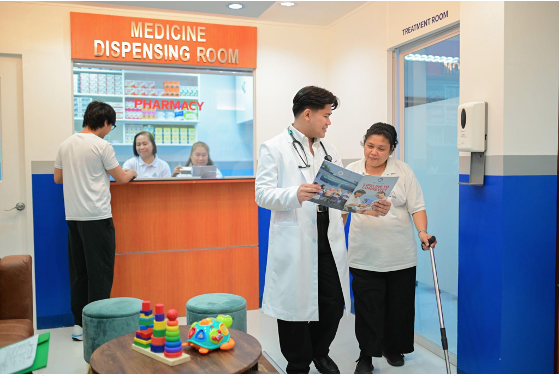
In communities where hospitals and other health facilities may be far from home, local health centers can be the first and most accessible point of care. Supporting this first line of care, SM Foundation works with communities to rehabilitate health facilities and complement these efforts with medical missions, bringing health services closer to vulnerable communities.
Early detection starts close to home
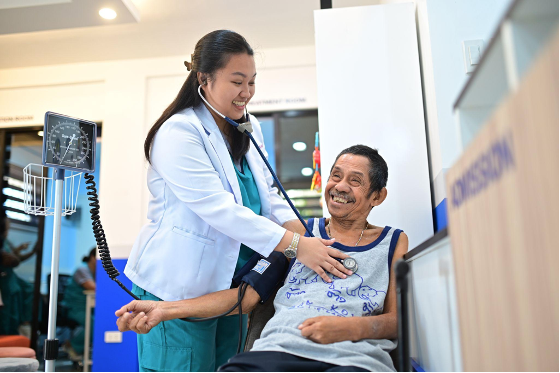
Depending on community needs, these rehabilitated facilities support consultations, maternal and child care, immunization, nutrition, family planning, health education, and monitoring of non-communicable conditions such as hypertension and diabetes.
Regular screening is important because both conditions may develop without noticeable symptoms. This is especially important for people with risk factors.
For hypertension, adults aged 18 and above should have their blood pressure checked regularly, especially those with risk factors such as:
- Family history of hypertension or heart disease
- Overweight or obesity
- Physical inactivity
- Frequent intake of salty food or alcohol
- High stress or inadequate sleep
- A history of preeclampsia or gestational hypertension
For diabetes, I generally recommend screening beginning at age 35, or earlier for people with risk factors, including:
- Family history of diabetes
- Overweight or obesity
- High blood pressure or cholesterol
- Previous gestational diabetes
- Polycystic ovary syndrome (PCOS)
- Physical inactivity or unhealthy diet
If your results are elevated, my advice is the same: do not panic or self-medicate. Consult a physician or qualified healthcare professional for proper assessment and guidance.
Begin with manageable routines
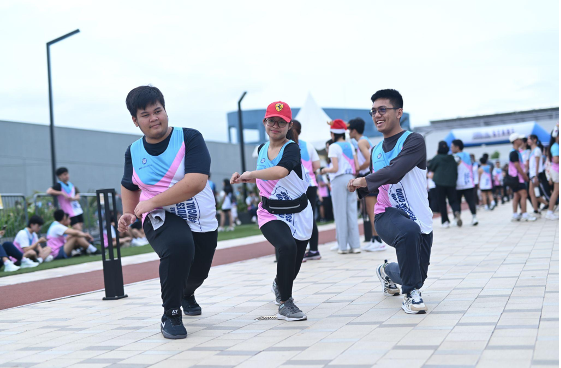
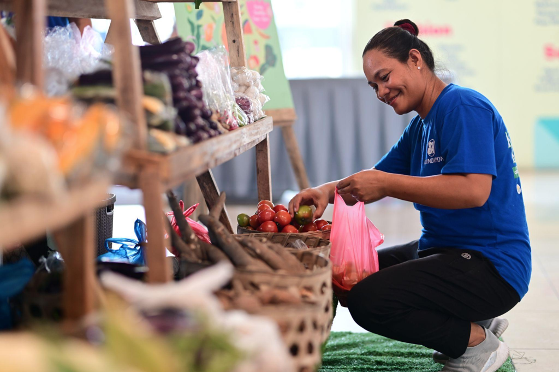
Managing your health does not require overnight transformation. Small, practical habits can become part of your daily routine:
- Avoid highly processed foods; instead, increase your intake of plant-based diets.
- Avoid alcohol, cigarettes, vapes, and illicit drugs.
- Cut your sugar intake by staying away from sodas, frappes, powdered shakes, and iced teas.
- Aim for eight hours of sleep.
- Drink enough water throughout the day to stay hydrated.
- Get at least 150 minutes of moderate-intensity physical activity each week.
- Make time for prayer, meditation, and meaningful family time to help manage stress and support emotional well-being.
If you have already been diagnosed with hypertension or diabetes, continue taking your prescribed medicines and attend follow-up appointments. Feeling better does not necessarily mean the disease is gone, and maintenance medicines should not be stopped without medical advice.
Improving access to care
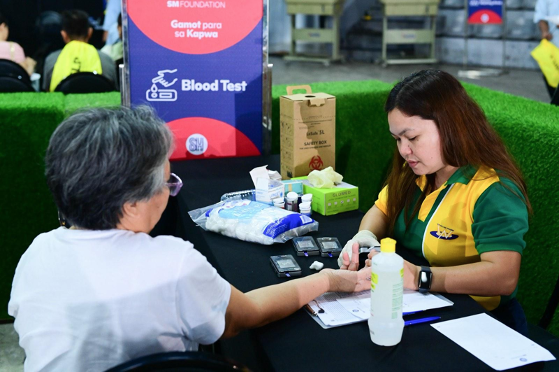
For many Filipinos, the problem is not simply the unwillingness to seek care. Distance, cost, limited facilities, and shortages of healthcare professionals can make screening, diagnosis, treatment, and follow-up difficult, especially in underserved communities.
As a physician, I believe screening should never end with finding an abnormal result. A patient with elevated blood pressure or blood sugar needs a place to return for assessment, treatment, monitoring, and follow-up.
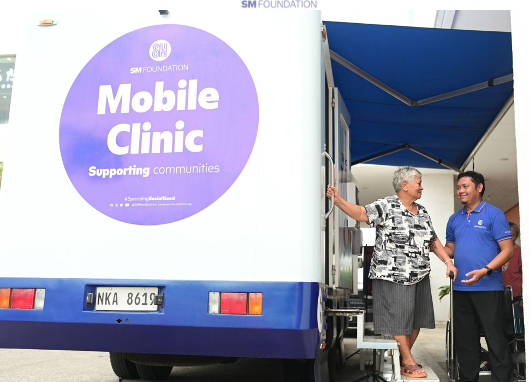
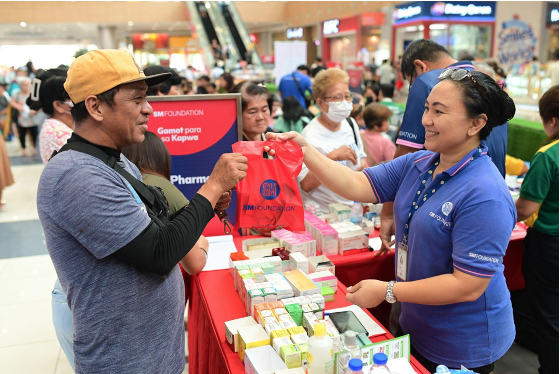
This is also where strengthened community Health Centers and SM Foundation’s medical missions can complement one another. Medical missions can reach people who may otherwise delay seeking care, while permanent community health facilities provide an accessible place where care can continue after the mission is over.
A health check can be the first step, but care should not stop there. Strong primary healthcare means giving people a place close to home where they can seek help early and return for continuing care. Through medical missions and strengthened health centers, SM Foundation seeks to help make that pathway to care more accessible and lasting.
Dr. Bless Bertos is a Senior Project Manager for SM Foundation’s Health and Medical Programs, helping bridge gaps in access to preventive health care for vulnerable communities. —Dr. Bless Bertos

Started in 1927, the Philippines Graphic is the longest-running printed magazine of national circulation that provides relevant news and features and promotes Philippine literature.