

First Anti-Scam Executive Meet-Up builds on a cross-sector community coalition with enterprise-ready protection
VIA GRAPHIC PLUS | September 7, 2026 — As scams spread across calls, messages, websites, social platforms and AI-generated content, they are turning corporate identity into a weapon. What begins as a fake account, phishing site or impersonation attempt can quickly become a business problem that damages customer trust, raises service and response costs, and weakens confidence in digital transactions.
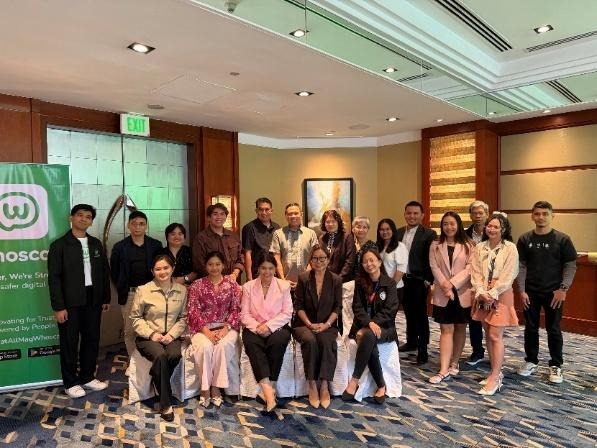
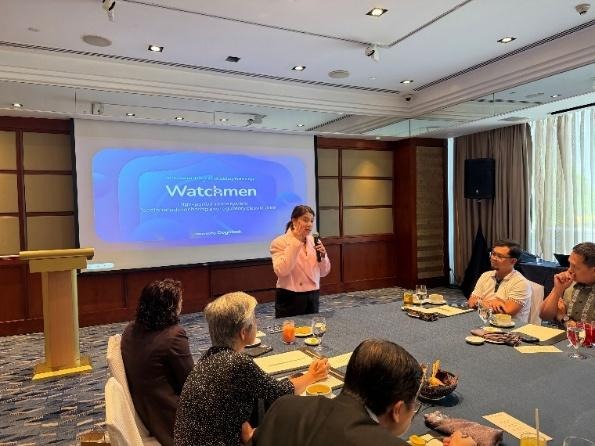
To move corporate protection closer to the point of risk, Whoscall recently mobilized business leaders and stakeholders at its first Anti-Scam Executive Meet-Up at Makati Shangri-La Hotel. The business-to-business (B2B) forum gathered representatives from government agencies, banking and financial services institutions, technology companies, and strategic partners of Gogolook Philippines and Whoscall.
“Scams have evolved from isolated consumer incidents into a systemic threat to digital trust. When criminals exploit a company’s name, platform or customer relationship, the damage goes beyond an immediate scam-related loss. It reaches reputation, customer confidence and the willingness to use digital services,” said Mel Migriño, Country Head and General Manager of Gogolook Philippines.
“Businesses can no longer treat anti-scam protection as a downstream response after harm has occurred. It must be designed into the customer journey, strengthened by shared intelligence and supported by public-private collaboration. Watchmen, a brand protection solution and Anti Scam Intelligence (ASI) SDK, an in-app anti-scam protection translate that responsibility into practical protection around the brand and within enterprise platforms, while the Whoscall Mobile App extends the defense to consumers. The organizations that protect trust at every touchpoint will be better positioned to grow in an increasingly digital economy,” Migriño emphasized,
The gathering focused on how enterprises can detect brand impersonation earlier, embed scam protection into customer-facing applications and work across sectors against threats that move faster than any organization can address alone.
Protection built around the business
Whoscall presented its complete anti-scam solution, an end-to-end model designed to protect both the enterprise platform and the consumers through its B2B and Business-to-Customers (B2C) solutions.
Watchmen, the Whoscall anti-scam enterprise solution, serves as the B2B brand-protection layer. It monitors social media channels for suspicious content, fake ads, and both conventional and AI generated fake accounts. By identifying threats linked to a company’s name, identity and digital presence, the service can support earlier intervention before customers are misled and reputational damage spreads. Further, it gives the business a clear map of where its brand is being impersonated across social platforms.
ASI SDK brings protection into the enterprise platform itself. Companies can embed the anti-scam solution into mobile and web applications, allowing organizations in banking, financial services, e-commerce, retail, telcos and other digital sectors to extend scam detection within environments their customers already use. Rather than requiring people to move to a separate tool, the SDK allows protection to sit within an existing digital journey.
The Whoscall Mobile App completes the consumer layer by identifying suspicious calls, SMS messages and links before they cause harm. Together, the three solutions address connected points of exposure: Watchmen helps protect the brand, ASI SDK brings protection into enterprise platforms, and the mobile app places scam detection directly in consumers’ hands.
Turning shared risk into collective action
During the program, Migriño discussed how Watchmen and ASI SDK can address enterprise risk. Luigi Longanilla, Partnerships and Business Development Associate of Gogolook Philippines, followed with a live demonstration of both solutions and their potential use cases across customer-facing platforms.
Jocel De Guzman of ScamWatch Pilipinas presented the Anti-Scam Quad Model, a collaborative framework that brings government, the private sector, communities and individuals into the fight against scams. Ailene Chua, CEO of A-List & Partners Consulting Group Inc., helped organize the event and bring participants together.
Executive discussions examined emerging threats, possible technology integrations and partnership opportunities. For banks and financial institutions, potential applications include adding another layer of protection to mobile banking and customer communications. Technology and digital-platform companies can explore embedding scam intelligence into their services, while government and strategic partners can strengthen education, reporting and coordinated response.
The discussions did not treat technology as a stand-alone answer. Participants considered how tools, governance, customer education and cross-industry intelligence sharing can work together, reducing the burden on individuals to recognize every new tactic on their own. The meeting also opened potential use cases and partnership conversations without limiting collaboration to a single industry.
The Executive Meet-Up reflects a broader business imperative: digital trust now depends on how well organizations protect customers across the full journey, from the first call or message to the app or website where a transaction takes place. Anti-scam protection is therefore not only a cybersecurity function. It also supports brand stewardship, customer experience, operational resilience and confidence in the digital economy.
By moving from a wide community coalition to focused enterprise action, Whoscall aims to build an end-to-end anti-scam ecosystem in which businesses, government and consumers reinforce one another. The objective is practical: detect threats earlier, make protection easier to access and preserve the trust that allows digital services and industries to grow.
From community awareness to enterprise action
Whoscall’s first anti-scam executive meet-up also marked the next phase of an anti-scam coalition that the Company began building through its first Community Meet-Up with a broad public-private coalition in strategic collaboration with key private sector players, Meta and ScamWatch Pilipinas, with support from the Cybercrime Investigation and Coordinating Center and Meta. Participants represented government, banking and financial services, telecommunications, technology and social media, fintech and digital payments, academe, professional associations, and community and nonprofit organizations.
The Community Meet-Up advanced Whoscall’s wider Know the Unknown movement, encouraging Filipinos to verify suspicious links and report potential scams. The Executive Meet-Up marked the critical next step, moving the conversation from public awareness to enterprise action. It brought decision-makers together to examine how companies can embed stronger anti-scam measures across their brands, products, operations and customer journeys, helping stop scams earlier and strengthening customer trust.

Started in 1927, the Philippines Graphic is the longest-running printed magazine of national circulation that provides relevant news and features and promotes Philippine literature.

 forum gathered representatives from government agencies, banking and financial services institutions, technology companies, and strategic partners of Gogolook Philippines and Whoscall.)