

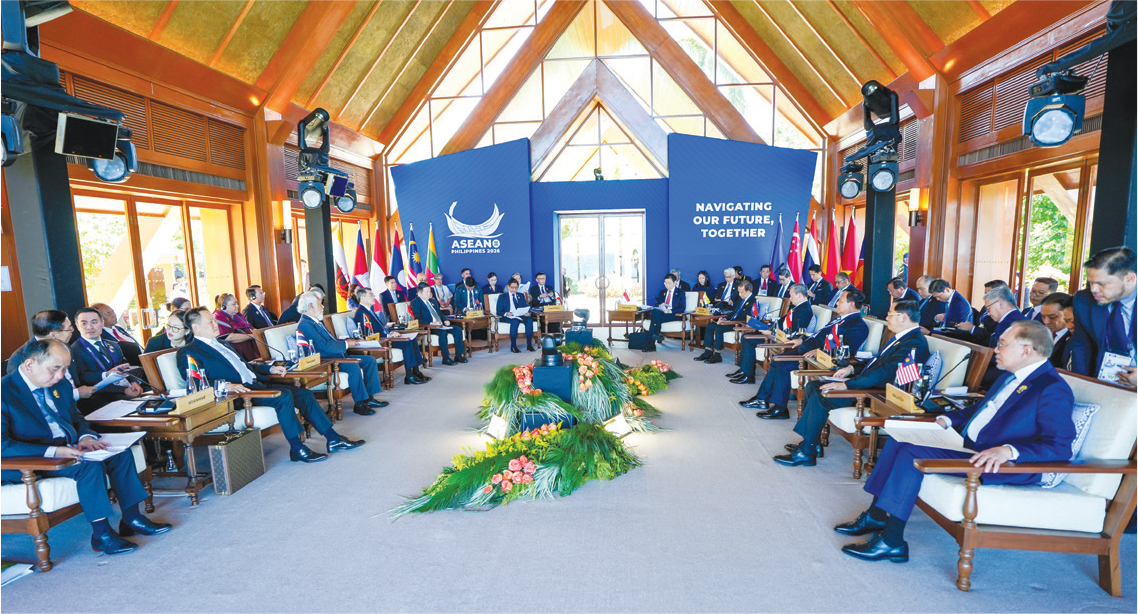
In an era where news and opinions intertwine and merge when reporting on events, the Philippines Graphic takes a final look at the recently concluded 48th ASEAN Summit in Cebu, focusing on two reporters’ candid responses to the summit’s significance.
CEBU CITY—I’ve had some sleepless nights trying to convince myself that I was indeed covering the 48th Association of Southeast Asian Nations (ASEAN) Summit in Cebu this May 2026.
This was not an exaggeration. It was exactly how I felt walking into one of the biggest diplomatic gatherings ever held in the Visayas.
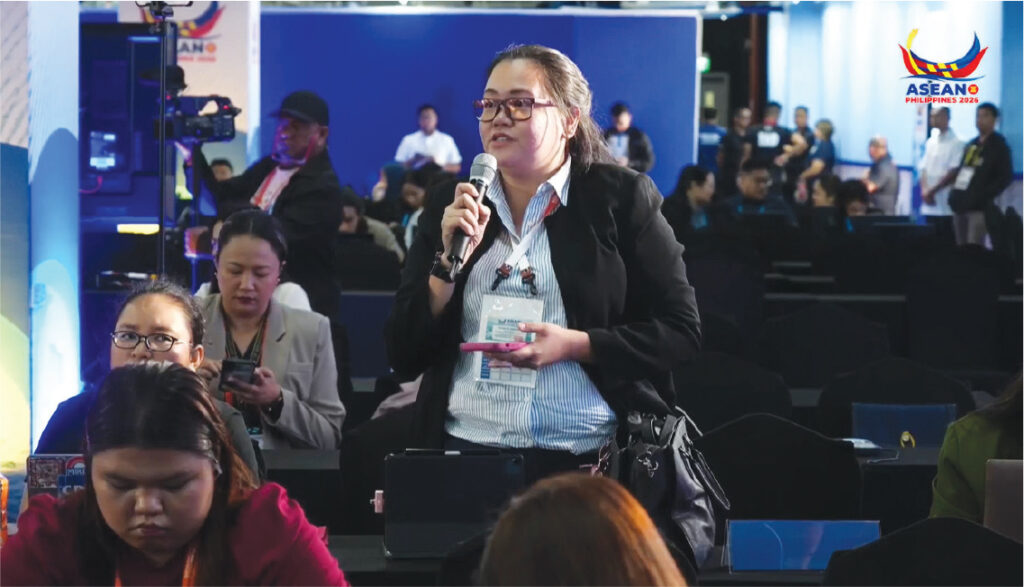
By the end of the summit, I would find myself standing just a few feet away from world leaders I used to only see on television screens, newspaper headlines, and social media clips.
And somewhere in between the policy briefings, motorcades, endless cans of Coke Zero inside the media center, and rushed deadlines, I realized this was more than just another assignment.

It was a glimpse into how Southeast Asia tries to shape its future—while ordinary people outside the summit halls continue struggling with rising prices, expensive fuel, inflation, and the daily realities of life.
I am not new to international events, but this was honestly my first time covering the ASEAN Summit as a business correspondent.
The summit proper lasted two days, from May 6 to 7, although related meetings and preparatory activities had already begun much earlier.
Before all the diplomacy and formal speeches, however, my own preparation began with something far more ordinary: planning outfits, arranging childcare, charging gadgets, and trying to survive on very little sleep.
One major thing I kept thinking about was this: How do I make stories about regional diplomacy relatable to ordinary Filipinos?
How do you explain discussions about maritime codes of conduct, petroleum agreements, regional trade cooperation, and food security to a Cebuano jeepney driver worried about fuel prices? Or to a market vendor trying to stretch a week’s income against rising grocery costs?
Those questions stayed with me throughout the summit.
ASEAN SUMMIT & RELATED MEETINGS
I caught the 6:30 a.m. bus on May 6 just to get to the International Media Center (IMC) inside the Mactan World Museum in Lapu-Lapu City.
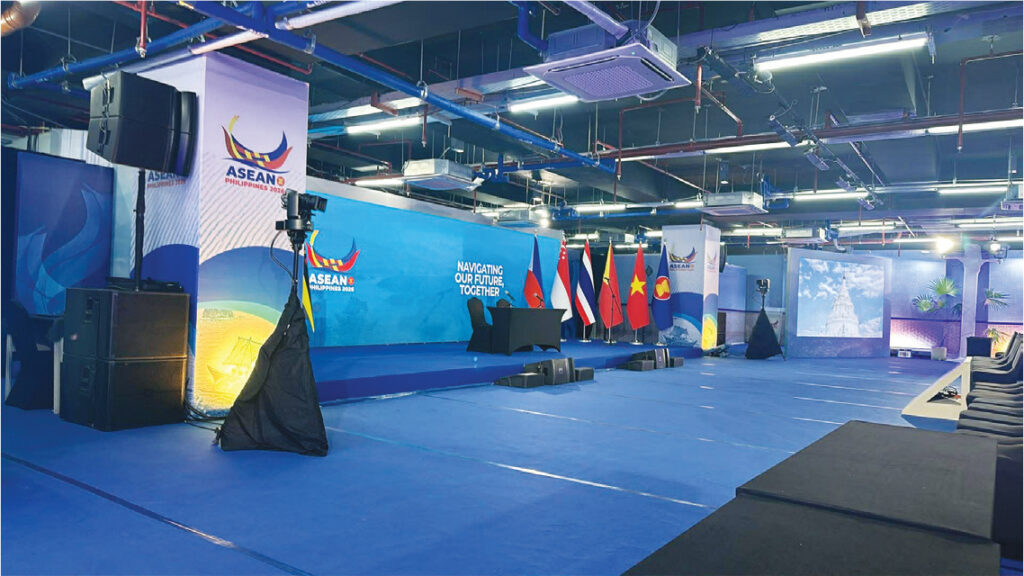
From where I live, travel time alone already takes around 30 minutes to an hour, depending on traffic and security rerouting. That meant waking up at around 4:30 a.m. to prepare food for my children before leaving for work.
Luckily, I have a very supportive husband who helped me throughout the entire coverage period. He drove me when needed, fetched me after long days, and made sure things at home remained stable while I chased stories around Cebu.
That support mattered more than people realize. Covering a summit like ASEAN looks glamorous from the outside. But behind every polished television report or published article is a reporter surviving on little sleep, carrying chargers, an iPad, notebooks, mobile phones, and power banks everywhere, while constantly checking deadlines and praying not to miss an important statement.
Wearing business attire also felt strange for me at first.
I was more used to rubber shoes and field coverage than heels and formal blazers. But the ASEAN Summit had strict media protocols. Reporters were expected to dress professionally, especially those joining pooled coverage near the leaders and delegates.
Some colleagues bent the dress code a little. I did not dare risk it.
I had this irrational fear that someone at the entrance would suddenly stop me and say, “Ma’am, bawal po [this is not allowed].”
Security at the IMC was understandably tight. Media personnel had to wear ASEAN Summit badges at all times—not only for access to the media center itself, but also to enter event venues, use shuttle services, and even claim meals.
The checks were repetitive but necessary. Bags passed through scanners. Uniformed personnel stood at nearly every entrance. Police officers and military personnel lined strategic areas around the venue.
And yet despite the rigid security setup, there was excitement in the air.
Inside the IMC, journalists from national and international media organizations filled the halls. Camera crews rehearsed stand-up reports while correspondents typed furiously on laptops between briefings. Giant television screens flashed updates from bilateral meetings happening simultaneously in different locations in Lapu-Lapu City, Cebu.
Seeing international media networks in action up close was honestly fascinating. The massive cameras, technical crews, coordinators, and live broadcast setups made the summit feel larger than life.
For a first-time ASEAN Summit correspondent like me, it was both intimidating and inspiring.
There was a rhythm inside the media center that slowly became familiar after two days—journalists chasing quotes, producers asking for updates through headsets, reporters rushing toward briefing rooms whenever an announcement suddenly appeared on the screens.
Coffee became survival for some.
So did adrenaline. At one point, I realized I had already consumed more Coke Zero than actual water for the day.
And yet strangely, exhaustion never fully settled in.
The energy of the summit kept everyone alert.
THE LEADERS ARRIVE
Motorcades sped through heavily guarded roads while police officers stood under the heat for hours securing routes. Hotels tightened security. Some roads experienced temporary closures that frustrated commuters but also heightened public curiosity.
People wanted to know: Who exactly is arriving?
Inside the IMC, the atmosphere shifted every time a leader appeared on the giant screens broadcasting live feeds from the summit venues.
Some leaders appeared relaxed and warm, smiling comfortably for cameras and casually greeting fellow delegates before meetings began.
Others carried a more reserved, almost corporate presence—measured expressions, quick handshakes, minimal interaction before disappearing behind closed doors.
Fashion, surprisingly, also became part of the spectacle.
Traditional elements blended with formal diplomacy.
Some delegates wore tailored suits with subtle cultural accents reflecting their countries. Others embraced lighter fabrics more suitable for Cebu’s tropical heat.
The Filipiniana-inspired details worn by local hosts added warmth to what could have otherwise felt like a purely bureaucratic gathering.
What struck me most was how diplomacy often unfolded in small moments invisible in official statements.
A quiet laugh between leaders before a photo session. An aide rushing papers seconds before a press briefings.
Delegates exchanging side conversations while cameras pointed elsewhere.
At one point, I found myself less interested in the formal speeches and more fascinated by the human interactions surrounding them.
These moments made the summit feel less intimidating and more human.
One of my unexpected “fangirl” moments as a reporter involved a vehicle.
During the visit of Indonesian President Prabowo Subianto, I had the chance to take videos and photos of the Maung MV3 Garuda Limousine used by the Indonesian leader during his Cebu visit.
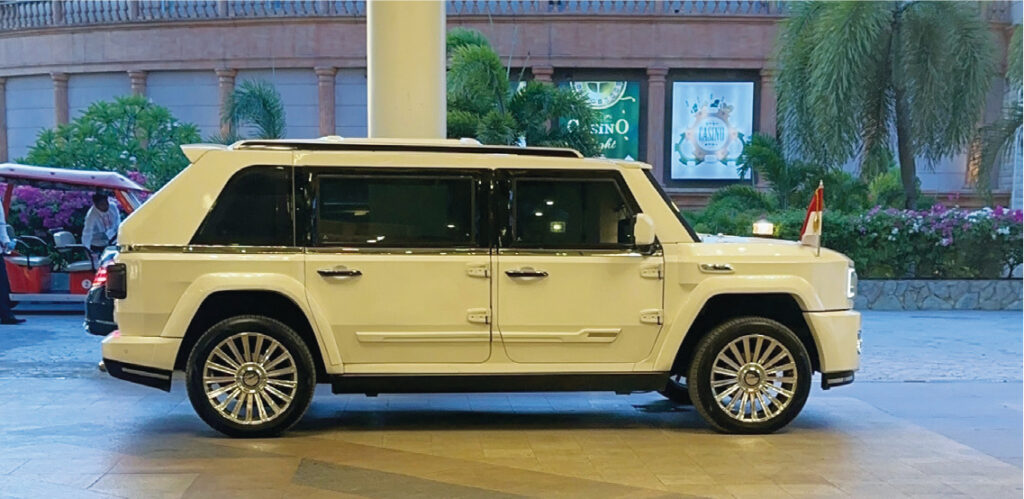
For many people, it may have simply looked like another luxury state vehicle.
But for someone covering the summit up close, it became another reminder of how each delegation brought pieces of their national identity with them.
The vehicle itself drew curiosity among media members and security personnel alike. Sleek, heavily secured, and unmistakably presidential, it reflected Indonesia’s growing emphasis on showcasing its own locally developed technologies and national pride.
I remember instinctively reaching for my phone to document it before the moment disappeared.
That is one thing about summit coverage people rarely talk about.
Sometimes the details that stay with you are not always the major speeches or official declarations.
Sometimes it is a vehicle parked outside a venue.
A brief smile from a delegate.
A tired security officer wiping sweat under the Cebu heat.
Or the realization that you are witnessing history unfold in small, ordinary moments.
FROM TOURISM FORUM TO ASEAN SUMMIT
Last January 2026, I also had the privilege of covering the ASEAN Tourism Forum.
That was my first real exposure to regional diplomacy and the shared concerns of Southeast Asian nations—from tourism recovery to sustainability and connectivity.
The ASEAN Summit felt similar, only heavier.
The issues discussed here carried geopolitical and economic weight: tensions in the South China Sea, the crisis in Myanmar, energy cooperation, regional trade, and food security.
“Nosebleed.”
That was how some colleagues jokingly described the discussions.
And honestly, there were moments when I agreed.
One of the most challenging parts of the coverage came when I had to quickly familiarize myself with issues like the Myanmar conflict, petroleum agreements among ASEAN members, and the proposed code of conduct for the South China Sea.
I spent nights reading backgrounders and policy notes just to make sure I understood enough to ask sensible questions and write responsibly.
At one point, I caught myself rereading briefing notes while half-asleep inside the media center.
But somewhere along the way, I realized something important.
These discussions are not as distant from ordinary Filipinos as they seem.
Fuel agreements affect gasoline prices.
Trade cooperation affects food supply and inflation.
Regional stability affects jobs, tourism, and investor confidence.
The summit may happen inside guarded halls, but its consequences eventually reach wet markets, gasoline stations, sari-sari stores, and household budgets.
And perhaps that realization changed the way I viewed ASEAN.
It stopped becoming just an acronym.
It started becoming deeply connected to everyday life.
TASTE OF CEBU FOR WORLD LEADERS
One thing I did not expect to become deeply interested in during the summit was the food.
But in Cebu, food is never just food.
It is identity, pride, memory, culture, and hospitality all rolled into one.
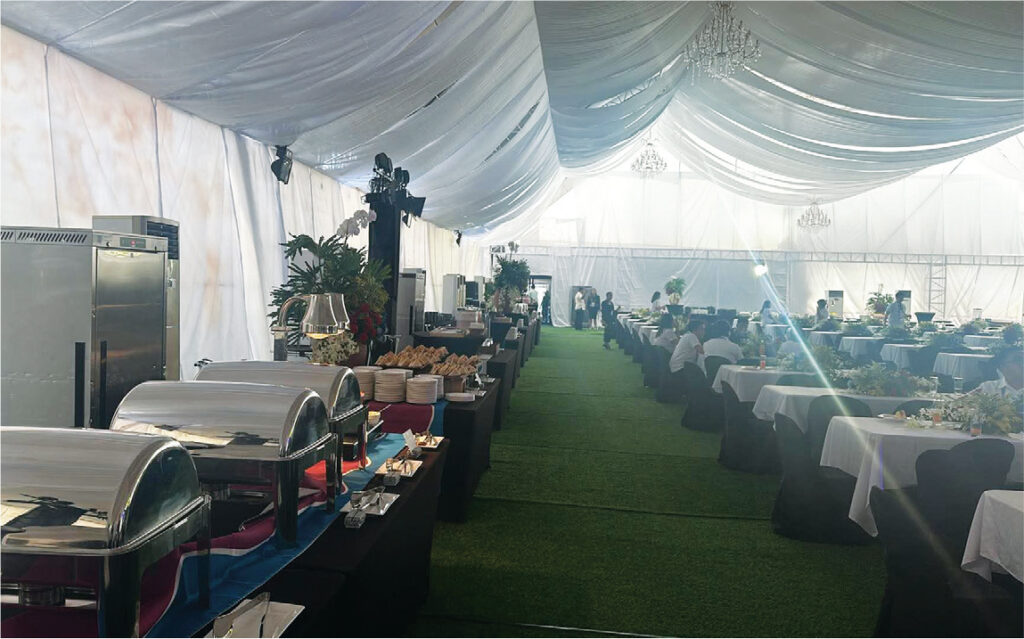
During the summit, entrepreneur Kate Dychangco-Anzani shared with reporters details about the exclusive leaders’ luncheon held at the Mactan Expo Center on May 8.
The menu, prepared by her husband, Chef Marco Anzani, was described as “A Culinary Journey of the Philippines.”
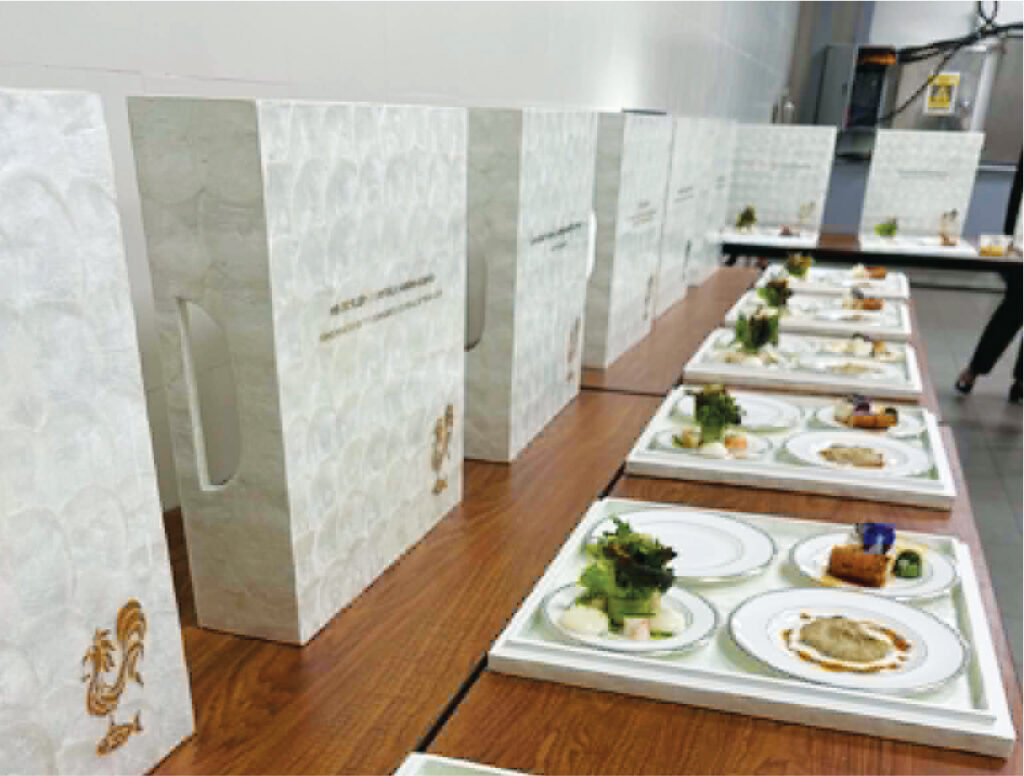
And honestly, hearing the stories behind the dishes made me appreciate the summit beyond politics and diplomacy.
The four-course presidential menu highlighted Filipino ingredients elevated through refined modern techniques.
There was Bukidnon Kitayama beef served with smoked eggplant, white grouper fish fillet on sweet potato strings reportedly requested by President Ferdinand Marcos Jr., adlai risotto, poached lobster medallion, and desserts inspired by Filipino flavors like turon, kalamansi, maja blanca, and rosquillos.
What struck me most was how intentional everything was.
Dychangco-Anzani explained that the menu was never created simply to impress through extravagance. It was designed to tell a Filipino story through food.
Local ingredients were not treated as ordinary ingredients.
They were elevated and presented with pride.
That stayed with me because in many ways, it reflected
Cebu itself during the summit.
Cebu did not merely host ASEAN leaders.
It tried to introduce itself to them.
From the cultural performances to the warm smiles of hotel staff, volunteers, drivers, and organizers, Cebu showcased the kind of hospitality it has long been known for.
Even with the intense security and logistical pressure, people tried their best to make guests feel welcome.
Behind the scenes, however, preparations were far from easy.
Dychangco-Anzani shared that heightened security protocols and diplomatic requirements made preparations extremely challenging.
Different delegations came with specific food restrictions, halal considerations, allergies, and customized requests.
Yet despite the pressure, their team viewed the luncheon as something more meaningful than a formal diplomatic meal.
As she beautifully described it, the gathering became “a table where Southeast Asia didn’t just meet—it connected.”
And perhaps that is what Cebu does best.
It feeds people not only with food, but with warmth.
CEBUANOS: CURIOUS, PROUD, BUT PRACTICAL
Outside the summit bubble, reactions among ordinary Cebuanos were mixed.
Some were genuinely excited that Cebu was once again hosting a major international gathering. There was pride in seeing the city showcased before foreign delegates and international media.
Hotels, restaurants, transport services, and tourism-related businesses benefited from the influx of visitors. Taxi drivers talked about increased bookings. Restaurants became busier. Tourism workers welcomed the economic activity.
For a moment, Cebu felt like the center of Southeast Asia.
But others adopted a less welcome view of the summit.
For many residents, the most immediate effect was traffic.
Road closures disrupted daily commutes. Security restrictions affected businesses. Public conversations often revolved less around diplomacy and more around inconvenience.
Some residents jokingly complained that they spent more time stuck in traffic than understanding what ASEAN was actually discussing.
And honestly, I understood them.
When inflation continues to squeeze household budgets, it becomes difficult for ordinary people to feel emotionally invested in discussions about multilateral cooperation and regional frameworks.
That disconnect lingered in my mind throughout the summit.
Inside the venue, leaders discussed economic resilience and regional growth.
Outside, many Filipinos continued calculating whether their salaries could still cover rice, electricity, tuition, transportation, and basic necessities.
The contrast was impossible to ignore.
And yet perhaps that is exactly why these meetings matter.
Because behind the diplomatic language and carefully crafted communiqués is a region trying to navigate uncertain times together—rising prices, geopolitical tensions, energy insecurity, climate challenges, and economic recovery after years of instability.
Whether ASEAN succeeds in making those discussions meaningful to ordinary people is another question entirely.
THE OTHER SIDE OF THE SUMMIT
But outside the carefully prepared dining halls and polished venues, there were realities that could not be ignored.
One of the most talked-about issues during the summit was the temporary relocation of families living near one of the summit venues.
Authorities said the relocation was necessary because the area fell within the security perimeter for visiting heads of state.
Government officials emphasized that families were provided food, accommodations, and activities during their temporary stay elsewhere.
Some residents even described the experience positively. Still, the situation sparked conversations online about optics, poverty, and what governments choose to show—or hide—during international events.
Another image that lingered in people’s minds was the installation of large curtains and visual barriers along portions of the viaduct near Barangay Pasil in Cebu City, reportedly intended to shield summit delegates from the sight of accumulated waste and informal settlements along the seawall.
Online reactions were divided.
Some understood the move as part of standard preparations for a high-security international summit.
Others criticized it as symbolic of a deeper problem: hiding poverty instead of solving it.
As someone covering the summit on the ground, I found myself conflicted too.
On one hand, I understood the pressure on organizers.
Cebu was under global scrutiny. Thousands of security and emergency personnel were deployed while authorities worked around the clock to ensure smooth logistics and safety for leaders and delegates.
The city wanted to present its best face to the world.
But at the same time, no curtain can permanently hide reality.
The sight of barriers covering communities became, in many ways, a metaphor for the contradictions surrounding the summit itself.
Inside conference halls, leaders discussed economic resilience, regional growth, and inclusive development.
Outside, many Filipinos continued struggling with rising food prices, expensive fuel, low wages, and daily uncertainty.
That contrast followed me throughout the coverage. The ASEAN Summit projected an image of regional unity and optimism.
Yet beyond the diplomatic language were ordinary people simply trying to survive another difficult year economically.
Maybe that is why I kept asking myself throughout the summit: Who are these meetings ultimately for?
And how do we make sure ordinary people eventually feel the benefits of these discussions?
While ASEAN leaders debated the future of Southeast Asia, countless Filipinos remained focused on more immediate concerns—whether they could still afford rice, gasoline, tuition fees, or electricity next month.
Those realities existed simultaneously.
And perhaps understanding that tension is also part of understanding ASEAN itself.
AN UNEXPECTED ENCOUNTER
Personally meeting Timor-Leste Prime Minister Xanana Gusmão was an unexpected moment for me during the ASEAN Summit.
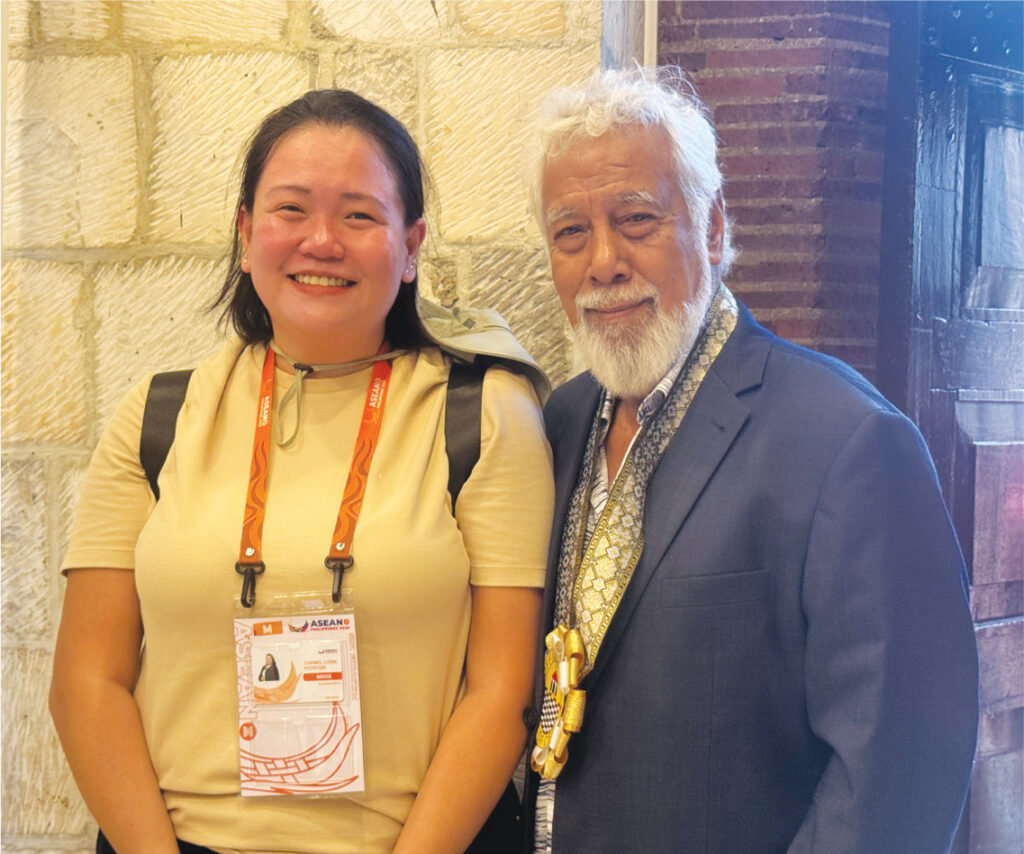
On May 8, after the summit activities, Gusmão and members of his delegation decided to take a quick tour around Cebu City.
At first, I thought it would just be another routine media coverage assignment—take photos, observe from a distance, gather statements if possible, then move on to the next story.
But what happened next genuinely caught me off guard.
As city officials accompanied him on his tour at Fort San Pedro, Gusmão suddenly noticed me near the entrance of the museum area and casually asked another reporter to take a photo of us together.
For a brief moment, I froze.
I honestly did not expect that level of warmth from a leader of a nation.
There was no intimidating aura, no excessive formality.
He carried himself with a kind of quiet simplicity that made him approachable despite his stature.
That short interaction became one of the most memorable parts of my entire ASEAN coverage.
What made the experience even more meaningful was learning more about Timor-Leste itself.
I learned that the country is predominantly Catholic, something that immediately created a sense of familiarity for many Filipinos.
One member of the delegation shared snippets of their culture and traditions, including their woven textile called Tais—a colorful handwoven cloth deeply connected to Timorese identity and heritage.
I also learned about the Uma Lisan and Uma Lulik, traditional sacred houses that hold cultural and spiritual significance in Timorese communities.
Gusmão gifted Cebu City officials with Tais, while handing a miniature Uma Lulik to Mayor Nestor Archival as a token of appreciation.
He and his delegation also visited Basilica Minore del Santo Niño and explored Cebu’s historic sites as first-time visitors to the city.
In one interview, Gusmão jokingly described Cebu as a “very hot” place.
But he also promised to help promote it as a tourism destination.
Listening to these stories reminded me how Southeast Asia, despite its diversity, shares deep respect for family, ancestry, faith, and tradition.
To be honest, before the summit, my knowledge of Timor-Leste was very limited.
But after that encounter, I found myself reading more about Gusmão’s biography later that evening.
And the more I read, the more respect I gained for him.
Before becoming prime minister, Gusmão was internationally known as a revolutionary leader who fought for Timor-Leste’s independence from Indonesian occupation. He spent years imprisoned because of that struggle and eventually became one of the defining figures of his nation’s history.
Knowing all of that made our brief interaction feel even more surreal. There I was—a Cebu-based business reporter trying to survive ASEAN deadlines and lack of sleep—suddenly sharing a photo moment with someone considered a founding father of his country.
It reminded me that beyond the official meetings, prepared speeches, and diplomatic jargon, these summits are also about people and stories.
And sometimes, the most unforgettable moments happen outside the conference halls.
As for me, I left the summit exhausted, sleep-deprived, and carrying far too many notes inside my bag.
But I also left with a deeper appreciation of how complex—and deeply human—regional diplomacy really is.
Somewhere between the formal speeches, the hurried media deadlines, and the unexpected encounters, ASEAN stopped being just an acronym to me.
It became personal.
Written by Carmel Pedroza. Published in the May 2026 Special ASEAN Issue of the Philippines Graphic.

Started in 1927, the Philippines Graphic is the longest-running printed magazine of national circulation that provides relevant news and features and promotes Philippine literature.

 Summit in Cebu this May 2026.)