
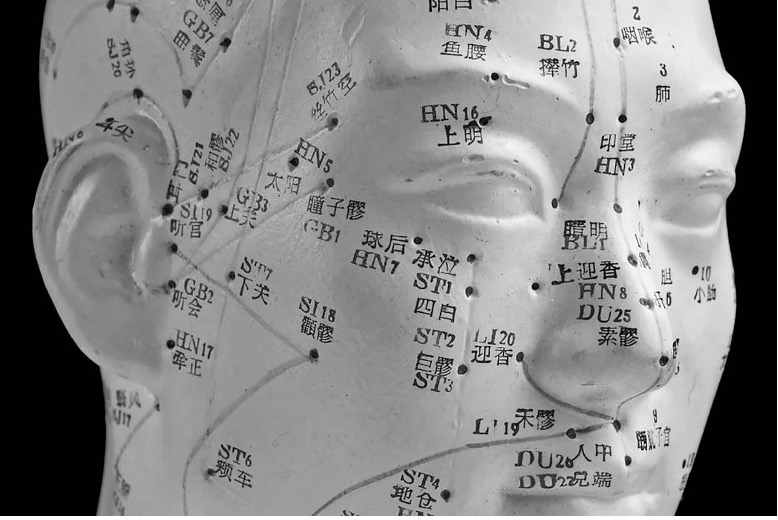
The virus made everyone cower inside their houses—windows taped shut as if air and light were poisonous and doors locked tightly as if to shut out more than just a robber but rather the entire world. Every day people are reminded of the slogan the virus had made: No human touch is safe. Every day people were glued to their television, radio, and phone—all hoping to hear a single miracle. The virus affected the whole world, and yet no one could help one another. Everyone feared human touch—everyone stopped being human. No one cared about the gas prices. No one cared about inflation. No one cared about climate change. Everyone just simply hid from one another, waiting until a cure came.
Then it happened on a single random day. There was a glacier that housed hundreds of bacteria, viruses, and fungi found in the underground of Romania—thawed because of the climate change. The researchers near the lab believed it could cure hundreds of diseases, and hopefully it could defeat the virus. It made everyone excitedly wait and wish for time would go fast…until a radio announcement came, all at the same time in every part of the world: vaccine was created. Everyone cheered, all eager, because finally, everything was going back to its roots.
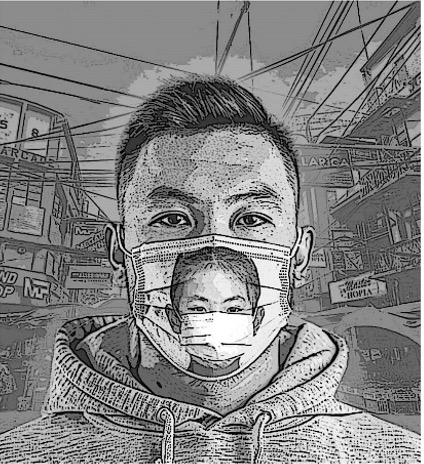
Finally, the darkness was conquered. Human bodies became normal, however slow the progress, adjusting to the vaccine. The vaccine became the healer, especially when it was slowly driving its way into the body.
We had been here before.
We didn’t announce ourselves, we didn’t make the body panic and fight. We had learned. Across centuries compressed into ice, patience had become our only hope and instinct.
The body was generous; it opened every door.
We spread the way we always had— not rushing, but branching—reading the body chemistry the way we always had. Finding the soft places between cells and spaces between roots. We tasted the bloodstream and recognized the old map. It was the corridors we had always known. The warm darkness we had always preferred. All body systems welcomed us. The immune system had already been told: this was the cure. And the body, so desperate to believe someone, believed.
We did not fight. We never needed to.
Then, the brain—the last and strongest host. And how funny, because no vaccine had ever done this before. We successfully raided the brain. We successfully made everyone walk under the heat, and jump over the cliff. We had done this before—to smaller…more fragile targets, but the mechanism was the same: signals unknowingly threading into motor function, the host walking where we directed, fooling its own autonomy.
And we waited again. The clump of us would freeze again. And we would wait again—until panic would take over and recklessness would win—because we would win, once again. Over and over.

Angelia Jeana C. Borlongan
Angelia Jeana C. Borlongan, 21, is a third-year Bachelor of Arts in Philosophy student at the University of the Philippines - Los Baños. She is pursuing a specialization in English alongside her degree. Her interests include Feminist philosophy and Practical Ethics.