

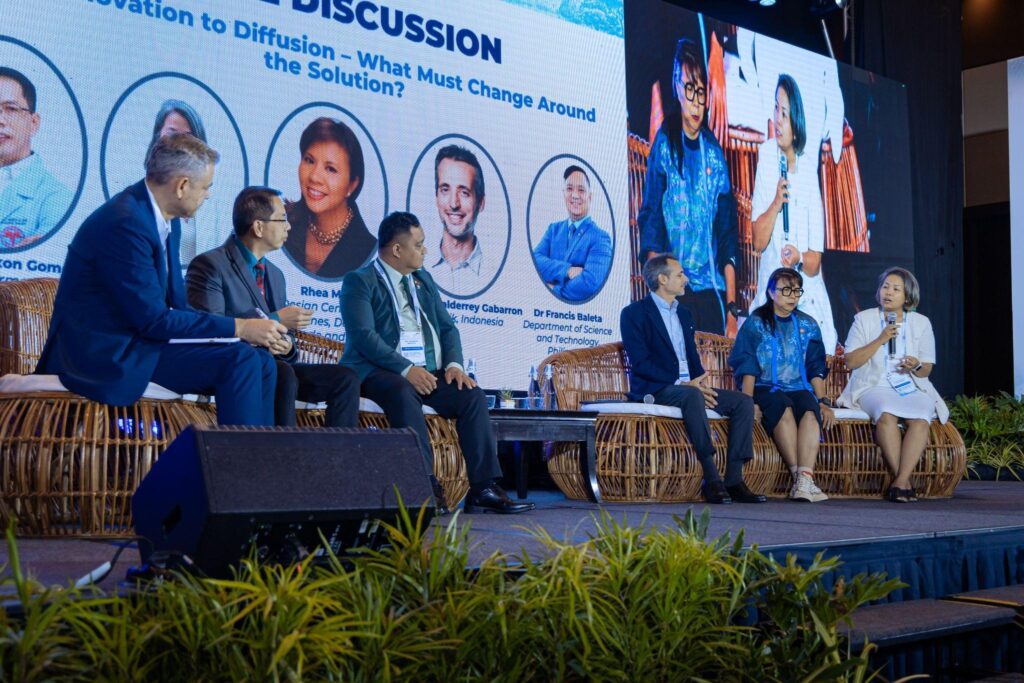
VIA GRAPHIC PLUS | Makati City — Regional leaders and industry innovators were urged for an inclusive, market-wide, systemic transformation to scale circular economy initiatives across Southeast Asia during the ASEAN Regional Dialogue on Circular Economy (ARDCE), Sept. 23, 2026.
In a session co-led by the Department of Science and Technology (DOST) and the United Nations Development Programme (UNDP), circularity is said to be achieved when initiatives, innovations, and theoretical research move from isolation towards wider markets and policies.
“Our goal is […] to move circular solutions into mainstream economic activity and to build a wider ecosystem where these solutions will thrive,” said Leah J. Buendia, DOST Undersecretary for Research and Development.
Often defined as an economic model aimed at eliminating and recycling waste, ASEAN experts viewed it as a shift toward sustainably designed, produced, consumed, and valued goods and services.
To approach this shift, Buendia weighed in on establishing new paradigms through technologies, enterprises, business models, and supportive ecosystems, alongside adapting existing systems to propel these into widespread market transformation.
Recycling and upstream design
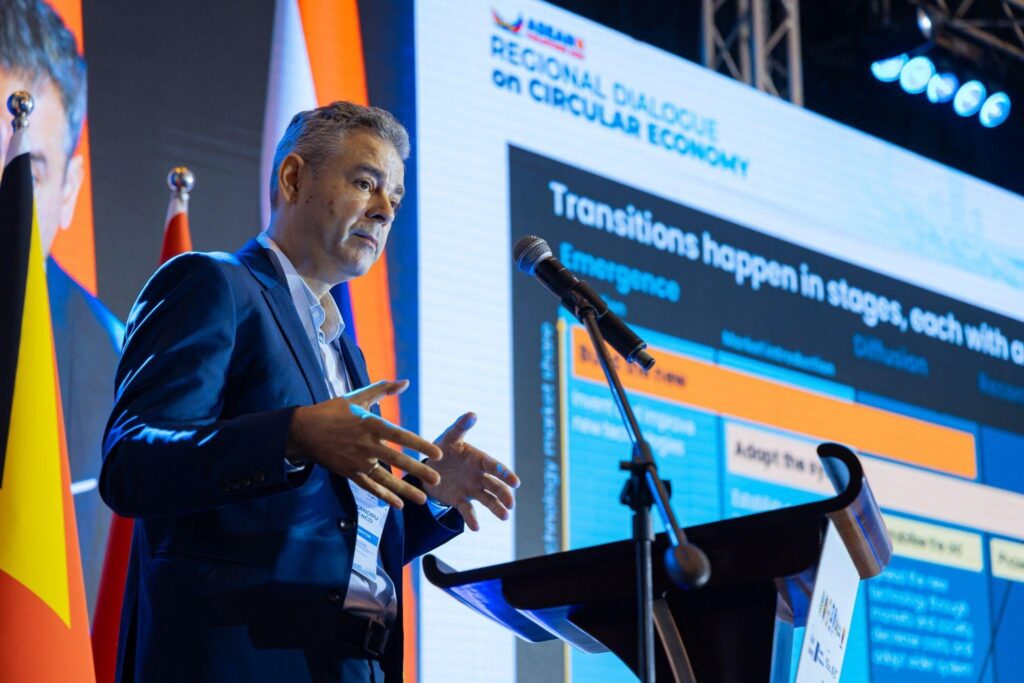
UNDP’s Alexandru Oprunenco also shared that the transition must go beyond recycling but start by preventing waste at its source.
On the same note, Rhea Matute, executive director of the Design Center of the Philippines under the Department of Trade and Industry (DTI), believed circular design is a frontline in the green transition.
This reduces waste at the source rather than relying on downstream recycling or treatment, especially since study showed 80 percent of environmental pollution and 90 percent of manufacturing costs are decided as early as the design stage.
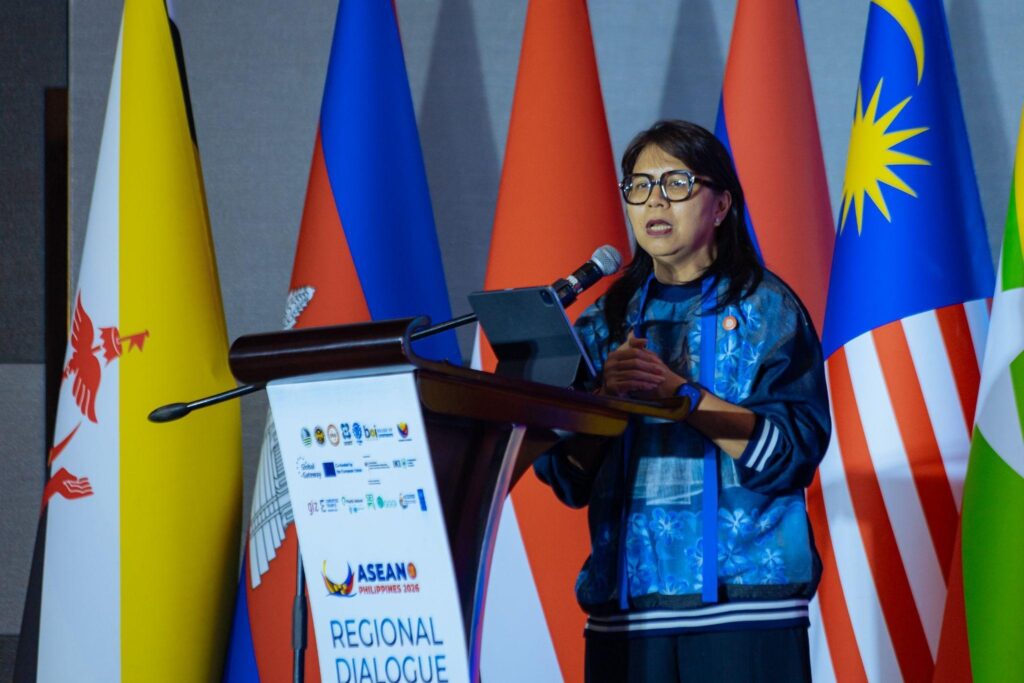
“Design is also about employing a human-centered approach, public service, and policy development, as well as empowering Philippine communities to make better decisions [such as] regarding housing, climate action, disaster recovery, and community development,” she emphasized.
Among the circular flagship programs of the DTI is Pinyapel, a locally manufactured pulp paper, textile, bioplastic, and packaging material upcycled from pineapple leaf waste, which accumulates up to 1.2 million tons in the Philippines.
The DTI also initiated the National Design Policy for 2025 to 2030, a framework to embed circular design as a discipline across government agencies, local enterprises, and communities, along with their rally for the National Circular Economy Law.
Resource conversion and inclusivity
Meanwhile, Richard Nixon Gomez of the BauerTek Farmaceutical Technologies Corp showcased his initiative of establishing provincial model farms in partnership with state universities, DOST, other government agencies, and local government units (LGUs).
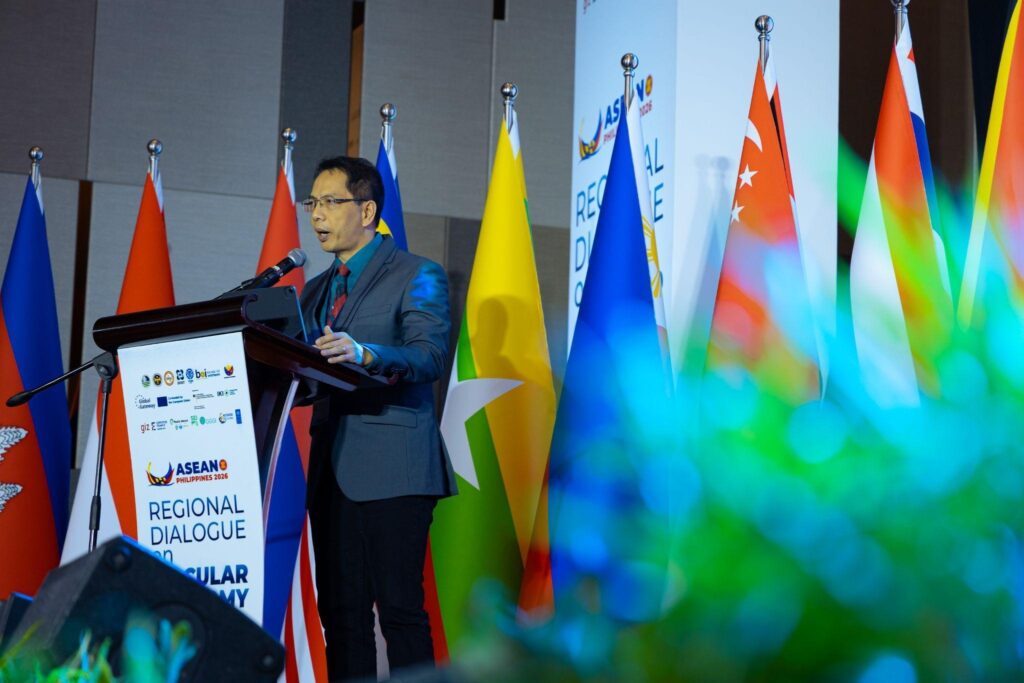
These offer farmers a guaranteed buy-back for high-value pharmaceutical crops such as Malunggay, and convert unused crop stalks and stems into biocharcoal and compost, utilizing nearly all of the plant matter—underscoring circularity.
“Now, for the Philippines, it strengthens local agricultural production and supports community-based livelihoods. It builds a more resilient and sustainable supply chain,” Gomez said.
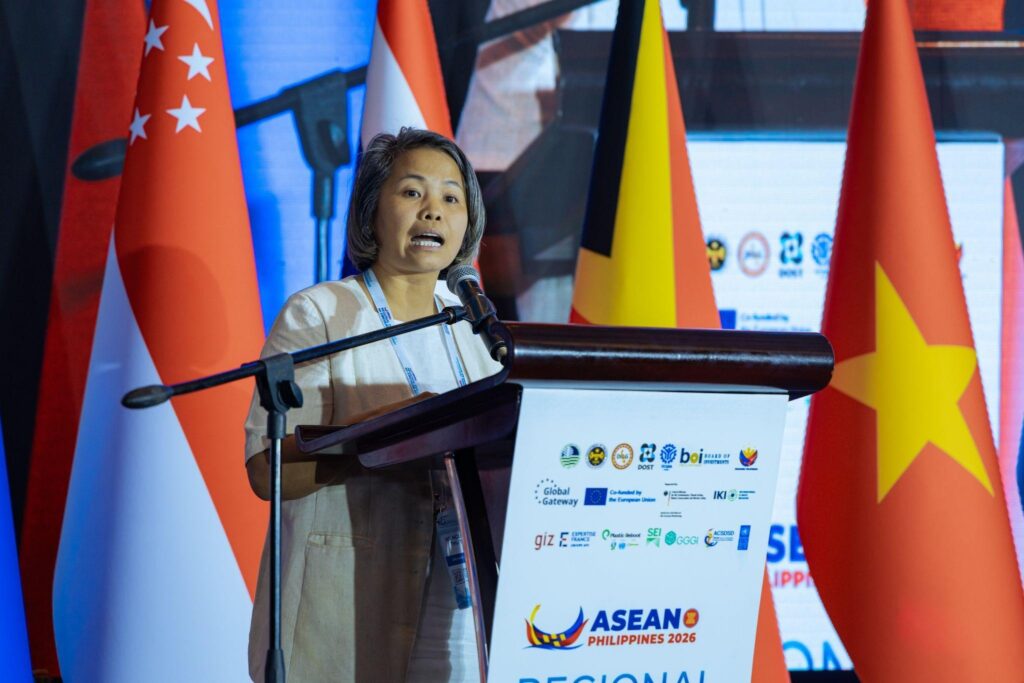
Emphasizing inclusivity, Trang Nguyen, co-founder and director of GreenU Social Enterprise and GreenHub in Vietnam, focused on last-mile supply chains, highlighting that corporate sustainability targets often fail on the ground level.
The GreenHub, in cooperation with UNDP, operationalized these targets into practical standards, amplifying collection of 2,000 tons of plastics while equipping informal waste pickers with fair wages, protective gear, health insurance and formal recognition they once lacked.
“Inclusive ecosystem is the real job formation, and if we want to scale solution devices, we must scale the ecosystem—not just the project,” Nguyen emphasized.
Behavioral intervention
Kopernik Indonesia’s Oscar Casalderrey Gabarron, on the other hand, reported that awareness campaigns only drive short-term behavior change and that long-term adoption relies strictly on convenience, price, competitiveness, availability, and visual appeal.
Hence, Kopernik, through their effort, addressed their local findings wherein more than 3 in every 5 Indonesians prefer repair over replacement but rarely repair items through accessible, attractive community workshops.
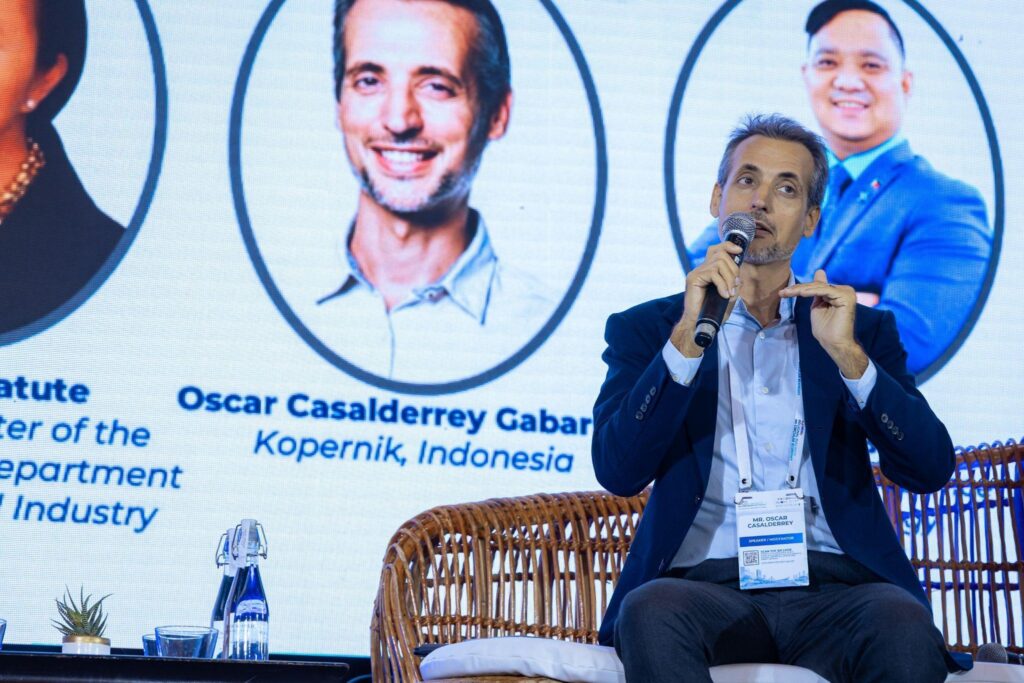
“We have combined that with convenience, so people continue using the practice price competitiveness. Otherwise, people will just buy a new item while repairing. People need to be proud of doing this initiative and repairing those problems,” he said.
Gabarron urged to approach solution-making through lean experimentation, a methodology of running rapid, data-driven, small field tests to evaluate circular economy efforts prior to committing large capital or full-scale rollout.
“This is just to see if there is a strong signal that a particular solution would be effective or not to solve a specific challenge, and by sharing both successes and failures, we will drive collective action to replicate and scale up the most effective ones,” he added.
Operationalizing innovation and ways forward
The DOST also launched its program in this initiative, the Science, Technology, and Innovation for Circular Economy (STI4CE) framework, which co-designs circular technologies directly with local communities.
“These technologies are deployed and adopted by the Filipinos to improve production and importantly, resource efficiency,” Usec. Buendia mentioned.
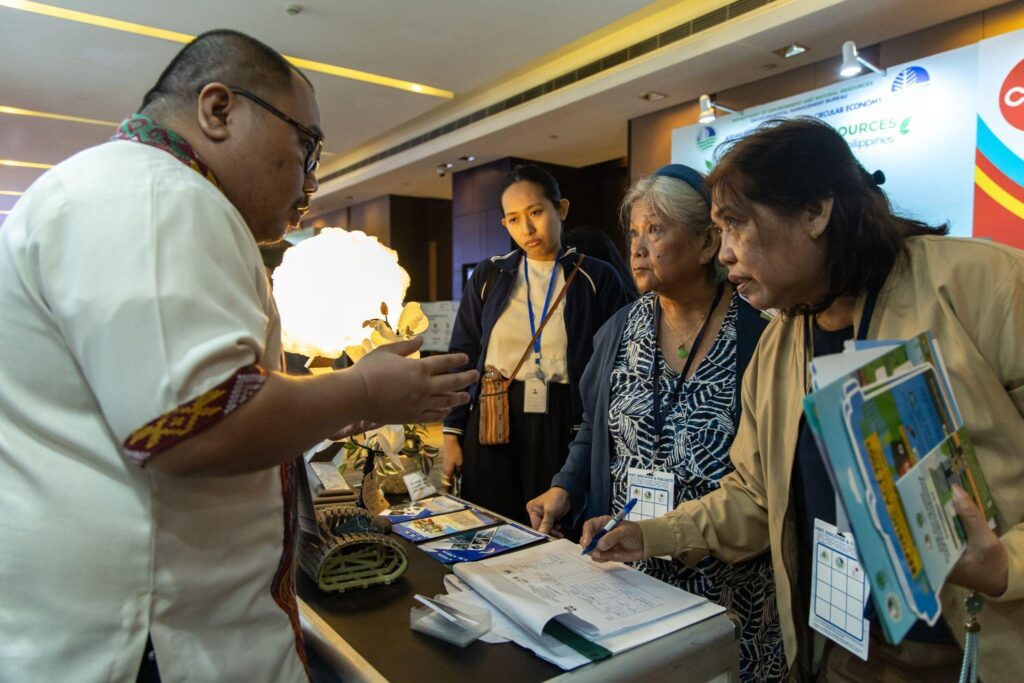
Of these, the DOST-Industrial Technology Development Institute (DOST-ITDI) produced various innovations that use natural and unconventional materials to become other products to be used in various applications.
This includes the natural fiber thermoplastic composite (NFTC) that is used for furniture, packaging, and other products; panel boards from recycled multilayer plastics; and green packaging laboratory that uses bio-based materials—which were displayed on the exhibit during the ARDCE.
Encompassing these circular initiatives, Dr. Francis Baleta, the program lead for circular economy in the DOST, mentioned that they need to be converted into practical, accessible tools for micro, small, and medium enterprises (MSMEs) and local communities can adopt.
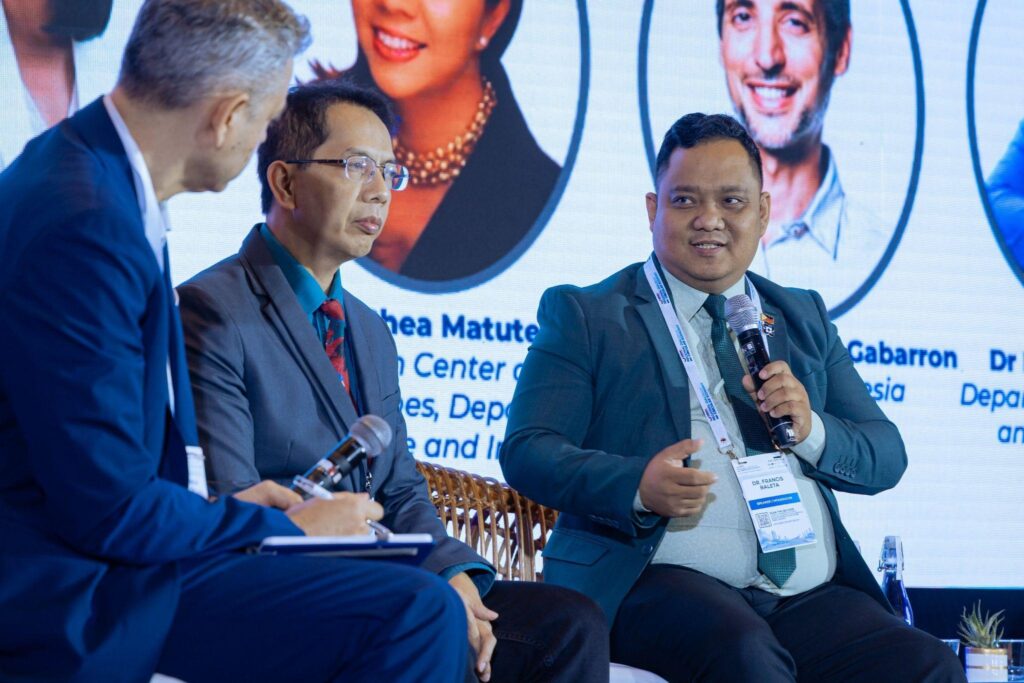
“We need to embed a circular economy in our educational system. […] We need to support this. We need to intensify and integrate the circular economy principles into our sectors,” he campaigned.
Meanwhile, the experts call for strengthening regional ASEAN collaboration to include establishment of cross-country funding and initiatives for research and development to open solution catalogs and market-sharing hubs to achieve a circular economy.
“While the circular market may initially be very limited, but maybe through exchanges within the ASEAN region, these are like markets that we can maximize to push forward with the circular agenda,” Matute said.
The ARDCE is co-organized by DOST and the Department of Environment and Natural Resources (DENR)—represented by Assistant Secretary for Development Cooperation Rodolfo J. Calzado, Jr.—with support from the Department of Interior and Local Government, DTI, European Union–Philippines Green Economy Partnership, GIZ, UNDP, Global Green Growth Institute, ASEAN Centre for Sustainable Development Studies and Dialogue, Expertise France, and the Plastic Reboot Programme.
The collaboration of the Department of Science and Technology (DOST) with partner stakeholders is aimed at providing science-based, innovative, and inclusive solutions across four strategic pillars: human well-being, wealth creation, wealth protection, and sustainability. These pillars embody the mantra OneDOST4U: Solutions and Opportunities for All.