

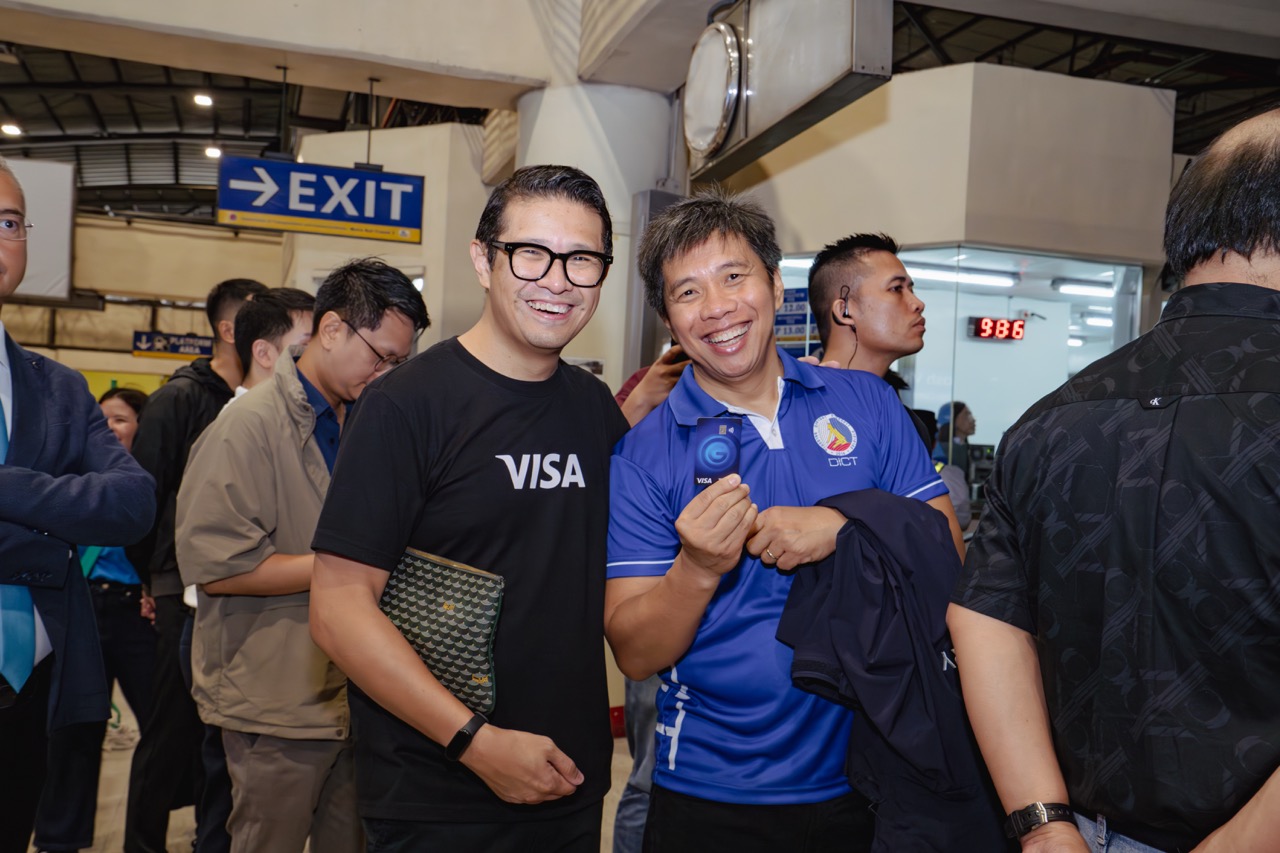
Contactless fare collection across MRT-3 could potentially boost ridership by up to 10%, supporting tourism, digital inclusion, and economic growth in the Philippines
Philippines, July 28, 2025 – Visa (NYSE: V), a global leader in digital payments, is driving economic growth and promoting tourism and financial inclusion in the Philippines with the launch of automated, contactless fare collection systems across Metro Rail Transit Line 3 (MRT-3). This modernization initiative, in partnership with the Department of Transportation (DOTr) and industry collaborators, marks Visa’s third major transit project in the country and will benefit over 350,000 daily commuters.
Seamless mobility powers economic growth
With digital infrastructure now in place at all 13 MRT-3 stations, commuters can enjoy faster, more secure journeys using Visa cards, QR codes, and NFC-enabled devices. According to the Visa Economic Empowerment Institute, open-loop, contactless systems in public transit could potentially boost ridership by up to 10 percent[1]. This upgrade streamlines passenger flow, reduces wait times, and supports economic activity by making urban mobility more accessible.
“Modern, seamless payment systems are essential for vibrant urban economies. Upgrading fare collection not only improves commuter experiences but also attracts investment and productivity by making Metro Manila more connected and efficient,” said Jeffrey Navarro, Visa’s Country Manager for the Philippines.
The shift to contactless, interoperable payments aligns the Philippines with the world’s most advanced urban centers. According to the Visa Global Urban Mobility Survey, 58% of commuters in Asia Pacific want to use a single payment method for all modes of transportation, while 96% already expect contactless payments to be available for public transit[2]. By meeting these global standards, the MRT-3’s new fare collection system positions Metro Manila alongside Tokyo, Singapore, Bangkok, and other leading cities worldwide in terms of convenience, innovation, and commuter experience.
Promoting digital and financial inclusion
This initiative is part of Visa’s broader commitment to advancing digital and financial inclusion in the Philippines. By enabling commuters to use their cards and smartphones – tools already familiar to many–Visa is bridging the gap for unbanked and underbanked Filipinos and expanding access to digital financial services.
“Digitization in public transport doesn’t just make commuting easier; it opens doors to financial empowerment for millions of Filipinos. Inclusive mobility solutions ensure everyone, regardless of background, can participate in our growing digital economy,” Navarro added.
Supporting tourism growth through modern transit payments
The new cashless system also removes barriers for international and local tourists, who increasingly expect seamless, card-based payments when traveling. According to the Visa 2023 Global Travel Intentions Study, 97% of Asia Pacific travelers bring cards on their trips, but 44% of visitors to the Philippines have faced payment issues, often due to limited card acceptance[3].
“Tourism thrives on convenience. By upgrading our transit payment systems, we make it easier for visitors to explore our cities, spend more, and recommend the Philippines as a modern, tourist-friendly destination,” Navarro said.
Expanding reach: From Metro Manila to regional hubs
The MRT-3 upgrade follows Visa’s successful cashless transit projects in Cebu, Mandaue, and Bacolod, where over 1.4 million residents and visitors benefit from contactless payments in modern jeepneys. With more than 870 tap-to-ride transit projects globally, Visa continues to deliver innovative mobility solutions that advance economic development, support inclusive growth, and position the Philippines as a global leader in smart, sustainable urban infrastructure.
[1] Visa Economic Empowerment Institute. (2023). Reimagining ridership: Open-loop payments and the future of urban mobility. https://usa.visa.com/content/dam/VCOM/regional/na/us/sites/documents/veei-reimagining-ridership.pdf
[2] Visa. (2023, October 5). Choice, convenience, contactless: The future of public transit in Asia Pacific. https://www.visa.com.sg/about-visa/stories/2023/choice-convenience-contactless-future-of-public-transit-in-asia-pacific.html
[3] Visa. (2023). Global Travel Intentions Study. https://usa.visa.com/partner-with-us/visa-consulting-analytics/economic-insights/chinas-reopening-sets-global-travel-on-path-to-full-recovery-in-2023.html

Started in 1927, the Philippines Graphic is the longest-running printed magazine of national circulation that provides relevant news and features and promotes Philippine literature.

. This modernization initiative, in partnership with the Department of Transportation (DOTr) and industry collaborators, marks Visa’s third major transit project in the country and will benefit over 350,000 daily commuters.)