

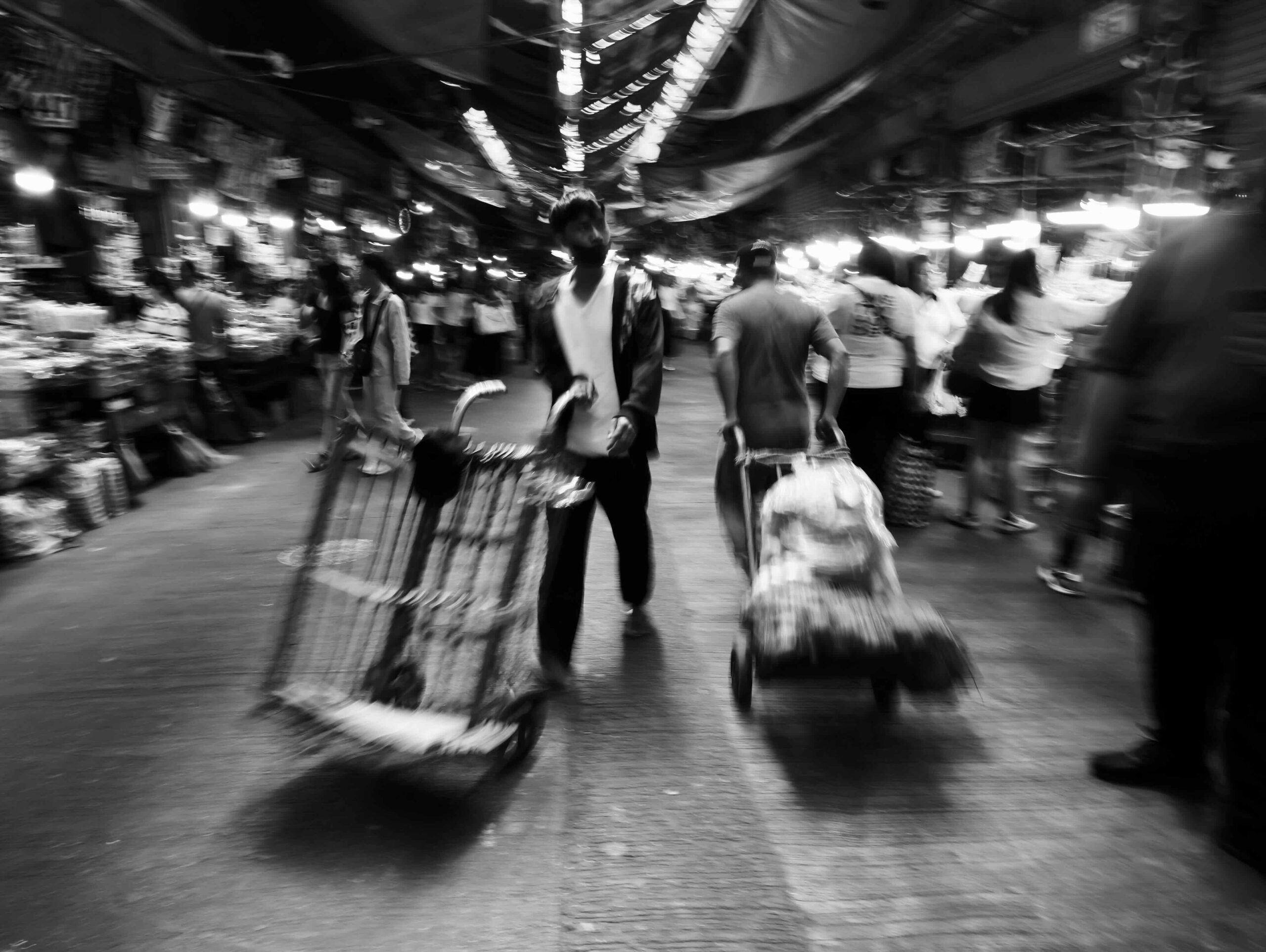
Going to Baguio always feels like going there for the first time.
This time, I went alone. In the past, my trips were almost always work-related, usually on assignment. There was always an event to cover, a deadline to meet, or a photograph to deliver.
In the 1980s, Baguio was one of the places where we covered the President during the Philippine Military Academy’s graduation ceremonies, or Philippine Open golf tournament. Back then, our job was to document the event, capture the important personalities and make sure we got the pictures our editors needed.
Years later, I helped organize the oath-taking of photojournalists and members of the Cordillera press corps, including members of the Baguio Media and Press Club, who were also affiliated with the Press Photographers of the Philippines (PPP).
We invited former First Gentleman Atty. Mike Arroyo, himself an established photographer, to the event. We also invited Erik de Castro, a Baguio-born photographer who would later become known for his work with Reuters. He is now based in Mindoro.
But even then, I never really had the luxury of exploring Baguio on my own.
There was always fellowship with friends, conversations with fellow journalists and, of course, the obligatory photographs. You would get a glimpse of Session Road, drop by Luisa’s or Rumors, and perhaps manage a few frames before it was time to move on to the next engagement.
You could not photograph everything your colleagues had photographed. You could only make the most of the time you had.
Looking back, one of my strongest memories of Session Road was the occasional commotion outside bars like Luisa’s and Rumors, especially near closing time. There were arguments, sometimes fights, between locals and tourists. That was the impression the street left on me nearly four decades ago.
But that was Baguio as I remembered it.
FOOLS ON THE HILLS
Baguio was once a city where you could walk from Session Road to Burnham Park, explore the downtown streets and discover something along the way. For destinations farther out, such as Quezon Hill, Aurora Hill and Quirino Hill, you could take a jeepney.
It was a city that seemed to invite you to slow down.
But Baguio has grown. Traffic has become heavier, neighborhoods have become denser, and the familiar landscape of pine trees and cool mountain air now shares space with the pressures of urban development.
The City of Pines remains a gathering place for people from different parts of the Cordillera and neighboring provinces. In its streets, markets and public spaces, one encounters people of Igorot heritage, Ilokanos from the highlands and lowlands, and communities from Benguet, Abra, Apayao, Ifugao, Kalinga, Mountain Province and beyond.
Baguio is more than a destination. It is a meeting place, a commercial center and a crossroads of cultures.
Every year, visitors arrive for the Panagbenga flower festival in February and the Cordillera Festival of Festivals in October. Others come for the arts, the food, the familiar places and the opportunity to escape the heat of the lowlands.
With the holiday season approaching and concerns over a potentially severe El Niño adding pressure to water supplies, the city’s appeal as a cool-weather destination also raises difficult questions. How does Baguio accommodate its residents and the steady influx of visitors without placing even greater pressure on its resources?
These are the kinds of stories local journalists have been following: the city’s efforts to mitigate the effects of extreme heat, conserve water and prepare for the demands of a growing population.
But I wanted to see the city again, this time through my own lens.
A CHANCE PASSENGER TO BAGUIO
“Pupunta ako sa Baguio, upang magpalamig ng ulo.”
That was the song playing in my earbuds as I made my way to the city: “Mamasyal sa Pilipinas,” from Juan dela Cruz Band’s second studio album, Himig Natin, released in 1973.
I had no online booking, only the hope that I could get a seat on a bus and arrive in Baguio by 9 a.m. The night before, I left Cainta for Victory Liner before 8 p.m. It was a Saturday, and the ticketing service was already closed. Fortunately, there was a priority line for senior citizens, and I managed to get a seat as a chance passenger.
Presto! Baguio, here I come.
My reason for making the trip was the photojournalism program of the 30th edition of WORD CUP, held at the Girl Scouts compound. My task was to help students understand the fundamentals of photography, particularly composition and the exposure triangle: aperture, shutter speed and ISO.
It was a project 30 years ago from Eugenio Sonny Ochoa Calapit, Ana Contreras Calapit and several teacher journalists from their College Editors Guild of the Philippines (CEGP) days teaching and mentoring younger generations of campus journalists and school paper advisers (SPA).
The last day of the three-day event was highlighted by the presence of National Artist for Film Eric Oteyza de Guia, better known as Kidlat Tahimik. He has turned 84 last October 3.
The photo opportunity was help arranged by veteran sportswriter and editor Manolo Pedralvez of Malaya. The 100 meter dash and relay event brought together students who would participate in photojournalism, mobile journalism, news video production and sports writing.
My job was to teach, encourage and coach the young campus photojournalists. I wanted them to understand not only the technical aspects of photography but also the responsibility that comes with being asked to document an event, a place or a community.
How do you approach a scene? What should you look for? How do you make a photograph that communicates something beyond what is immediately visible? What technique and basic composition you will need to convey a message and make it to the pages of your campus publications?
I spoke to them about becoming the best photojournalists they could be. Some of their work was very promising, and it was encouraging to see young people discovering what a camera could do when paired with curiosity, patience and a sense of purpose.
For a few hours, I was back in the classroom, sharing what years of assignments and deadlines had taught me.
But once the talks were over, another assignment awaited me—one I had given myself.
FINDING POETRY IN THE PUBLIC MARKET
About two years earlier, my journalist-friend and travel companion, Riza Zuniga of Pilipino Mirror, and I had gone to Baguio for the opening of Sa Pisngi ng Langit, a photography exhibition featuring the work of Luis Liwanag and 17 other photographers, his circle of photo-walk companions, close friends and students, collectively known to some as the “Usual Suspects.”
The exhibition was held at Luisa’s Café, a Baguio institution whose history stretches back to the late 1950s.
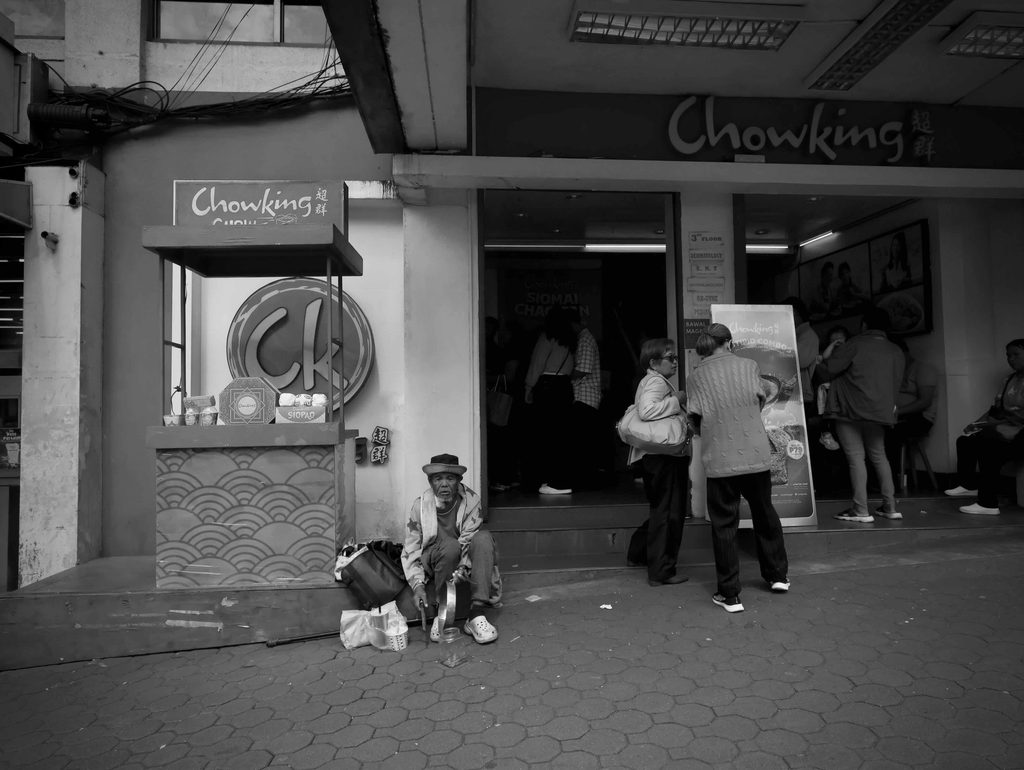
Luisa’s is more than a place to eat. Its heirloom mami and siopao, associated with the legacy of Luisa She Wong, are part of its appeal, but so is the atmosphere. Artists, journalists, photographers and old friends have long found a place there to eat, exchange stories and enjoy one another’s company.
It has become a kind of watering hole for people who have made Baguio part of their lives. For a journalist, such places are valuable. Conversations begin over coffee or a bowl of mami, stories are exchanged, and memories that might otherwise disappear are kept alive.
The Domingo family—Voltaire, Mheng and my inaanak Ajna—treated me to a sumptuous breakfast at Venus Parkview Hotel. The food selection was excellent, and the entertainment provided by a veteran musician and singer added to the experience. There was a comforting mix of Original Pilipino Music, jazz and familiar standards.
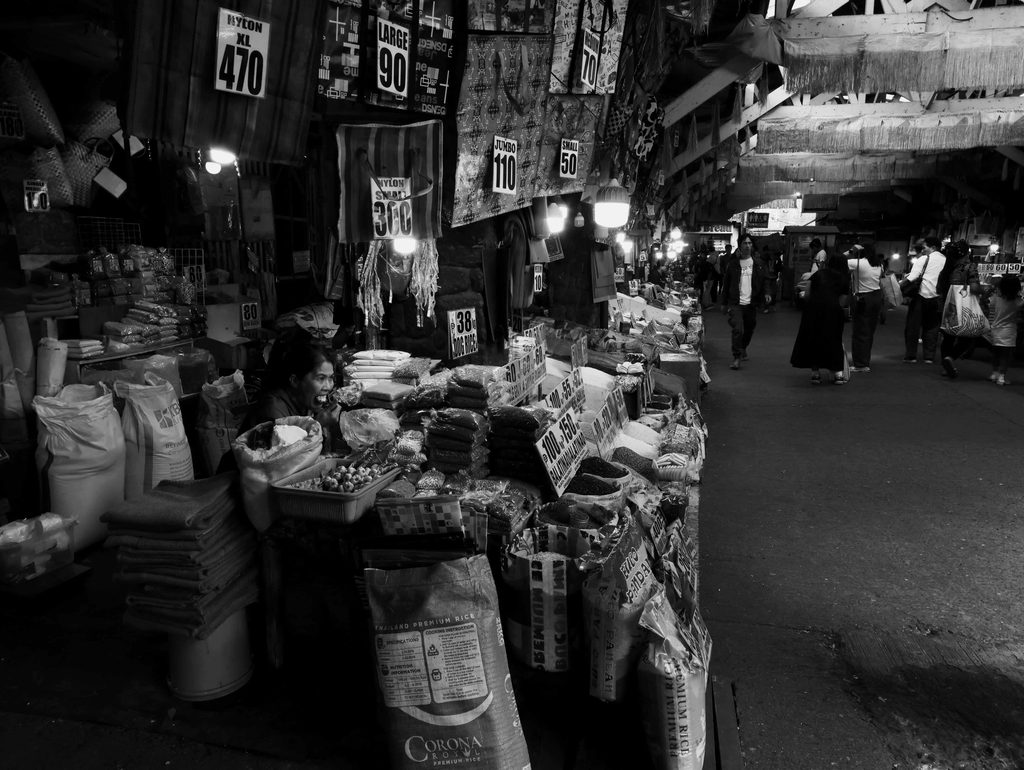
After breakfast, they took me to the Baguio City Public Market, showing me its alleys and explaining how to find my way around.
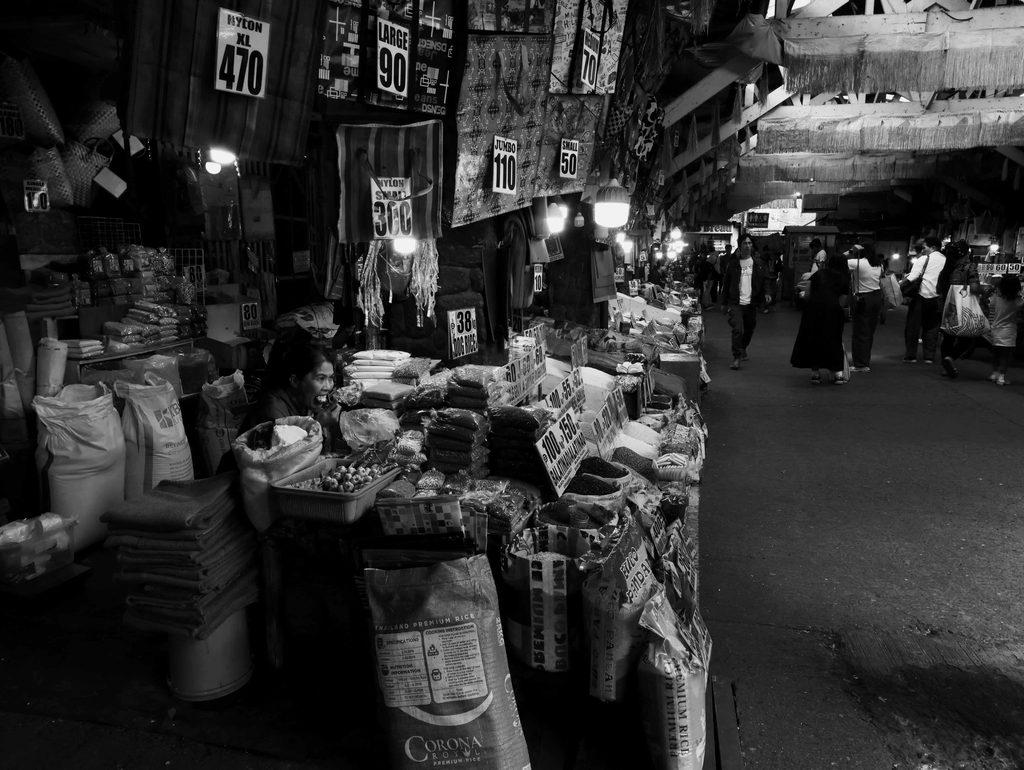
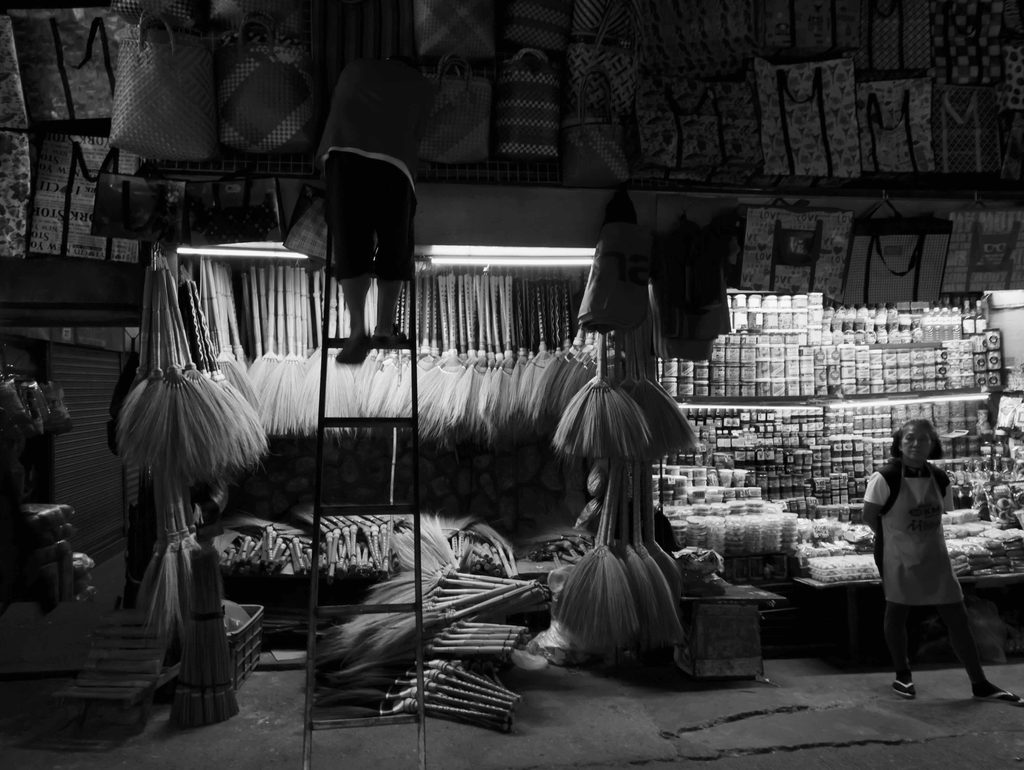
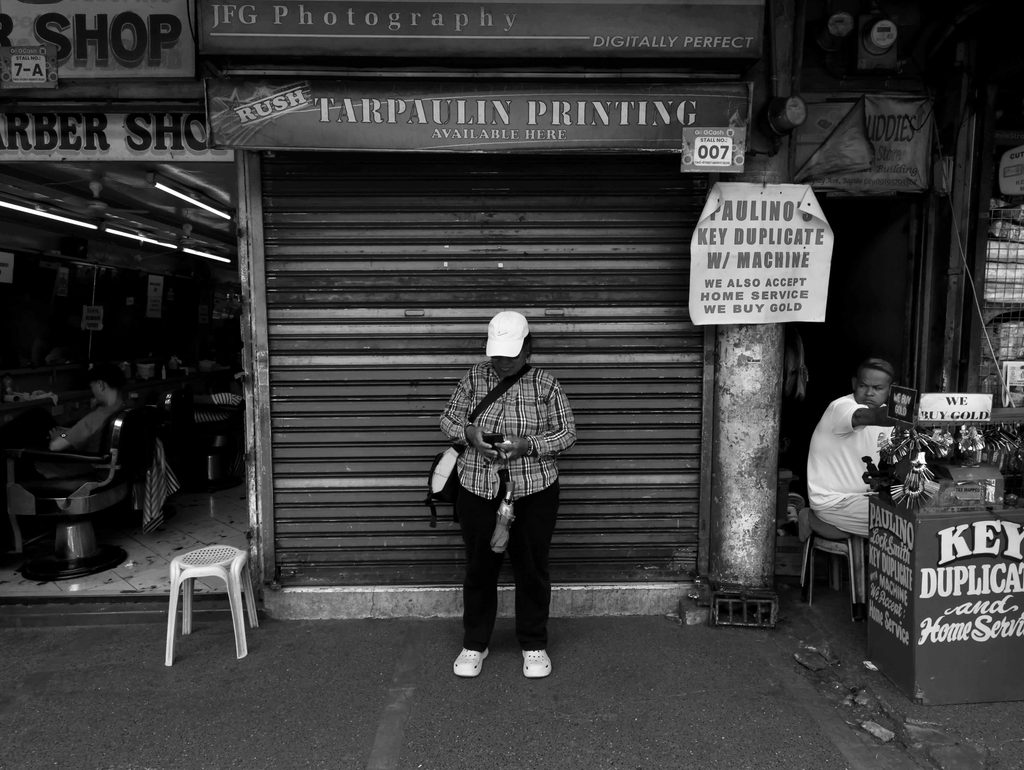
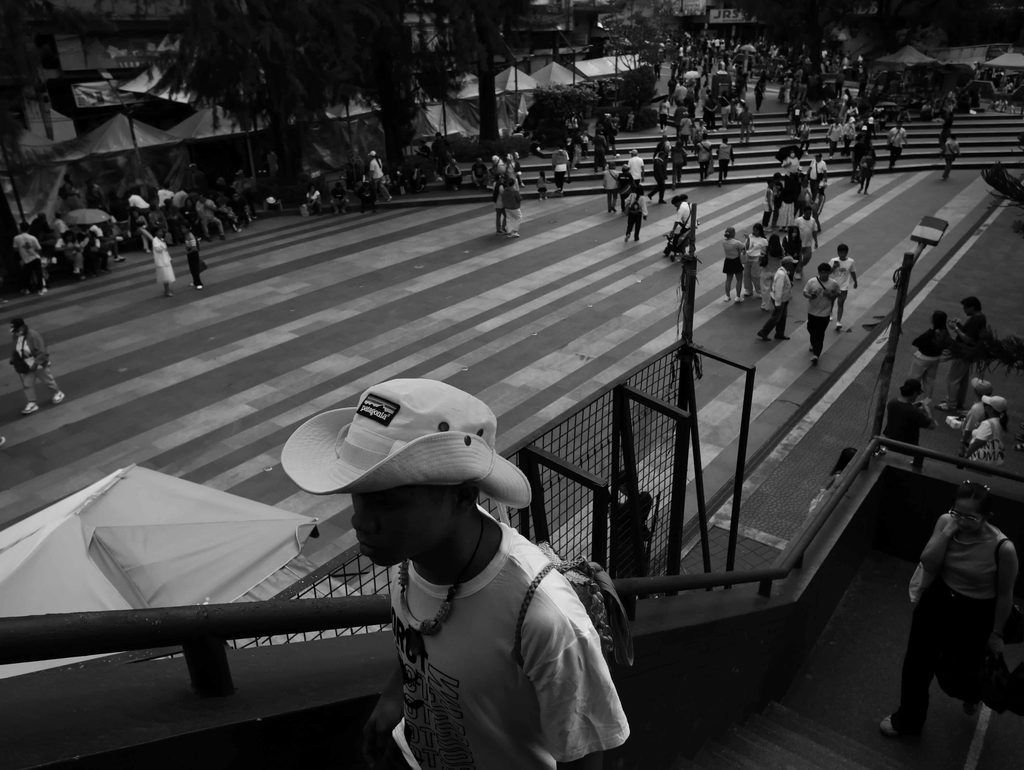
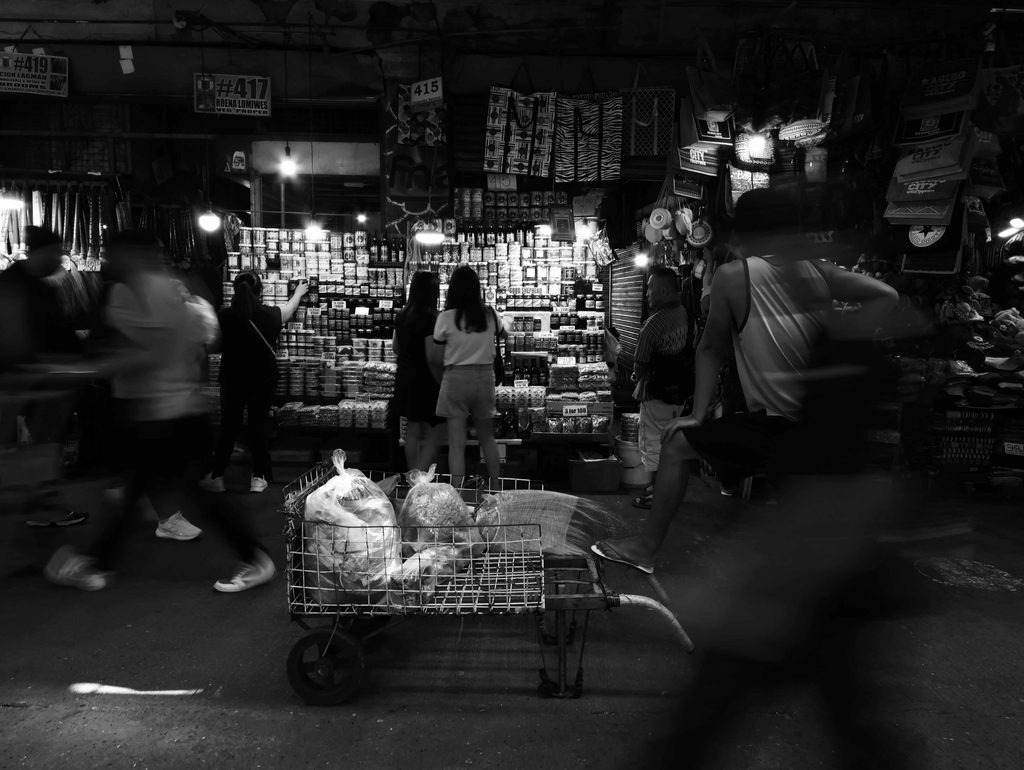
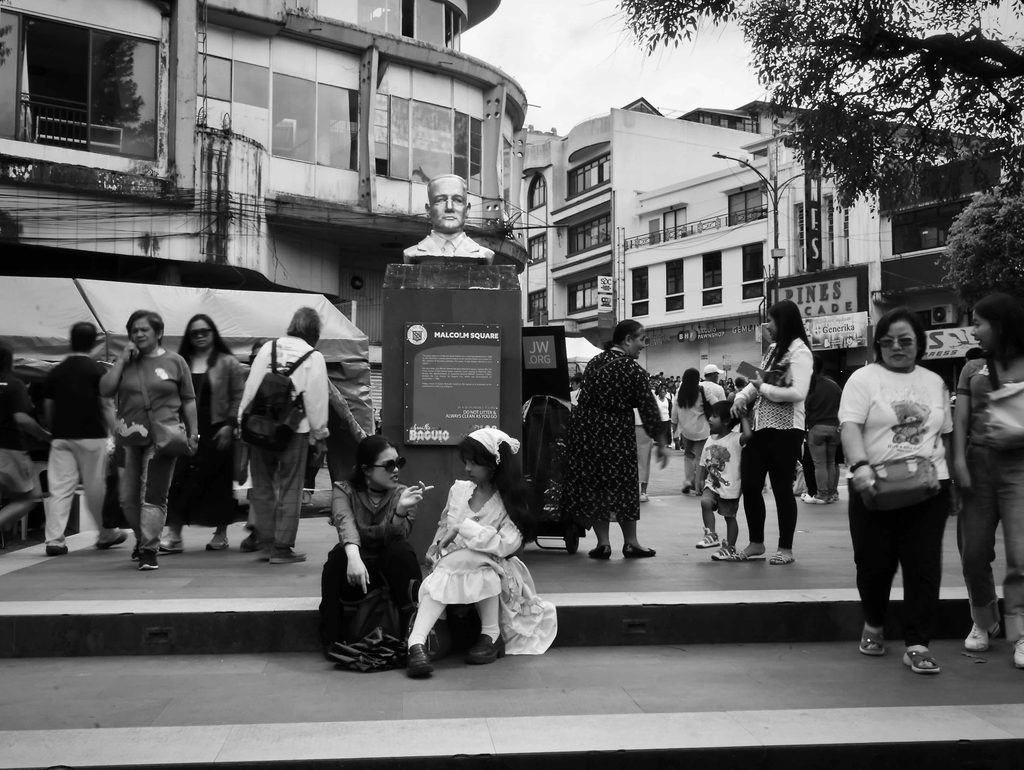
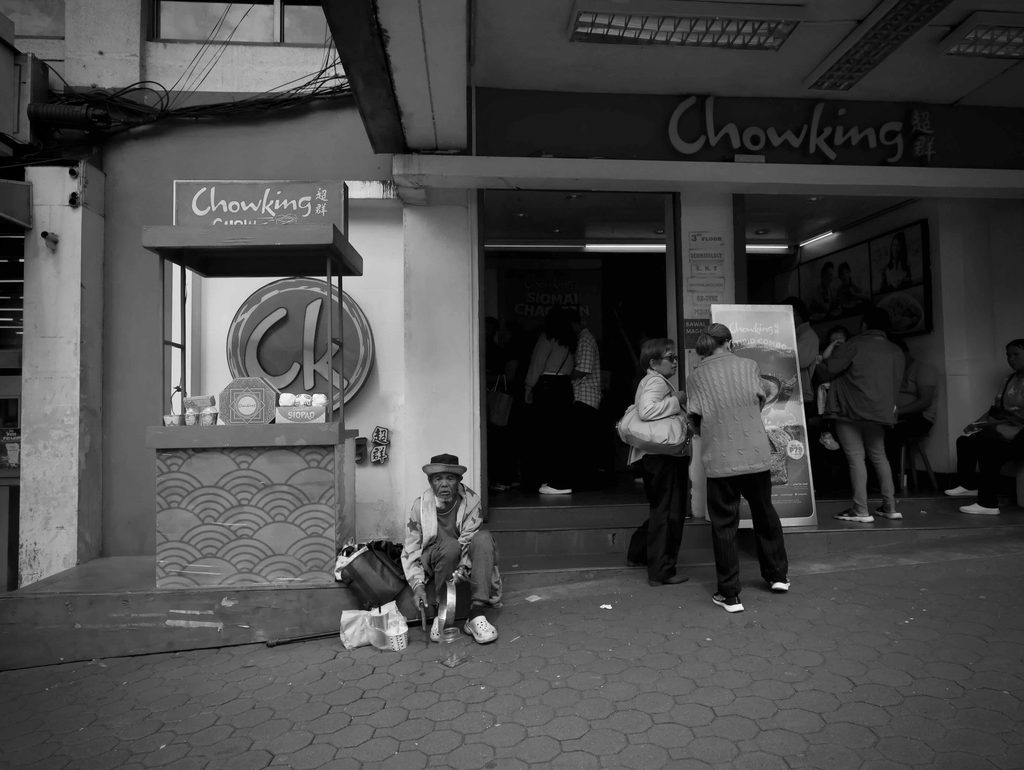
After taking a few photographs and spending about an hour with them, I told them they could leave me to explore by myself.
I wanted to get lost, at least a little.
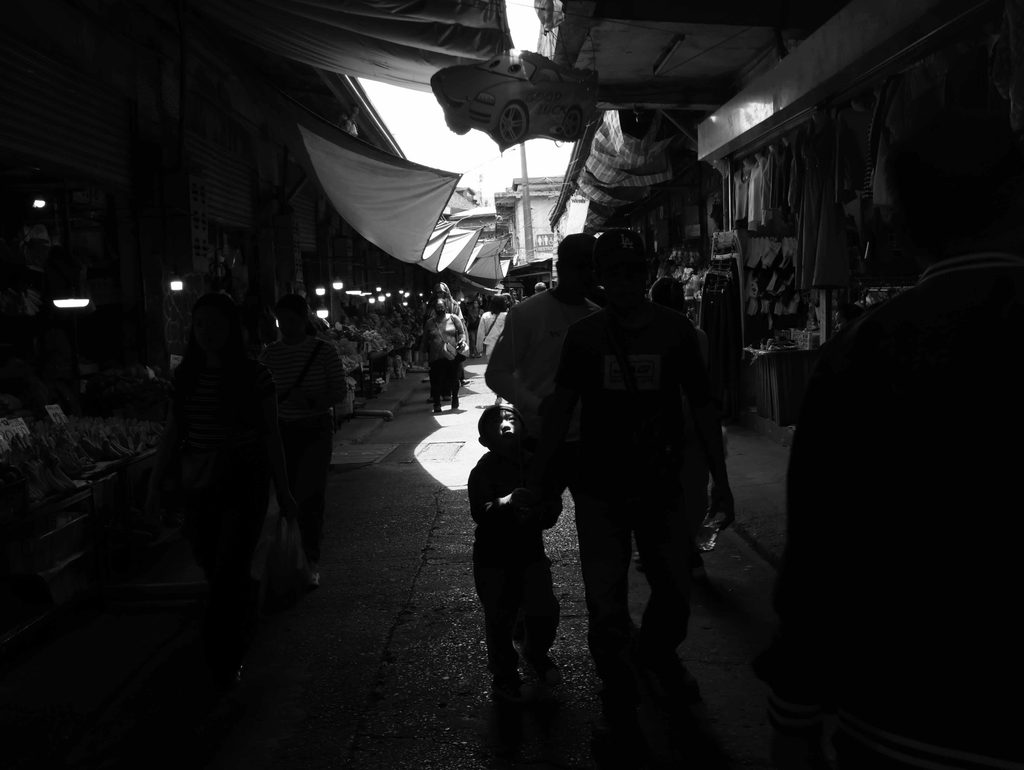
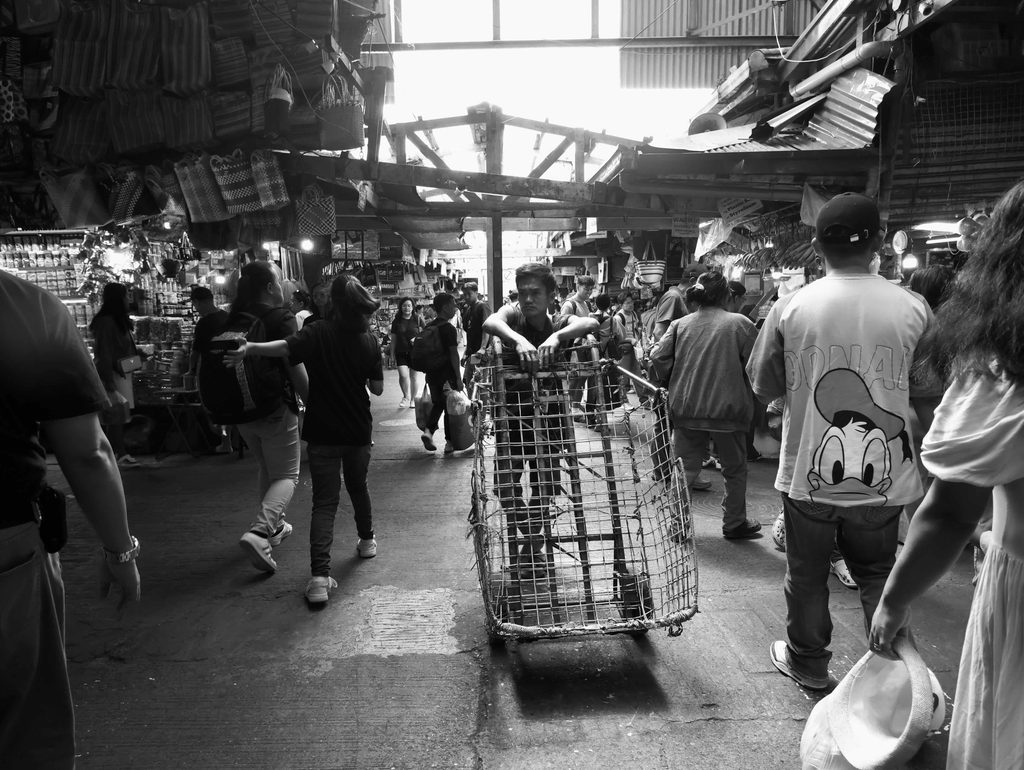
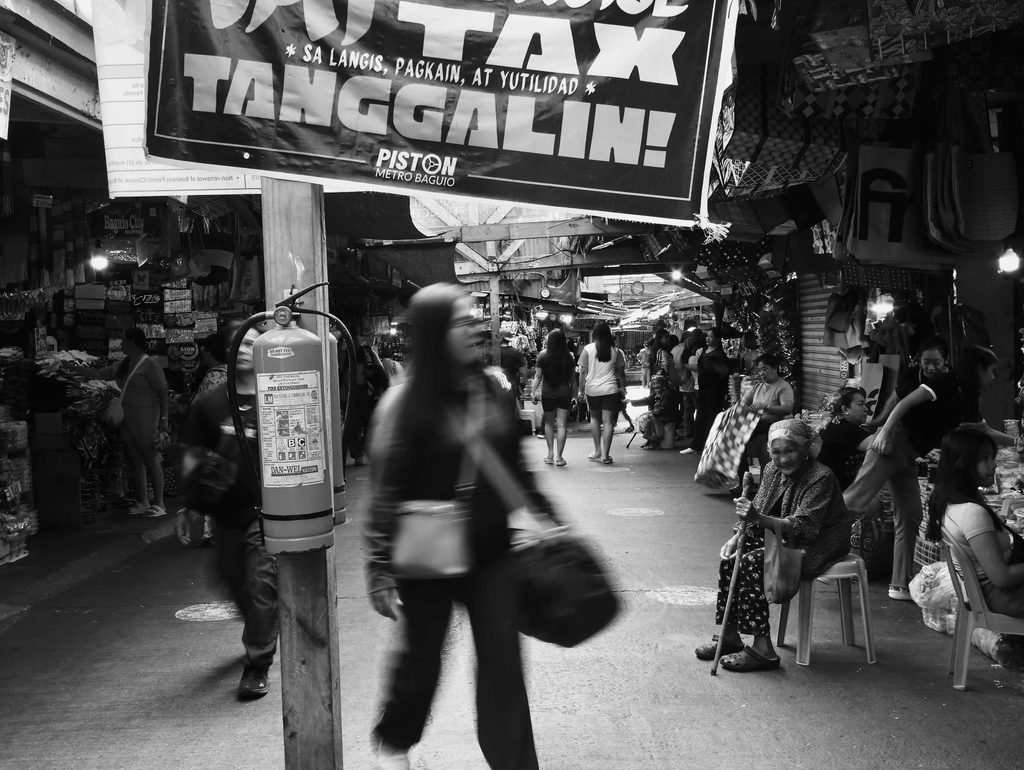
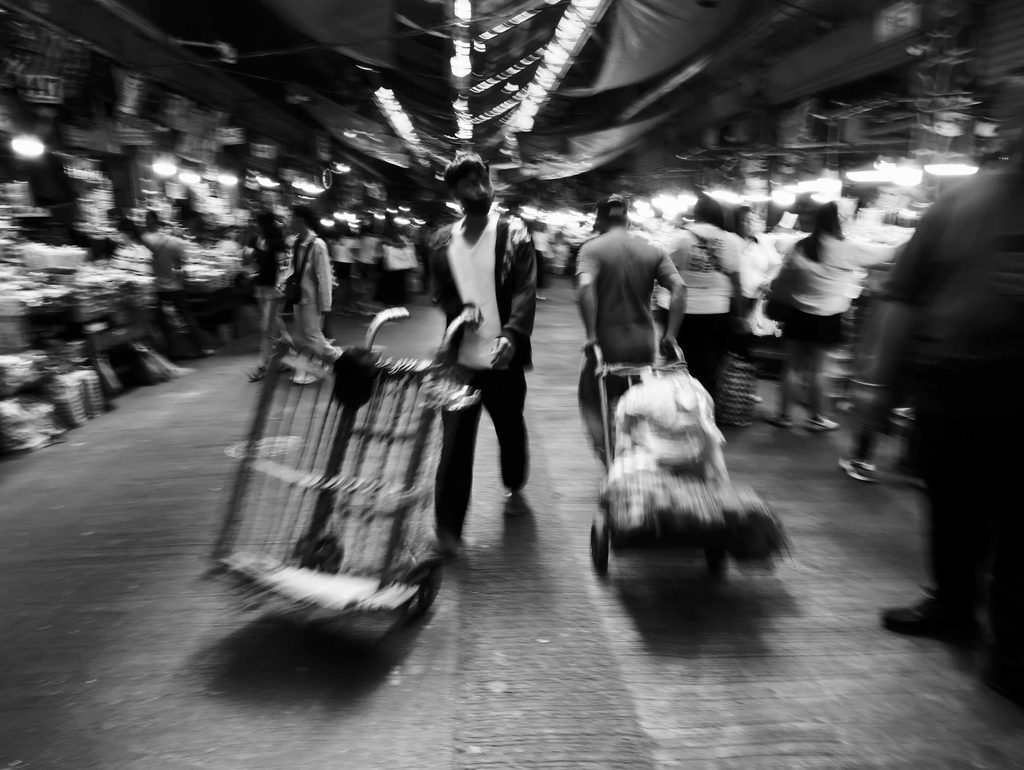
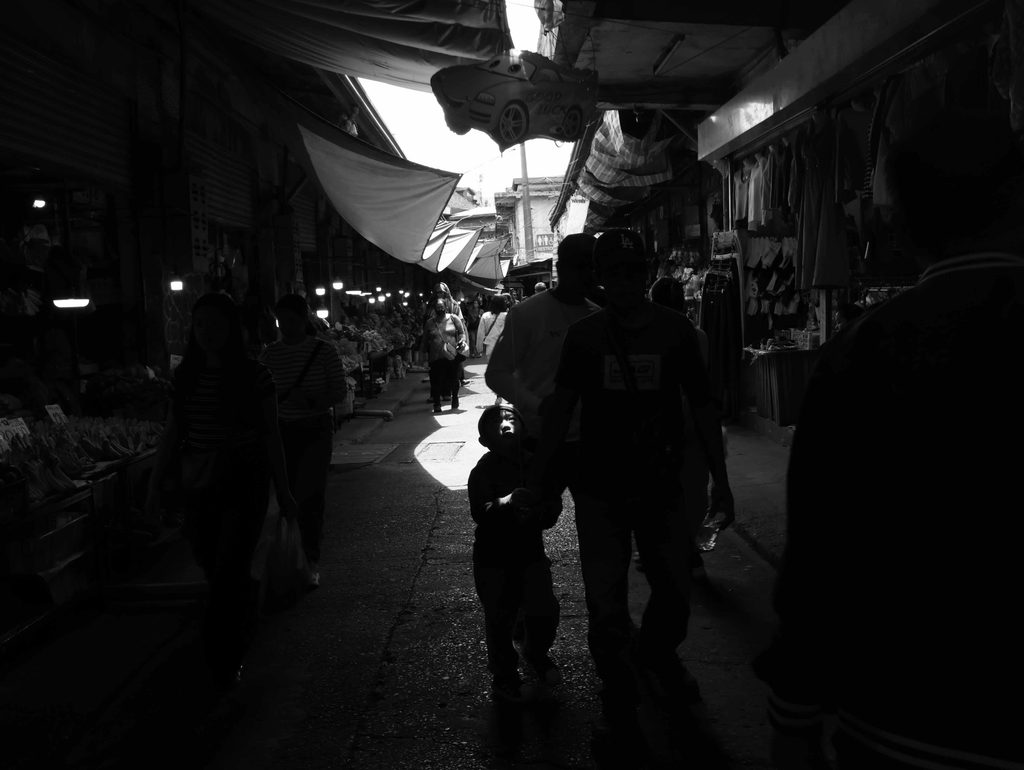
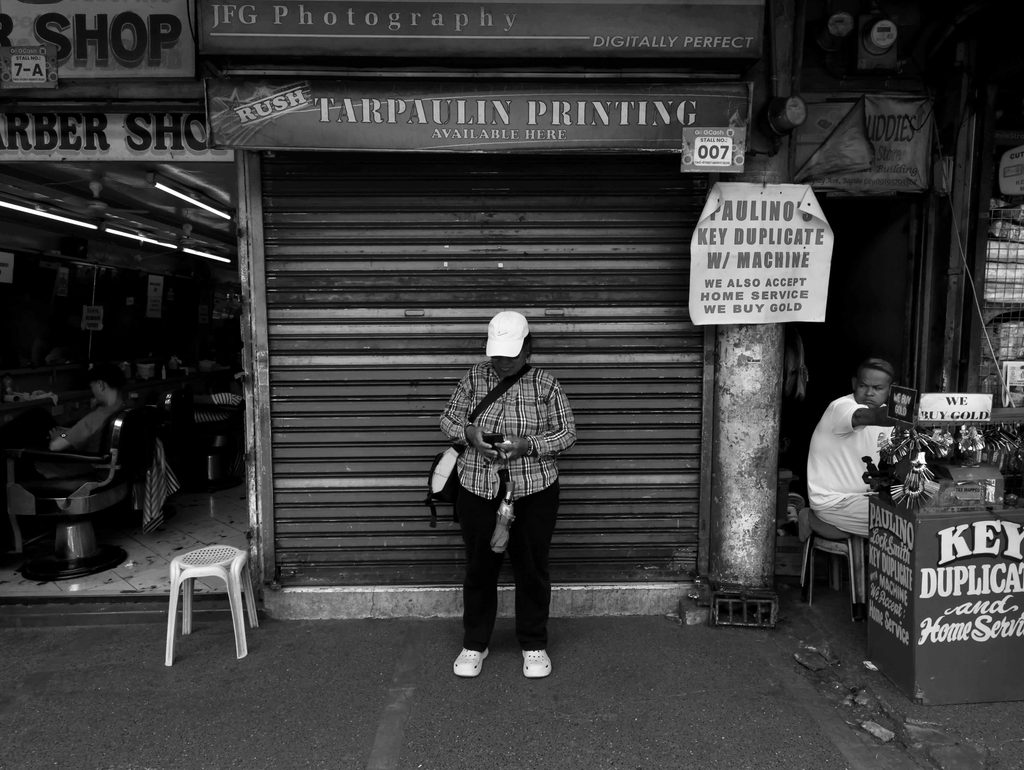
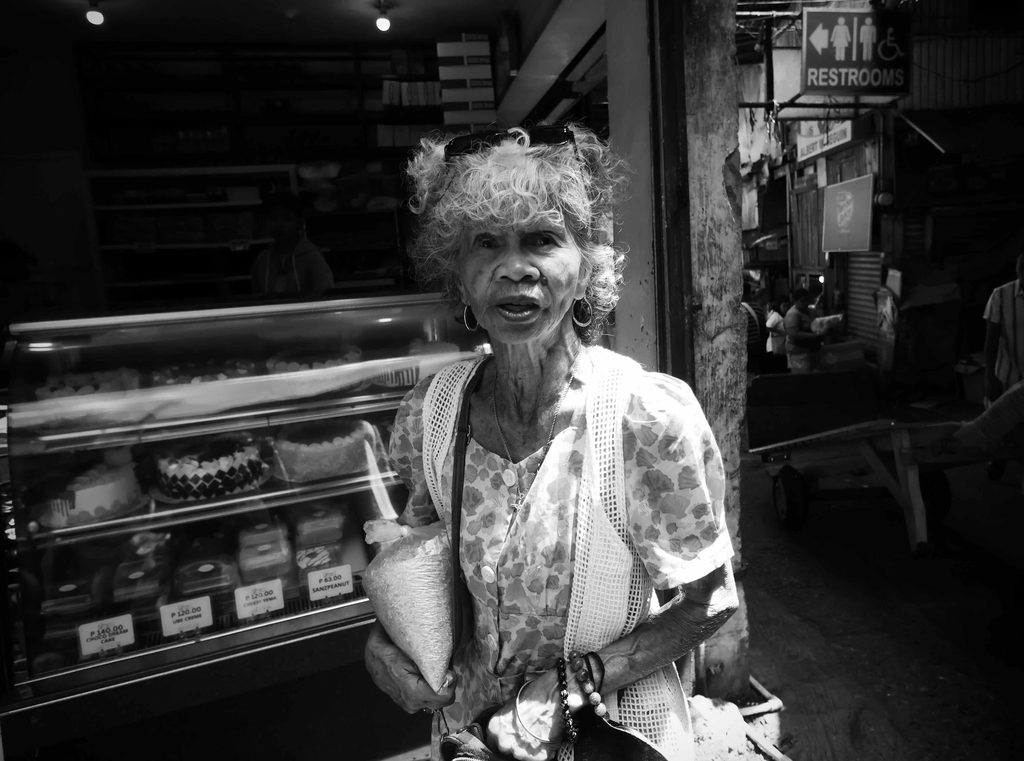
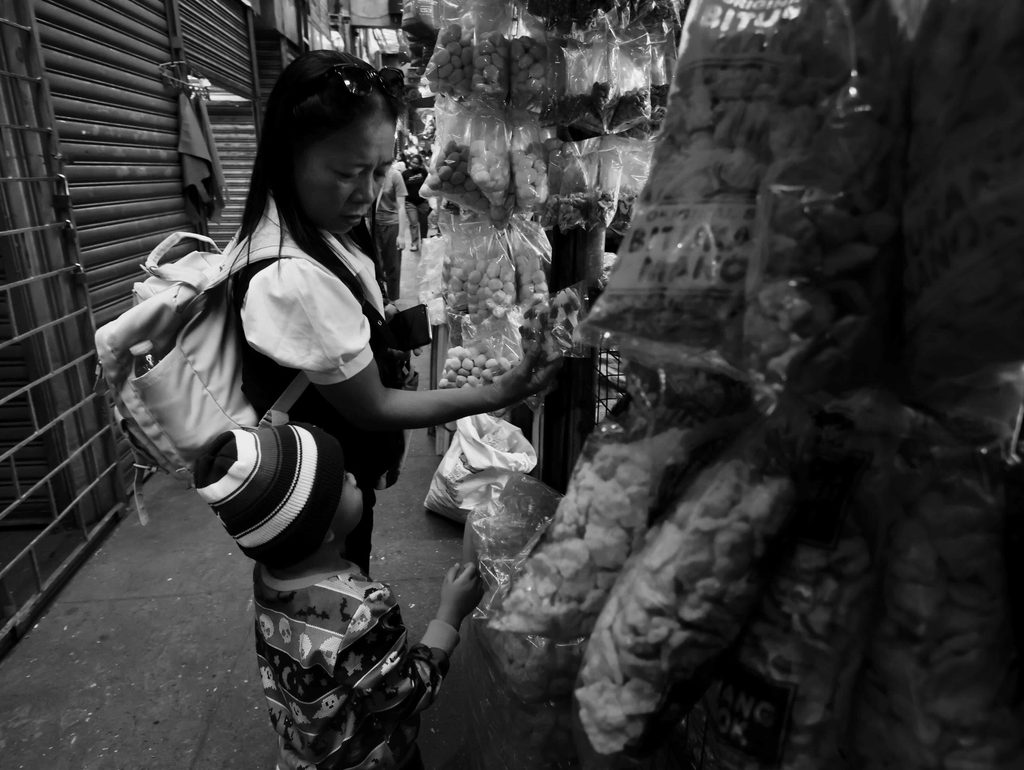
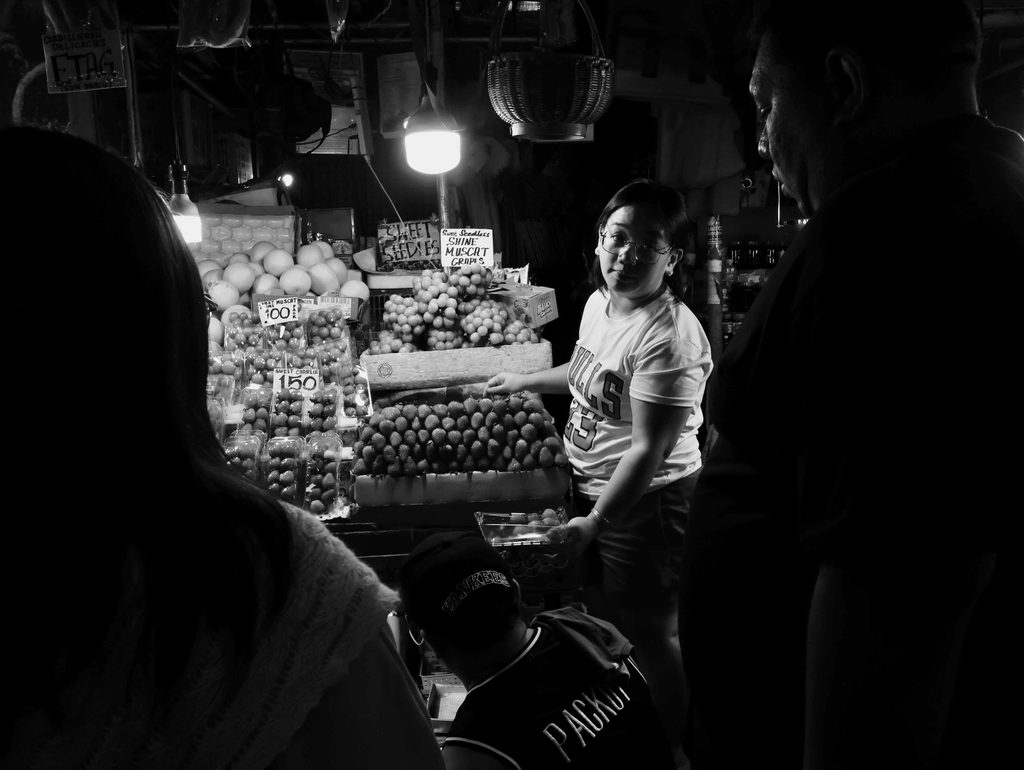
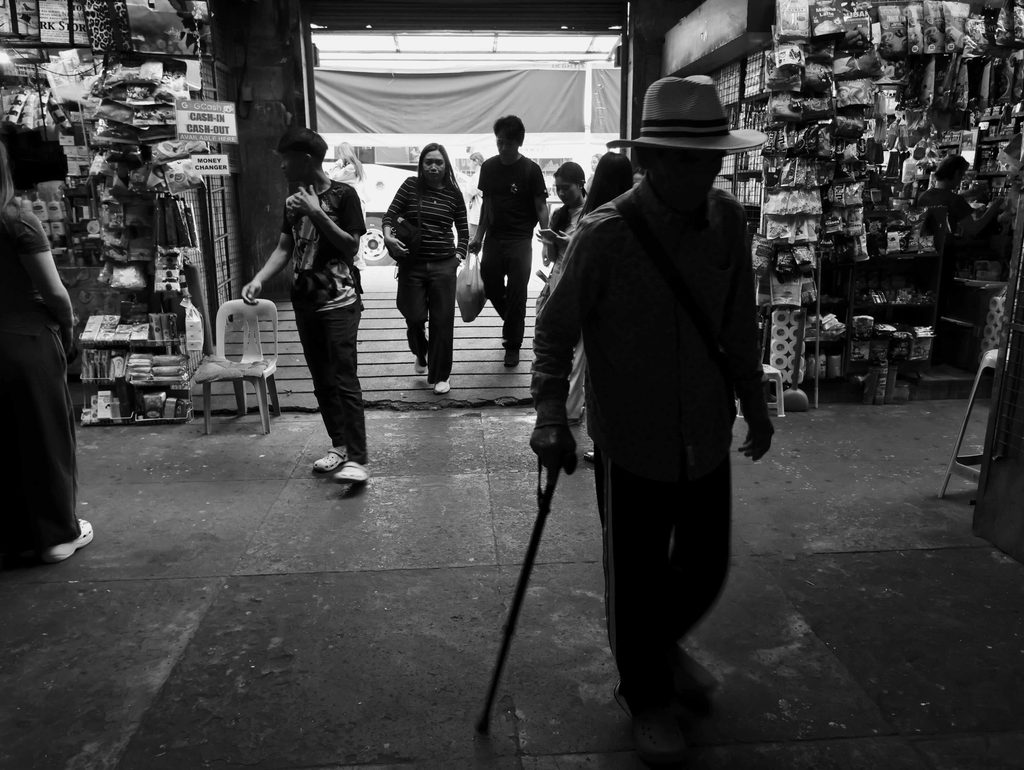
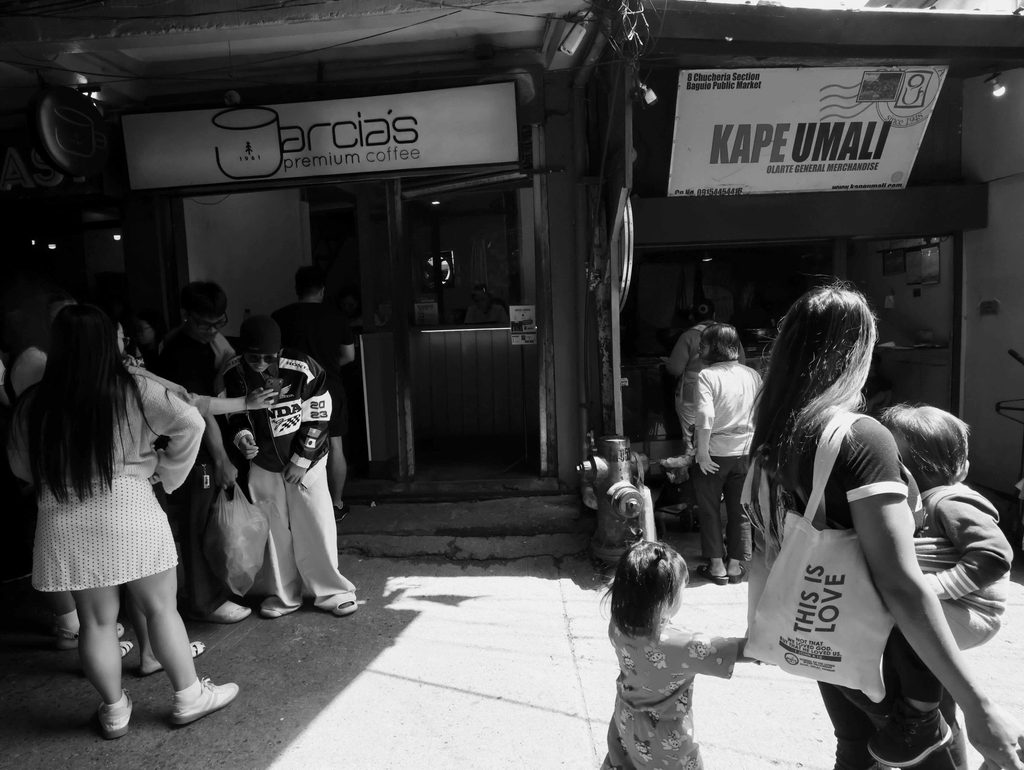
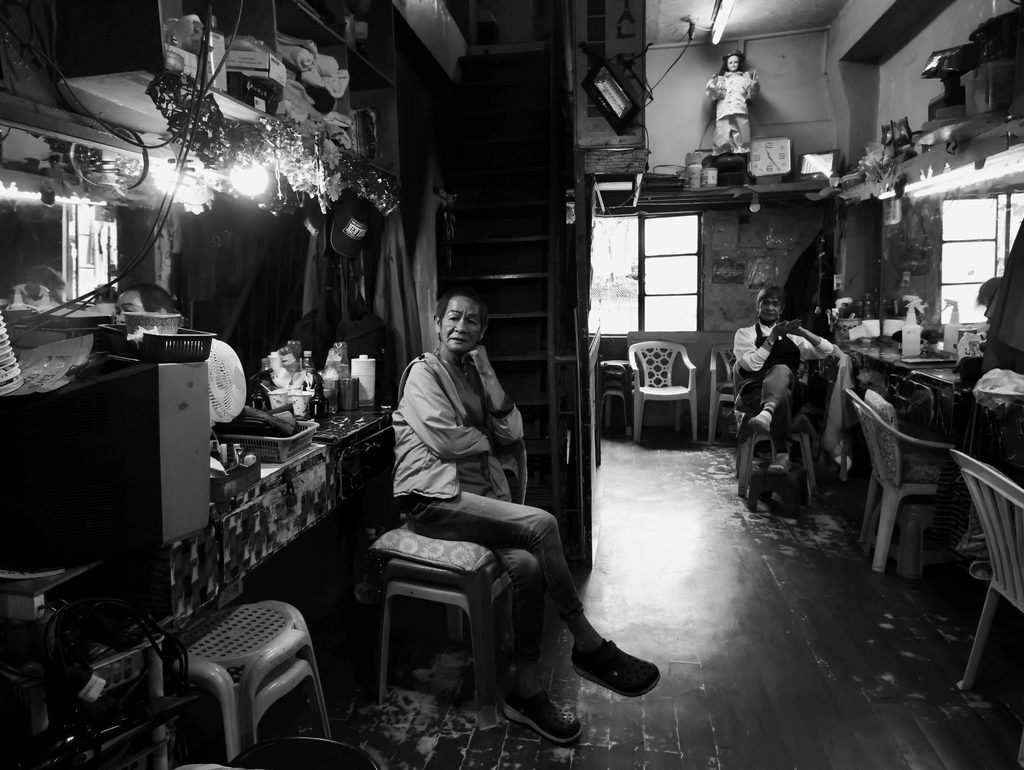
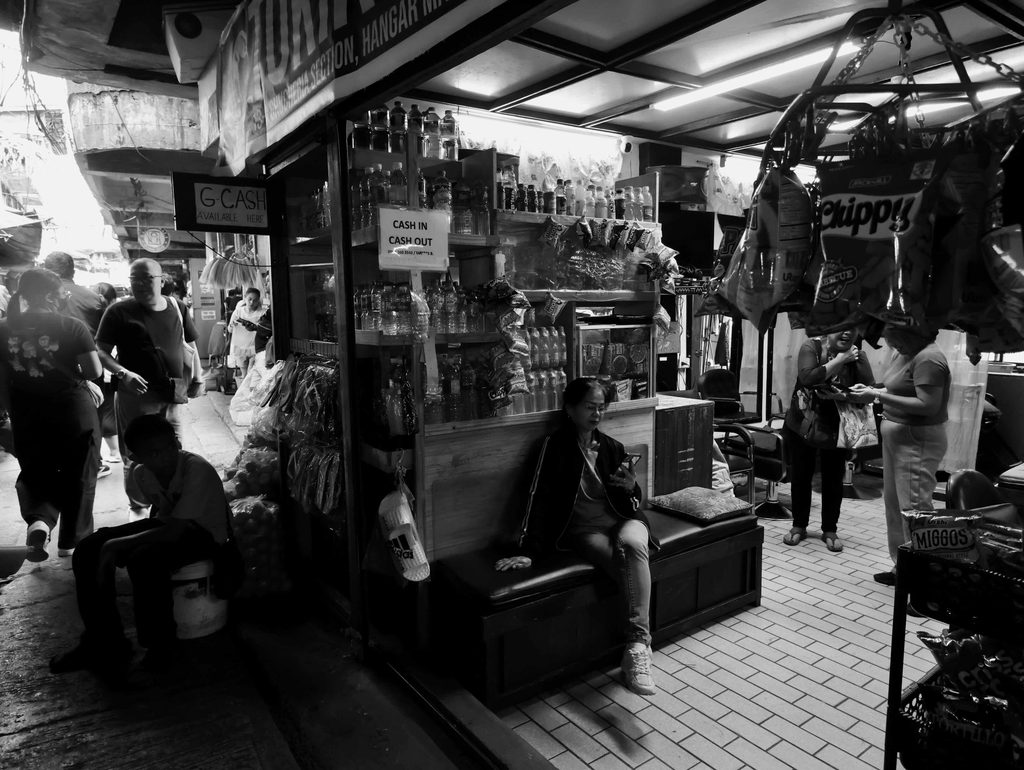
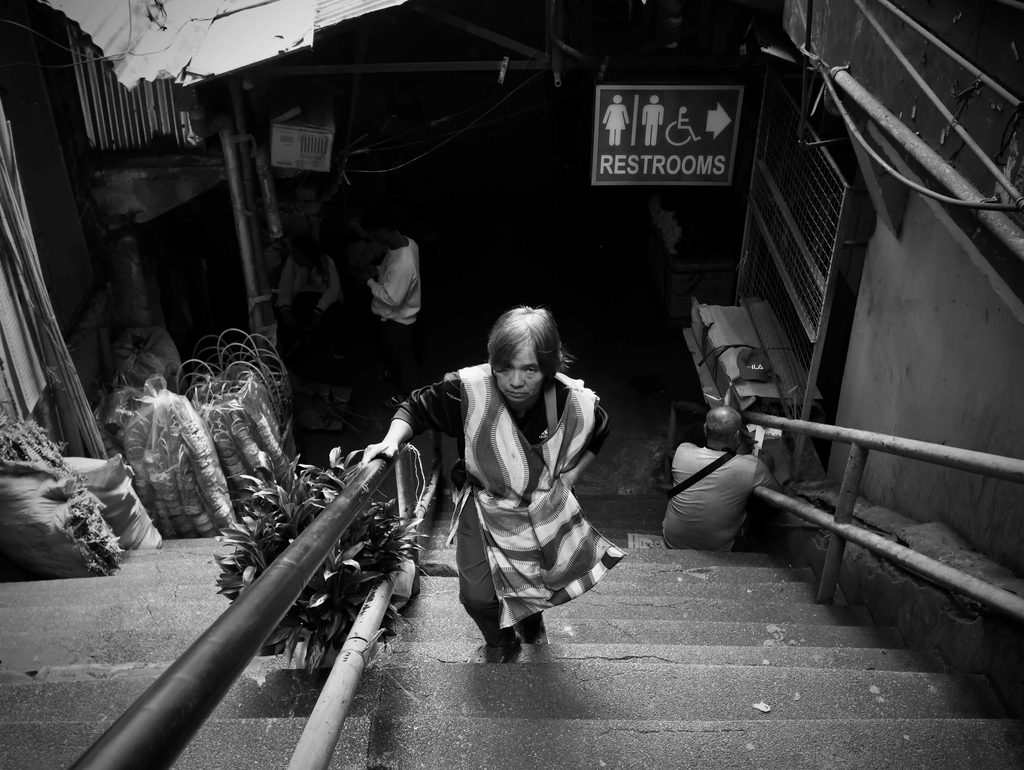
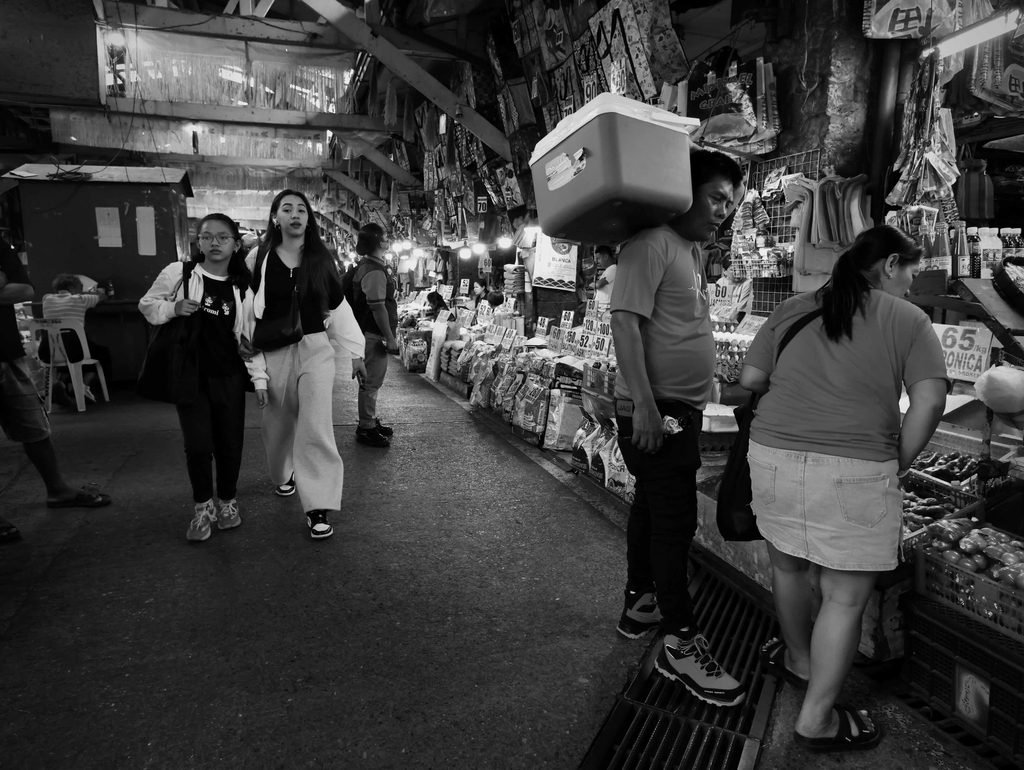
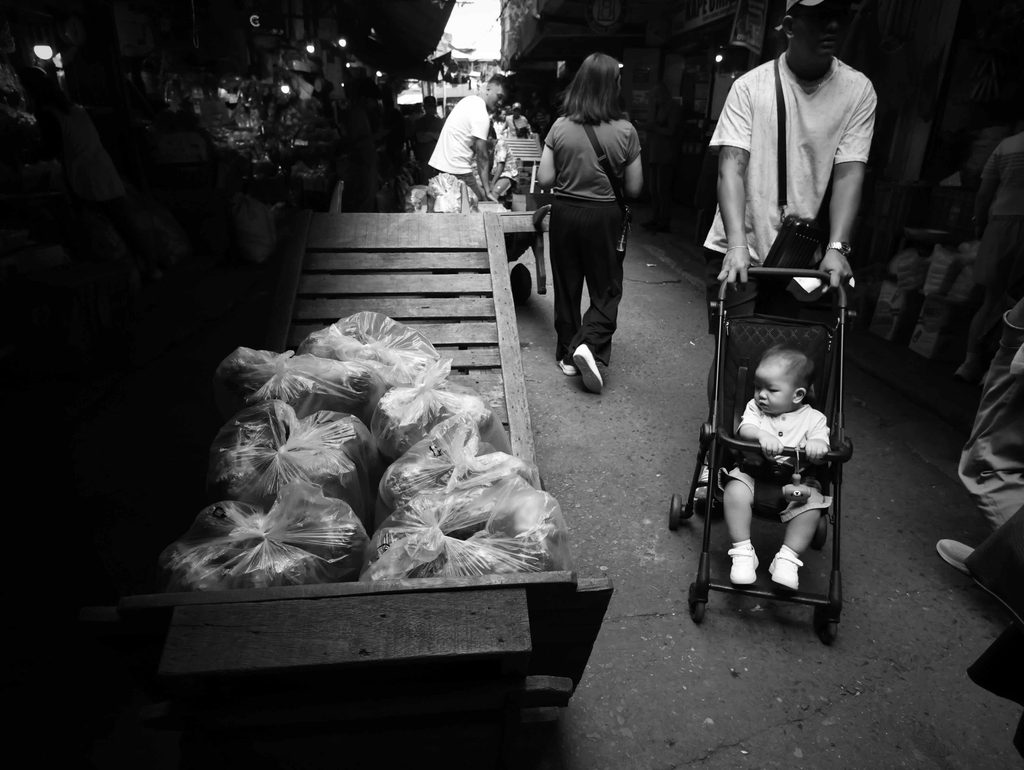
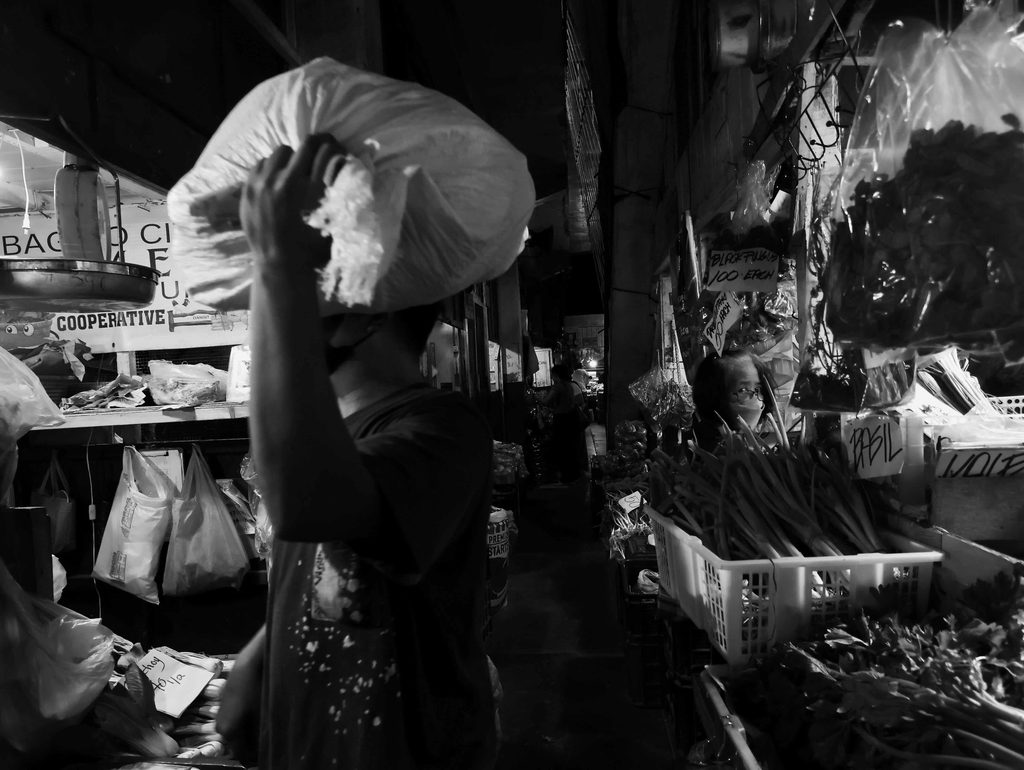
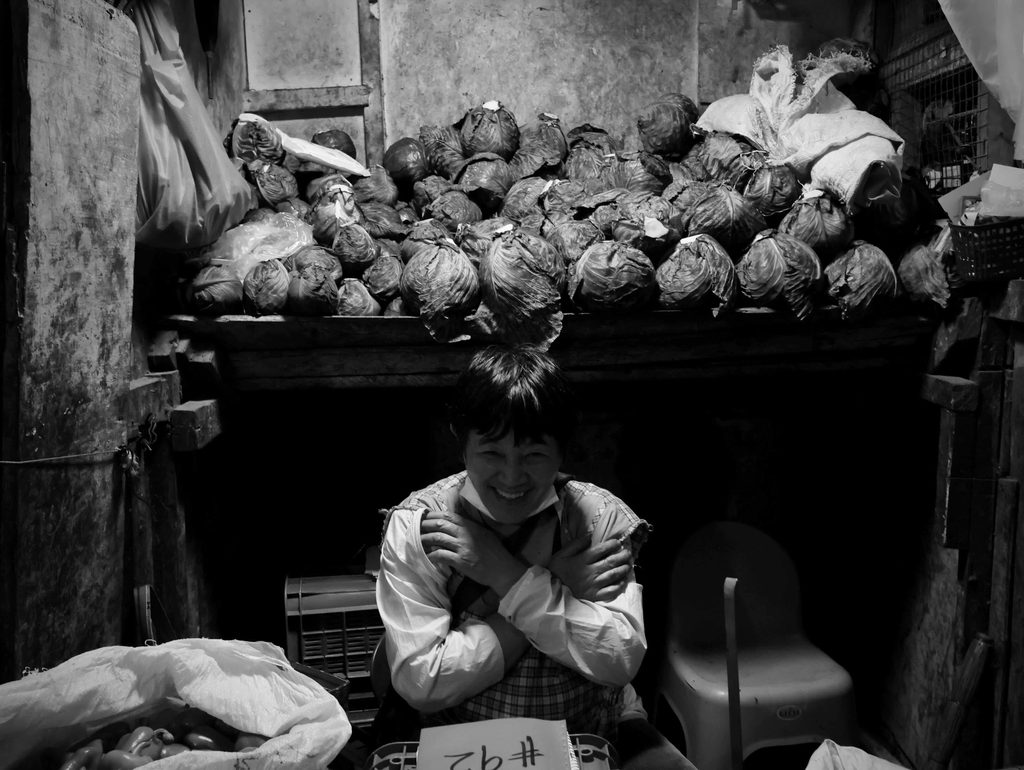
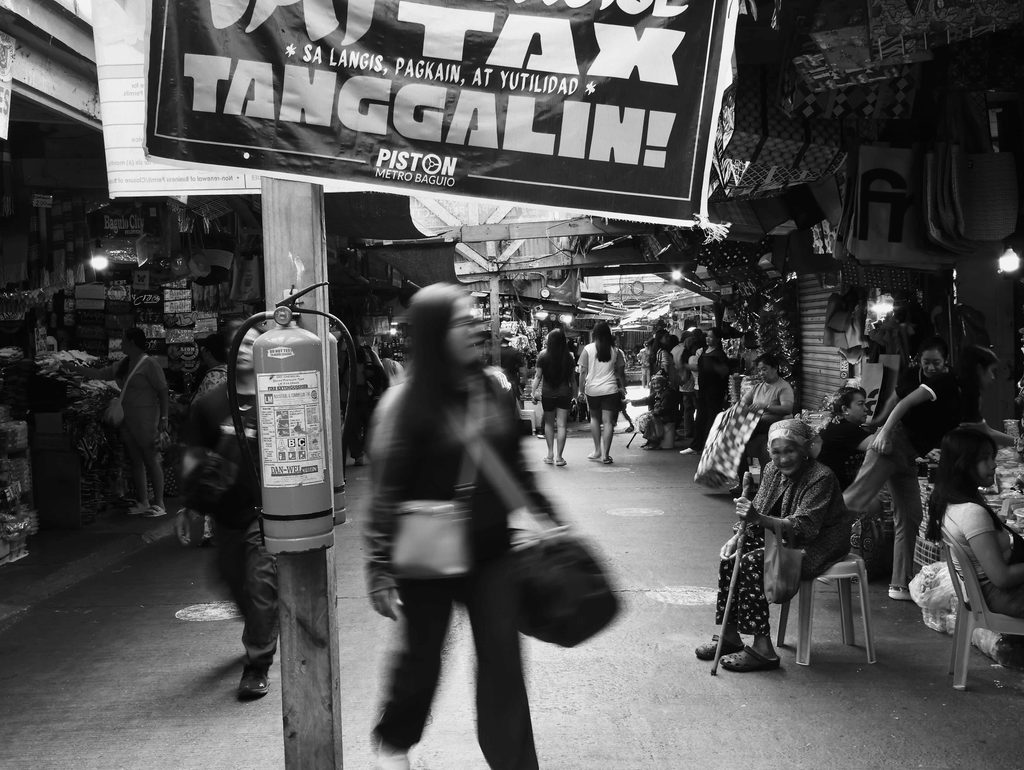
As I watched people moving through the market, I tried to find the kind of poetry Luis Liwanag often talks about during his street-photography walks: the small gestures, fleeting encounters and ordinary moments that reveal something about the human condition.
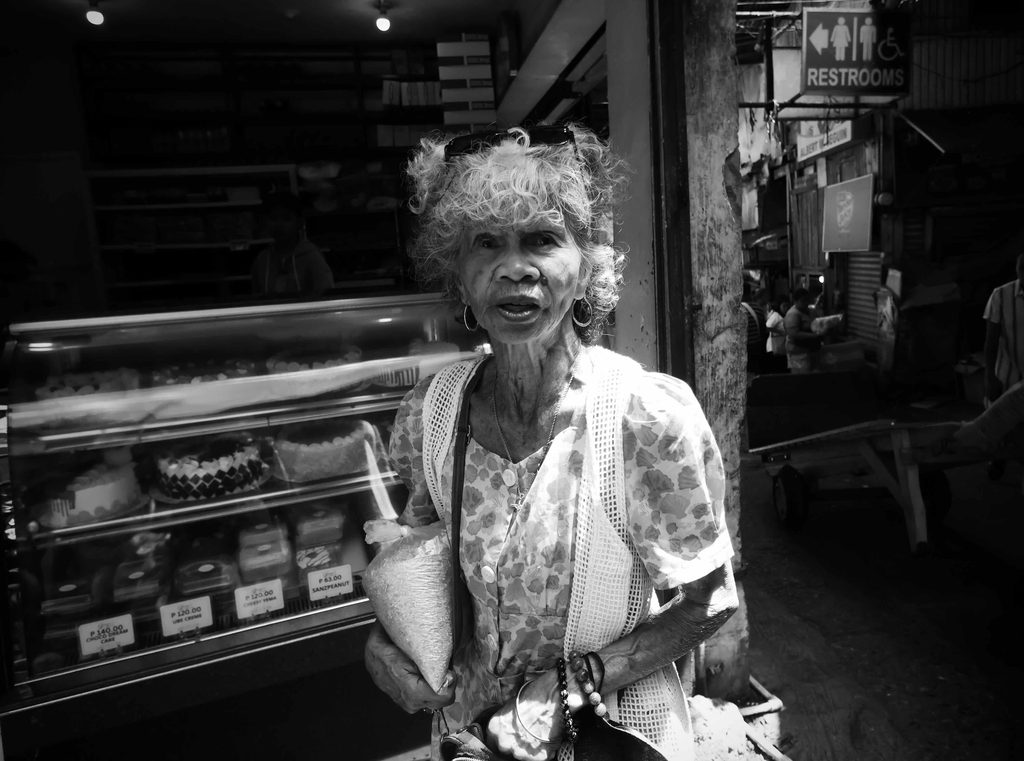
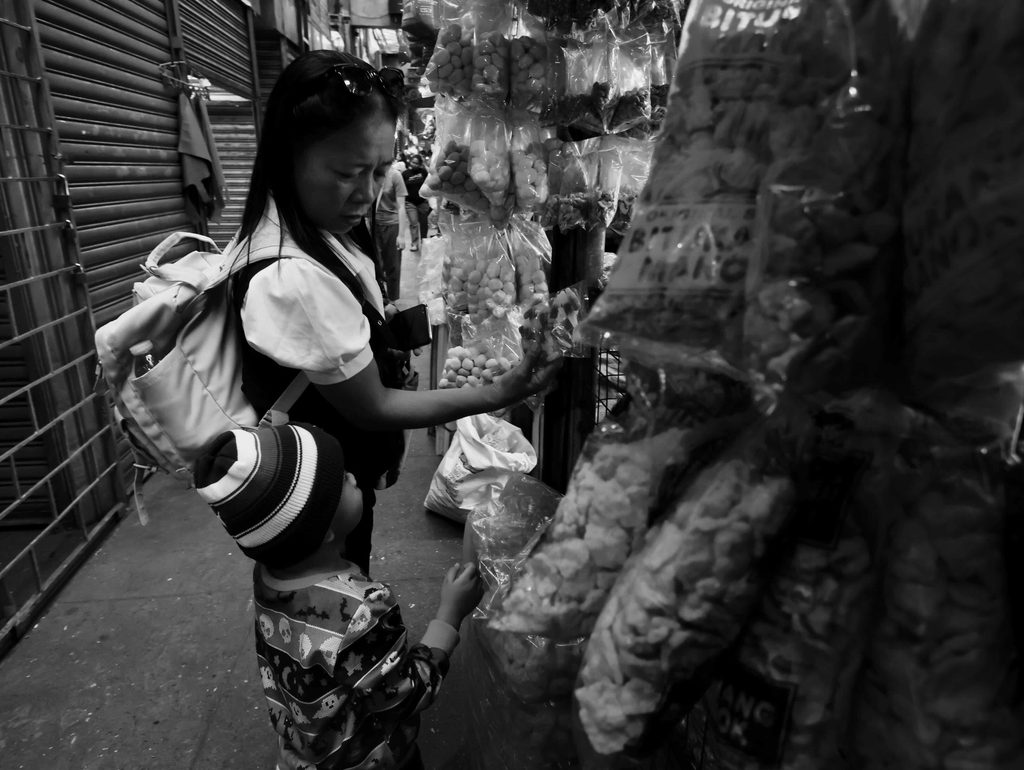
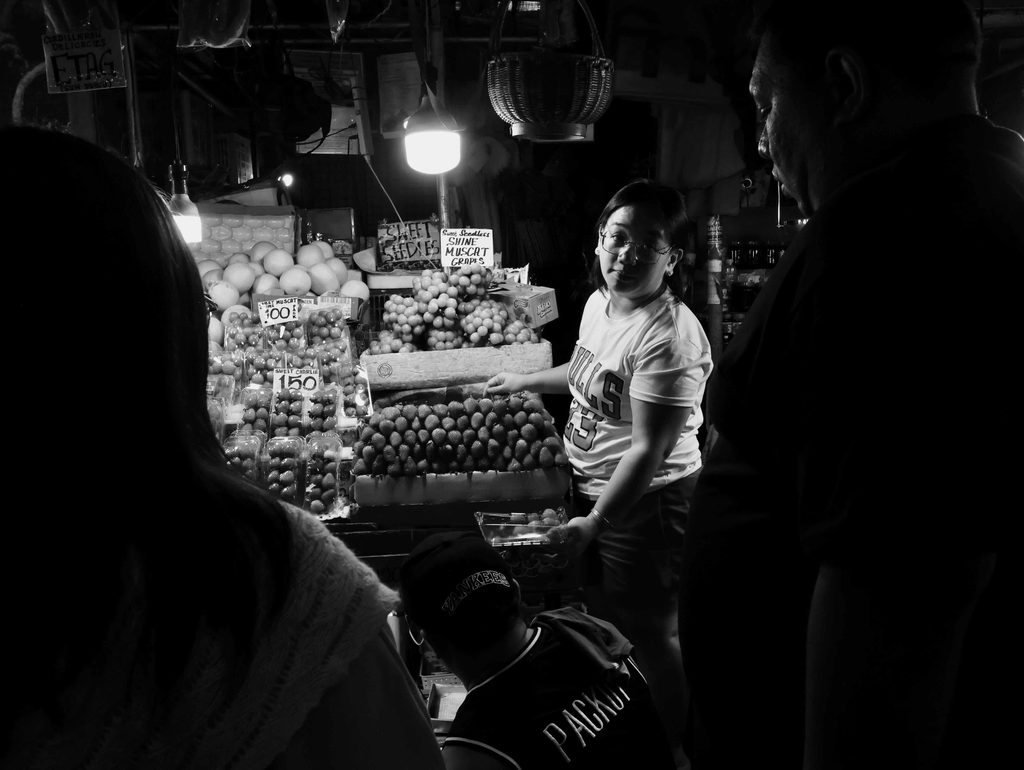
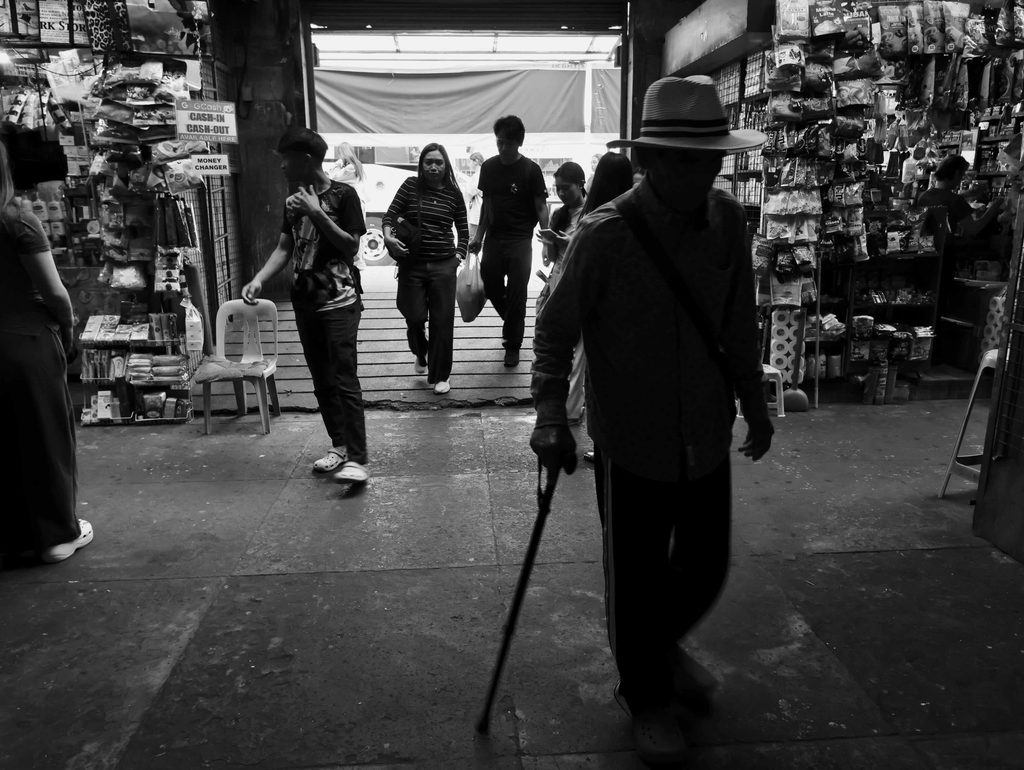
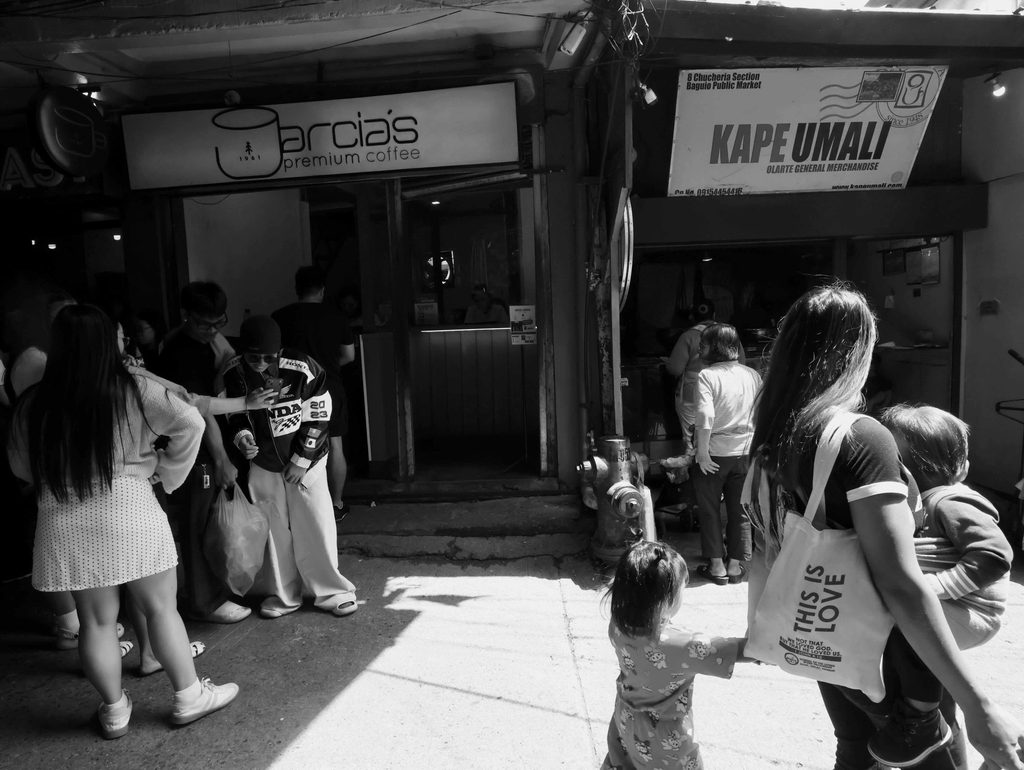
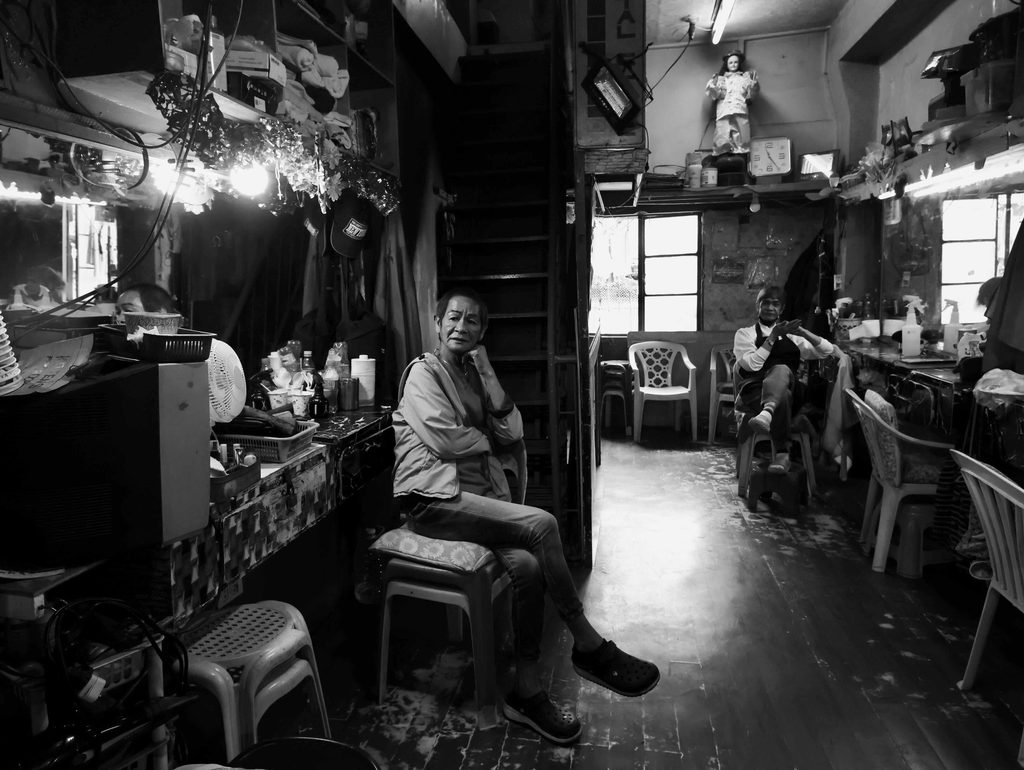
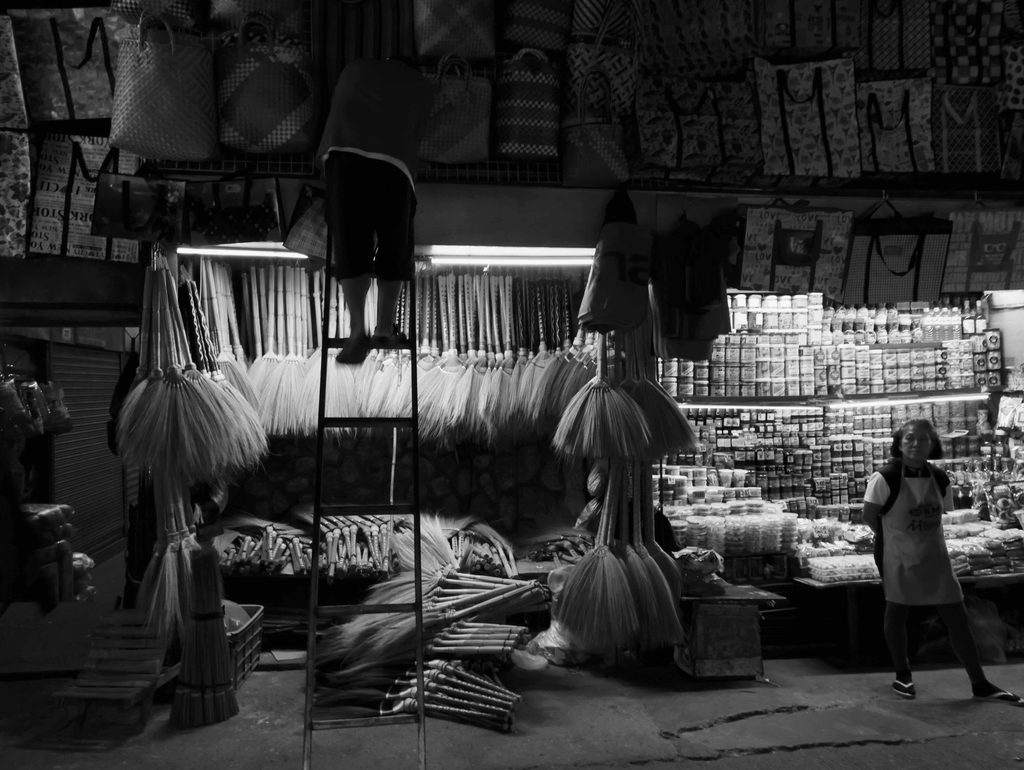
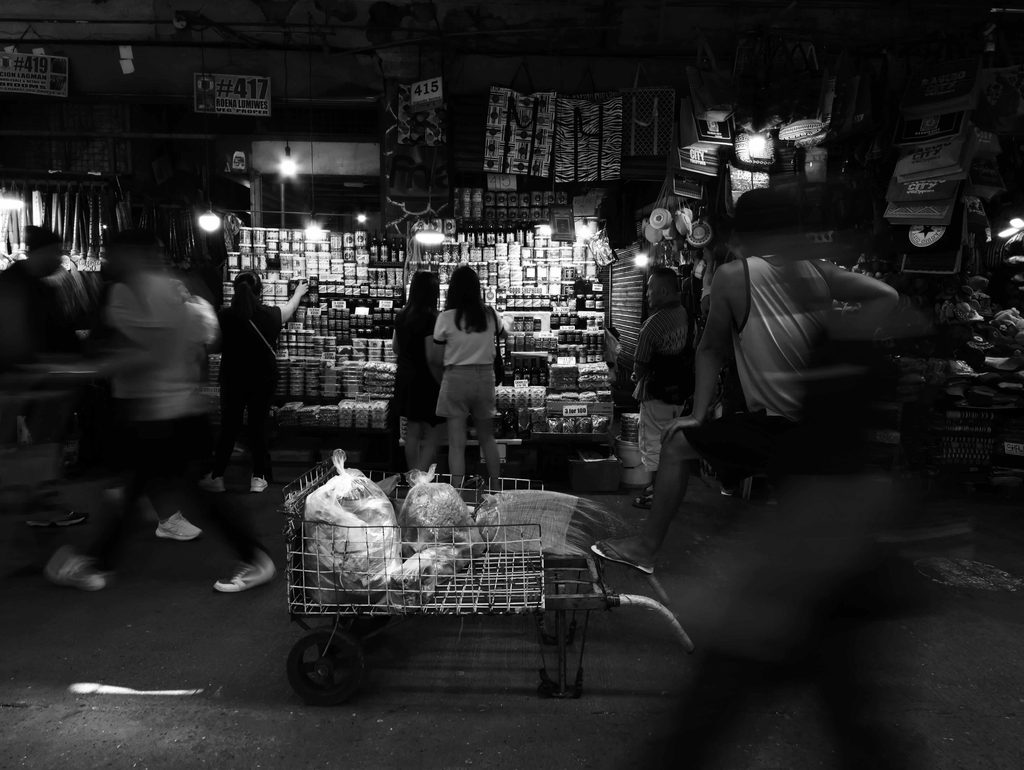
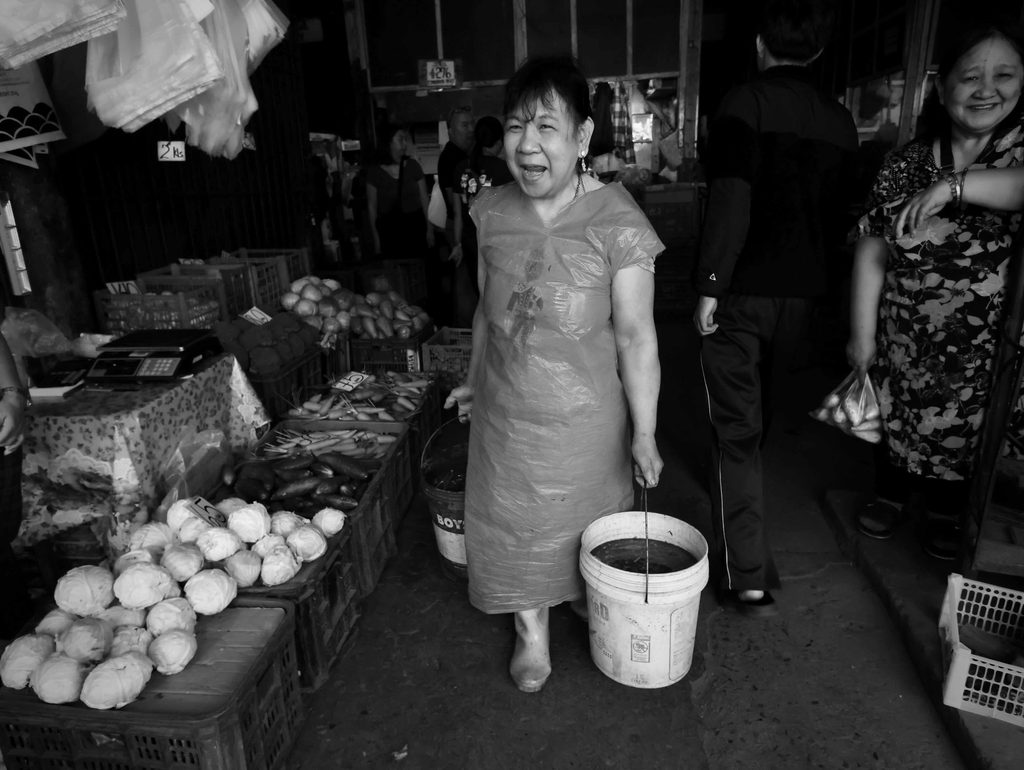
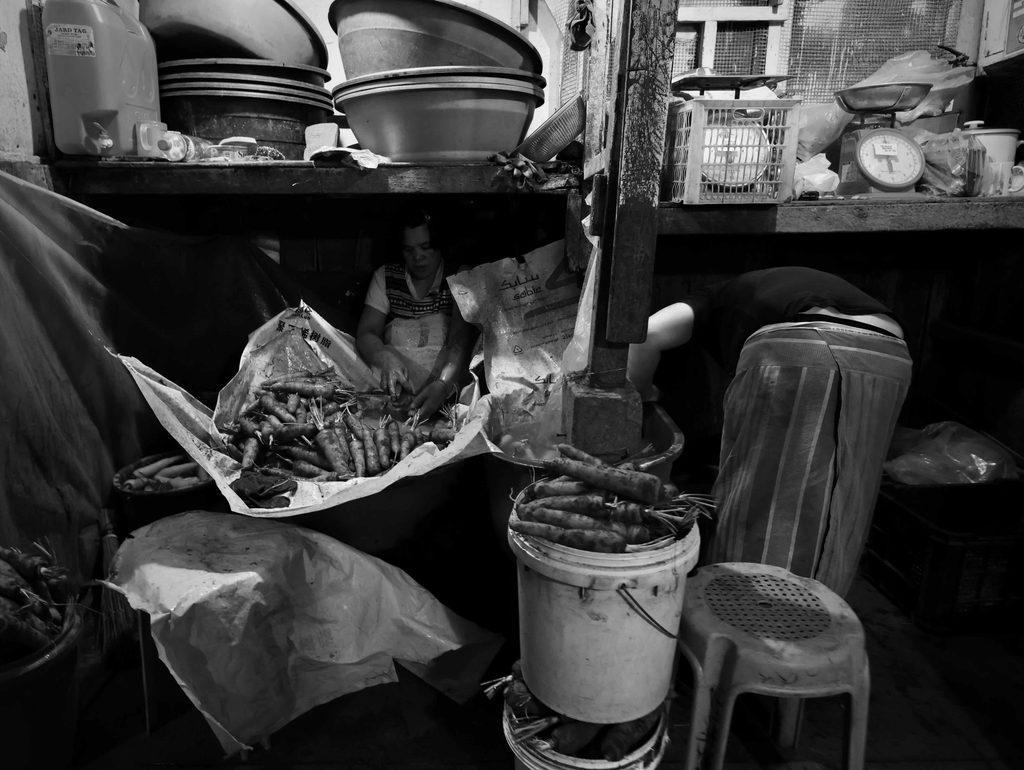
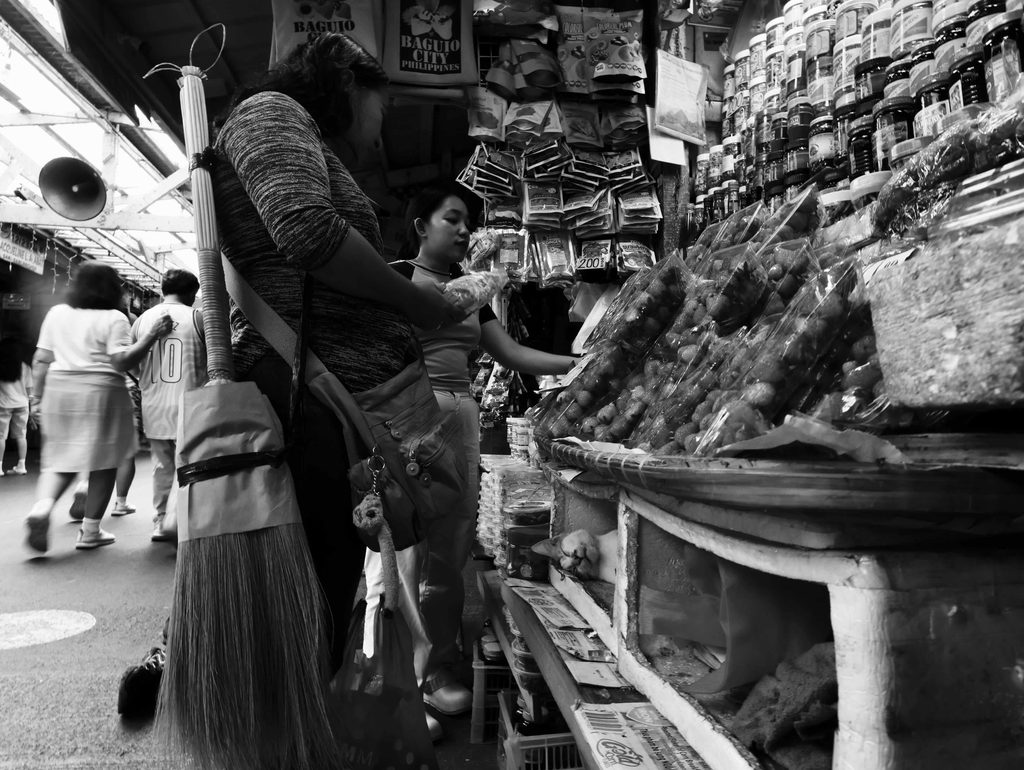
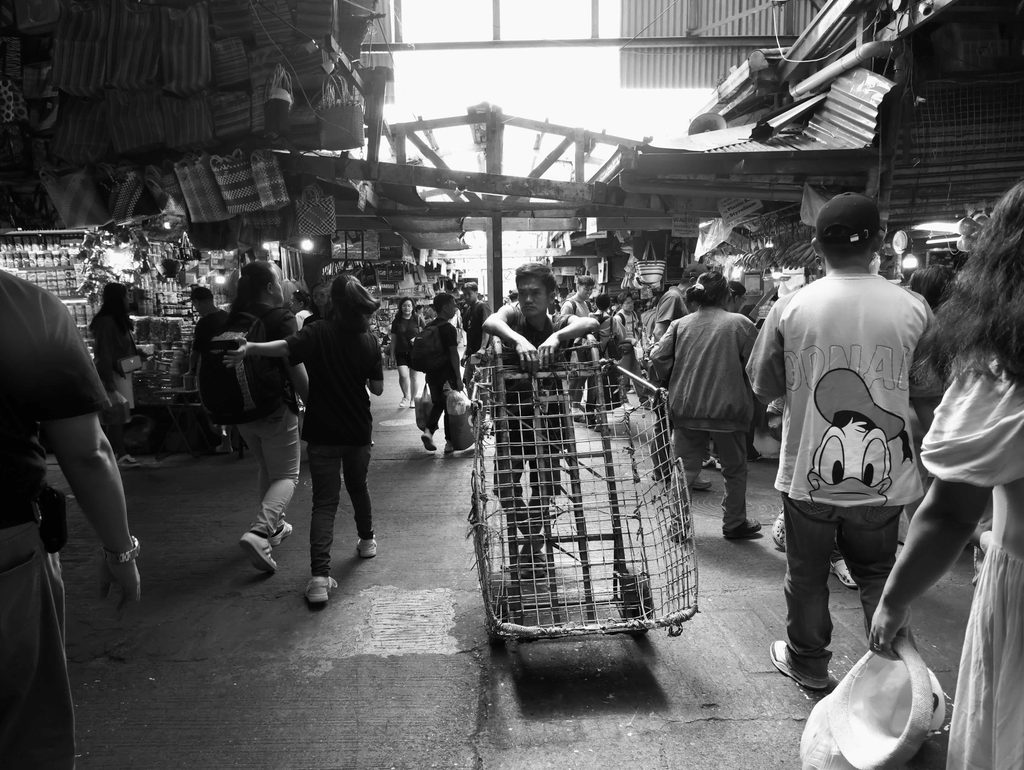
There were vendors arranging their goods, buyers inspecting produce, people carrying their purchases and others navigating the narrow passages. Every face seemed to be going somewhere, every hand occupied with a task, every corner offering another possible frame.
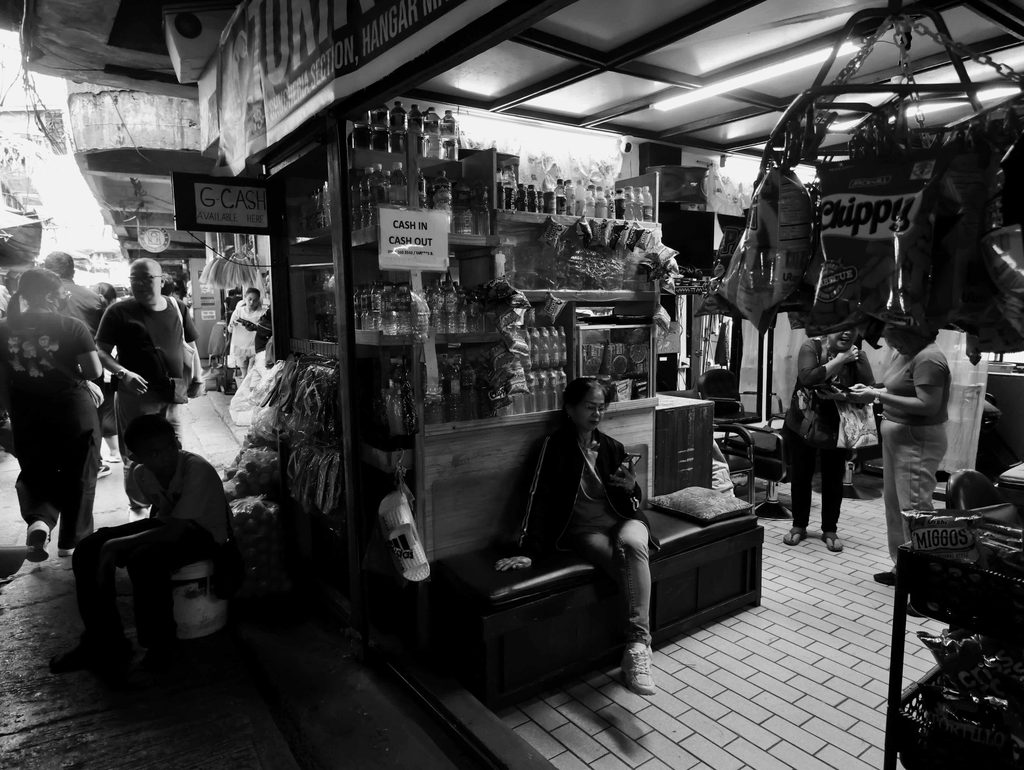
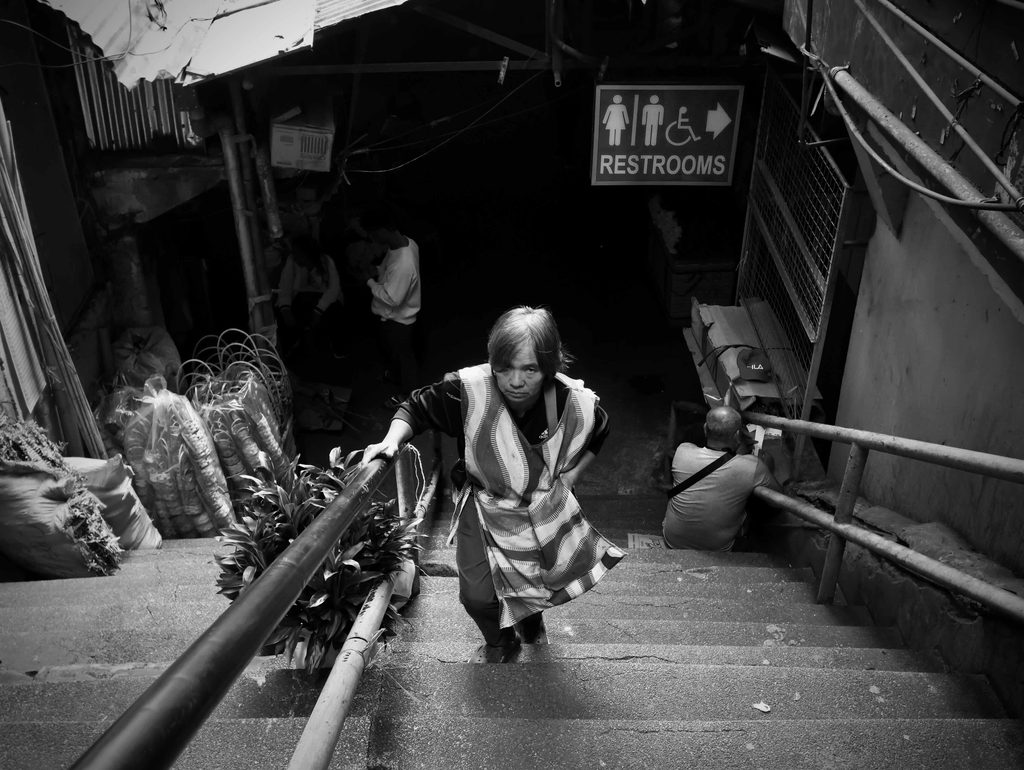
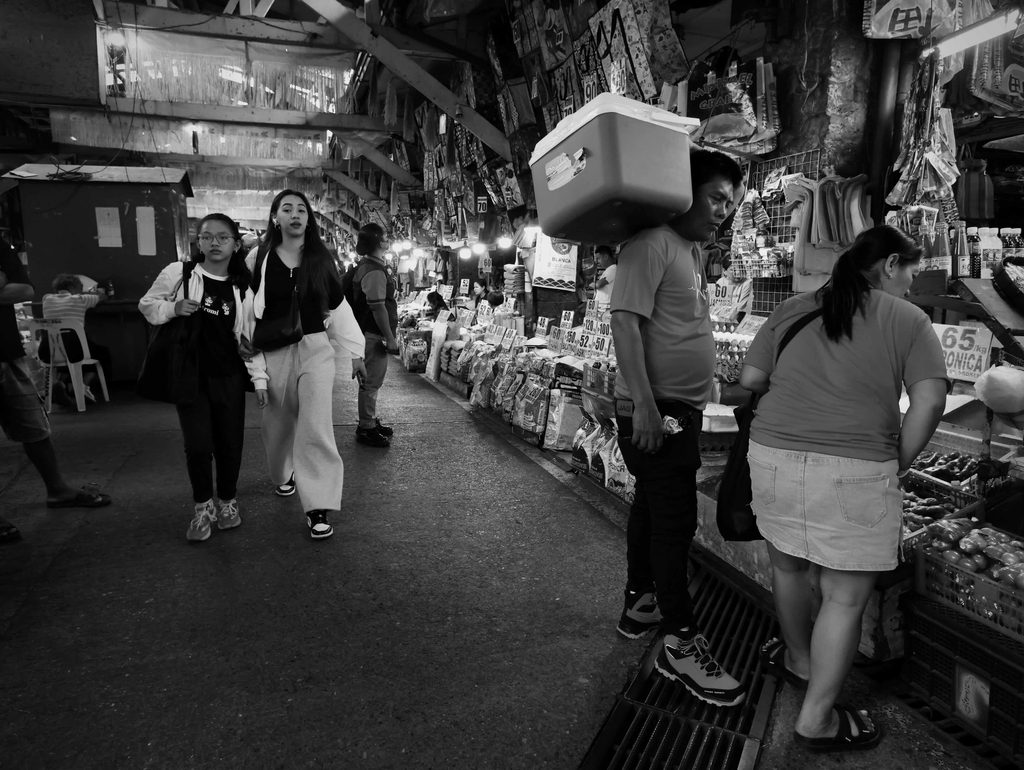
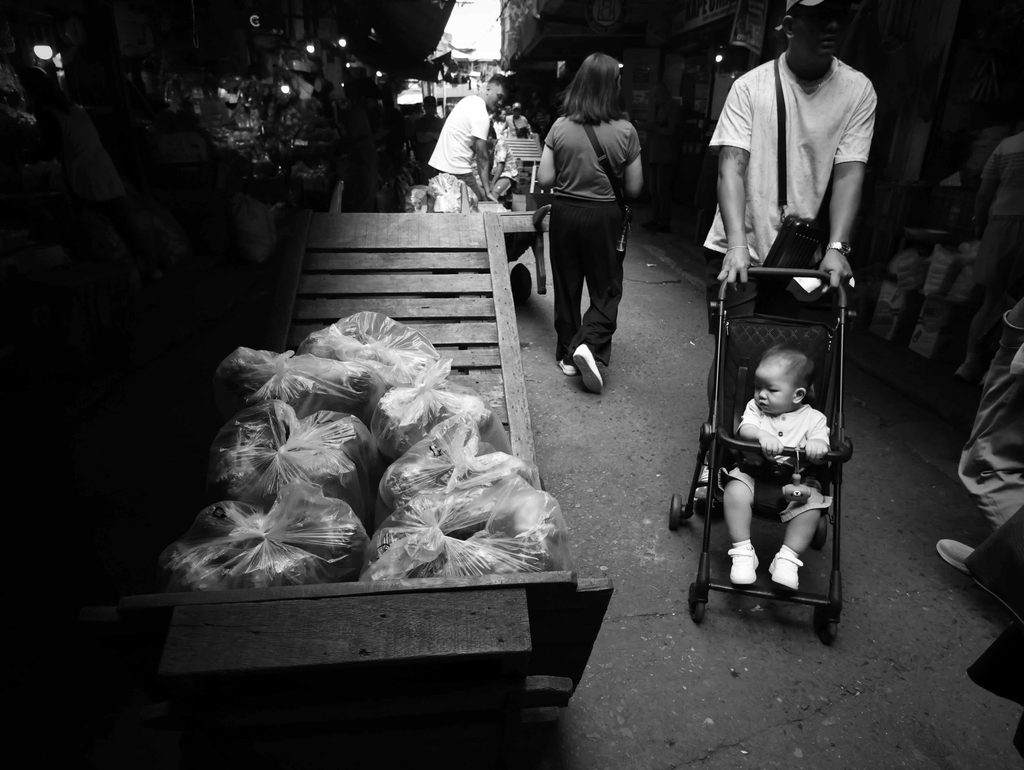
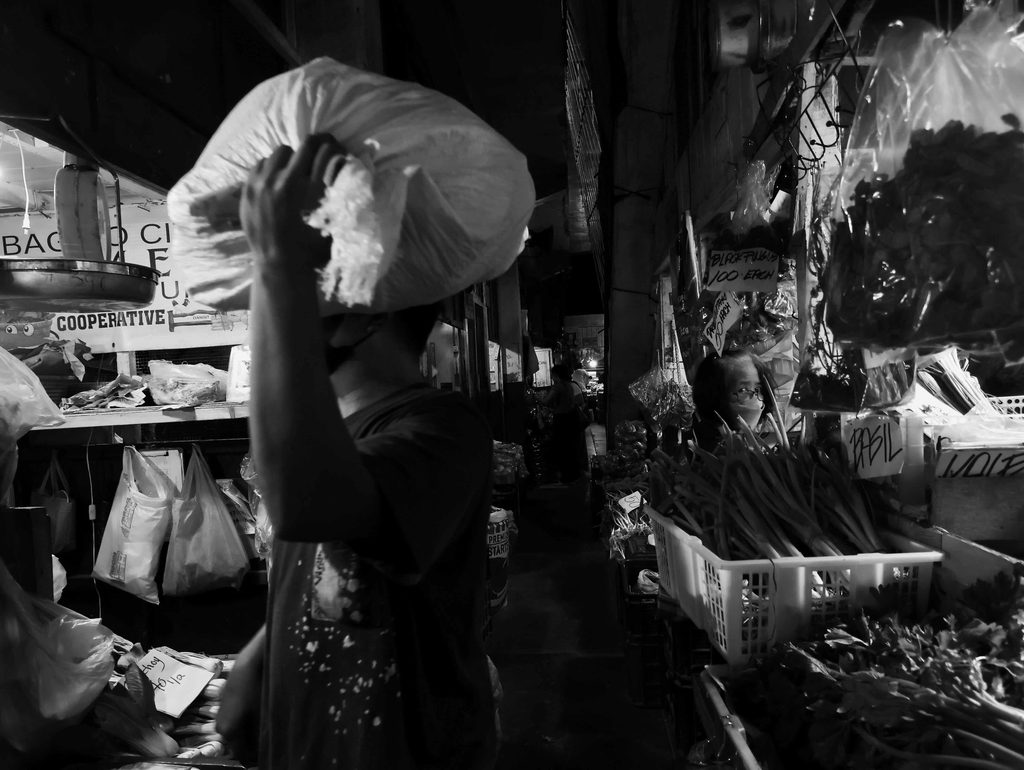
The Baguio City Public Market is a natural subject for a photographer. It is a place where the city reveals itself through the everyday business of living.
“Buhay na buhay, ika nga.”
Established on its present site in 1913, the market has served generations of residents and traders. It is a major commercial hub for Baguio and the surrounding communities, linking farmers and suppliers with vendors, residents and visitors.
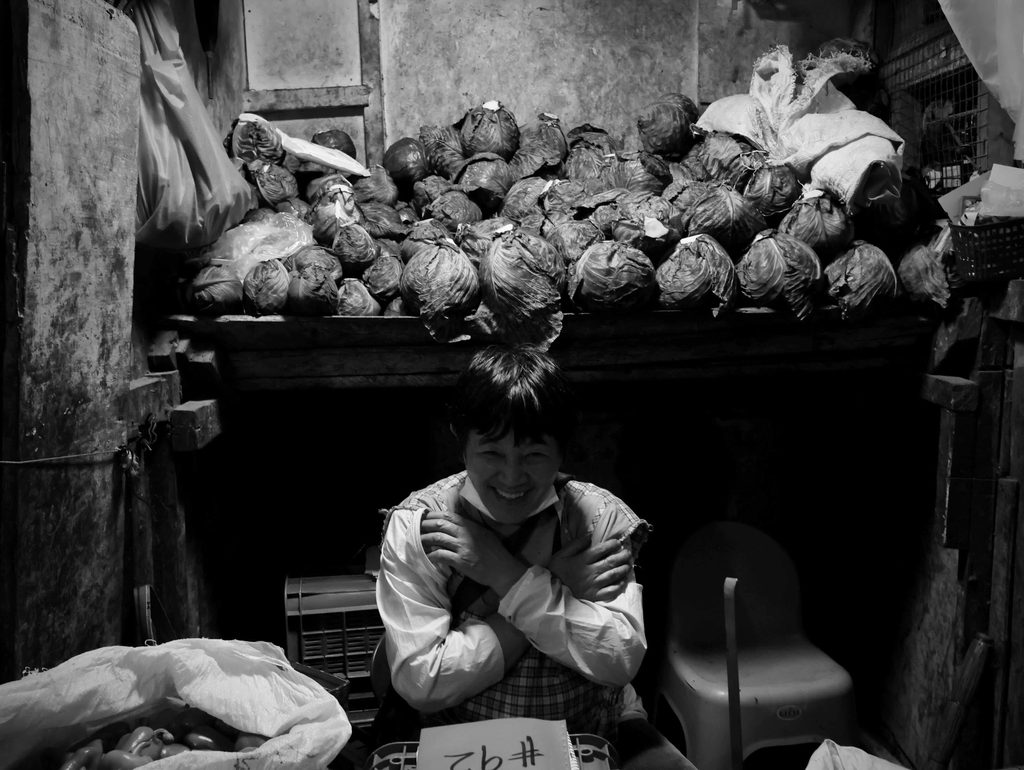
Its significance goes beyond commerce. The market is a place where livelihoods are sustained, relationships are built and the produce of the Cordillera and neighboring provinces finds its way to people’s tables.
But the market is also at the center of a difficult question: how do you modernize a public space without losing what makes it public?
Plans to redevelop the market have stirred debate over its future, including proposals for a multilevel commercial facility, the role of private investment and the concerns of vendors whose livelihoods depend on the existing market. In January 2026, SM Prime Holdings withdrew its proposed public-private partnership project following opposition and disagreements among stakeholders. The city then began exploring other options for redevelopment.
The debate is not simply about construction or demolition. It is about sanitation, accessibility, working conditions, heritage, public ownership and the future of thousands of people who depend on the market.
Who should decide what the market becomes? How can it be improved without displacing the people who have made it function for generations? And how do you preserve its character while responding to the demands of a modern city? The people
I had no intention of answering all these questions with a camera.
I simply wanted to photograph the market for myself — to see what I could preserve through my own perspective, and perhaps what I might discover that another photographer had not seen.
Could I immortalize a moment in a way that was uniquely mine?
‘PALENGKE O SA MALL?’
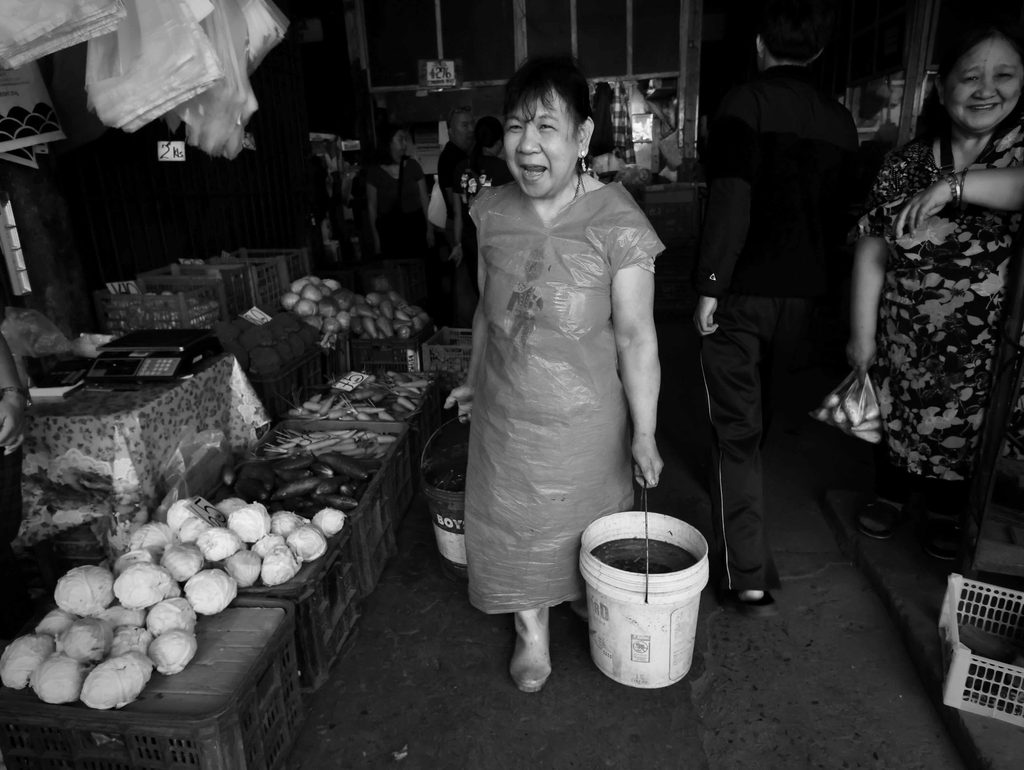
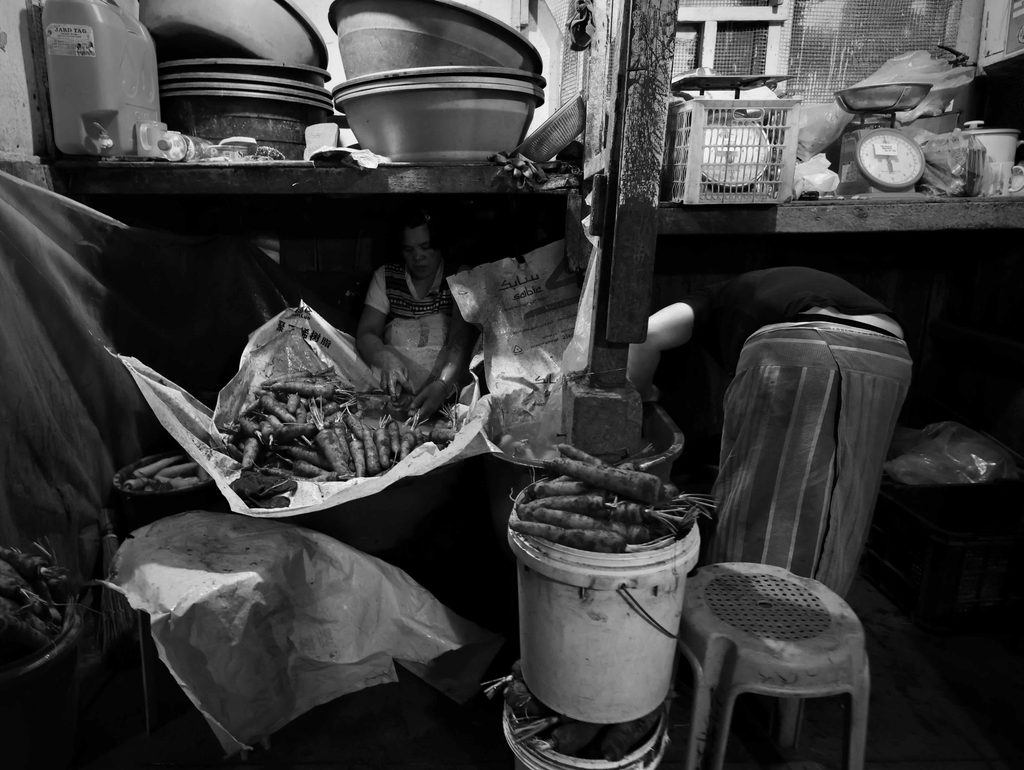
“Mau san ka? Dito ako sa palengke. Kita tayo sa Luisa’s.”(Where are you? I’m at the market. Let’s meet at Luisa’s.)
I met Mauricio Victa, an award-winning photojournalist and our correspondent at BusinessMirror, at Luisa’s after my public market gig, for a few beers and something to eat. Afterward, I continued celebrating my birthday at a friend’s house.
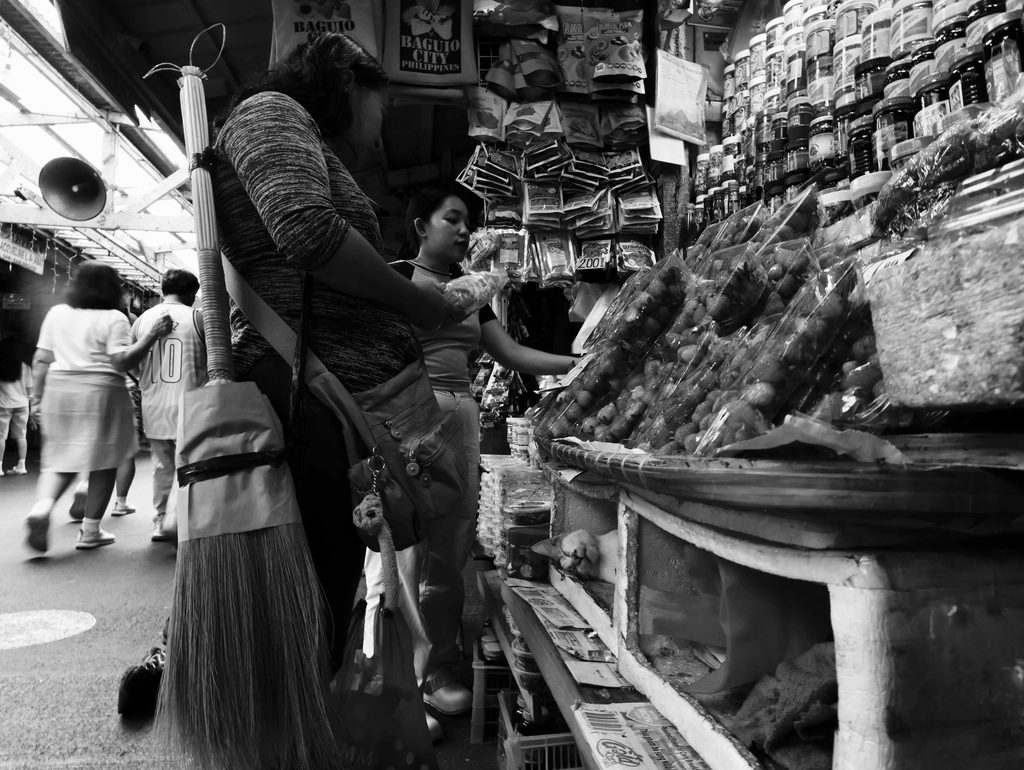
We brought a chocolate cake (courtesy of Ana Marie Calapit of Word Cup family) to Aurora Hills, where a fraternity brother from Pi Sigma, Euegenio Alcanzare, came from Pampanga to share his music later in Luisa’s during impromptu performamance later in the evening.
“San tayo matutulog? Kila Chris natawagan ko na,” Brod Eugene confidently told this writer.
We were welcomed by Chris Aquino in his home. It was my first time meeting Chris Aquino, although we had common friends.
After sharing the cake with his partner, the four of us returned to Luisa’s, where I had invited several journalist-friends for a post-birthday get-together.
Frank Cimatu, JJ Landingin and Harley Palangchao — all accomplished journalists in their own right — made it. Dave Leprozo Jr., Thom Picaña and Andy Zapata and another fraternity brother Artemio Dumlao were unable to join us that evening.
As usual, the conversations went on. There were stories from assignments, recollections of old friends and the kind of exchanges that only happen when people who have spent years in journalism sit around the same table. Toast of glasses and laughter fill the air.
A few rounds later, the evening had to end. By around 10 p.m., we headed back to Aurora Hill.
Chris and his partner were gracious enough to let us sleep in their room.
“Maliligo ka, bro?”
It was a polite and practical question. Water was being rationed, and as a guest who had practically gate-crashed for the night, I knew that timing mattered. It was not a question of hospitality but of reality.
Water is a daily concern in a city that welcomes so many people while trying to meet the needs of its own residents. I was grateful for their generosity. They gave us a place to sleep and spared us the possibility of ending up in Burnham Park for the night.
A CITY OF PINE TREES (AND HARD QUESTIONS)
The following morning, as soon as the sun was up, I packed my things and prepared to leave for Quezon Hill. Getting a jeepney, taxi or Grab ride during the morning rush could be difficult, so I had to make the most of the time available.
Three days, I was beginning to realize, would never be enough.
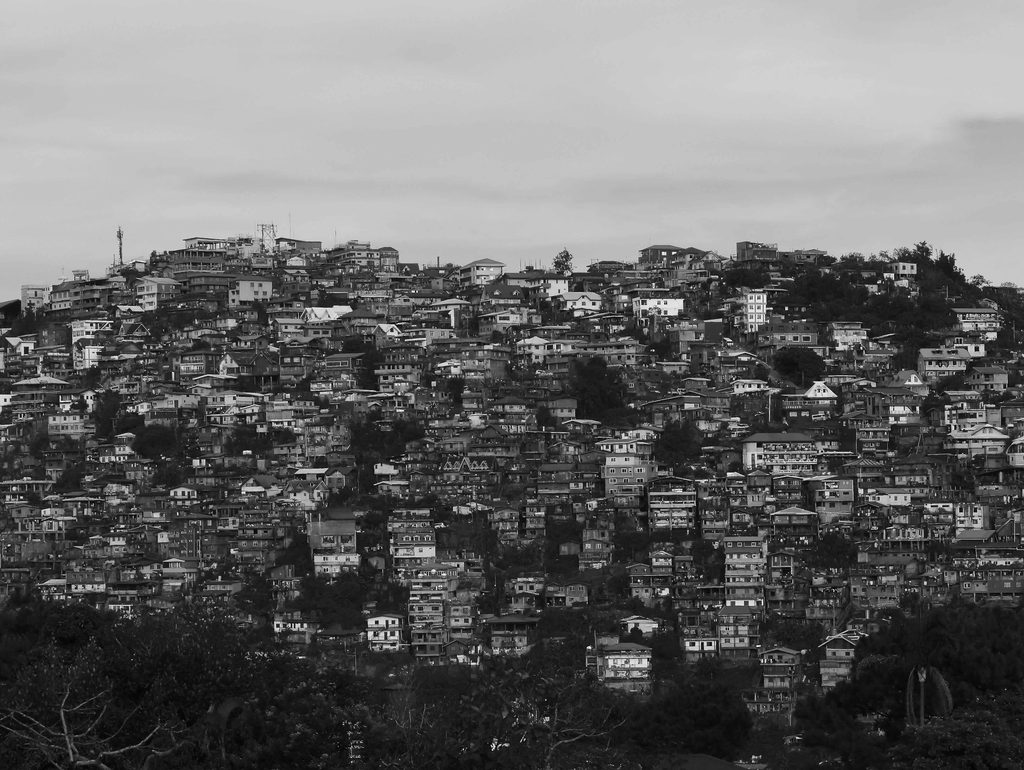
Baguio sits at an elevation of roughly 1,500 meters above sea level, but its character cannot be measured in elevation alone. Its crowded neighborhoods, its busy commercial center and its changing landscape tell a different story from the familiar image of pine trees and cool mountain air.
The hills are part of the city’s geography, but they are also home to communities whose daily lives are shaped by traffic, access to services, water supply and the pressures of urban growth.
During one of our conversations, Frank Cimatu remarked casually, “Marami tayong friends na gagawin lang naman tulugan ang Baguio,” probably with a bit of sarcasm.
(We have many friends who use Baguio merely as a place to sleep.)
I kept thinking about that observation.
During the holiday season, many visitors arrive with their own itineraries. They spend the day exploring attractions, eating out and shopping, then return to their accommodations at night. For them, Baguio is a temporary escape from the heat and congestion of the lowlands.
But for the people who live there, the city is home. They must deal with the everyday consequences of a growing population and a continuing influx of tourists.
With the threat of El Niño and the prospect of tighter water supplies, the challenge becomes more urgent. How much water will be available for residents? How will the city accommodate visitors without compromising the needs of its own people?
Frank’s remark brought to mind the familiar image of people lining up with buckets whenever water becomes scarce. Without making light of a serious problem, one could imagine a pila-balde situation — a queue for water becoming part of the city’s daily routine, in its literal sense.
The question is whether the city’s response can go beyond asking people to conserve water and carry buckets. Mitigation, infrastructure and long-term planning must also be part of the conversation.
For a photographer, these are not always easy subjects to capture. Water scarcity, congestion and the pressures of urban growth are often experienced through small, ordinary inconveniences rather than dramatic scenes.
Sometimes, the story is in the queue, the waiting, the tired face of a commuter or the vendor who has to open a stall despite the uncertainty of the day.
These, too, are photographs worth making.
“PINUTOL NA PINE TREES”
My third night was to be spent at a cousin’s cousin’s house in Tuba, Benguet, roughly an hour’s drive from Baguio’s downtown area, depending on traffic.
Before heading there, I met Ate Olive Tiam. We ate lunch at an Indian restaurant. She brought me to her office near Burnham Park and Venus Parkview Hotel. After a snack at SM Baguio, I asked if we could head home.
“Pagod na ang katawang-lupa,” I told her. (My earthly body was tired.)
Ate Olive was already in her seventies, but her energy and movements suggested someone much younger. She told me that she did not take maintenance medication and attributed her good health to the supplements she used, including products from 4Life. That was her personal account, and I could only admire her energy and enthusiasm.
Over our conversation, she recalled the construction of SM Baguio and the cutting of thousands of pine trees. It pained her to see trees disappear from a landscape that had been part of her life since her university days.
For her, the pine trees were not merely part of the scenery. They were living reminders of the Baguio she had known as a young woman.
She spoke of their shade, the cooler air and the distinctive scent of pine trees that made the city feel different from anywhere else.
Her memories reminded me that urban development is not only about buildings, roads and commercial opportunities. It is also about what people lose when a familiar landscape changes.
Ate Olive’s recollections were personal, but they raised a question that has become increasingly relevant to Baguio: how does a city continue to develop without losing the natural features and shared memories that make it distinct?
After dinner, we had a satisfying meal of adobong sitaw and chicken cooked in a special pan without oil. Then it was time to bathe and get some sleep.
“Maligo ka para makatulog ka nang maayos.” Bombs away too. (Take a bath so you can sleep well.)
It was a simple reminder at the end of a long day, and I was happy to follow it.
SUNDAY BAGUIO SUNDAY
On Sunday, I had another reason to feel proud.
I saw the work of my inaanak, Ajna Domingo, whose photo essay, Biyahe, offered a different perspective on Baguio through the eyes of a Gen Z photographer.
I admired the way she saw the city. Her work reminded me that every generation has its own way of observing the world, finding meaning in familiar places and translating experience into photographs.
I wished I could shoot like her.
I felt the same way when I saw Sa Pisngi ng Langit, the exhibition by Luis Liwanag and his circle of photographers. It was a fine collection of work, and it reminded me of how much there is to learn from people who have spent years looking closely at the world around them.
One lesson I have always associated with Luis is the importance of being there — of allowing yourself to witness the poetry unfolding before your eyes before freezing a moment into a photograph.
You have to be present to see the moment. You have to be patient enough to wait for it. And you have to be willing to recognize its meaning, even when it appears ordinary to everyone else.
Baguio has no shortage of photographers capable of showing the city at its most beautiful. Its landscapes, heritage sites, markets, parks and streets have been photographed countless times. There are masters whose work can teach us how to use light, composition and timing to make a compelling image.
I was in Baguio for a reason.
I was there as a guy with a camera and a lot of questions.
I wanted my photographs to be personal, to tell a story from my own point of view. I wanted to see beyond the postcard images and the familiar attractions, beyond the cool weather that draws people from the lowlands.
I wanted to see the people who make the city work: the vendors, commuters, workers, artists, journalists, students and residents who go about their lives while the rest of us pass through.
Three days were hardly enough to explore Baguio’s vast and changing landscape. There were still streets I had not walked, people I had not met and stories I had not heard.
But perhaps that is the point of returning to a place you thought you already knew.
You discover that you have never really seen all of it.
The city has changed since my assignments in the 1980s. Session Road is no longer simply the street I remember from nights spent with fellow journalists. The public market is more than a place to buy vegetables and souvenirs. The hills are more than landmarks on a map. And the pine trees are more than the familiar symbols of a city that has long offered an escape from the heat.
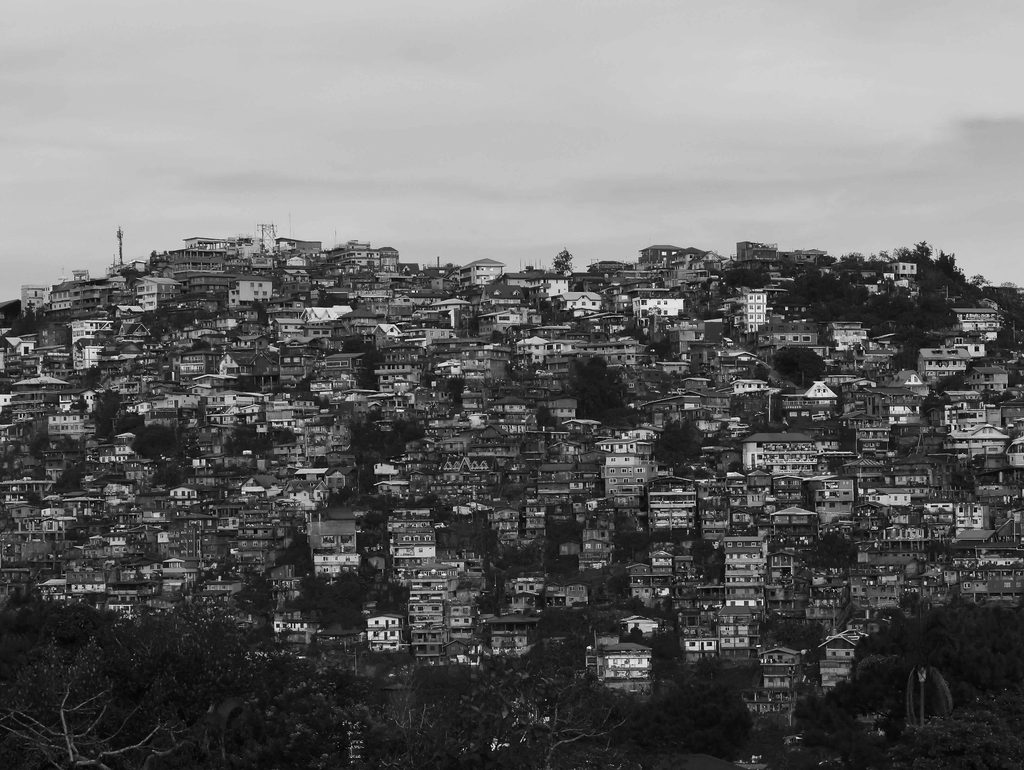
They are all part of a larger story about people, memory, development and the struggle to preserve what matters.
As a photojournalist, I have spent much of my life documenting other people’s stories. This time, I wanted to make photographs that reflected my own encounter with a city I had visited many times but had never truly explored.
I may not have had the luxury of time, but I had my camera, my curiosity and the opportunity to begin again.
And so, on a Sunday in Baguio, I went looking for the human spirit — one street, one face and one fleeting moment at a time.
A Sunday, Baguio, Sunday.
FULL GALLERY:
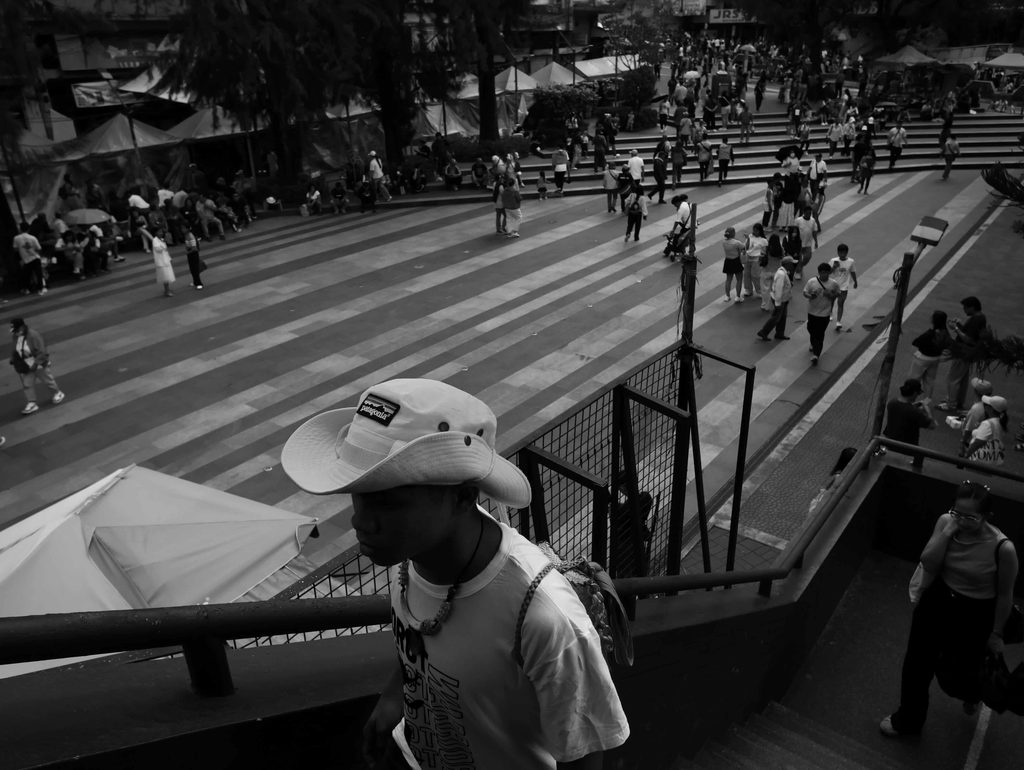
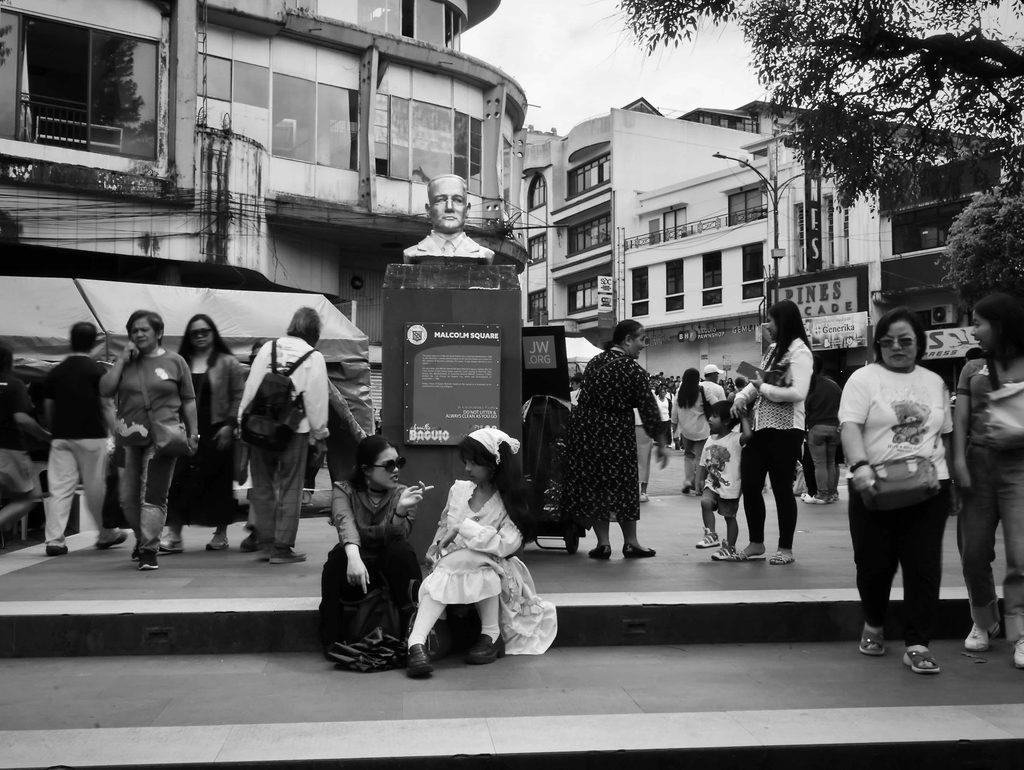
All photos are taken by Bernard Testa.

Bernard Testa photographs human triumphs, evoking emotions of struggles between the good, the bad and the ugly. He was a former president of the Press Photographer of the Philippines. Before joining BusinessMirror and Philippines Graphic magazine, he was the photographer of the now defunct InterAksyon.com