

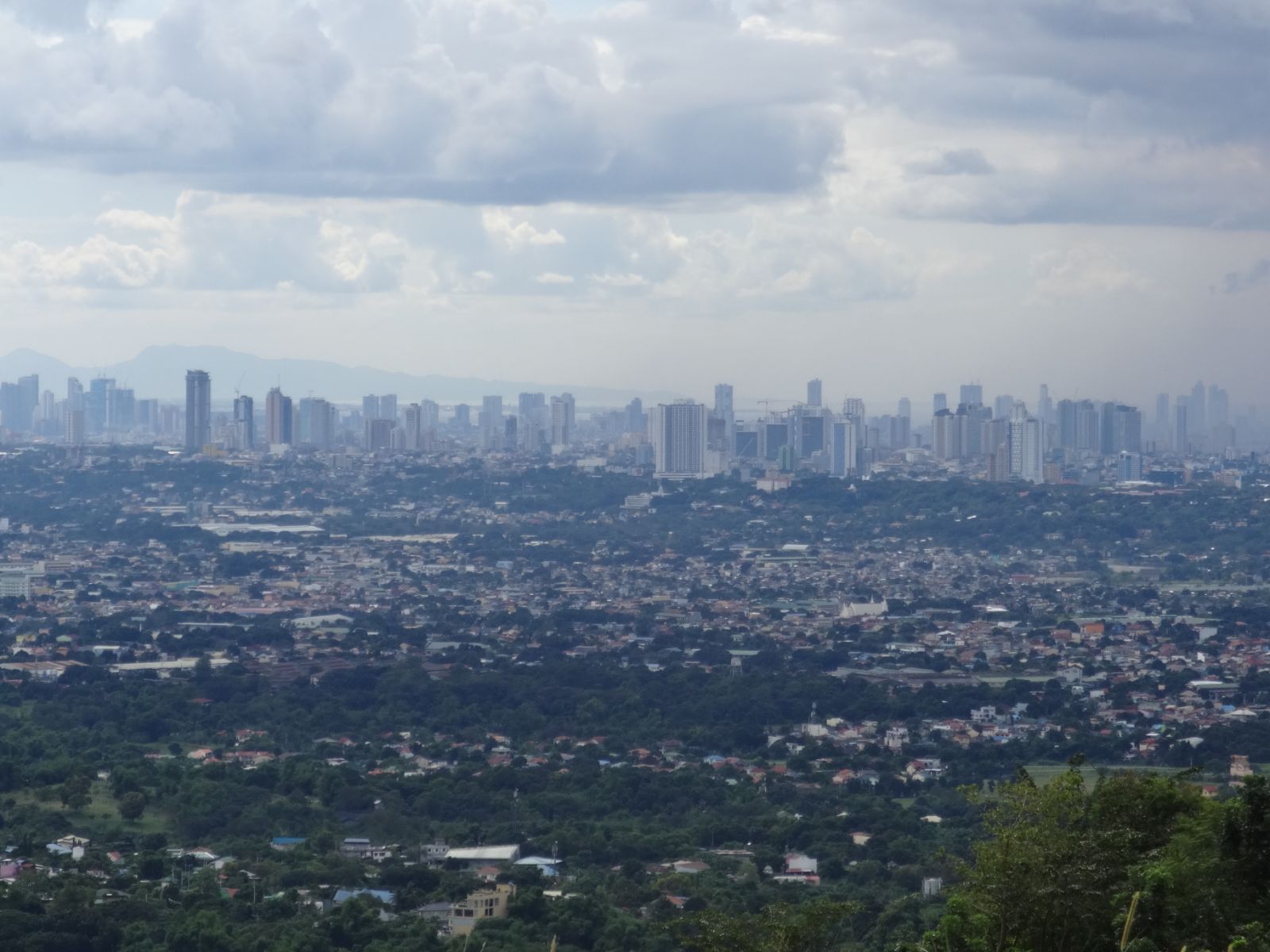
Metro Manila hums with voices from all over the Philippines—and the world. In the city’s crowded markets, one might hear Kapampangan, Pangasinan, Chavacano, or even Hokkien and Nepali mingling with the street noise. According to new research published by the London School of Economics’ Southeast Asia Centre, the capital region now hosts at least 217 local and international languages.
But behind this multilingual vibrancy lies an unsettling truth: many of these languages, especially indigenous Philippine tongues, are quietly disappearing.
A Melting Pot on the Brink
In her blog post “Metro Manila’s Linguistic Paradox: A Melting Pot on the Brink,” author and Karay-a native Anna Mae Lamentillo warns that urban life, national policy, and social stigma are eroding linguistic diversity. “Languages once rich with songs, rituals, and ancestral wisdom fade alongside the cultural practices they carried,” she writes.
The Philippines is home to 175 living indigenous languages, yet 59 are already classified as endangered. UNESCO projects that nearly half of the world’s 7,159 languages could vanish by century’s end. In the Philippines, the dominance of Filipino—a Tagalog-based national language—and English in education, media, and governance leaves little room for regional tongues to thrive.
The Stigma of “Speaking Properly”
One of the quietest yet most damaging forces at play is linguistic stigma. Regional accents are often mocked as “provincial” in schools, offices, and even casual conversation. As a result, many young migrants to the city abandon their mother tongues, favoring a more “neutral” Filipino or English to fit in and access opportunities.
Institutional barriers deepen the problem. Government forms and legal processes rarely accommodate non-Tagalog languages, and mainstream media gives scant airtime to local dialects. For many, adopting the dominant language becomes not just a choice but a necessity for social mobility.
Seeds of Hope for Endangered Tongues
Lamentillo’s work is not without optimism. She points to bilingual education programs in Mindanao that use local languages in early-grade instruction, a model shown to improve literacy and cultural connection. Digital platforms are also emerging as lifelines—Aeta-language podcasts, Mangyan vocabulary apps, and Ilocano music channels on social media are preserving linguistic traditions in modern spaces.
She envisions Metro Manila itself becoming a hub for revitalization, hosting language cafés, storytelling nights, and cultural programs in universities and community centers. Media outlets could air films and radio segments in lesser-known tongues, treating them not as quaint relics but as living, evolving languages.
The Call to Preserve Voices
For Lamentillo, Metro Manila embodies both the hope and the hazard of globalization. “The paradox of Metro Manila—its capacity to shelter 217 languages while endangering many of its own—underscores the twin forces of diversity and homogenization in our globalizing world,” she writes.
Her call to action is clear: the Philippines must embrace multilingual policies, support community-led initiatives, and leverage technology to safeguard its linguistic heritage. “The moving figure of 217 languages will doubtless grow,” she notes. “And with it our responsibility to ensure that no tongue ever falls silent.”
If Metro Manila succeeds, it won’t just be a city of many voices—it will be a city that refuses to let any of them fade away. — Anna Mae Lamentillo

Started in 1927, the Philippines Graphic is the longest-running printed magazine of national circulation that provides relevant news and features and promotes Philippine literature.