


VIA GRAPHIC PLUS | MANILA, Philippines (August 28, 2026) — Representing millions of member-owners across 16 Regional Coop Chambers from the Cordillera Administrative Region (CAR) to CARAGA, the Philippine Chamber of Cooperatives, Inc. (Coop Chamber) formally announces the convening of the 3rd National Leadership Congress (NLC).
Guided by the central theme, “Economic Strength to Political Voice: Organizing the Cooperative Vote for National Governance,” the congress marks a historic turning point where the grassroots economic machinery of the cooperative movement directly informs national policy and governance.
For decades, primary cooperatives have served as the quiet backbone of the Philippine economy, driving financial inclusion, supporting smallholder agriculture, empowering transport workers, and fueling community enterprises. The 3rd National Leadership Congress signals a decisive evolution: transforming this immense economic presence into a unified, organized, and non-partisan political voice.
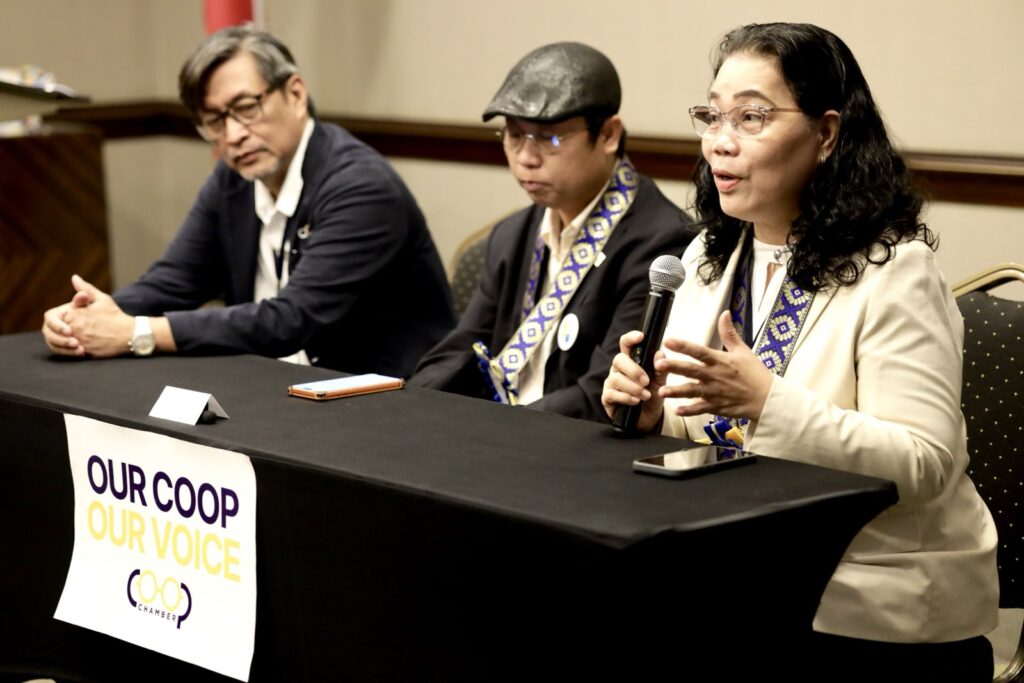
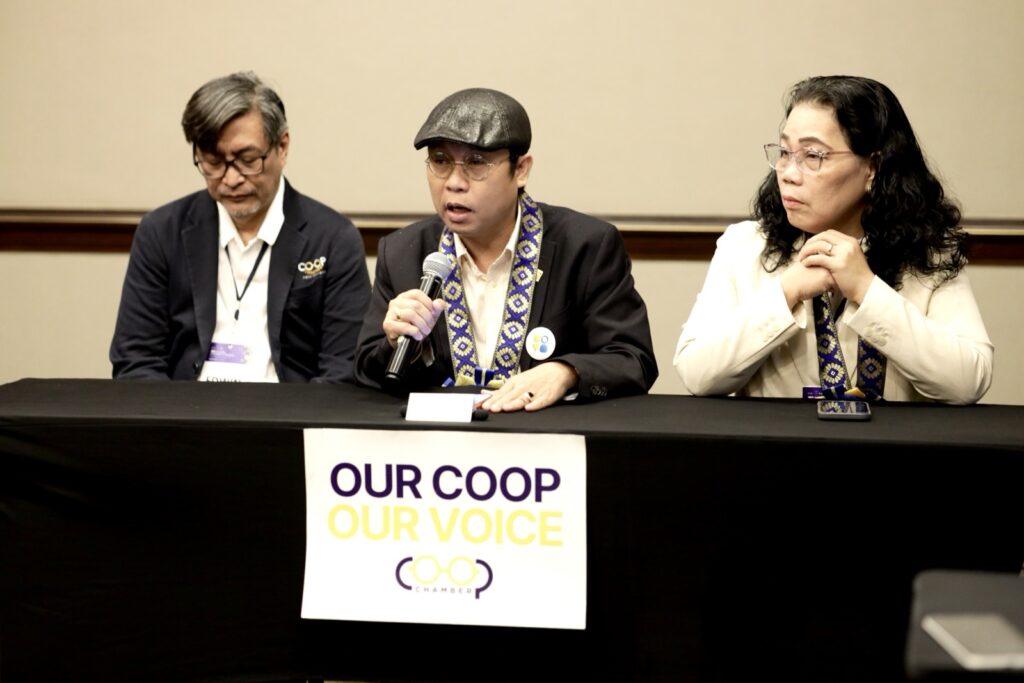

Voices from the Leadership: A Shared Vision for National Progress
Leading the call for structural reform and direct political advocacy, the leadership of the Coop Chamber highlights the imperative of organizing the sector’s grassroots strength.
“Peace, economic stability, and shared prosperity are built when everyday citizens have a genuine stake in nation-building,” stated Noel D. Raboy, Chairperson of the Coop Chamber.
“The Cooperative Vote is not about seeking partisan favors, it is an exercise in democratic self-determination. We are inviting national leaders, from the halls of Congress to executive agencies, to stand alongside the millions of Filipinos who build our local economies every single day.”
Highlighting the mechanics of regional mobilization and legislative leverage, Edwin A. Bustillos, Secretary General of the Coop Chamber, declared:
“The Senatorial Project and the Coop Vote are not merely political exercises, they are a structural awakening. By organizing primary cooperatives across all 16 regions into a disciplined, proactive legislative bloc, we are making it clear that no national policy, budget, or reform will be forged without honoring the voices and livelihoods of our millions of member-owners.”
Emphasizing the foundational principle of democratic governance at the primary level, Marlene Sindayen, Vice Chairperson / Trustee of the Coop Chamber, added:
“At the very heart of the cooperative movement is the sacred principle of equity and democratic participation. Defending the ‘One Member, One Vote’ mandate guarantees that our smallest primary cooperatives, our women leaders, and our rural communities stand on equal footing in shaping the country’s economic future. True governance begins when the power remains in the hands of the people.”
A Unified Legislative Agenda: Defending Equity and Grassroots Democracy

The Coop Chamber’s movement toward direct political engagement is rooted in the urgent need to protect the constitutional mandate of cooperatives as instruments of social justice, self-reliance, and inclusive economic development. At the core of the 2026–2028 Priority Executive and Legislative Agenda are key principles designed to safeguard and empower primary cooperatives:
Preserving Democratic Governance (“One Member, One Vote” & “One Coop, One Vote”):
Defending absolute democratic equality across all tiers of the movement, protecting “One Member, One Vote” within primary cooperatives and enshrining “One Coop, One Vote” in federations or secondary cooperatives. This resists capital-weighted, corporate-style
- voting models, ensuring that primary cooperatives retain equal representation regardless of size or share capital.
Defending Social Equity & Tax Exemptions: Partnering constructively with the Executive branch and the Bureau of Internal Revenue (BIR) to enforce statutory tax exemptions under Republic Act 9520 (Philippine Cooperative Code), recognizing that cooperative
- surpluses are returned directly to local communities rather than extracted for private profit.
- Institutionalizing Local Support: Pushing for national legislation that mandates Local Government Units (LGUs) to establish dedicated Local Cooperative Development Funds (LCDF) and appoint specialized Cooperative Development Officers.
- Prioritizing Grassroots Sectors: Advocating for state procurement preference for agricultural and agrarian reform cooperatives, alongside targeted legislative support for transport modernization and utility coops.
The “Coop Vote” and the Senatorial Project 2028: Non-Partisan Advocacy in Action
To translate these policy priorities into concrete legislation, the Coop Chamber after consulting the grassroots, is officially launching its Senatorial Project 2028. Rather than aligning with shifting partisan factions, the cooperative movement is organizing its multi- 3 million voting base to engage directly with national leaders. Through this initiative, the Coop Chamber will evaluate, engage, and support senatorial candidates from its ranks who demonstrate a genuine commitment to sponsoring and protecting cooperative-friendly legislation.
A Collaborative Framework with National Government
The Coop Chamber reaffirms its dedication to working hand-in-hand with key state partners, including the Cooperative Development Authority (CDA) under Chairperson Usec. Alex Raquepo, the Senate and House Committees on Cooperatives Development, and National Government Agencies and Local Government Units.
Through collaborative dialogues, such as the high-level BIR Regulatory Forum and strategic sessions scheduled during the Congress, the cooperative sector stands ready to serve as a reliable partner in poverty reduction, food security, and sustainable economic
development.
AN INVITATION TO THE NATION
The Coop Chamber calls upon all primary cooperatives, regional leaders, civil society allies, and members of the press to join in observing this landmark gathering. Together, the Philippine cooperative sector will demonstrate how economic solidarity translates into a formidable, positive force for national governance and social progress.

Started in 1927, the Philippines Graphic is the longest-running printed magazine of national circulation that provides relevant news and features and promotes Philippine literature.

 to CARAGA, the Philippine Chamber of Cooperatives, Inc. (Coop Chamber) formally announces the convening of the 3rd National Leadership Congress (NLC). )