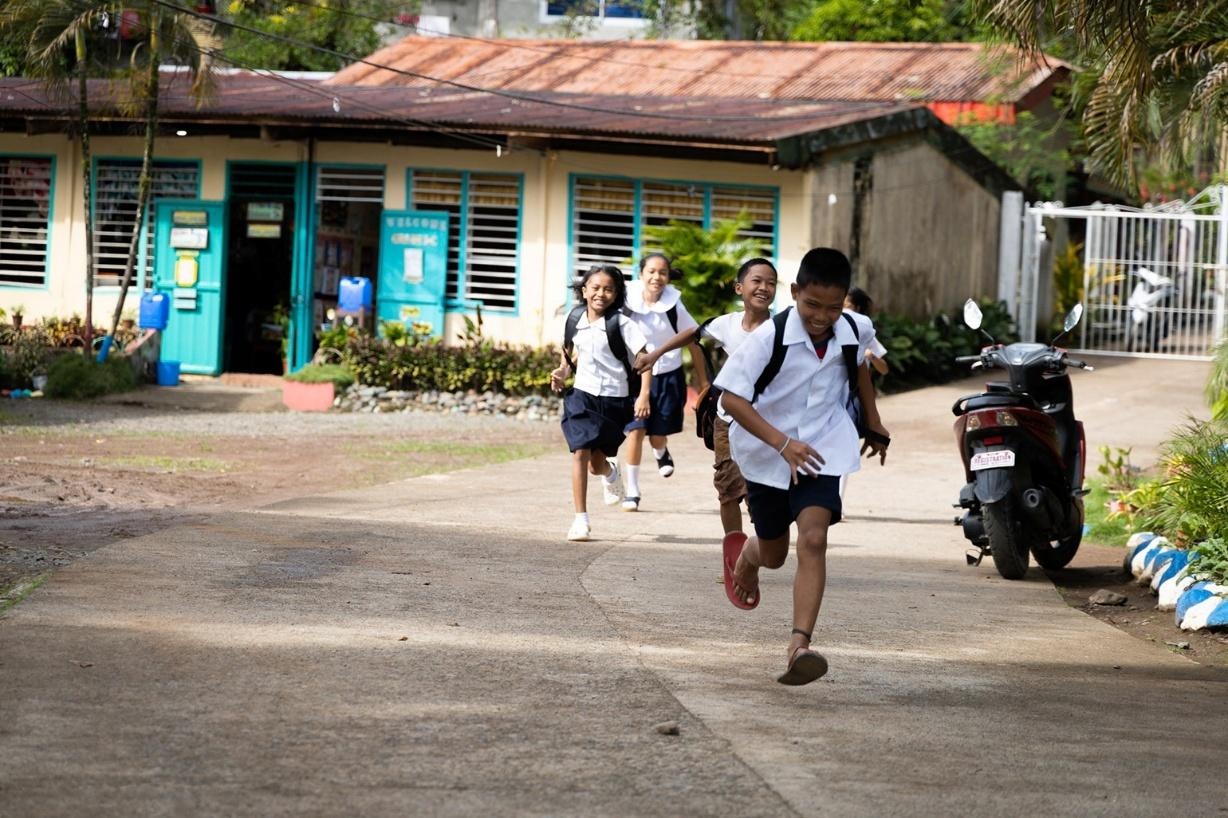
VIA GRAPHIC PLUS — Every child deserves to grow up in a safe environment—surrounded by adults who care and support them, and communities that look out for them so they can flourish and reach their full potential
Yet for many children across the Philippines, this ideal remains a challenge to achieve. In a 2024 Philippine Statistics Authority study, an estimated 509,000 children aged 5 to 17 were engaged in child labor, while a UNICEF study revealed that 23.6% of children under five were stunted in 2023, which highlights how poverty, poor nutrition, and gaps in essential services can intersect to affect children’s safety, well-being, and development.
According to World Vision Philippines’ National Director Dr. Herbert Carpio, “Too many children grow up facing risks that threaten their safety, dignity, and development. These risks are not always dramatic or visible.”
He notes that vulnerabilities can begin quietly—“in homes struggling to cope, in communities with limited services, and in systems that fail to protect the most vulnerable.”
Over time, these challenges can converge and place children at greater risk of neglect, abuse, school absenteeism, child labor, teenage pregnancy, and delayed development. What may begin as a struggle within the household can eventually affect a child’s safety, well-being, and ability to reach their full potential.
Poor health and nutrition, for example, are not only development concerns, but they affect a child’s protection. Children who are dealing with chronic illness or malnutrition may most likely miss school, withdraw socially, and require caregiving support that overstretched families may struggle to provide. In some cases, illness and hunger push children into unsafe work or leave them inadequately supervised.
Moreover, limited access to health care, weak sanitation, fragile education systems, and lack of coordination between health, social welfare, and child protection can further increase a child’s protection risks.
Dr. Carpio emphasizes that child protection today must confront these realities early and decisively. And that is why World Vision Philippines is working towards strengthening protective environments by addressing the root causes of vulnerability.
“At World Vision, child protection begins at the family and community level. This includes supporting caregivers with practical knowledge, strengthening community‑based protection mechanisms, and ensuring that children are seen, heard, and supported within their communities.”
When caregivers are equipped knowledge about health, nutrition, positive parenting, and child rights, they are empowered to provide safe, nurturing environments. Likewise, when communities understand the risks that children may face, they can leverage on prevention, making child protection more sustainable.
World Vision has consistently been strengthening coordination at the grassroots level, focusing on child protection, health, education, and livelihood actors. Protecting children requires systems that work together—systems that identify risks early, respond appropriately, and support families before harm occurs.
While significant progress has been made, there’s still more work to be done. This includes strengthening and expanding effective child protection programs within local systems, as well as stronger partnerships among government, civil society, faith groups, and communities—working together to ensure that protecting children becomes a shared and lasting commitment to helping every child thrive.
Started in 1927, the Philippines Graphic is the longest-running printed magazine of national circulation that provides relevant news and features and promotes Philippine literature.