

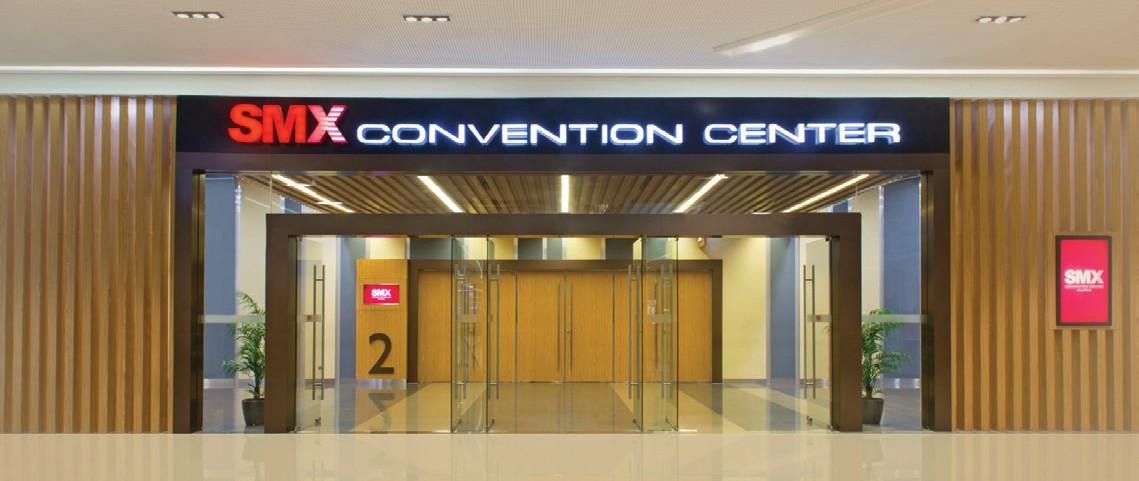
From established business districts to emerging growth corridors, SMX Convention Center is building a wider network of venues shaped by the markets and destinations they serve.
VIA GRAPHIC PLUS — The next phase of growth for the Philippine MICE industry will not be defined by a single venue or city. It will depend on having the right spaces in the right markets—giving organizers more destination choices, enabling events to reach regional audiences, and bringing business gatherings closer to the industries and communities they serve.
For SMX Convention Center, this is taking shape through an expanding nationwide network.
SMX Convention Center is the convention and exhibition brand of SM Hotels and Conventions Corp. As the country’s largest privately owned convention center operator, SMX has established venues across Metro Manila, Central Luzon, the Visayas, and Mindanao. Its portfolio ranges from large convention and exhibition centers to flexible trade halls, allowing it to serve international exhibitions, national conventions, corporate meetings, consumer fairs, and social events of different sizes.
What connects the network is not simply a common brand. Each venue is positioned within a place where accessibility, surrounding industries, commercial activity, hospitality infrastructure, and delegate appeal can support a viable events market.
“We are not expanding simply to add square meters. We are developing the right kind of venue for each market, from large-scale exhibition capacity in Manila and a major convention destination in Cebu to flexible spaces closer to emerging business corridors. Through this network, SMX can serve a wider range of organizers while strengthening the Philippines’ overall MICE proposition,” said Peggy Angeles, Executive Vice President of SM Hotels and Conventions Corp.
Manila: Expanding capacity for major exhibitions
SMX Convention Center Manila remains the flagship of the network and one of the country’s principal venues for major trade exhibitions, conventions, and corporate events.
Its location within the Mall of Asia Complex is integral to its role. Organizers and delegates have access to hotels, retail, dining, entertainment, and the SM Mall of Asia Arena within one established business and lifestyle district. Its proximity to the airport also supports events involving international exhibitors and participants.
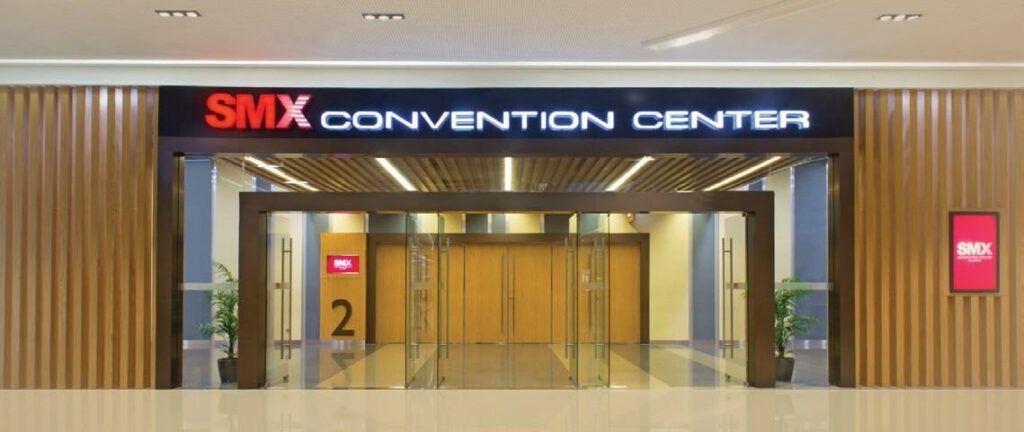
With 17,170 square meters of leasable space, SMX Manila can accommodate large exhibitions and conventions alongside meetings, breakout sessions, and other components of a broader event program.
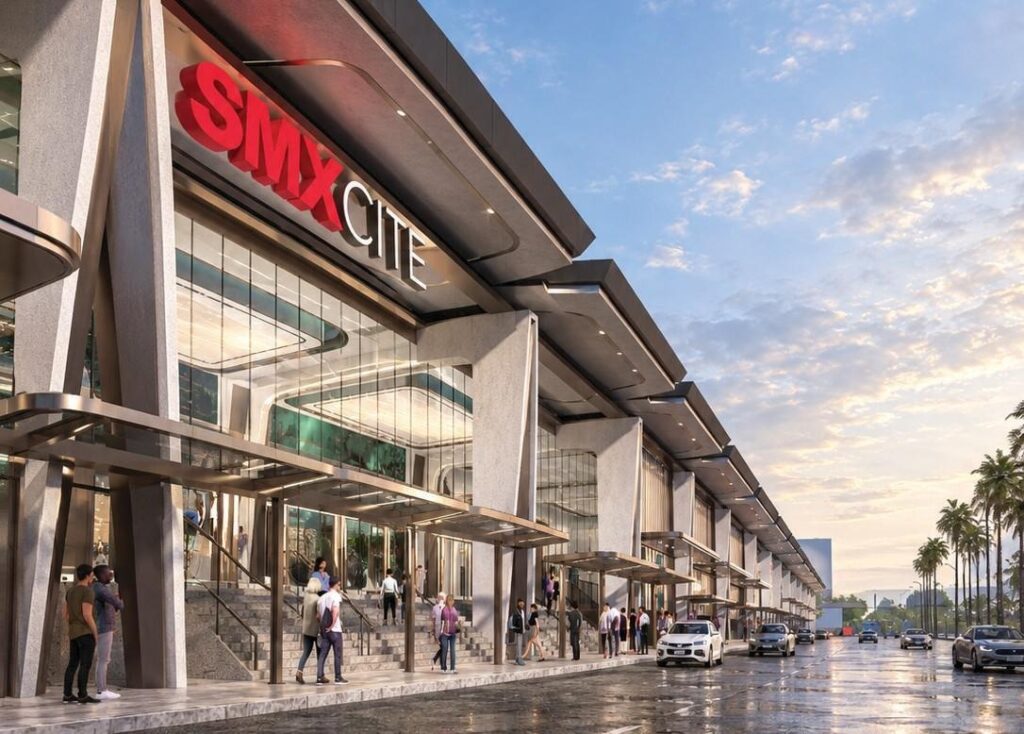
The arrival of SMXCITE Center for International Trade and Exhibitions will significantly strengthen this capability.
Scheduled for 2027, SMXCITE will add more than 18,000 square meters of purpose-built trade hall space within the Mall of Asia Complex. Together, SMX Manila and SMXCITE will provide more than 35,000 square meters of event and exhibition space within one destination.
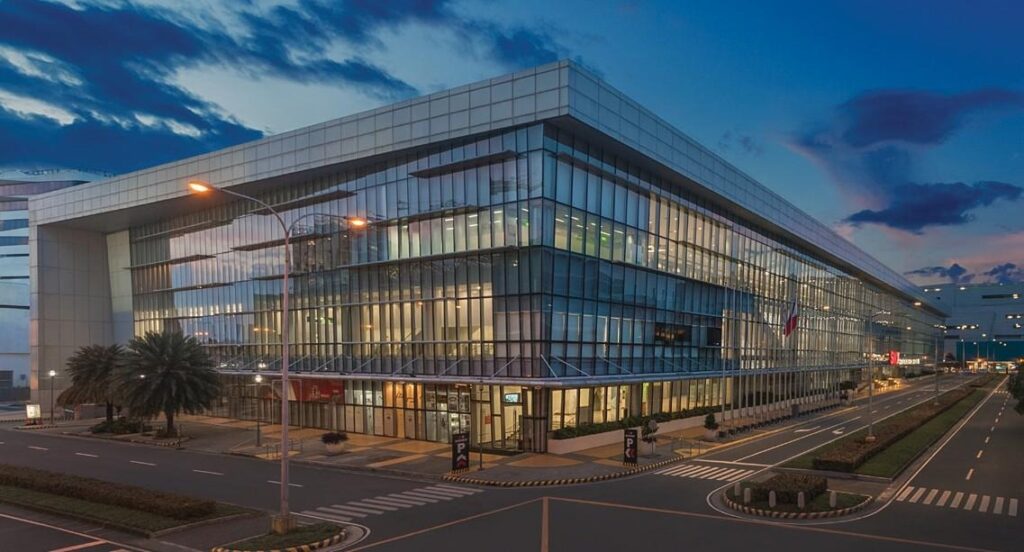
Upon completion, SMXCITE will be the country’s biggest exhibition and trade hall, expanding Manila’s capacity to host major trade shows and giving established exhibitions more room to grow.
The two venues will perform complementary roles. SMXCITE is being developed primarily for large-format trade exhibitions. SMX Manila will continue to provide the convention, function, meeting, and exhibition spaces that support more complex event programs.
Few destinations in the region can offer this much floor area, technical capability, and integrated hospitality within a single complex. It also gives established Philippine trade shows room to grow as their space and operational requirements increase.
Distinct venues for Metro Manila’s business centers
While SMX Manila serves the large-scale events market, SMX Convention Center Aura answers to a different crowd: the corporate and professional communities of Bonifacio Global City.
Located within SM Aura Premier, it sits close to corporate headquarters, embassies, technology companies, professional firms, and premium residential and hospitality developments. Its function rooms and meeting spaces suit conferences, executive forums, product launches, and association events—the kind of gatherings that benefit from being inside Taguig’s business district rather than adjacent to it.
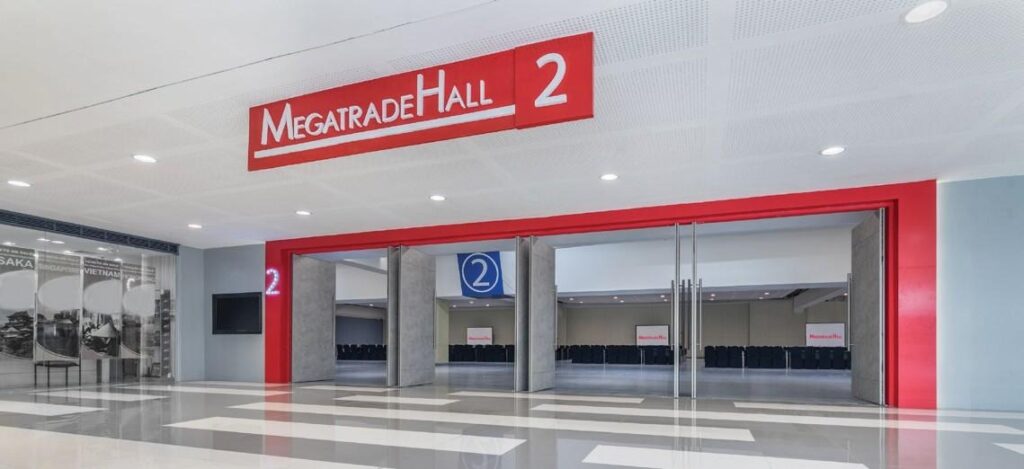
Megatrade Hall, in Mandaluyong, occupies a different but equally distinct position. Located inside SM Megamall, it places exhibitions and activations within one of Metro Manila’s busiest commercial centers.
The venue has long served consumer fairs, retail events, entrepreneurial showcases, and product launches. Its mall setting provides convenient access to a broad consumer market, making it particularly relevant for events in which commercial exposure matters as much as the gathering itself. Together, SMX Manila, SMX Aura, and Megatrade Hall show how venues within the same metropolis can address different audiences, formats, and business objectives.
Clark: A connected gateway with a distinct destination experience
SMX Convention Center Clark, in Pampanga, supports the continuing development of Clark as a business, tourism, and transportation gateway.
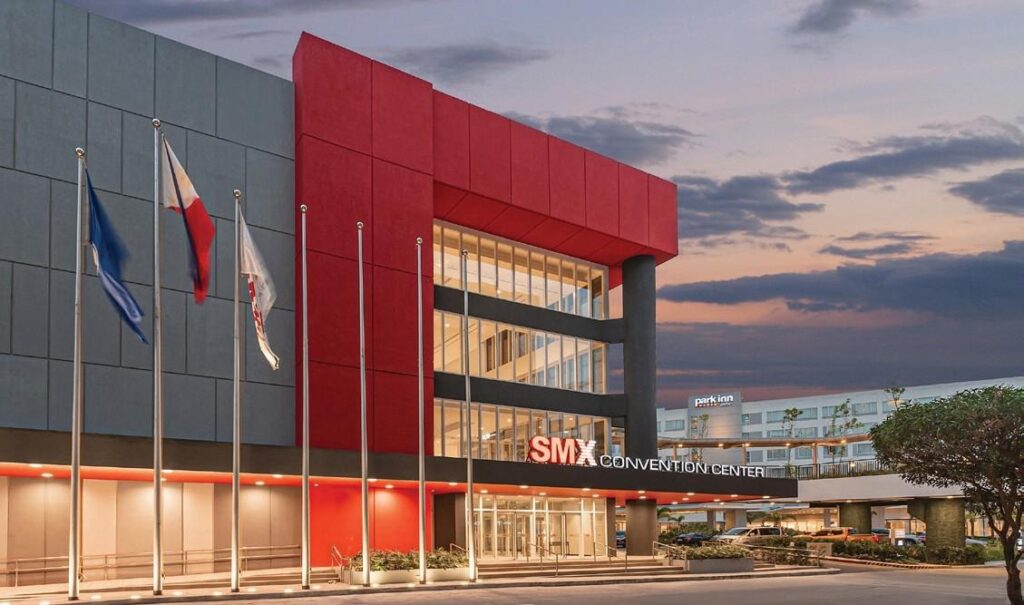
Its proximity to Clark International Airport makes the venue accessible to delegates from other parts of the Philippines and abroad, while its location connects it to the wider Central and Northern Luzon markets.
Clark’s activity in aviation, logistics, manufacturing, hospitality, and tourism gives the destination a relevant base for industry exhibitions and regional trade events alike. SMX Clark lets organizations bring these gatherings closer to the businesses, institutions, and stakeholders operating in the region.
For visiting delegates, Clark offers more than ease of access. Pampanga’s distinctive culinary culture, heritage attractions, and leisure offerings can become part of the event experience through hosted dinners, incentive activities, and pre- or post-event itineraries.
International connectivity, an expanding business base, and a strong sense of place: together, they give Clark a clear standing as a MICE destination outside Metro Manila.
Olongapo: Connecting business events with the Subic destination
SMX Convention Center Olongapo serves Olongapo City, Subic Bay, Zambales, and neighboring provinces.
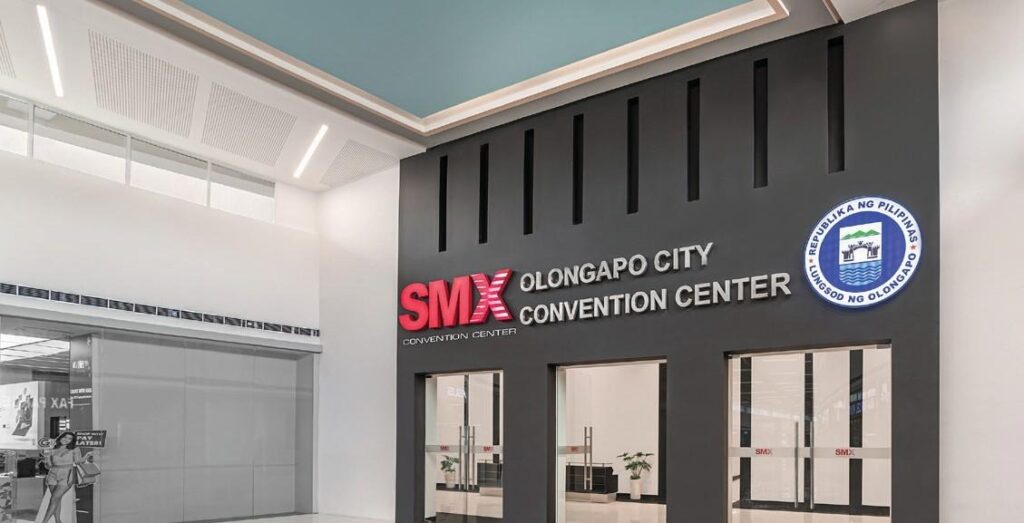
Located within SM City Olongapo Central, it provides a flexible regional venue for conventions, meetings, and corporate functions, as well as community gatherings and celebrations. Its presence allows organizations operating in the area to hold professionally managed events closer to their constituencies rather than bringing every gathering to Metro Manila.
The venue also draws on its connection to the wider Subic area, where maritime, logistics, commercial, and government activity provide a steady base of business events—from agency conventions to industry meetings tied to the Subic Bay Freeport Zone.
That makes Olongapo a practical choice for government agencies, associations, and regional organizations that need reliable, professionally managed event space without the cost or distance of holding every gathering in Metro Manila.
Bacolod: Regional enterprise with a strong sense of occasion
SMX Convention Center Bacolod serves a market known for both its business activity and its culture of hospitality and celebration.
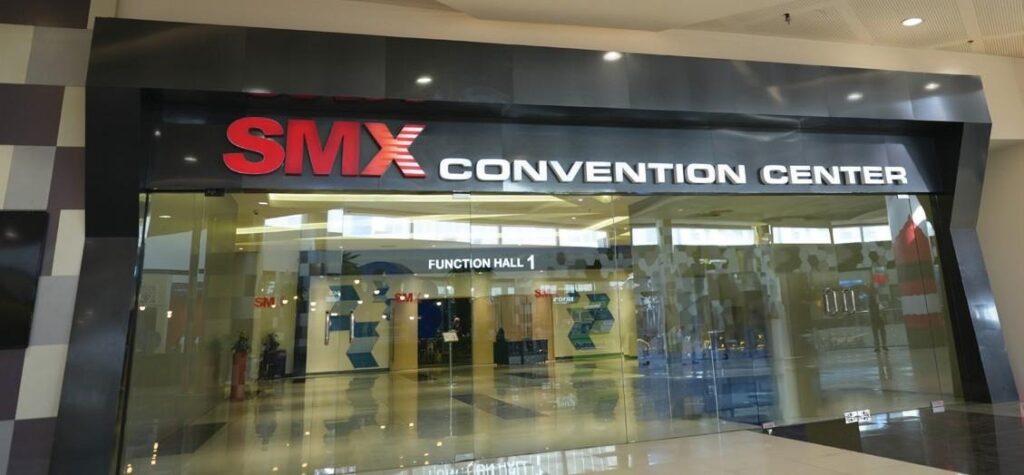
Located within SM City Bacolod and connected to Park Inn by Radisson Bacolod, the venue offers 4,629 square meters of flexible space for conventions, corporate functions, exhibitions, concerts, and social occasions.
Its scale allows Bacolod to host major gatherings within the province while continuing to serve smaller meetings and local business events. The venue responds to the corporate, agricultural, food, and tourism markets of Negros Occidental without being limited to a single event category.
The place itself adds character to the experience. Bacolod’s food culture, heritage, and easygoing atmosphere provide material for welcome activities, delegate dining, and short itineraries around the city and the province. Its reputation for celebrations also supports a capable local community of caterers, event producers, designers, and performers.
For organizers, the value lies in the combination: flexible event facilities, direct access to hotel and retail amenities, and a local identity that folds naturally into the program.
Cebu: Building a major integrated MICE destination
SMX’s presence in Cebu began with Sky Hall Seaside Cebu, a flexible indoor and outdoor venue at SM Seaside City Cebu.
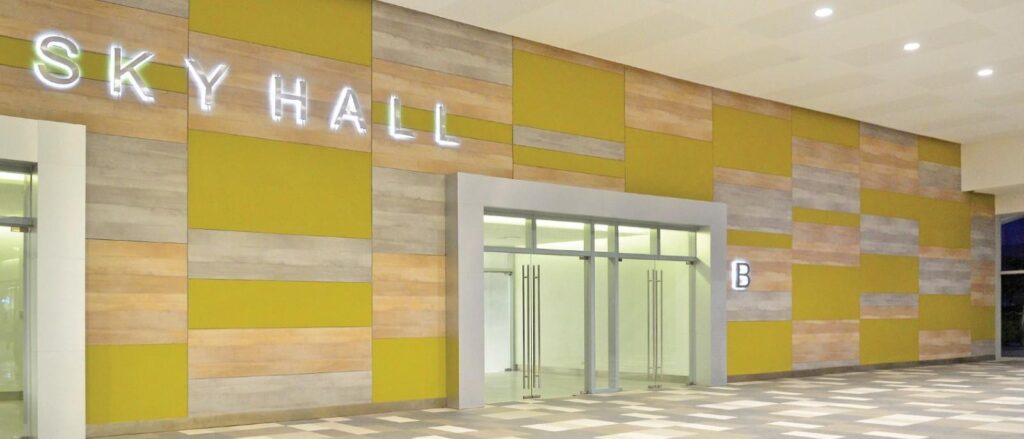
Its halls and Sky Garden have hosted corporate functions, consumer events, community gatherings, and celebrations. More importantly, the venue established the SMX brand within the South Road Properties, one of Cebu’s most significant development corridors.
That presence is now entering a much larger phase through SMX Convention Center Seaside Cebu.
Set to open in early 2027, the new venue will offer approximately 21,000 square meters of leasable event space, including four trade halls, eight function rooms, and 19 meeting rooms. It will be capable of accommodating large exhibitions, international and national conventions, business summits, and major social functions. Upon completion, it will be the largest convention center in the country.
Its role goes beyond adding another venue to Cebu. It addresses the need for convention and exhibition capacity substantial enough to support events that might otherwise be concentrated in Metro Manila.
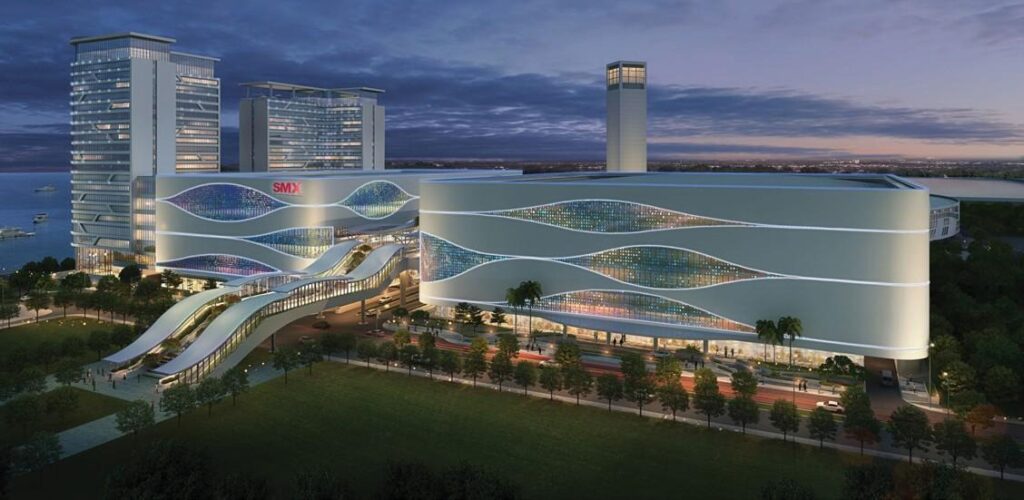
Located within the SM Seaside Complex, the convention center will connect to SM Seaside City Cebu via a link bridge and stand adjacent to the upcoming SM Seaside Arena. The wider development will also include two SM Hotels properties—Radisson and Park Inn by Radisson—giving organizers and delegates convenient access to accommodations, retail, dining, leisure, and
large-scale entertainment within one connected district. Access to the Cebu-Cordova Link Expressway and Mactan-Cebu International Airport further supports events drawing participants from across the Visayas and international markets.
Cebu’s broader appeal strengthens the case for the venue. The city combines an established business and hotel base with domestic and international air connectivity, heritage, distinctive cuisine, and access to resort and leisure experiences. Organizers can build convention, incentive, and pre- or post-event components around the same city.
With greater venue capacity now backed by that tourism and business ecosystem, Cebu is positioned to pursue larger regional and international events—and to keep more of the activity around them within the Visayas.
Davao: A Mindanao platform for business and destination-led events
SMX Convention Center Davao provides a major platform for business events in the country’s south.
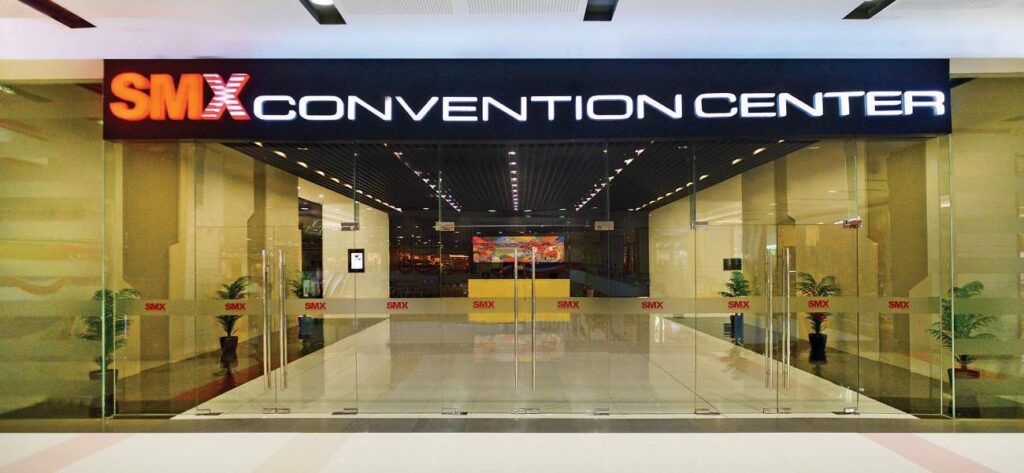
Located within SM Lanang Premier, connected to Park Inn by Radisson Davao, and within convenient reach of the airport, the venue is positioned to receive participants from across Mindanao as well as other Philippine and international destinations.
Its 5,200 square meters of leasable space can support conventions, exhibitions, corporate gatherings, and association meetings. It lets organizations with strong Mindanao constituencies convene closer to their members, markets, and stakeholders.
Davao’s role as a center for agriculture, trade, education, tourism, and regional enterprise gives the venue a relevant and diverse events market. Industry gatherings held in the city can connect directly with the producers, companies, institutions, and communities that form part of Mindanao’s economy.
The city also offers delegates an experience distinctly rooted in the region. Its local produce and cuisine, cultural diversity, and access to nearby nature and leisure spots can add character to convention programs and provide options beyond the meeting room.
For organizers, Davao offers both business relevance and local appeal—a place where national organizations can engage their Mindanao stakeholders while giving visiting delegates a deeper experience of the south.
Bringing MICE infrastructure closer to emerging growth corridors
The next phase of the SMX network also includes planned trade halls in Cabanatuan, Nuvali, and Santo Tomas.
Rather than replicating the scale of SMX Manila or SMX Convention Center Seaside Cebu, these venues are intended to bring flexible exhibition and event spaces closer to developing regional markets.
Cabanatuan provides access to the agricultural and commercial communities of Nueva Ecija and Central Luzon. Nuvali sits within a growing business, residential, and lifestyle corridor south of Metro Manila. Santo Tomas is positioned within the industrial and manufacturing landscape of CALABARZON.
Their value lies in proximity. Regional trade shows, corporate activities, and industry gatherings can be mounted closer to the participants and markets they’re meant to serve.
These future locations reflect a broader shift in Philippine MICE. As businesses, industries, and communities expand beyond traditional central business districts, event infrastructure has to follow.
A more connected and resilient MICE network
SMX’s expansion is fundamentally a MICE growth story. It widens the range of destinations, venue formats, and capacities available to organizers, strengthening the Philippines’ ability to compete for different kinds of events.
Its wider significance lies in how that capacity is distributed.
A network spanning several regions gives organizers alternatives based on event requirements, target markets, accessibility, and the experience they want to create for delegates. It lets associations and companies bring programs closer to regional stakeholders, and it lets more places share in the activity that meetings, exhibitions, and conventions generate.
That activity can extend to hospitality, transportation, catering, event production, technical services, creative work, retail, and tourism. The precise impact will differ by event and location, but the opportunity begins with giving each place the infrastructure to host.
Sustainability factors into that strategy as well. Bringing professionally managed event space closer to regional industries and communities reduces how often organizers and delegates need to travel to Metro Manila for gatherings that could just as well take place near their own markets, stakeholders, and supply chains.
Resilience, in other words, isn’t just about cutting down on travel. It’s about an events sector that isn’t dependent on one location—one that stays connected to regional markets and able to respond to the different ways businesses and communities need to meet.
From the country’s largest exhibition and trade hall at SMXCITE in Manila to its largest convention center at SMX Seaside Cebu—and more accessible trade halls in emerging business corridors—SMX is building more than a collection of venues. It is creating a wider platform for Philippine MICE, shaped by the industries, communities, and strengths of the places it serves.

Started in 1927, the Philippines Graphic is the longest-running printed magazine of national circulation that provides relevant news and features and promotes Philippine literature.