

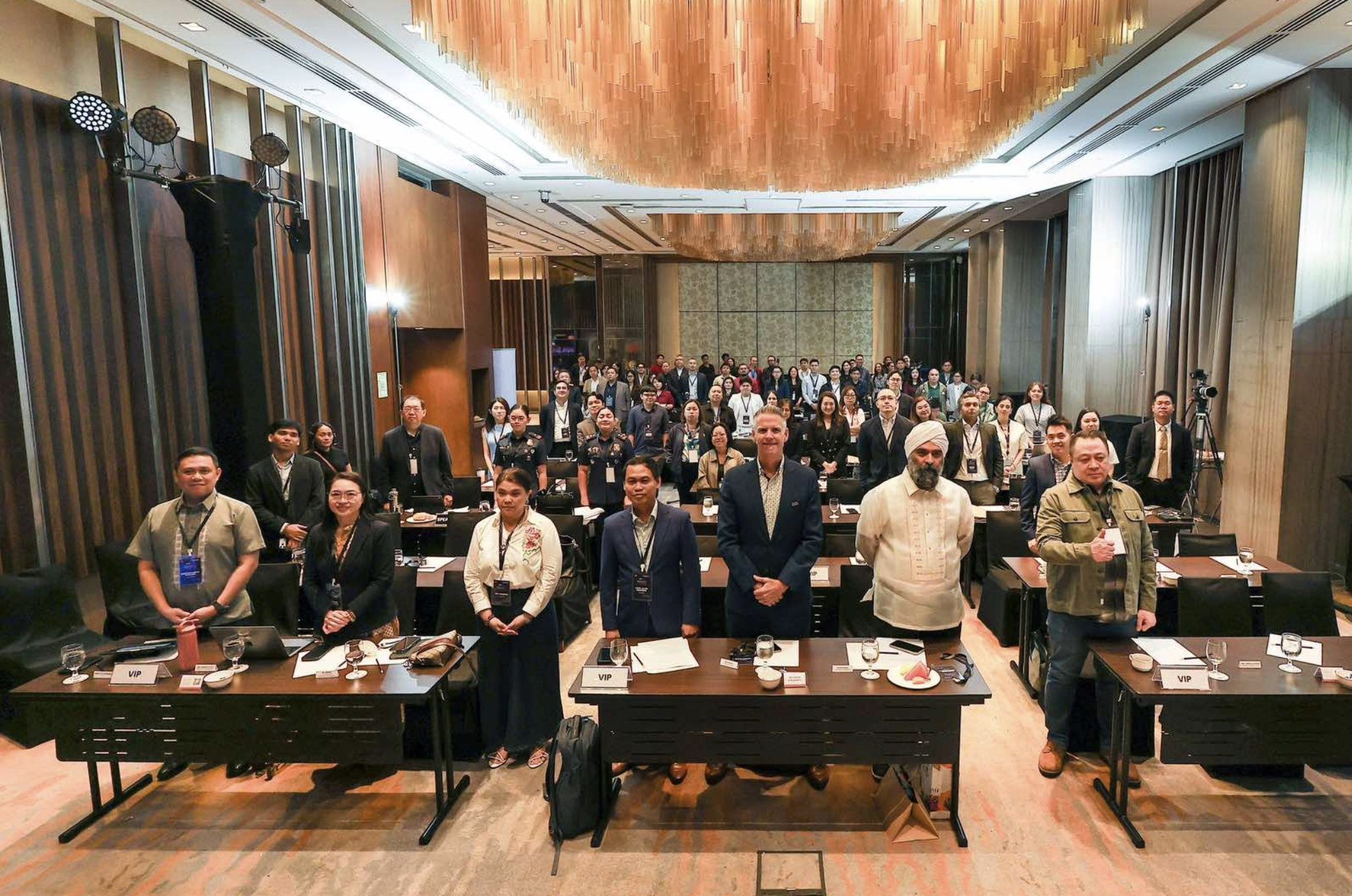
VIA GRAPHIC PLUS | October 8, 2026 — As Filipinos embrace digital services for everything from shopping and payments to work and communication, building trust in the digital world is becoming increasingly important. The Global Anti-Scam Alliance (GASA)’s Annual State of Scams Report, in collaboration with Mastercard and Gogolook, highlights the growing scale of the scam challenge in the Philippines and the need for collective action to address it.
The report also identifies opportunities to strengthen the digital ecosystem, including greater cross-agency and industry coordination through the initiatives like the establishment of National Anti-Scam Hub (NASH) to enable more effective intelligence sharing and faster responses to emerging scam threats.
The State of Scams Philippines 2026 Report, based on a survey of 1,160 Filipino adults, found that 84% of adults encountered a scam attempt in the past year, up from 77% in 2025. This means that the average Filipino encounters 151 scams per year. While the findings underscore the need for continued vigilance, they also reinforce the importance of investing in cybersecurity, technology and education to help people stay safer as digital adoption accelerates.
Among the positive findings, the Philippines was the only Southeast Asian country to record a decrease in the use of bank account transfers by scammers to move illicit funds, falling from 36% in 2025 to 12% in 2026. This coincides with efforts across the financial sector, including the implementation of AFASA and nationwide mule-account intelligence initiatives, including Mastercard TRACE.
At the same time, digital wallets saw a sharp increase in reported abuse by scammers, rising from 34% in 2025 to 73% in 2026. The findings highlight how scammers continue to adapt their tactics and shift toward other channels, reinforcing the need for coordinated action across financial institutions, digital platforms, government and other stakeholders.
Digital trust is becoming a critical part of everyday life. While 58% of Filipino adults say they are confident in their ability to recognize a scam, 60% of those who encountered one went on to interact with it. Scam attempts are increasingly reaching people through the digital channels they use every day, with 39% approached through instant messaging apps and 36% through social media posts. Overall, 88% of scam attempts occurred on platforms with a direct-message function.
These findings highlight why cybersecurity and scam detection can no longer be viewed solely as a technical issue. As more aspects of daily life move online, protecting people requires an ecosystem-wide approach that brings together financial institutions, technology companies, governments, online platforms and consumers. As part of the GASA report, key recommendations are to: set up a national coordinating body to mitigate silos and improve response time; and a common case management function to enhance operational efficiency across the ecosystem.
“As the Philippines continues its digital transformation, trust must remain at the heart of how we build and grow the digital economy. Scams represent a key undermining force to Philippines’s digital transformation ambitions and must be addressed. It is about creating an environment where Filipinos can confidently embrace digital payments, commerce and services. No single organization can address this challenge alone. By bringing together the strengths of the public and private sectors, sharing intelligence and investing in smarter technologies, we can help build a more secure and inclusive digital ecosystem where innovation can thrive.” — Jason Crasto, Country Manager, Philippines, Mastercard
“At Gogolook, we are committed to putting Whoscall at the forefront of this effort, bringing anti-scam tools and information that are accessible to all Filipinos to the fingertips of businesses from SMEs to large-scale enterprises along with mobile and digital users. For businesses, Whoscall helps protect brand credibility and customer trust by supporting efforts to distinguish legitimate business communications from impersonation attempts. Mobile and digital users gain tools to identify unfamiliar callers and assess suspicious messages and links, giving them greater confidence to avoid scams while staying connected to genuine opportunities and essential services. By making protection more accessible to both, we can strengthen the trust that sustains livelihoods, communities and the Philippine digital economy,” Mel Migriño, Country Head and General Manager, Gogolook Philippines emphasized.

The potential impact is significant. 15% of respondents reported losing money or personal data that led to financial loss, with victims reporting an average loss of ₱10,427. Across the Philippines, this contributed to an estimated ₱121.8 billion in annual losses.
But the opportunity extends beyond preventing financial loss. Building stronger digital trust can help ensure that consumers feel confident using digital services, businesses can continue to innovate securely, and families can participate in the digital economy with greater peace of mind.
The report also highlights the human impact of scams. 82% of scam victims said the experience negatively affected their mental wellbeing, while 22% said they were unable to pay for basic essentials as a result. With 20% of parents reporting that their child had experienced a scam, creating a safer digital environment is increasingly a shared responsibility across generations.
The findings point to several areas where greater collaboration can make a difference. Filipinos place substantial responsibility for scam prevention on online platforms and website providers, while police are perceived as performing most strongly in preventing and resolving scams. Meanwhile, reporting remains an important opportunity: only 4% of all respondents reported a scam to authorities, rising to 29% among those who lost money.
For Mastercard, the findings reinforce the importance of strengthening cybersecurity and digital trust as the Philippines continues its digital transformation. Preventing scams is not about placing greater responsibility on consumers; it is about building an ecosystem that can identify threats earlier, share intelligence more effectively and use technology to help protect people before a scam becomes a financial loss.
This requires collective action across the digital ecosystem — combining data and intelligence, cybersecurity capabilities, technology and consumer education to make digital interactions safer and more trusted.
“Behind every scam statistic is a person: someone who trusted the wrong message, clicked the wrong link, or simply believed the person on the other end of the phone. What is most concerning is that scams are becoming part of everyday life in the Philippines, with real consequences for people’s financial security, wellbeing, and families. We cannot put the burden of stopping scams on consumers alone. We need to build an environment where people are protected before a scam becomes a loss.” — Brian D. Hanley, APAC Director, Global Anti-Scam Alliance (GASA)
As the Philippines continues to build a more connected digital economy, fighting scams and broader cybercrime will be fundamental to ensuring that Philippines can recognize its full potential as a digital economy. The State of Scams Philippines 2026 Report provides insights that can help stakeholders better understand how scams are evolving and identify opportunities to work together to strengthen protection for consumers.

Started in 1927, the Philippines Graphic is the longest-running printed magazine of national circulation that provides relevant news and features and promotes Philippine literature.