

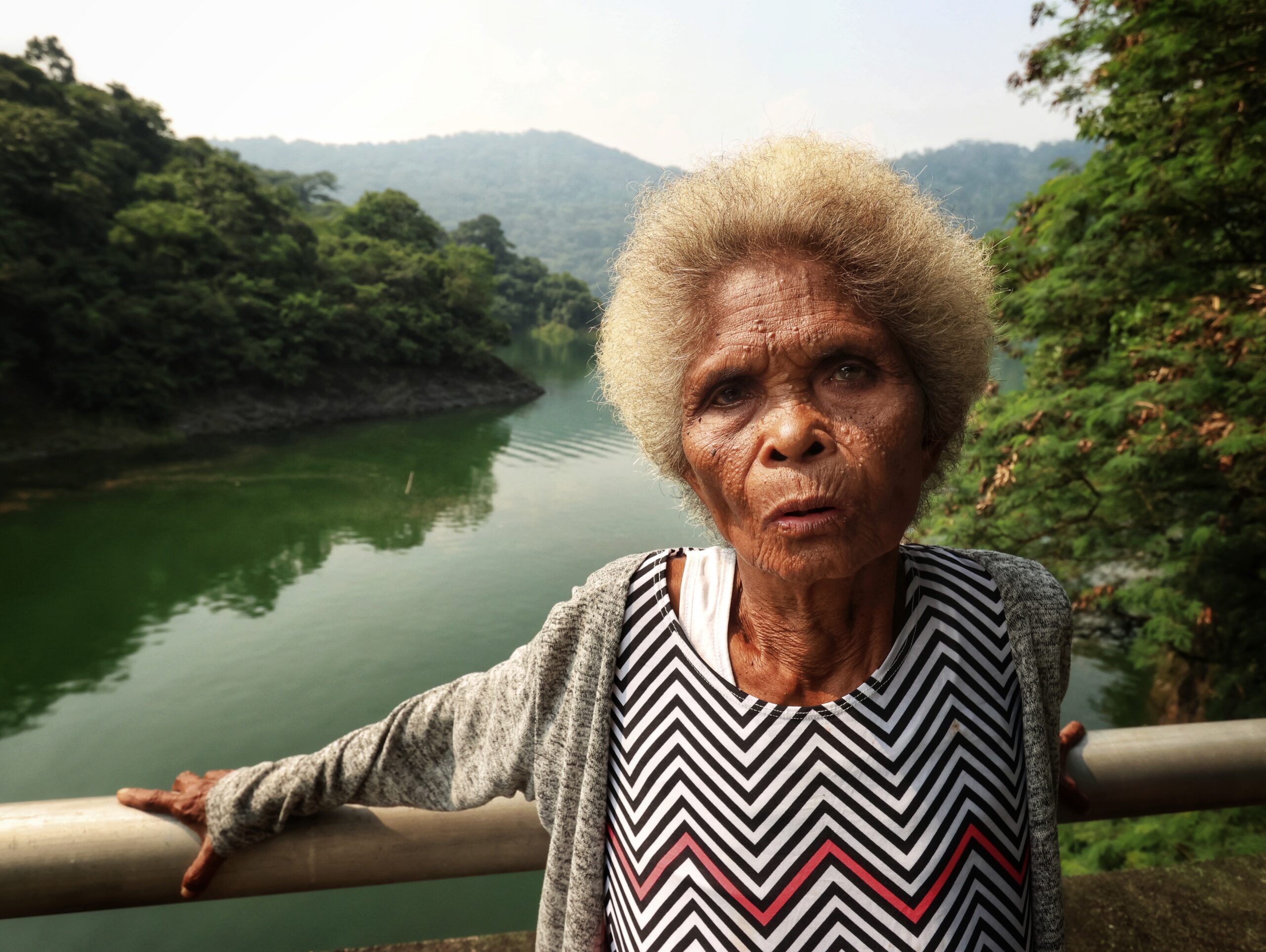
NORZAGARAY, Bulacan — Brigido Salonga, was only 17 when he worked as a pipe fitter for the old Nawasa. After leaving the job, he returned to Sitio Manalo, where the forest, rivers and mountains became part of his everyday life. He knows the Angat watershed not from a map but from a lifetime spent among its mountains and waters.
He is the president of KADUSMANA, or Lingkod sa Katutubong Dumagat sa Sierra Madre ng Angat, Salonga finds himself at the intersection of several interests converging on the same landscape.
There is the forest. There is the Angat reservoir and hydroelectric power plant. There is the government, which continues to manage and protect the watershed.
There are private companies operating the power facility. There are conservation organizations trying to restore degraded portions of the forest.
And there are Dumagat-Remontado communities trying to make a living while remaining in the ancestral landscape they consider home.
“We still own the mountains of Sierra Madre,” Salonga said, he is now 64 years old.
But ownership, stewardship and responsibility are not always the same thing. And in Angat, that distinction matters. ‘Marring volunteer lang kami pero Malaki ang papel na ginagampanan namin para sa Angat at aming mga kasama.”
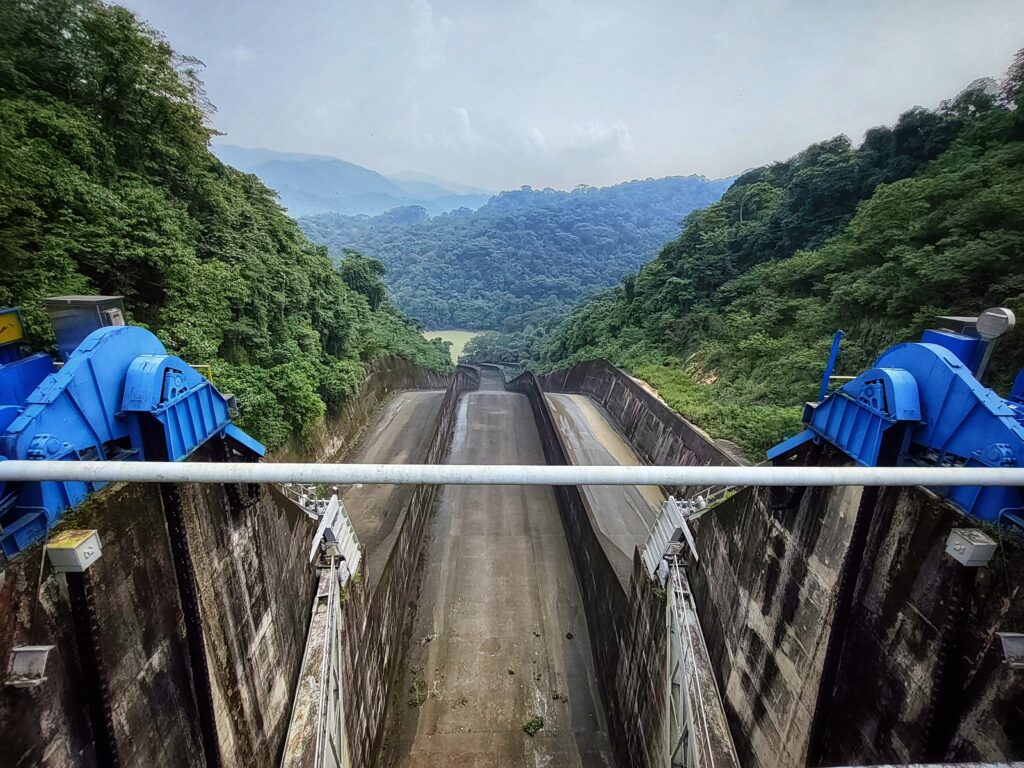
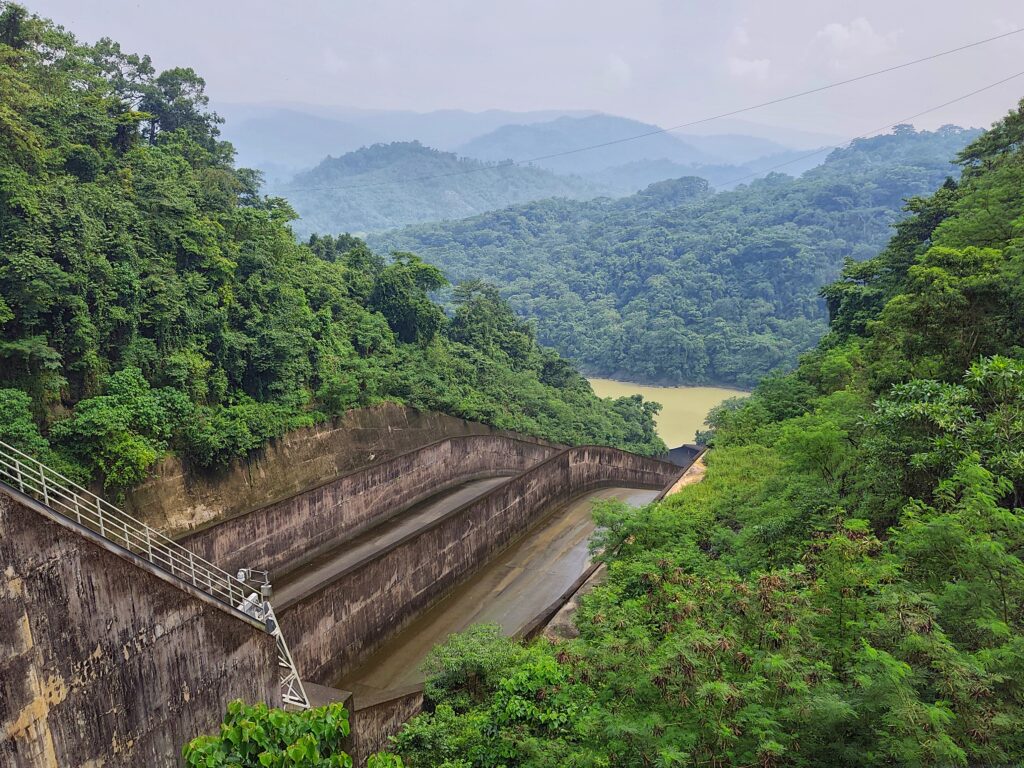
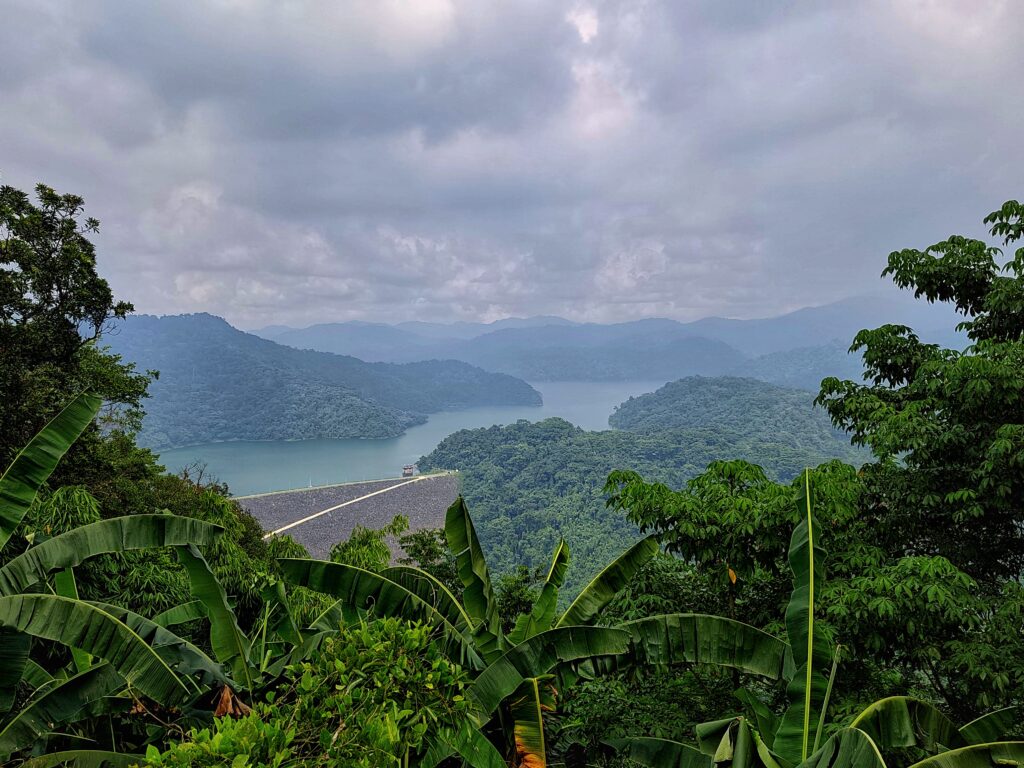
The spillway gates with IPO dam in the distance.
WATERSHED BEYOND BOUNDARIES
The Angat watershed is part of the southern Sierra Madre and is one of the watershed reservations under the stewardship of the National Power Corporation.
The Angat Hydroelectric Power Plant sits inside the watershed. Today, the plant is no longer operated by Napocor or NPC.
The change is part of the transformation of the Philippine power industry following the passage of the Electric Power Industry Reform Act, or EPIRA, in 2001.
Republic Act 9136 restructured the electricity industry and provided for the privatization of NPC’s generation assets, with the Power Sector Assets and Liabilities Management Corp. (PSALM) tasked with managing and disposing of those assets.
Angat eventually became part of that privatization process.
The Angat Hydroelectric Power Plant is now a joint-venture asset of San Miguel Global Power and Korea Water Resources Corp., or K-Water. San Miguel’s disclosures state that its subsidiary holds a 60-percent stake in Angat Hydro, while the two companies jointly control the operation and management of the facility.
SMC Global Power currently describes Angat as a 218-MW hydroelectric facility located inside the Angat Watershed Forest Reserve, with San Miguel undertaking operations and maintenance and K-Water providing technical expertise. It also provides potable drinking water to 98 percent of metro manila via two water concessionaires, Manila Water and Maynilad.
But the privatization of the power facility did not mean that the watershed itself ceased to require public protection. NPC continues to list Angat among the watershed areas under its stewardship and maintains an Angat Watershed Reservation Office in Norzagaray.
That creates an unusual arrangement. A private joint venture operates the power plant. A government corporation continues to protect the watershed, with clear mandate to protect the forest.
And communities continue to live within the larger landscape. The question, therefore, is no longer simply who operates the plant. It is who shares responsibility for protecting the forest that makes the system possible.
PEOPLE BEHIND THE FOREST
For Salonga and the people he represents, the Dumagat-Remontado, the forest is not simply an environmental resource. It is home.
Members of the community fish in the reservoir. Some hunt. Others farm when they can.
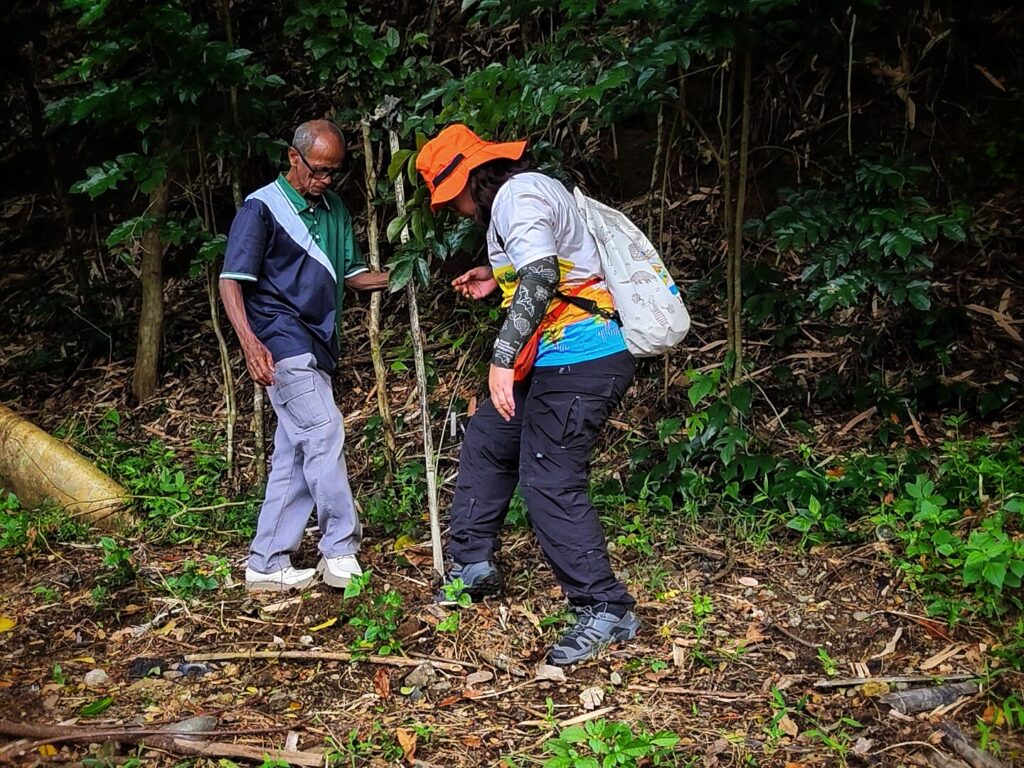
For Salonga, his responsibilities also extend beyond environmental concerns. He said he helps community members who become sick, including providing medicine and other assistance, with the help of the NGO’s operating in their are and NPC. The community has also become involved in reforestation. They need to plant and oversee 52,000 hectares of forest.
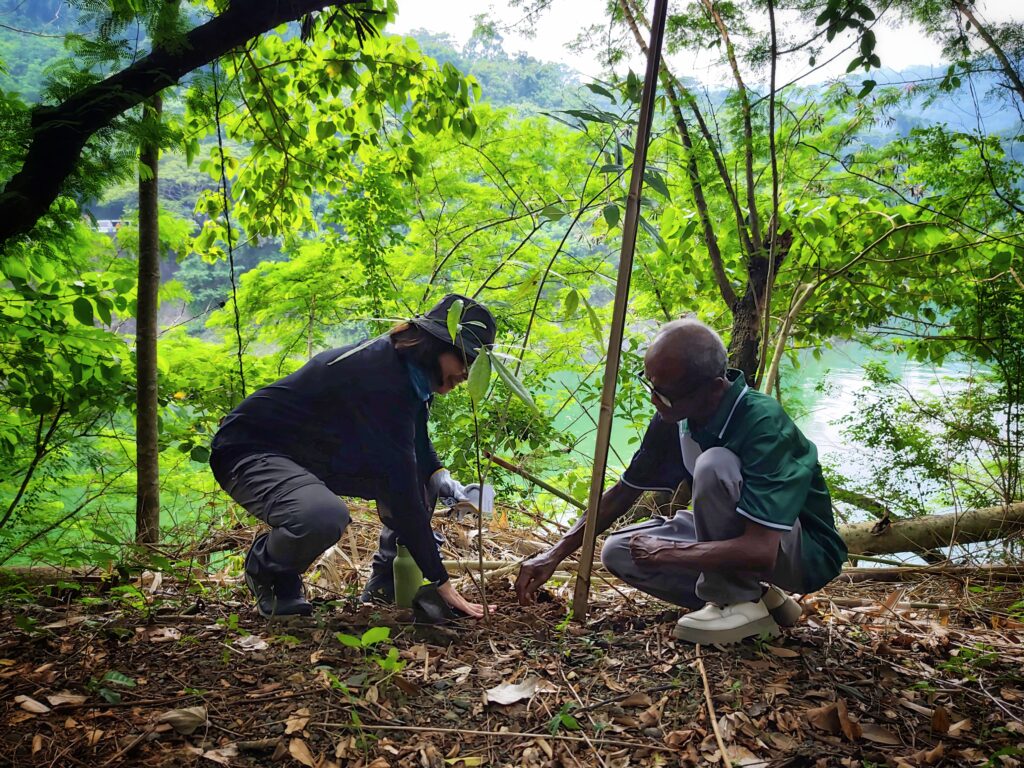
Salonga said they have worked with the National Commission on Indigenous Peoples and participated in tree-planting activities with the support of NPC and the Forest Foundation Philippines.
For Marcelina Neric, 68, life in the watershed has always been connected to finding ways to survive.
“When we were still strong — and of course, young — we were farming,” she said.
Fishing has also been part of their lives.
“Hanapbuhay din namin ay magbubuho,” she said, referring to the harvesting of an endemic type of bamboo.
Now, she participates in tree-planting activities when opportunities arise.
Her words are simple, but they describe a difficult reality: the people living within an enormously valuable watershed do not necessarily have equally valuable economic opportunities. “Maraming pagkain dito, kailangan ko rin ng pambili ng nganga.” She laughed.
PRESSURE ON THE FOREST
During a presentation on the WWF-Philippines ADLAW Project, project manager Rem Napay described findings from community consultations using Participatory Rural Appraisal, sensing vulnerability becomes more complicated when the pressure on the forest is considered.
In one identified hotspot, the project estimated that as many as 50 trees were being cut each day. Napay said the consultations also revealed why some residents were cutting trees.
One of the major reasons identified by the community was education — the need to find money for schooling and other necessities.
The finding changes the way the problem can be understood. Forest destruction is not only an environmental issue.
For some families, it is also an economic survival issue. The response, therefore, cannot simply be to tell people not to cut trees. There has to be another way for them to earn.
That is one of the reasons the ADLAW project has been working on agroforestry and livelihood initiatives in Angat. The project began in September 2025 and is scheduled to run until June 2027, according to Napay.
The project has also identified forest-pressure hotspots and worked with communities to determine alternative livelihood activities.
The challenge, however, remains enormous. One presentation cited the limited number of forest guides available to cover the vast watershed. Another reality is less visible.
A tree planted today does not immediately become a forest. An agroforestry initiative may put thousands of seedlings into the ground, but the economic and ecological benefits may take years to arrive. Planting is only the beginning. The harder task is keeping the trees alive. Salonga said that their jobs continues to another 6 months monitoring the seedlings they planted, they have to divide amongst themselves, the task. They have at least 5,000 members in several sitios along the watershed. Only members of the IPs are allowed to work in their area of responsibility.
SAVE SIERRA MADRE
This was the larger issue behind the Forest Foundation Philippines’ Save Sierra Madre Day 2026, held on September 26 at the Angat Watershed Forest Reserve under the theme “Growing Together: Business and Communities for the Forests.”
The gathering brought together government representatives, businesses, conservation groups, media and Indigenous community representatives. Its central message was straightforward: Protecting the Sierra Madre cannot be left to one institution.
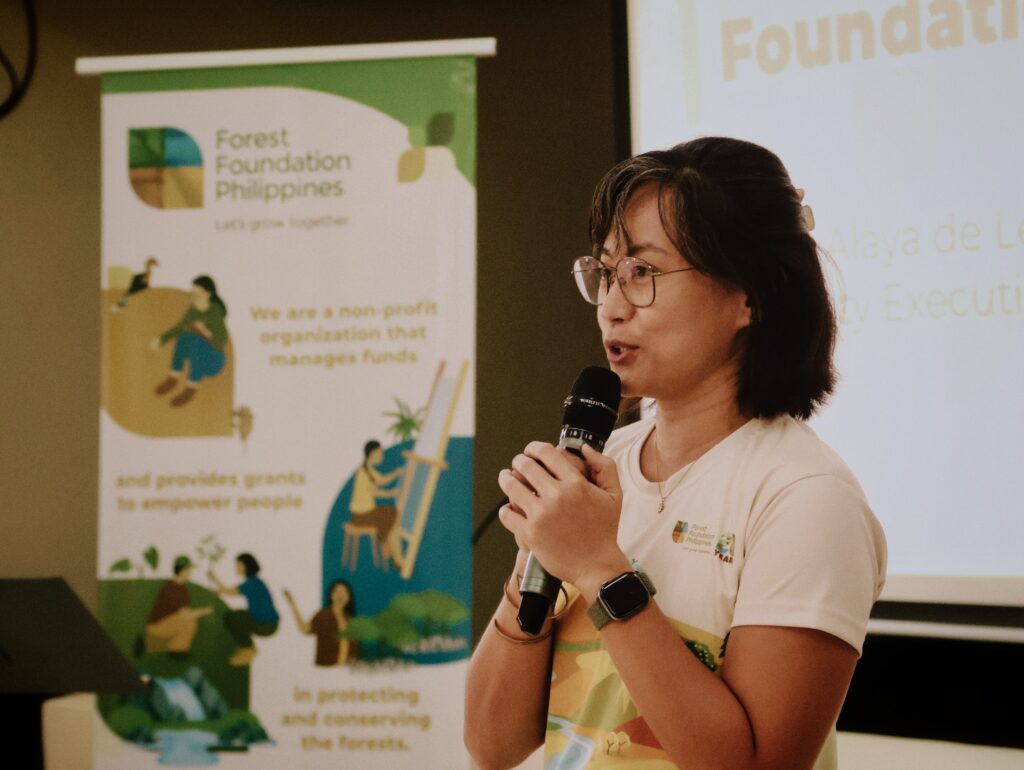
Forest Foundation Philippines Deputy Executive Director Atty. Alaya De Leon invited businesses and the private sector to learn about the Sierra Madre, see the conservation work being done and become part of it.
The invitation went beyond attending a one-day activity. Participants were also brought into the forest to plant trees.
The larger campaign is an attempt to bring more sectors into forest conservation — including businesses that can provide resources for seedlings, reforestation and community-based activities. For the Dumagat-Remontado communities, that kind of partnership can mean more than planting trees.
It can mean livelihood. It can mean participation. And, potentially, it can mean allowing the people who know the forest best to become part of the long-term effort to protect it.
PROTECTOR OF ALL
Eric Buduan, Northern Philippines coordinator of the Forest Foundation Philippines, pointed to another reason the Sierra Madre matters.
The mountain range helps reduce the strength of storms reaching communities on its western side, he said, even as areas facing the Pacific continue to take the brunt of typhoons.The Sierra Madre stretches across a vast portion of Luzon, and millions of people live in and around the mountain range.
Its value therefore extends far beyond the boundaries of the Angat watershed. It is a forest that provides water. It supports biodiversity. It helps communities withstand the effects of extreme weather.
It sustains livelihoods. And in Angat, it supports a hydroelectric facility and a water system serving communities far beyond the mountains.
The benefits travel downstream. The responsibilities, however, remain largely concentrated in the watershed. Beyond corporate responsibility
That is where the call for private-sector participation becomes more complicated — and potentially more important.If businesses depend directly or indirectly on the environmental services provided by forests, should their participation end with a donation or a tree-planting ceremony?
For businessman Ceasar Dungca, who has experience in real estate development and farm and leisure resorts along the Marilaque area, said he is interested in finding ways to participate in forest protection. Or can they become long-term partners in protecting the ecosystem and supporting the communities that live there?
He sees possibilities in combining business and environmental protection, including potential ecotourism or watershed-related development.
But such a model would require a careful balance. The experience of Marilaque cannot simply be transplanted into the Angat watershed.
A business opportunity inside a watershed has to be measured against the same environmental and community considerations that make the forest worth protecting in the first place.The question is not simply whether business can enter the forest.
It is whether economic activity can help sustain the forest and its communities without creating another source of pressure on them.
Who sustains the forest? The people gathered in Angat cannot speak for the entire Sierra Madre. The mountain range crosses several provinces and encompasses numerous Indigenous communities, watersheds, protected areas and competing claims over land and resources.
But this particular corner of the range offers a glimpse of the larger challenge. There is a private power plant. There is a government agency responsible for the watershed.
There are Indigenous communities asserting their continuing relationship with their ancestral landscape. There are conservation organizations looking for resources and partners. There are businesses exploring ways to participate.
And one important nexus is the millions of people downstream who depend on the water and energy that this landscape helps provide.
This brings the story back to EPIRA. The law was designed to restructure the electricity industry, introduce competition and provide for the privatization of NPC assets.
Whether the reforms have delivered all of their intended economic benefits is a question that reaches far beyond Angat. But inside the Sierra Madre, another question may be more immediate.
If the country depends on the forest to sustain its water and energy security, who will sustain the forest? For Salonga, the answer begins with the people who have always called these mountains home.
For the Forest Foundation Philippines and its partners, it means bringing more people into the effort. For Napocor, it means continuing to protect the watershed, even if its beyond their means.
For conservation groups, it means finding ways to make reforestation survive beyond the planting day. For the private sector, it means deciding whether participation can become a long-term commitment rather than a one-time corporate activity, which most people do for photo-ops.
And for those who live far downstream, it may come down to something they rarely see: the forest that stands between them and the water — and the people who remain there to protect it.
The water they enjoy and the electricity they are using comes from this dam and its forest.

Bernard Testa photographs human triumphs, evoking emotions of struggles between the good, the bad and the ugly. He was a former president of the Press Photographer of the Philippines. Before joining BusinessMirror and Philippines Graphic magazine, he was the photographer of the now defunct InterAksyon.com