

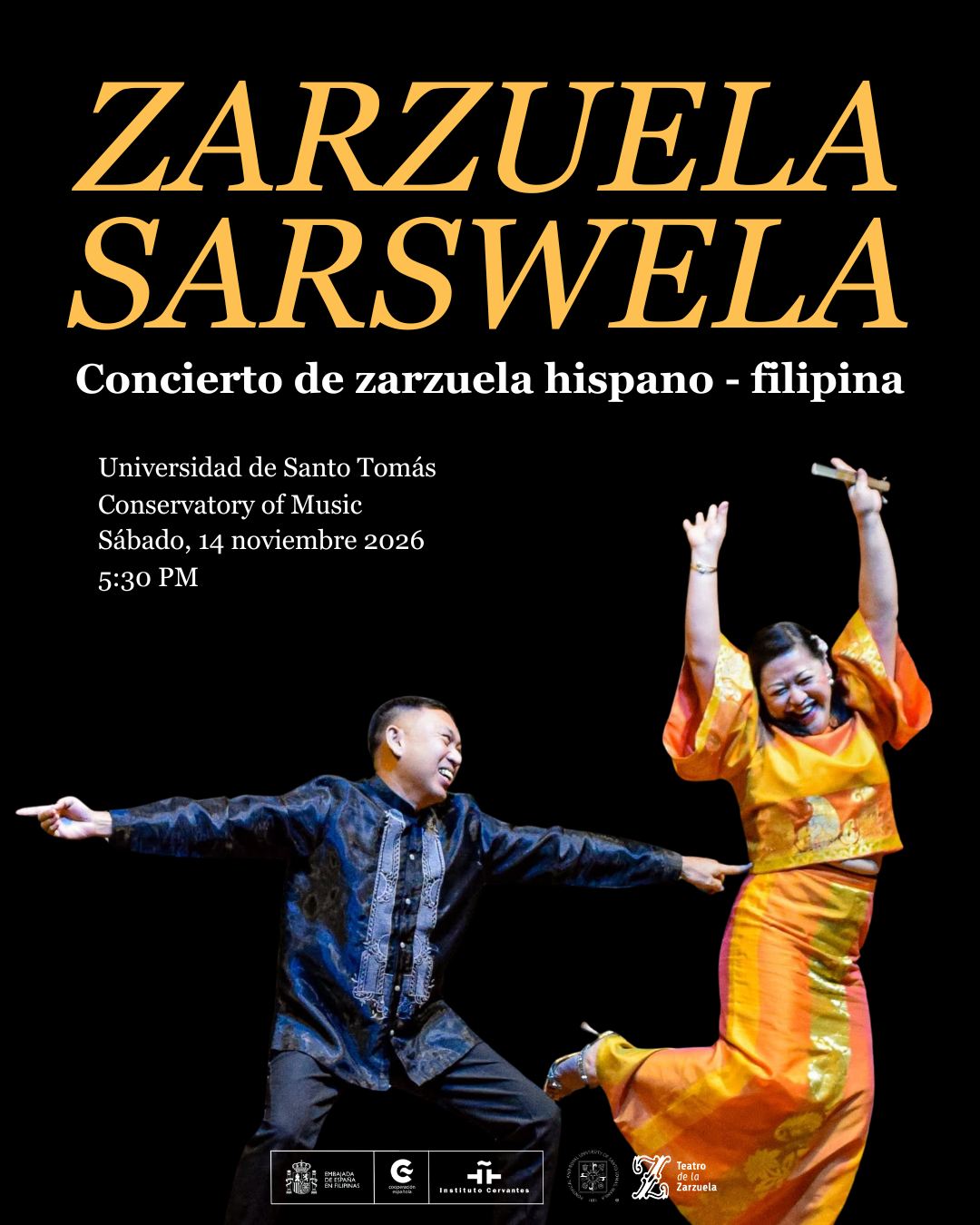
On November 14, the Instituto Cervantes, the Embassy of Spain in the Philippines, the University of Santo Tomas (UST), and Teatro de la Zarzuela, will present, for a second year in a row, Zarzuela>Sarswela, a musical celebration of the shared cultural heritage of Spain and the Philippines.
This concert, the culmination of a 5-day zarzuela workshop, led by Spanish pianist Belén Castillo and Spanish soprano María Rodríguez from November 9 to 13, will take place at the Conservatory of Music of the University of Santo Tomas, on November 14, 5:30pm.
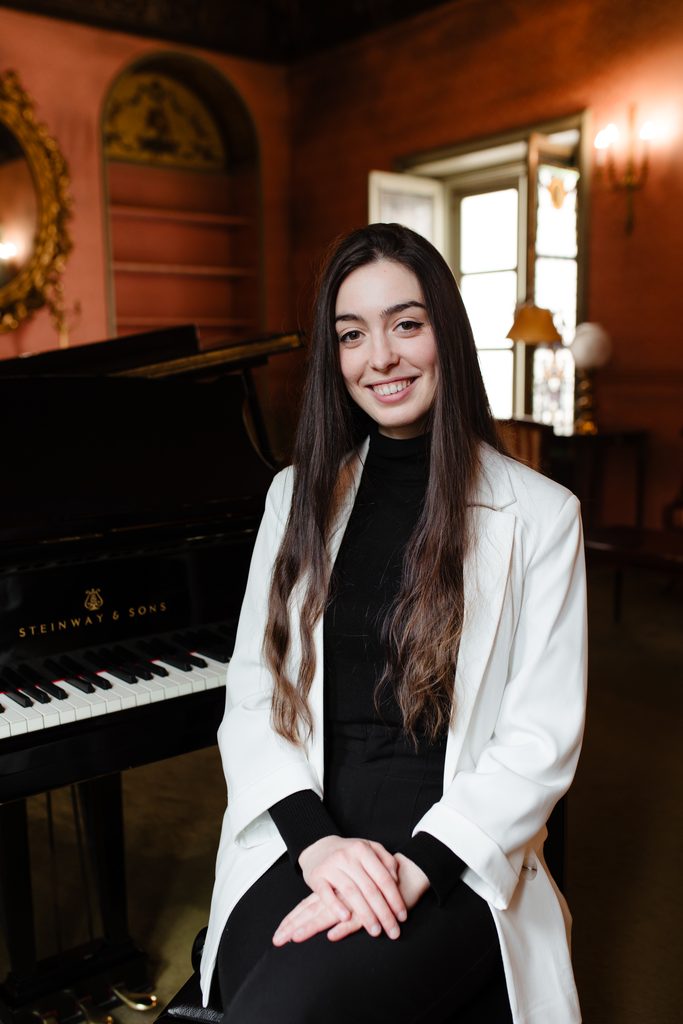
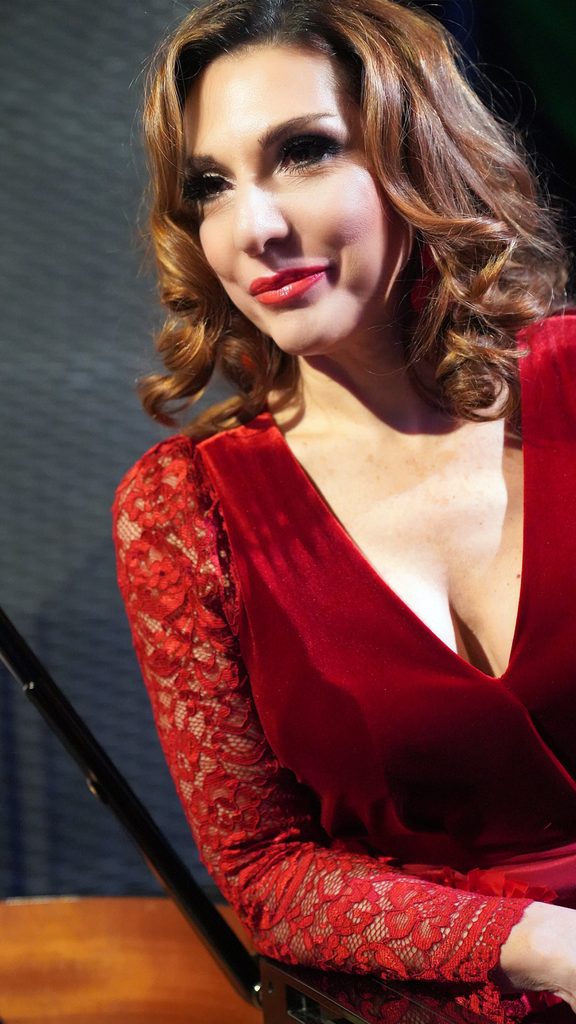
María Rodríguez is a Spanish soprano specializing in opera and zarzuela, acclaimed for her expressive stage presence and artistic versatility. She has performed at major national and international venues, collaborating with renowned artists such as Plácido Domingo and José Carreras. Committed to promoting zarzuela, she combines tradition with a fresh, accessible approach that brings the genre to new audiences.
Belén Castillo is a Spanish pianist and vocal coach specializing in vocal accompaniment. A piano professor at the Escuela Superior de Canto de Madrid, she regularly collaborates with the Teatro Real and has taken part in numerous opera productions and recitals across Spain.
Zarzuela, a Spanish theatrical genre combining music, singing, and spoken dialogue, has long been a significant part of Spain’s cultural heritage. Its influence in the Philippines contributed to the development of the sarswela, which evolved into a distinctly Filipino art form reflecting local stories, social realities, and aspirations.
The culminating concert on November 14 will bring together selections from two landmark Spanish zarzuelas, El barberillo de Lavapiés (1874) by Francisco Asenjo Barbieri, and La del manojo de rosas (1934) by Pablo Sorozábal, alongside celebrated works from the Filipino sarswela tradition, such as pieces from Filipinas para los Filipinos by Jose Estella, and Walang Sugat.
Through these selections, the program will celebrate the historical connections between the two countries, as well as the sarswela’s contribution to Philippine performing arts and its role in expressing Filipino cultural identity. While rooted in Spanish theatrical influences, the genre developed its own musical language and narratives, reflecting the experiences and aspirations of Filipino communities.
Admission is free, with online registration required through the following link: https://forms.cloud.microsoft/e/gwvtzT5AY1

Started in 1927, the Philippines Graphic is the longest-running printed magazine of national circulation that provides relevant news and features and promotes Philippine literature.

, and Teatro de la Zarzuela, will present, for a second year in a row, Zarzuela>Sarswela, a musical celebration of the shared cultural heritage of Spain and the Philippines.)