

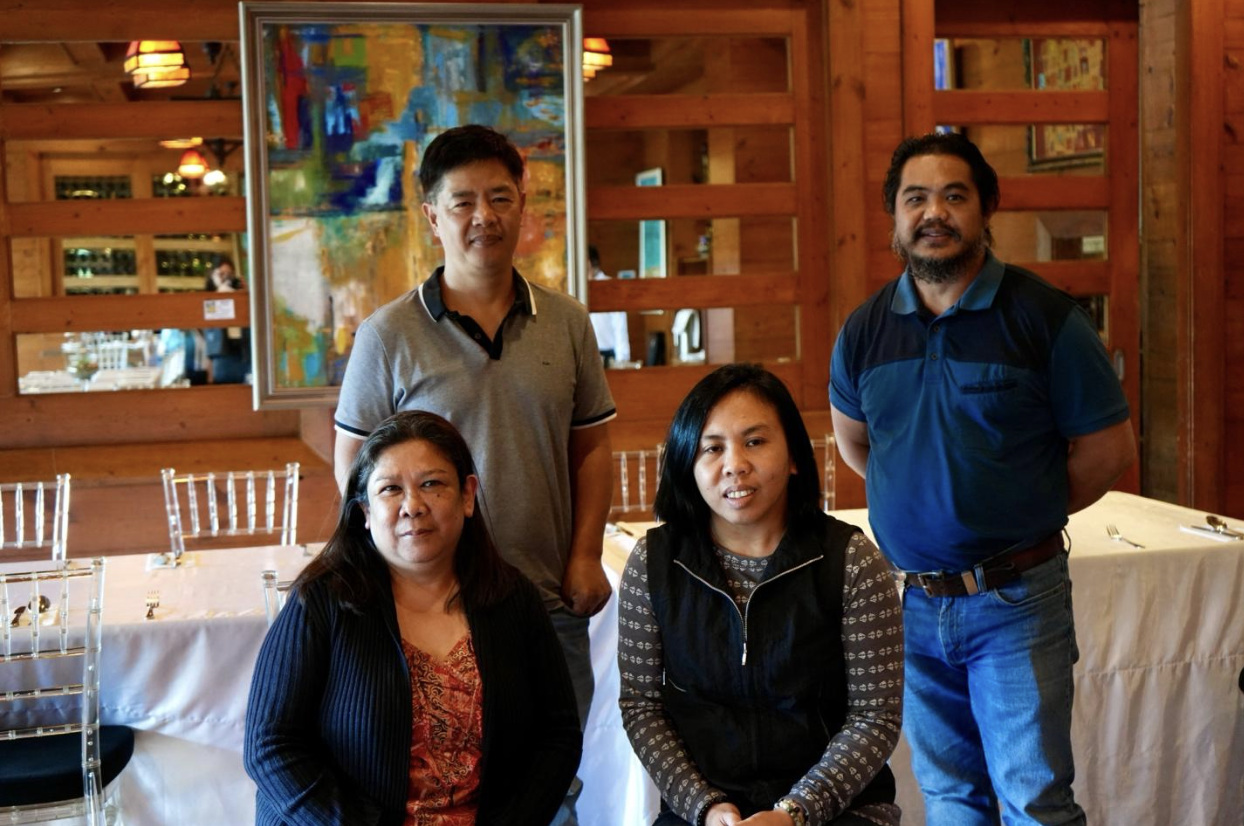
VIA GRAPHIC PLUS | BAGUIO CITY — Nine indigenous individuals from the different indigenous peoples (IPs) of the Cordillera were able to qualify for the pilot role out of the Search for Natatanging IP Elder which is being pioneered by the Cordillera office of the National Commission on Indigenous Peoples (NCIP-CAR) and the Philippine Mine Safety and Environment Association (PMSEA) to recognize individuals that have played a key role in championing the rights of IP communities.
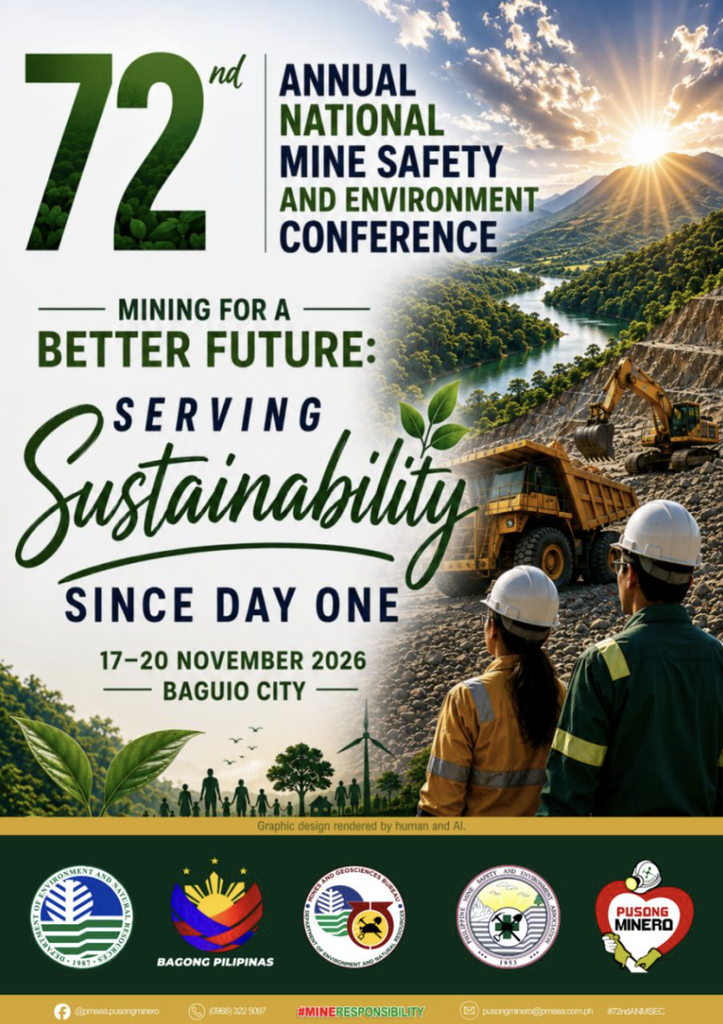
NCIP-CAR regional director Atty. Atanacio Addog said that the nine qualifiers are now being screened by the 3-member judging committee in time for the announcement of the lone winner who will be awarded during the Community Relations Conference of PMSEA’s Annual National Mine Safety and Environment Conference that will be held in Baguio from November 17-20, 2026.
The qualifiers are four well-known IP elders from Kalinga, 2 from Benguet, and 1 each from Apayao, Ifugao, and Mountain Province.
He claimed that the winner will be receiving the appropriate plaque of recognition from the NCIP and the PMSEA and a cash reward of PhP50,000 aside from owning the distinction of being the first recipient of the prestigious award conferred to a deserving IP elder who had played an important role in advancing IP rights in their own way.
Earlier, the NCIP-CAR and PMSEA forged a memorandum of agreement (MOA) for the pilot run of the Search for Outstanding Indigenous Peoples Leader or elder in the region.
The awardee must have made significant contributions to community development, cultural preservation, and environment stewardship aside from displaying exemplary leadership qualities that have contributed to the development of his or her community.
The agreement was forged between Addog and PMSEA president Luis R. Sarmiento that served as one of the highlights of the kick off program for the celebration of Indigenous Peoples (IP) Month this October.
The award program will cover initiatives linked to poverty reduction, food security, health, education, gender equality, water and sanitation, clean energy, decent work, infrastructure, reduced inequalities, sustainable communities, responsible consumption, climate action, protection of marine and terrestrial ecosystems, strong institutions and partnerships.
NCIP-CAR and PMSEA also aim to highlight best practices among IP communities in environmental stewardship, cultural integrity and social development.
Under the agreement, PMSEA and NCIP-CAR will use the pilot program to test the nomination process, selection criteria, outreach strategies and award logistics before they expand the search nationwide.
As envisioned, the regional search is open to all recognized IP elders and leaders in the Philippines. Local government units, civil society organizations, IP organizations and individuals within IP communities may submit nominations. However, only the Cordillera was considered in its pilot implementation.
The agreement also calls for gender balance and representation of diverse Indigenous Peoples in the selection process. The parties will evaluate nominees using several criteria, with Leadership and Integrity carrying the highest stated weight at 25%. The criterion covers ethical leadership, integrity and the nominee’s ability to inspire positive change within the community.
Cultural Preservation, Community Development and Environmental Stewardship will each carry a 20% weight. Cultural Preservation will assess efforts to promote, preserve and revitalize Indigenous culture, traditions and knowledge. Community Development will examine projects and programs that improve the socioeconomic well-being of an IP community. Environmental Stewardship will focus on contributions to the sustainable management and protection of ancestral domains, natural resources and the environment. The agreement assigns the remaining 15% to Advocacy.
PMSEA said its participation reflects its commitment to responsible mining and environmental stewardship, while the agreement recognizes the role of Indigenous Peoples in protecting and sustainably managing natural resources.
NCIP, meanwhile, serves as the government agency responsible for promoting and protecting the rights and welfare of Indigenous Cultural Communities and Indigenous Peoples in the Philippines, according to the agreement.
The pilot program in the Cordillera will allow the parties to document lessons learned and recommend adjustments before they roll out the award program nationwide.
Started in 1927, the Philippines Graphic is the longest-running printed magazine of national circulation that provides relevant news and features and promotes Philippine literature.

 of the Cordillera were able to qualify for the pilot role out of the Search for Natatanging IP Elder which is being pioneered by the Cordillera office of the National Commission on Indigenous Peoples (NCIP-CAR) and the Philippine Mine Safety and Environment Association (PMSEA) to recognize individuals that have played a key role in championing the rights of IP communities.)